Drinking Baking Soda Water at Night for 2 Weeks: Benefits, Risks, and What to Expect
Drinking water mixed with baking soda, also known as sodium bicarbonate, has become a popular home remedy. Many people use it at night in hopes of easing digestion, reducing acid reflux, or improving overall wellness. However, while it may offer some short-term benefits, it also comes with important health risks.
Here is a clear, evidence-based look at what baking soda water does, what may happen if you drink it nightly for two weeks, and when caution is necessary.
What Is Baking Soda Water?
Baking soda is an alkaline substance that can neutralize acid. When dissolved in water, it is sometimes used as a quick remedy for heartburn or indigestion.
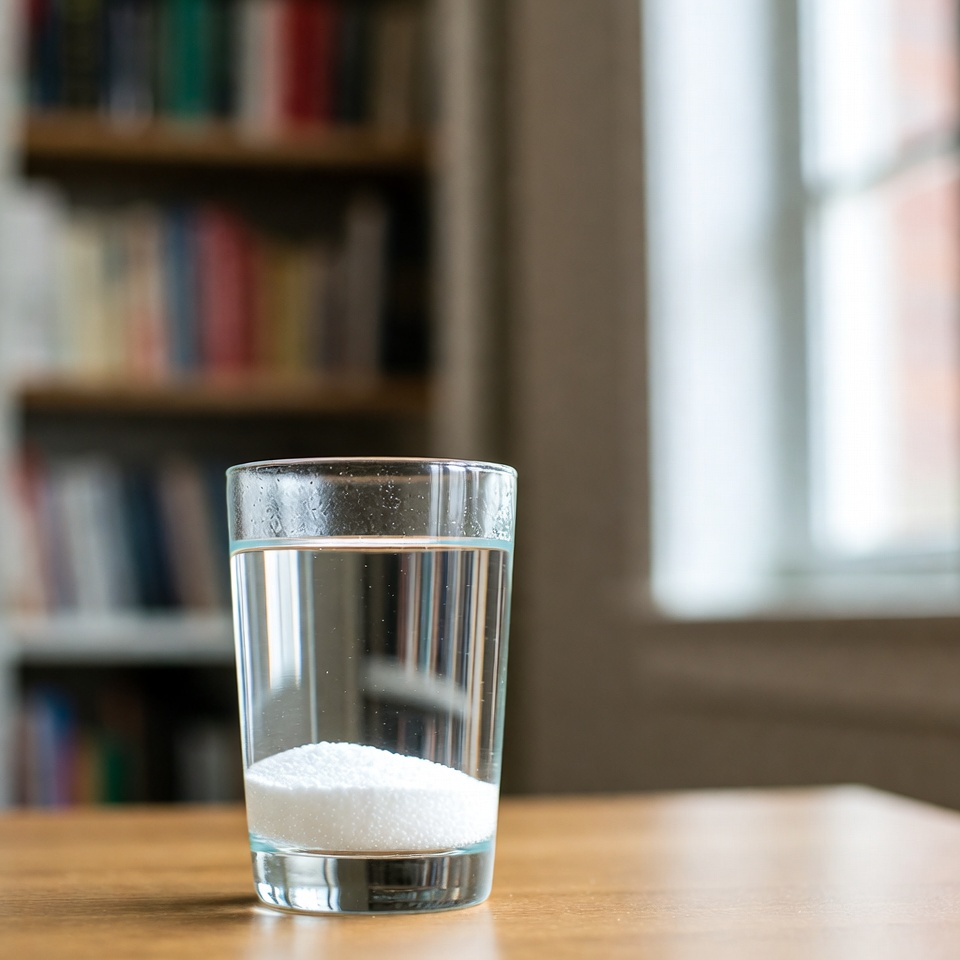
A common mixture includes:
- 1/2 teaspoon of baking soda
- 8 ounces (240 ml) of water
Possible Benefits of Baking Soda Water
Some of the claimed benefits have limited scientific support, while others are often misunderstood.
1. May Help Relieve Acid Reflux
Because sodium bicarbonate neutralizes stomach acid, it may temporarily reduce:
- Heartburn
- Acid irritation
- Mild reflux discomfort
This is one of the most common and best-known uses of baking soda water.
2. “Alkalizing the Body” Is Mostly a Myth
A frequent claim is that baking soda makes the body more alkaline. In reality:
- It may briefly affect urine pH
- It does not meaningfully change blood pH in healthy people
Your body tightly regulates blood acidity, so the idea of permanently “alkalizing” the body with baking soda is misleading.
3. May Ease Mild Indigestion
Some people find that baking soda water helps with occasional digestive discomfort, such as:
- Bloating
- Sour stomach
- Mild indigestion
Its acid-neutralizing effect may explain this temporary relief.
4. Possible Support in Early Kidney Disease
Some research suggests bicarbonate may help slow kidney function decline in people with early-stage chronic kidney disease (CKD). However:
- This use should be guided by a doctor
- It is not a self-treatment for healthy individuals
- Incorrect use may create more harm than benefit
5. May Support Exercise Recovery
Athletes sometimes use sodium bicarbonate in carefully measured amounts to help buffer lactic acid during intense exercise. This may improve performance or recovery in certain situations.
Still, this is very different from casually drinking it at night, and athletic use typically involves controlled dosing.
Risks and Side Effects
Although baking soda water may seem harmless, taking it regularly can lead to significant problems.
1. High Sodium Intake
Just 1/2 teaspoon of baking soda contains about 630 mg of sodium. If consumed daily, this can:
- Increase sodium intake quickly
- Contribute to water retention
- Raise blood pressure, especially in sensitive individuals
This is a major concern for people with hypertension or heart-related issues.
2. Risk of Alkalosis
Using too much baking soda can upset the body’s acid-base balance and lead to metabolic alkalosis, a serious condition.
Possible symptoms include:
- Nausea
- Vomiting
- Muscle cramps
- Confusion
- Weakness
Although this is more likely with overuse, even regular daily intake can increase risk over time.
3. Stomach Discomfort
Instead of helping digestion, baking soda can sometimes cause:
- Gas
- Bloating
- Abdominal discomfort
In rare cases, taking it after a large meal may create excess gas in the stomach and lead to severe complications, including stomach rupture.
4. Kidney Stress
Long-term use may place added strain on the kidneys, even in people without known kidney disease. This is especially important if the body is repeatedly exposed to excess sodium and changes in acid-base balance.
5. Medication Interactions
Baking soda can affect how certain medications are absorbed or processed. It may interfere with drugs such as:
- Aspirin
- Some antibiotics
- Diabetes medications
If you take prescription medicine, medical guidance is important before using baking soda regularly.
What May Happen If You Drink It Every Night for 2 Weeks?
The effects can vary depending on your health status, diet, and sensitivity to sodium. In general, the timeline may look like this:
Days 1–3
Possible short-term effects:
- Reduced heartburn
- Relief from mild indigestion
- Temporary comfort after acidic meals
Days 4–7
As use continues:
- The body begins adjusting
- Sodium intake may start affecting blood pressure in sensitive people
- Digestive side effects such as bloating may appear
Days 8–14
By the second week:
- Benefits may level off
- Risk of sodium buildup increases
- Mild acid-base imbalance may begin in some individuals
- Daily use becomes less advisable without medical supervision
Recommendations for Safer Use
If you are considering baking soda water, moderation is essential.
General Guidance
- Occasional use may be acceptable for healthy adults, especially for temporary heartburn relief
- Using it once or twice a week is generally safer than taking it every night
- Daily long-term use is not recommended unless advised by a healthcare professional
Talk to a Doctor First If You Have:
- High blood pressure
- Kidney disease
- Heart disease
- A sodium-restricted diet
- Ongoing medication use
Bottom Line
Drinking baking soda water at night for two weeks may provide short-term relief from heartburn or occasional indigestion, but the benefits are limited and usually temporary. Regular use can increase sodium intake, upset the body’s acid-base balance, stress the kidneys, and interfere with medications.
For most people, baking soda water is better treated as an occasional remedy rather than a nightly habit.