Guava Leaf Tea: 9 Conditions It May Help Support Naturally
Guava leaf tea has long been valued in traditional wellness practices for its potential health benefits. Although it should not be considered a medical cure, this herbal tea may help ease or manage symptoms linked to several common conditions. Its benefits are largely associated with compounds that offer antioxidant, anti-inflammatory, antimicrobial, and anti-diarrheal effects.
Below are 9 health conditions guava leaf tea may help support.
1. Diarrhea and Dysentery
Guava leaves contain plant compounds such as quercetin, known for their antibacterial activity. These substances may help slow the growth of harmful bacteria, including Staphylococcus aureus, which can contribute to digestive upset. As a result, guava leaf tea may help reduce the severity of diarrhea and support gut recovery.
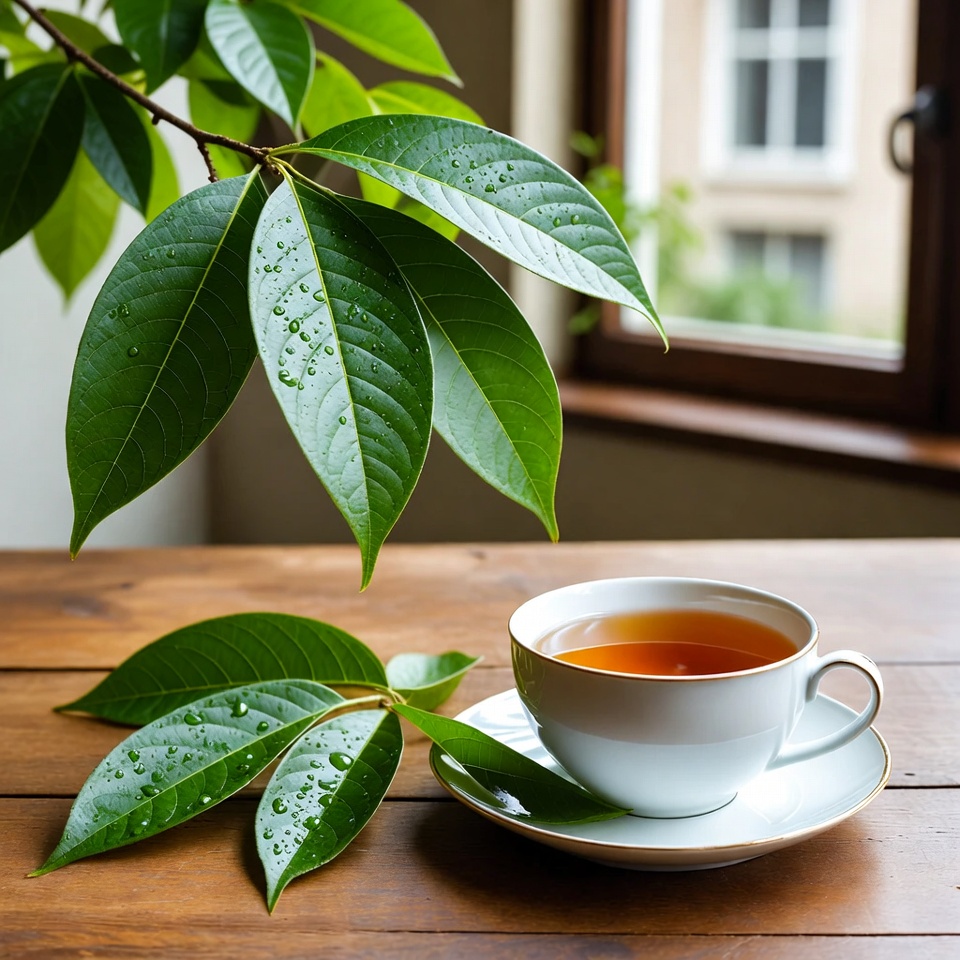
2. Type 2 Diabetes
One of the most discussed benefits of guava leaf tea for diabetes is its possible role in blood sugar control. It may block certain enzymes involved in breaking down carbohydrates into glucose, which can help prevent sharp blood sugar spikes after meals. Research also suggests it may improve insulin sensitivity, making it useful as part of a broader diabetes management plan.
3. High Cholesterol
Drinking guava leaf tea regularly may support healthier cholesterol levels. Some studies indicate it can help lower:
- LDL cholesterol (bad cholesterol)
- Triglycerides
At the same time, it may help maintain HDL cholesterol (good cholesterol). This combination could contribute to better heart health and reduce the risk of cardiovascular disease.
4. Obesity and Weight Management
Guava leaf tea may support weight management by helping the body process food more efficiently. It is believed to reduce the absorption of complex starches and promote a healthier metabolism. While it is not a quick fix for obesity, it may be a helpful addition to:
- A balanced diet
- Regular physical activity
- Long-term healthy lifestyle habits
5. Menstrual Cramps
Guava leaf extract has shown promising pain-relieving properties, especially for menstrual discomfort. It may help reduce the intensity of uterine contractions, which can ease cramps during menstruation. For some women, guava leaf tea may offer a natural option for managing dysmenorrhea.
6. Toothache and Oral Infections
Because guava leaves have both antibacterial and anti-inflammatory qualities, they may be useful for oral health. Guava leaf tea or extract can be used as a mouth rinse to help:
- Soothe tooth pain
- Reduce gum inflammation
- Fight oral bacteria
- Freshen breath
This makes it a popular traditional remedy for minor dental discomfort and mouth infections.
7. Cold and Flu Symptoms
Guava leaves provide beneficial compounds such as vitamin C and flavonoids, which may help strengthen the immune system. Guava leaf tea may also ease common respiratory symptoms, including:
- Cough
- Sore throat
- Excess mucus
For this reason, it is often used as a comforting herbal drink during cold and flu season.
8. Acne and Skin Infections
The antimicrobial and antioxidant properties of guava leaves may help protect the skin from bacteria that contribute to acne and minor infections. They may also help calm redness and irritation while supporting faster healing. Guava leaf tea can be beneficial when:
- Consumed as part of a healthy routine
- Applied topically in suitable forms
This makes it a popular natural option for improving skin clarity and reducing inflammation.
9. Cancer Support
Some research suggests guava leaves contain compounds such as lycopene and quercetin, which may help fight oxidative stress and slow the growth of certain cancer cells. Early findings have shown possible supportive effects in conditions such as:
- Prostate cancer
- Breast cancer
However, guava leaf tea should only be seen as a supportive wellness aid, not a replacement for professional cancer treatment or medical care.
Final Thoughts
Guava leaf tea offers a wide range of potential health benefits, from digestive support and blood sugar balance to oral care and immune support. While it is not a cure for disease, it may serve as a helpful natural remedy when used appropriately. For serious or ongoing health concerns, it is always best to consult a healthcare professional before relying on herbal treatments alone.