Fresh Juicing for Energy and Daily Wellness
Many people notice a drop in energy as they get older. Constant fatigue, packed schedules, processed meals, and not enough fresh food can leave the body short on nutrients that help support everyday vitality. When that happens, even routine activities may feel more exhausting than they should. One simple habit that may help is drinking fresh juice, which makes it easier to add more colorful fruits and vegetables to your day in a tasty, convenient way.
Dr. Norman Walker, who lived to the age of 99, became widely recognized for promoting fresh fruit and vegetable juices as part of a raw food lifestyle. He viewed juicing as an easy way to bring vitamins, minerals, and natural plant compounds into the diet every day. This article looks at his story, the juice blends often connected with his approach, and practical ways you can start making fresh juice at home.
Who Was Dr. Norman Walker?
Norman W. Walker (1886–1985) is often described as one of the early champions of vegetable juicing. He wrote several books, including Fresh Vegetable and Fruit Juices, and encouraged people to drink raw juices made from fresh, high-quality produce. His belief was that juicing offered the body a concentrated supply of nutrients that could be harder to get in the same amount from cooked foods alone.
For many years, he followed a routine centered on raw foods and freshly made juices. Reports about his life often describe him as active and mentally alert well into old age, and he passed away peacefully at 99. Of course, long life depends on many factors, such as genetics, lifestyle, sleep, and overall diet. Still, his focus on fresh produce continues to inspire people interested in juicing today.
Modern nutrition research also supports the value of eating more fruits and vegetables. Studies suggest that compounds found in foods like carrots, beets, and citrus fruits may help support antioxidant activity and normal body processes.

Why Fresh Juices Appeal to So Many People
Fresh juice offers a practical way to increase your intake of vitamins, minerals, and beneficial plant compounds. Because juicing removes much of the fiber, some nutrients may be absorbed more quickly. That said, whole fruits and vegetables are still important and should remain part of your daily meals because they provide fiber that supports digestion and fullness.
Carrot juice is especially known for its beta-carotene content, which the body converts into vitamin A. This nutrient supports normal vision and immune health. Beet juice contains natural nitrates and betalains, two compounds that have been studied for their role in circulation and antioxidant protection. Orange juice adds vitamin C, which helps with collagen formation and improves iron absorption.
Together, these ingredients create a bright, naturally sweet drink that fits easily into a morning routine.
Dr. Walker-Inspired Juice Blends
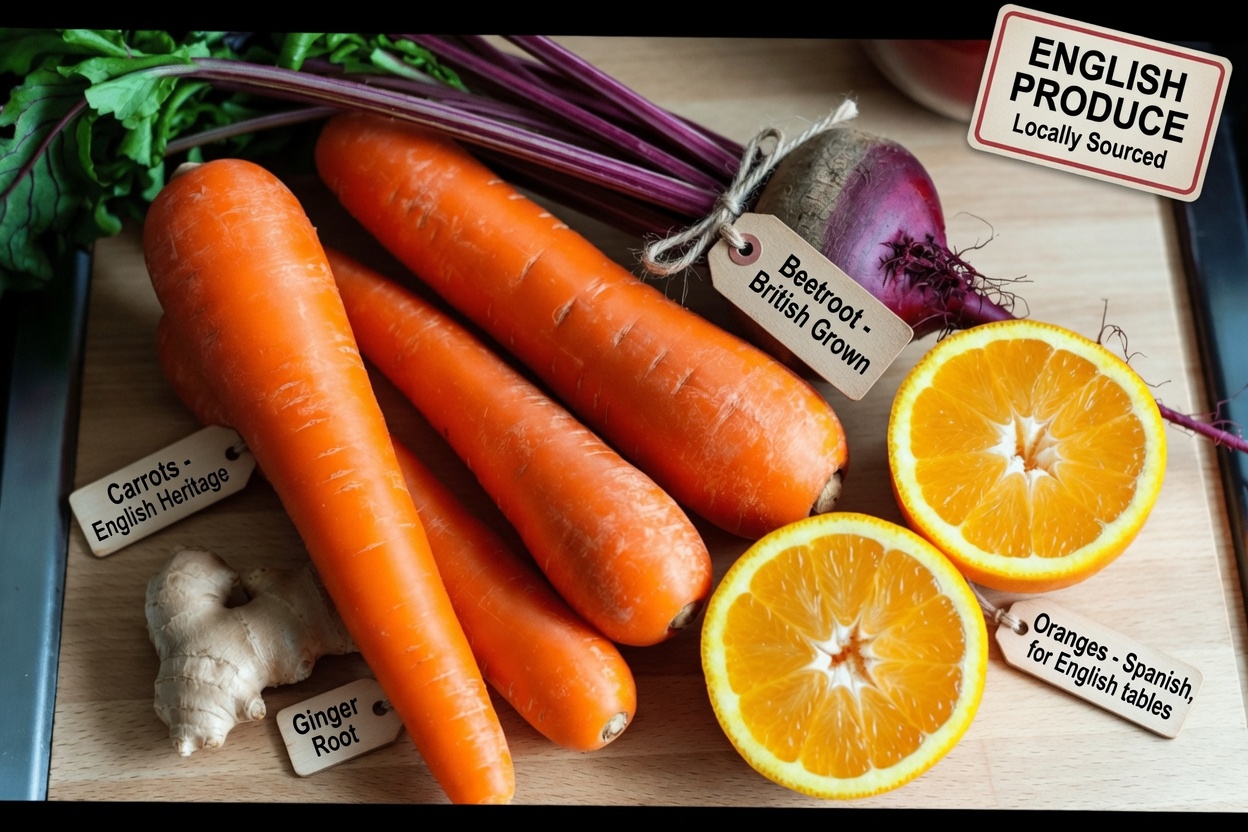
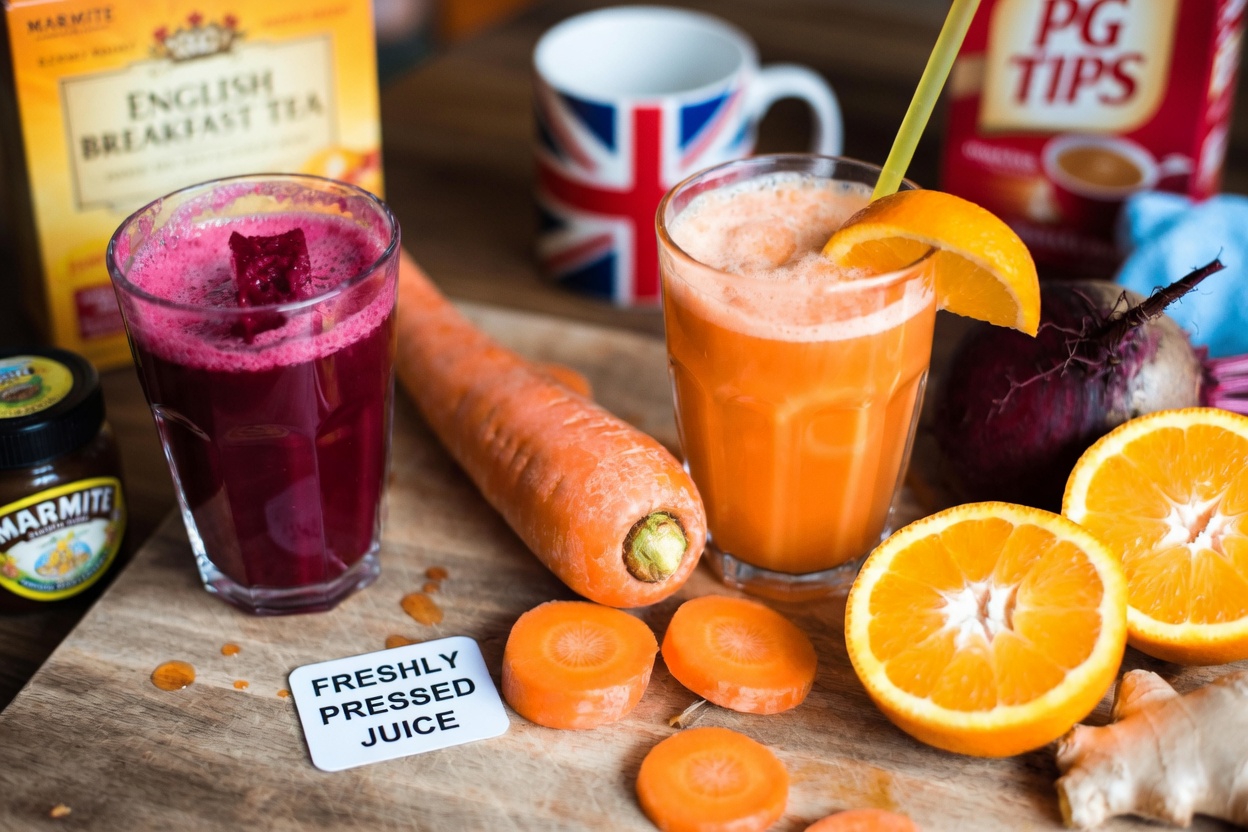
One of the most popular juice combinations associated with juicing enthusiasts influenced by Dr. Walker includes beets, carrots, oranges, and sometimes ginger. This blend combines earthy depth, natural sweetness, and a fresh citrus flavor while delivering a wide range of plant nutrients.
Key ingredients and their benefits
- Carrots: Rich in beta-carotene and other antioxidants. Some research on carrot juice has shown improvements in antioxidant status among participants.
- Beets: Their deep red color comes from betalains, and they also contain natural nitrates. Studies suggest beetroot juice may help support exercise performance and healthy blood flow through nitric oxide production.
- Oranges: A good source of vitamin C and natural sugars, which add flavor and a gentle energy boost.
- Ginger (optional): Brings a warming, spicy note and has long been used to support digestive comfort.
Many people enjoy this blend because it is both refreshing and visually vibrant. It is also easy to customize. Add more carrot for a sweeter taste, or increase the ginger if you want more bite.
How to Make Beet, Carrot, and Orange Juice at Home
Making fresh juice at home is simpler than many people expect. With a few basic steps, you can create a flavorful drink in minutes.
Step-by-step guide
-
Choose fresh produce
- When possible, use fresh organic ingredients to reduce pesticide exposure.
- Wash all fruits and vegetables thoroughly under running water.
-
Prepare the ingredients
- Peel the carrots and beets if you want a smoother, milder flavor, though keeping the skins may preserve extra nutrients.
- Peel and section the oranges, removing large seeds.
- Slice fresh ginger if you plan to use it.
-
Use the right juicer
- A quality juicer made for harder vegetables works best.
- Start with equal amounts of carrots and oranges, then use a smaller portion of beet, such as one small beet per serving, so the flavor does not become too strong.
-
Juice in order
- Begin with carrots and beets.
- Add oranges and ginger afterward.
- Stir well before drinking.
-
Drink it fresh
- Fresh juice is best consumed right away.
- If you need to store it, place it in an airtight glass container in the refrigerator and drink it within 24 hours.
If you are new to juicing, begin with a smaller serving, around 8 to 12 ounces, and see how your body responds.
Tips for Building a Lasting Juicing Habit
If you want juicing to become a sustainable part of your routine, a few simple habits can make it easier.
- Change ingredients regularly: Rotate fruits and vegetables each week. You can add spinach, cucumber, or other greens for variety and hydration.
- Do not rely on juice alone: Fresh juice works best as a supplement to a balanced diet, not as a full replacement for meals.
- Clean your juicer immediately: Washing it right after use saves time and makes the process much less frustrating.
- Pay attention to how you feel: If beet juice feels too intense at first, reduce the amount and build up gradually.
Juicing vs. eating whole produce
Both methods offer benefits, and combining them is often the smartest approach.
-
Juicing
- Convenient for busy mornings
- Helps you consume a larger volume of produce quickly
- May allow faster absorption of certain nutrients
-
Whole fruits and vegetables
- Provide fiber for digestion and satiety
- Support gut health
- Often keep you fuller for longer
Most nutrition professionals suggest using both fresh juice and whole produce as part of a varied, balanced eating pattern.
What Research Says About These Juice Ingredients
Several studies have looked at the nutrients and compounds found in common juice ingredients. For example, published research has examined how carrot juice may improve antioxidant levels in the bloodstream. Beetroot juice has also received attention for its possible cardiovascular benefits, largely due to natural nitrates that the body converts into nitric oxide.
Vitamin C from oranges is well known for supporting immune function and skin health. Ginger contains active compounds such as gingerol, which is traditionally linked to digestive soothing.
Even though these findings are encouraging, fresh juice is not a substitute for professional medical care. Every person responds differently to changes in diet. Juicing works best when it is part of a healthy lifestyle that also includes exercise, sufficient sleep, and stress control.
Common Questions About Fresh Juicing
How often should I drink fresh vegetable juice?
Many people begin with one glass a day, usually in the morning. You can adjust the amount depending on your energy levels and how your body reacts. Variety across your entire diet is still essential.
Can juicing support weight management?
Fresh juice can fit into a calorie-conscious eating plan because it is naturally low in fat. However, since juice contains much less fiber than whole produce, it may not keep you satisfied for as long. It is best used alongside balanced meals rather than in place of them.
Is it okay to drink beet juice daily?
For most healthy adults, moderate amounts are generally well tolerated. Beet juice can temporarily turn urine or stool red or pink, which is harmless and known as beeturia. If you have kidney issues or take certain medications, speak with your healthcare provider before drinking it regularly.
Final Thoughts
Dr. Norman Walker’s story continues to inspire people because it highlights the power of simple, consistent habits centered on fresh produce. While juicing is not a magic solution, it can be an enjoyable and practical way to increase your intake of vitamins, minerals, and plant nutrients.
A fresh blend of beets, carrots, oranges, and ginger offers flavor, color, and nutritional variety in one glass. When paired with whole foods and a balanced lifestyle, it can become a valuable part of your daily wellness routine.