
Cloves and Cinnamon for Hair Care: A Simple Natural Rinse to Support Scalp Health
Many people begin to see noticeable changes in their hair with age. Hair may seem finer, growth can feel slower, and shedding often becomes more obvious in the shower or on a hairbrush. In many cases, these changes are linked to common issues such as stress, hormone shifts, and scalp buildup, all of which can affect circulation and follicle function. It can be discouraging when the products and routines that once worked no longer provide the same fullness, softness, or shine.
What if two familiar kitchen spices could help create a healthier scalp environment? Cloves and cinnamon are increasingly discussed in natural wellness spaces for their possible role in supporting scalp care and circulation. This guide breaks down the science behind this pairing, explains how to make an easy at-home rinse, and shares practical ways to add it to your routine. Read on to see how this fragrant combination may complement your hair care habits.

Why Hair Often Changes After 30
On average, hair grows about half an inch each month, but that pace and the overall look of hair can vary widely from person to person. After age 30, several factors may influence hair quality, including hormonal fluctuations, ongoing stress, and less efficient nutrient delivery to the scalp. Many adults start to notice wider part lines, reduced shine, flatter roots, or more strands collecting in the drain.
Health surveys suggest that thinning and excess shedding are common concerns for a large number of adults. Unfortunately, this can lead to a frustrating cycle: when hair feels weaker or less dense, people may style it more aggressively, which increases breakage and can make hair appear even thinner. The encouraging part is that simple, supportive scalp habits may help preserve stronger, healthier-looking hair over time.
Interest is also growing around natural ingredients that can encourage circulation and provide gentle cleansing without relying on harsh formulas.
What Makes Cloves and Cinnamon Popular in Natural Hair Care?
Cloves are rich in eugenol, a compound studied for its antioxidant, antimicrobial, and circulation-supporting potential. Early research, including animal-based studies, suggests that eugenol may help calm the scalp, reduce oxidative stress, and improve blood flow around hair follicles, which may support nutrient delivery.
In one animal study, clove oil diluted in a carrier appeared to improve conditioning and support hair growth more effectively than a control. Its anti-inflammatory properties may also help ease scalp irritation, which can interfere with a healthy hair cycle.
Cinnamon contains cinnamaldehyde, a compound known for promoting blood vessel expansion and improving circulation. Animal studies have explored cinnamon oil in relation to hair length, with some results showing effects comparable to standard treatments. This may be due to improved delivery of oxygen and nutrients to the roots.
More recent laboratory research on related compounds, including cinnamic acid, has pointed to activation of pathways associated with follicle activity in organoid models.
Together in a rinse or infusion, cloves and cinnamon may offer a gentle combination that helps cleanse the scalp, reduce buildup, and support a more nourished foundation for hair. Human clinical evidence is still limited, but early findings and anecdotal use suggest this blend may help hair look shinier, softer, and more resilient when used consistently.
Possible Benefits of a Clove and Cinnamon Hair Rinse
This spice-based rinse may provide several supportive effects for the scalp and hair:
- Better circulation to help roots receive nutrients more efficiently
- Antimicrobial support for a cleaner scalp environment
- Antioxidant protection against everyday stress that can affect strands
- Soothing effects that may calm mild irritation
- Moisture support for hair that feels softer and less fragile
Quick Overview of Potential Benefits
| Concern | How Cloves + Cinnamon May Help | Evidence Level |
|---|---|---|
| Thinning-looking hair | May support follicle nourishment through improved circulation | Animal studies + anecdotal reports |
| Hair seems to grow slowly | Better blood flow may help feed the roots | Lab and animal support |
| Increased shedding | May help by reducing irritation and supporting stronger strands | Indirect evidence + user reports |
| Dull or itchy scalp | Gentle cleansing and soothing properties | Promising antimicrobial data |
| Breakage | Antioxidant support may help protect hair structure | Preliminary research |
These effects should be viewed as supportive rather than guaranteed. Results depend on factors such as genetics, diet, scalp condition, and consistency.
How to Make a Clove and Cinnamon Hair Rinse at Home
This recipe is simple, affordable, and made with common pantry ingredients.
Ingredients
- 1 to 2 tablespoons whole cloves or ground cloves
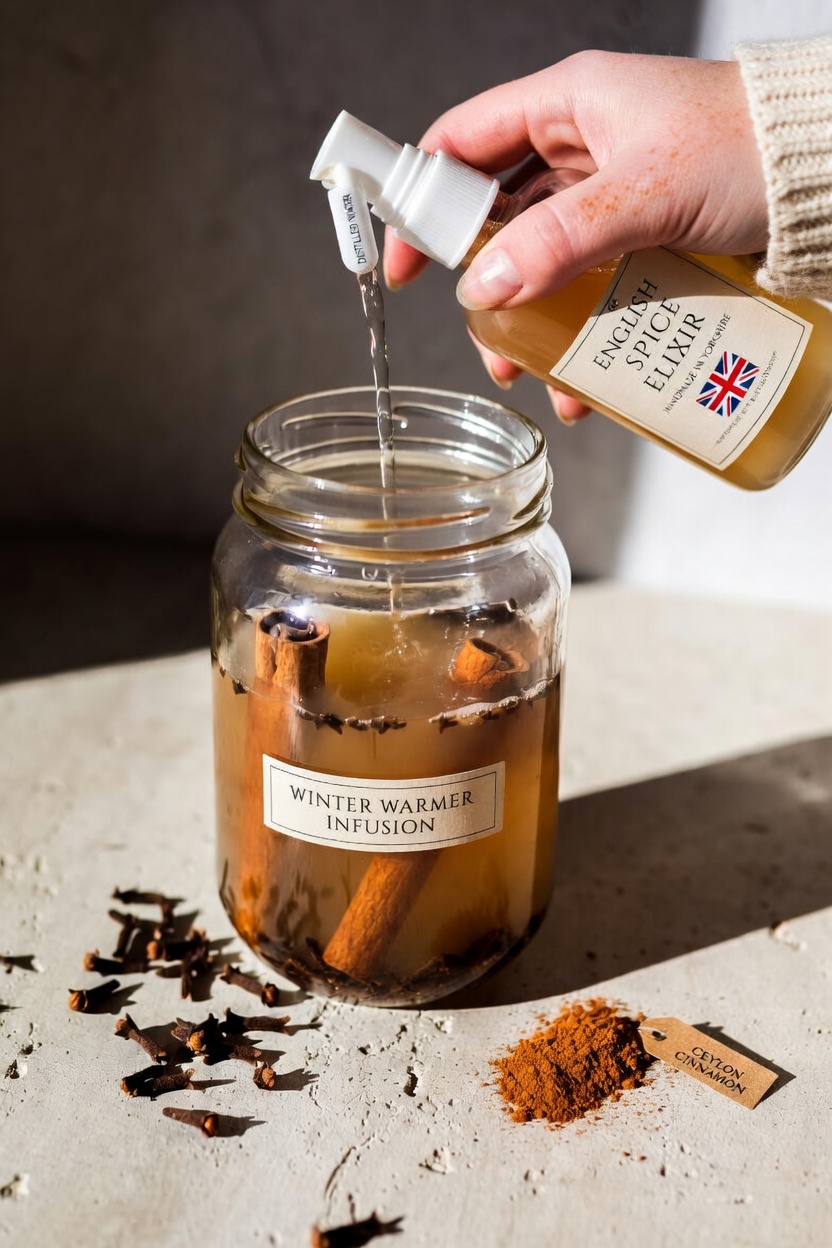
- 1 to 2 teaspoons ground cinnamon or 1 to 2 cinnamon sticks
- 1.5 to 2 cups hot water
Preparation
- Add the cloves and cinnamon to a heat-safe bowl or jar.
- Pour the hot water over the spices.
- Stir well to combine.
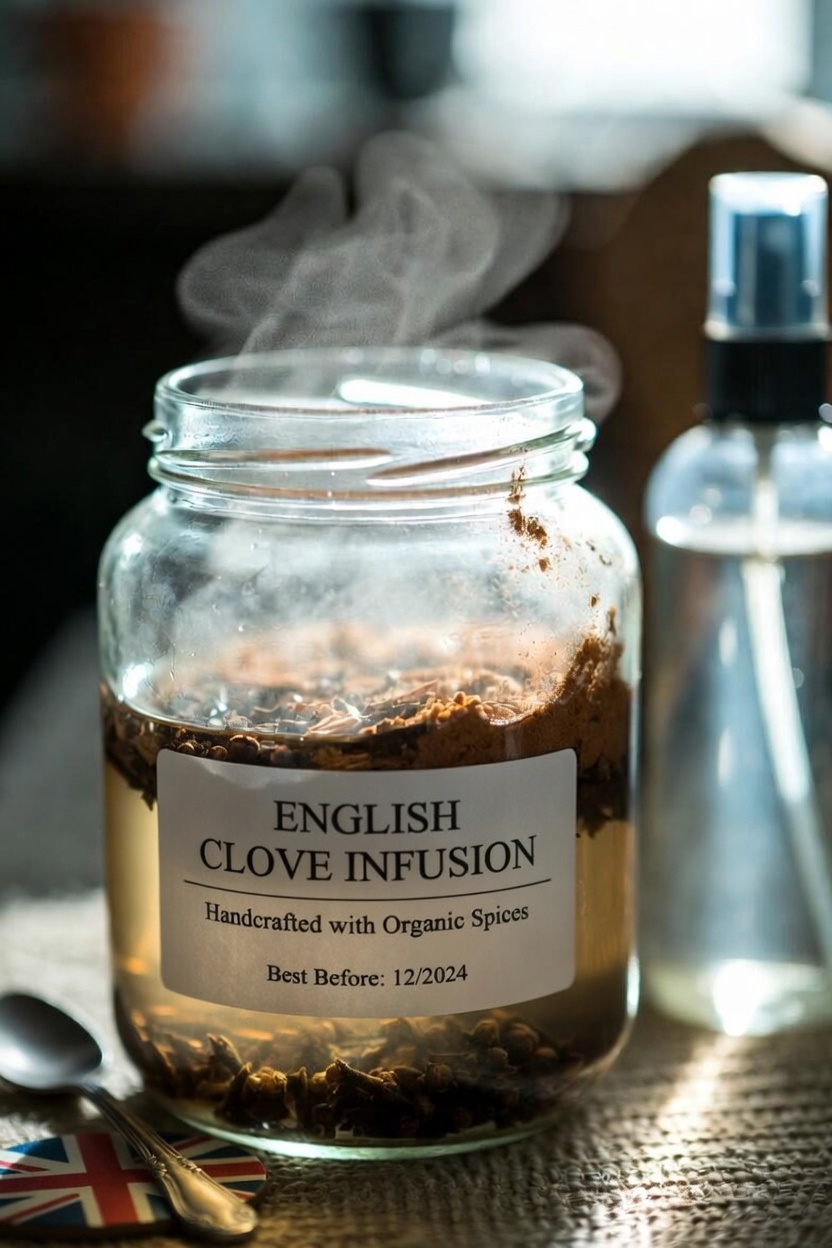
- Cover the container and let it steep for 8 to 48 hours.
- For a stronger infusion, let it sit for 24 hours or longer.
- Strain thoroughly using a fine mesh strainer, cheesecloth, or coffee filter so no particles remain.
How to Use It
- Once cooled, transfer the liquid to a spray bottle.
- Apply it after shampooing or use it on dry hair.
- Spray generously onto the scalp and through the lengths.
- Massage gently for 5 to 10 minutes to encourage circulation.
- Leave it in as a treatment or rinse it out after 30 to 60 minutes.
- Use it 3 to 4 times per week for the best routine consistency.
Helpful Tip
Follow with a small amount of a light carrier oil, such as coconut oil or olive oil, on the ends to help seal in moisture and improve softness. Always do a patch test before full use to make sure your skin tolerates the mixture well.
Tips to Get Better Results
To make the most of this natural hair rinse, try combining it with a few supportive habits:
- Eat a balanced diet with enough protein, vitamins, and minerals
- Good options include eggs, nuts, seeds, and leafy greens
- Practice daily scalp massage, even on days when you do not use the rinse
- Take progress photos every 4 weeks in similar lighting
- Be patient, as changes in shine or shedding may take 4 to 12 weeks
- Handle hair gently by avoiding tight hairstyles and too much heat styling
Some people also like adding a small amount of fresh ginger to the infusion for a warmer, circulation-focused feel.
Consistency Matters Most
The biggest benefit of this approach comes from using it regularly as part of a broader wellness routine. Managing stress, drinking enough water, and choosing nourishing hair products all play a role in supporting healthier-looking hair over time.
Even a simple step like making one batch of this rinse can be a useful starting point. Over time, small habits may lead to hair that feels softer, looks brighter, and seems more full of life.
FAQ
How long should cloves and cinnamon steep for a hair rinse?
For a stronger infusion, let the mixture sit for 24 hours or more. If you are short on time, even 8 hours can still provide a usable rinse. A longer steep generally draws out more of the active compounds.
Can I use this rinse every day?
It is best to begin with 3 to 4 times per week so you can see how your scalp responds. Some people may tolerate more frequent use, but it is important to watch for dryness or sensitivity and adjust as needed.
Is it suitable for colored or chemically treated hair?
Cinnamon may leave a slight warm tone over time, especially on lighter or processed hair. If your hair is dyed, bleached, or chemically treated, test the rinse first on a small hidden section.
Important Note
This article is for informational purposes only and does not replace medical advice. Speak with a qualified healthcare professional before trying new remedies, especially if you have scalp disorders, allergies, or ongoing hair concerns.