Nail Lines After 40: What They May Reveal About Your Health
As you get older, changes in your nails can become more noticeable. Some lines and ridges are simply part of normal aging, while others may point to nutritional deficiencies, illness, or more serious health concerns. Paying attention to these changes can help you catch potential problems early.
1. Vertical Ridges on the Nails
Usually harmless
Vertical ridges, also called longitudinal lines, run from the base of the nail to the tip. In many people over 40, these are a normal sign of aging.
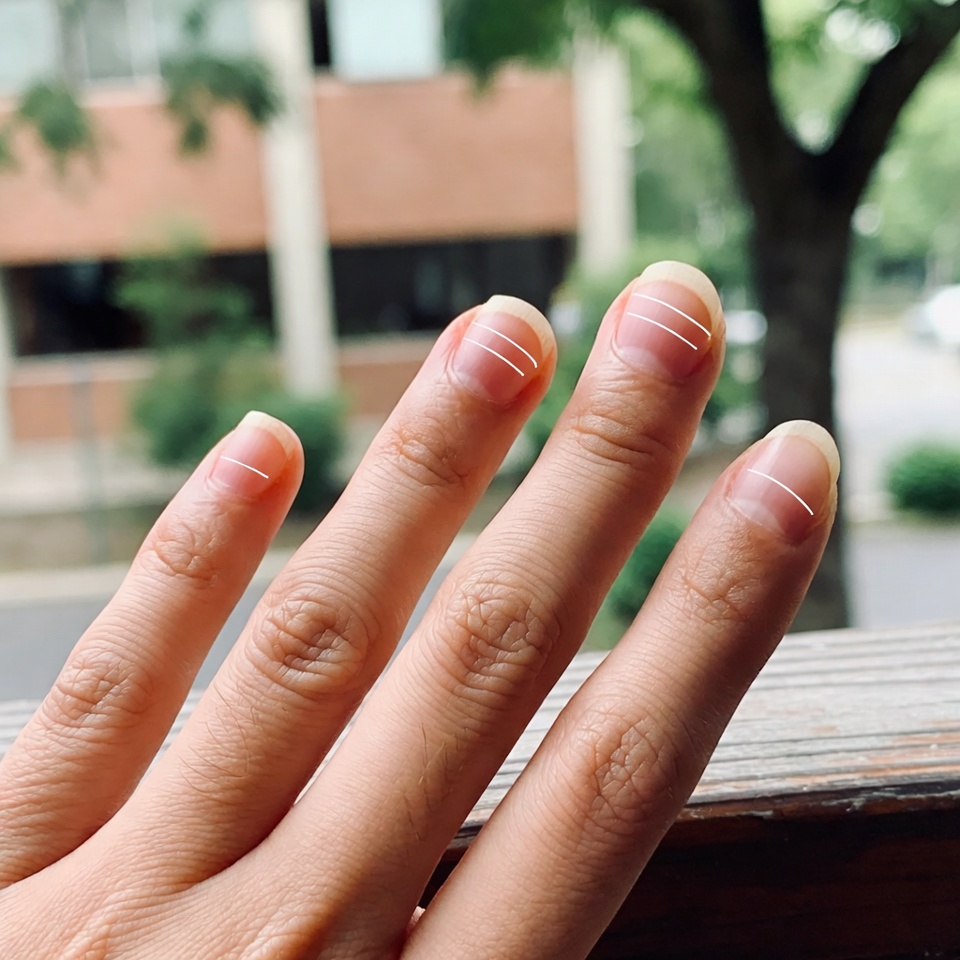
- What they often mean: Nail growth naturally slows with age, and this can cause ridges to appear.
- When to pay attention: If the ridges become very pronounced or are accompanied by other nail changes, they may be linked to:
- Iron, vitamin B12, or magnesium deficiency
- Dehydration
- Reduced circulation
- Brittle nails or discoloration
Mild vertical ridges are common, but deeper changes should not be ignored.
2. Horizontal Ridges on the Nails (Beau’s Lines)
Potentially more serious
Horizontal grooves that stretch across the nail are known as Beau’s lines. These usually suggest that nail growth was temporarily interrupted.
- What they may indicate: Your body may have gone through a period of significant stress or illness.
- Possible causes include:
- Serious infection or illness, such as COVID-19, influenza, or pneumonia
- Diabetes or poorly controlled blood sugar
- Thyroid problems
- Chemotherapy
- Major physical stress
- Malnutrition or zinc deficiency
Important: Beau’s lines are often a visible sign that the body experienced a major health event severe enough to slow or stop nail growth for a time.
3. Dark Lines Under the Nail (Melanonychia)
Needs prompt attention
A dark vertical streak beneath the nail, especially if it appears on only one nail, should be evaluated carefully.
- What it can mean: In some cases, it may be related to subungual melanoma, a rare but dangerous form of skin cancer.
- Who is more at risk: This is more commonly seen in people over 40.
- Other possible causes: Nail trauma or certain medications can also lead to dark streaks.
However, if the line becomes darker, wider, uneven, or starts spreading, it is important to act quickly.
See a dermatologist immediately if the line is dark, irregular, or changing over time.
4. White Lines or White Spots on the Nails (Leukonychia)
White spots or lines are often harmless, but persistent changes can sometimes reflect an underlying issue.
- Common causes:
- Minor nail injury
- Zinc deficiency
- If widespread or ongoing, they may be associated with:
- Liver disease
- Low protein levels
- Low albumin levels
Occasional white spots are common, but repeated or extensive changes deserve medical attention.
5. Red or Brown Streaks Under the Nails (Splinter Hemorrhages)
These appear as tiny red, rust-colored, or brown lines beneath the nail and can resemble splinters.
- What they might suggest:
- Endocarditis, an infection of the heart lining
- Autoimmune disease
- High blood pressure
- Nail trauma
While injury is a frequent cause, unexplained splinter hemorrhages can sometimes signal a more serious medical condition.
What You Should Do
Your nails can reflect what is happening inside your body, much like your skin or eyes. Changes in color, texture, or shape should not always be dismissed as cosmetic.
Pay close attention if you notice:
- New lines that were not there before
- Dark streaks
- Deep ridges
- Spreading discoloration
- Nail changes that continue to worsen
Consider asking your doctor about testing for:
- Vitamin deficiencies, especially:
- Vitamin B12
- Iron
- Zinc
- Thyroid function
- Blood sugar levels, including A1C
- Liver function
- Kidney function
Final Thought
Not every nail line is a warning sign, especially after 40, when some changes are a natural part of aging. But certain patterns, particularly dark, deep, horizontal, or spreading lines, can be clues that your body is under stress or dealing with a health issue. Monitoring your nails regularly may help you recognize early signs of problems before they become more serious.