
A Simple Evening Habit That May Help Support Steady Blood Sugar
Keeping blood sugar levels stable can feel difficult, especially when work, stress, irregular meals, and changing food choices all affect the body in different ways. Sudden highs and lows may leave you feeling drained, moody, or concerned about long-term wellness. They can also make it harder to unwind at night and wake up feeling truly rested.
One gentle habit some people add to their evening routine is drinking a warm cup of herbal tea. Among the many options available, chamomile stands out as a surprisingly interesting choice. In this article, we’ll explore how chamomile tea may fit into a balanced lifestyle and why it has gained attention for its possible connection to overnight blood sugar support. At the end, you’ll also find an easy recipe you can try at home.
Why Blood Sugar Balance Can Be Hard to Maintain
Blood sugar, also called glucose, is the body’s primary fuel source. Even so, maintaining a healthy balance is not always easy. Daily factors such as food intake, emotional stress, activity level, and sleep quality can all influence glucose levels.
For example, a dinner high in refined carbohydrates may lead to a spike in blood sugar, followed by an energy drop later on. Over time, these repeated swings can become frustrating and exhausting.
According to information from organizations such as the American Diabetes Association, lifestyle habits, including what you eat or drink in the evening, may play a role in overnight glucose patterns.

That leads to an important question: can natural, calming beverages like chamomile tea become part of a supportive nighttime routine?
What Is Chamomile Tea?
Chamomile tea is made from the dried blossoms of the chamomile plant. It is known for its light floral aroma and mildly sweet, apple-like taste.
People have used chamomile for generations in many parts of the world, mainly because of its soothing and relaxing qualities. Beyond comfort, researchers have also examined its natural plant compounds for potential wellness benefits.
Studies published in sources such as the Journal of Agricultural and Food Chemistry report that chamomile contains antioxidants, including apigenin. These compounds may help support overall health and certain metabolic processes.
What makes chamomile especially interesting is that some early research has also looked at its possible role in glucose regulation.
How Chamomile May Be Linked to Blood Sugar Support
Research on chamomile and blood sugar is still developing, but some findings are promising. Animal studies, including one published in Molecular Medicine Reports, suggest chamomile extracts may assist with glucose uptake in cells.
Human research is more limited, yet reviews in publications such as Phytotherapy Research have pointed to possible benefits for glycemic control in certain populations.
This does not mean chamomile tea should be viewed as a treatment on its own. Instead, it may serve as a gentle addition to healthy routines that already include balanced meals, movement, and good sleep habits.
Consistency matters most. A small habit practiced regularly may offer more value than occasional use.
How to Make Chamomile Tea at Home
Preparing chamomile tea is quick and uncomplicated, which makes it easy to add to your evening schedule.
Basic Preparation Steps
- Choose high-quality dried chamomile flowers or chamomile tea bags from a trusted brand.
- Heat fresh water to about 200°F for best infusion.
- Add:
- 1 teaspoon of loose dried chamomile flowers, or
- 1 tea bag per cup
- Let the tea steep for 5 to 10 minutes.
- If using loose flowers, strain before drinking.
- Enjoy it plain, or add a small amount of honey if preferred.
This simple process only takes a few minutes and can easily become part of a calming bedtime ritual.

Potential Benefits of Drinking Chamomile in the Evening
One reason chamomile is often chosen at night is its long-standing reputation for promoting relaxation. This matters because stress may influence blood sugar levels.
When the body is under stress, hormones such as cortisol can rise. Elevated stress hormones may contribute to increased glucose levels in some people. A calming beverage before bed may help create a more restful mental and physical state.
Research in the Journal of Clinical Pharmacy and Therapeutics found that chamomile may help improve sleep quality in some participants. Better sleep is often associated with stronger metabolic health and improved overall well-being.
So while chamomile may not directly transform blood sugar overnight, its relaxing effects could support the bigger picture.
Important Compounds Found in Chamomile
Chamomile contains several naturally occurring compounds that are often highlighted in research.
Key Components
- Apigenin
- An antioxidant that may influence inflammation-related cellular activity.
- Flavonoids
- Plant compounds associated in some studies with cardiovascular and vascular support.
- Bisabolol
- Known for its soothing properties and possible digestive benefits.
Together, these compounds help explain why chamomile continues to attract interest in wellness and nutrition discussions.
Chamomile vs. Other Popular Herbal Teas
Different teas offer different benefits. Chamomile has a unique place because it is naturally caffeine-free and especially well suited to nighttime use.
| Tea Type | Main Benefits | Flavor Profile | Caffeine Level |
|---|---|---|---|
| Chamomile | Calming effects, possible glucose support | Mild, floral | None |
| Peppermint | May aid digestion | Cool, minty | None |
| Green Tea | Rich in antioxidants | Grassy, slightly bitter | Low |
| Ginger Tea | Often linked to anti-inflammatory support | Warm, spicy | None |
This comparison shows why chamomile is often preferred before bed.
How to Add Chamomile Tea to a Healthy Lifestyle
To get the most from any wellness habit, it helps to combine it with other supportive choices.
Helpful Lifestyle Pairings
- Eat balanced meals built around:
- vegetables
- lean proteins
- fiber-rich foods
- minimally processed carbohydrates
- Take a short evening walk after dinner.
- Try light stretching, breathing exercises, or gentle yoga.
- Keep a simple journal to track how you feel after several days of use.
Many people notice only subtle changes at first, which is completely normal. The goal is not to depend on one single habit, but to create a routine that supports your body over time.
Common Myths About Herbal Tea and Health
Herbal teas are often praised as quick solutions, but expectations should stay realistic.
Some people assume a cup of tea can dramatically improve health markers overnight. In reality, any effects are usually gradual, and results differ from person to person.
It is also important to choose quality products. Organic or carefully sourced chamomile may reduce the risk of unwanted contaminants.
Reliable information and mindful use are always better than exaggerated claims.
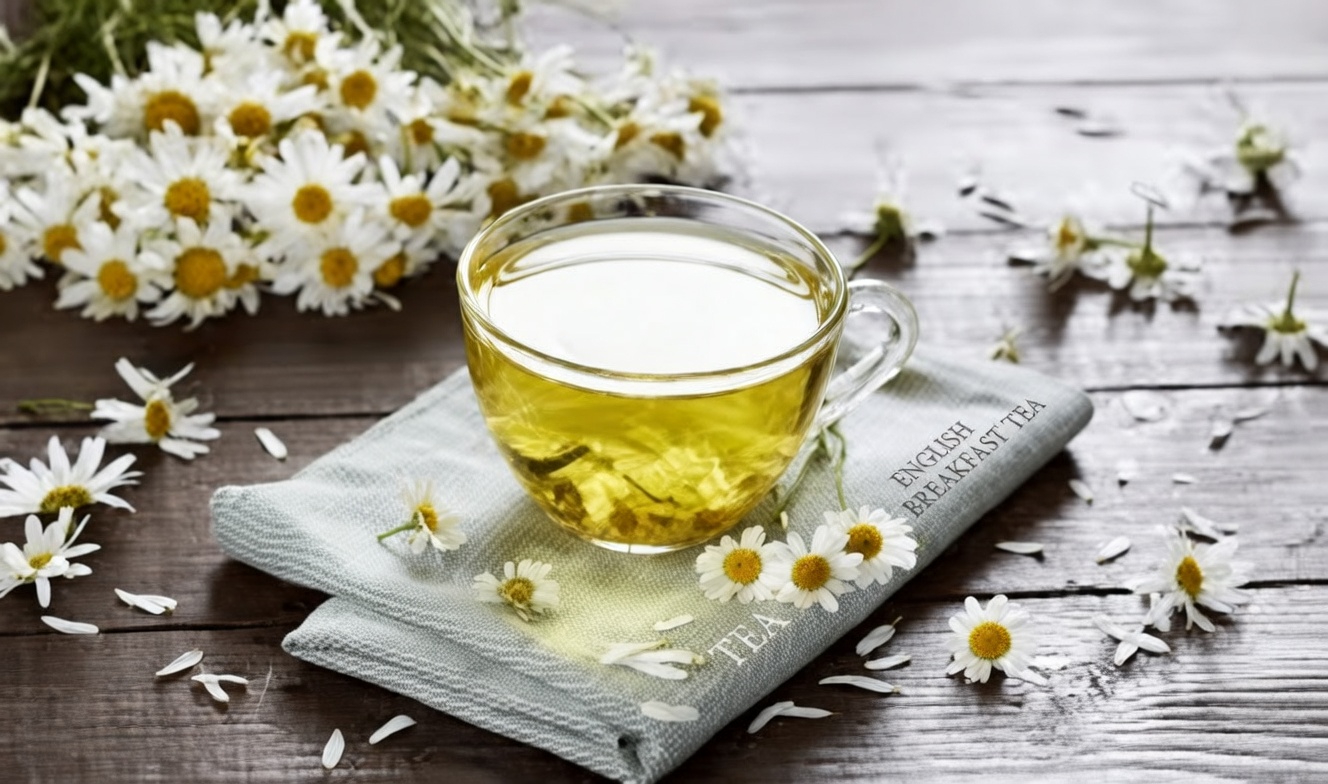
Easy Ways to Upgrade Your Chamomile Routine
If you want to keep your evening tea habit interesting, there are a few simple ways to vary the flavor without making it complicated.
Simple Add-Ins to Try
- Lemon
- Adds freshness and a light citrus note
- May contribute a small amount of vitamin C
- Cinnamon
- Brings warmth and extra flavor
- Has also been studied for possible metabolic support
- Honey
- A touch of sweetness, if desired
- Best used sparingly
Start with plain chamomile first so you can get familiar with its natural taste before experimenting with additions.
Beginner Tips
- Start with one cup per evening.
- Use a timer to avoid over-steeping and bitterness.
- Keep dried chamomile in an airtight container.
- Pay attention to how your body responds over time.
Small adjustments can make the habit easier to enjoy and maintain.
What the Research Currently Suggests
Scientific interest in herbs and metabolism continues to grow. A meta-analysis published in the Journal of Endocrinological Investigation reviewed herbal ingredients, including chamomile, for their possible role in metabolic health.
The findings suggest chamomile may offer supportive benefits as part of a broader lifestyle approach. However, larger and more rigorous human studies are still needed before any firm conclusions can be made.
For now, chamomile tea remains a low-risk wellness practice for many people, especially when used sensibly and as part of an overall healthy routine.
Individual responses will vary, particularly depending on personal health conditions, medications, and daily habits.
A Gentle Way to End the Day
Adding chamomile tea to your bedtime routine may be a calming and practical way to support overall wellness, including healthy blood sugar habits. Its natural compounds, relaxing qualities, and easy preparation make it a simple choice for many evenings.
The best approach is to pair it with nutritious meals, steady routines, and proper rest. If you want to try it, here is the quick recipe:
Easy Chamomile Tea Recipe
- Boil water.
- Add 1 to 2 teaspoons of dried chamomile flowers.
- Steep for 5 minutes.
- Strain and sip slowly before bed.
A small nightly ritual can sometimes make a meaningful difference over time.
Frequently Asked Questions
When is the best time to drink chamomile tea for possible blood sugar support?
Many people prefer drinking it 30 to 60 minutes before bedtime. This allows time for relaxation without interfering with sleep.
Can chamomile tea interact with medications?
Chamomile is generally considered safe for many adults, but it may interact with certain medications, especially blood thinners or sedatives. It is best to speak with a healthcare professional if you take regular medication.
How much chamomile tea should you drink each day?
A common amount is one to two cups daily. Personal tolerance can vary, so it is wise to start modestly and adjust if needed.
Important Note
This article is for informational purposes only and should not be considered medical advice. Always consult a qualified healthcare professional before changing your diet, supplements, or daily habits, especially if you have an existing medical condition.