Eggshells for Joint and Bone Health: A Simple Kitchen Resource You Shouldn’t Ignore
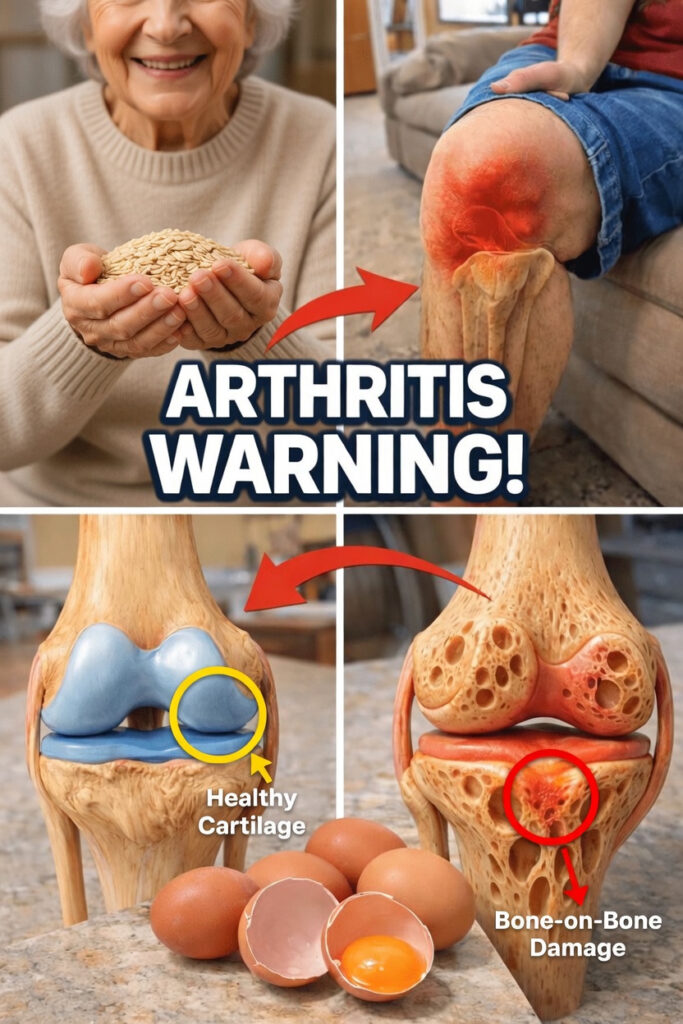
If eggs are part of your daily breakfast and the shells go straight into the bin, you may be throwing away something surprisingly useful. Many people never consider eggshells beyond their role in the kitchen, yet they contain nutrients that have drawn attention for bone support and joint comfort.
Aching knees, stiffness, and general joint discomfort can make ordinary tasks feel harder than they should. Climbing stairs, staying active, or even keeping up with family can become more difficult over time. As people get older, protecting bone strength and supporting healthy joints becomes increasingly important. That is why researchers have taken a closer look at natural nutrient sources that may help support long-term wellness.
One of those sources is the humble eggshell. Both the shell and the inner membrane have been studied for their nutritional value and possible role in joint and bone health. By the end of this article, you will also find an easy and safe way to prepare eggshell powder at home.
Why Eggshells Matter for Bones and Joints
Eggshells are not just kitchen waste. They are made up of about 95% calcium carbonate, making them an impressive natural calcium source. A single average shell contains around 750 to 800 mg of elemental calcium, which covers a large share of the daily calcium needs for most adults, typically about 1,000 to 1,200 mg depending on age and individual requirements.
Calcium plays a central role in maintaining strong bones, and studies suggest that regular intake from well-absorbed sources may help support bone mineral density over time.
The shell itself is only part of the story. Inside the shell is a thin membrane that contains collagen and other naturally occurring compounds, including glucosamine, chondroitin, and hyaluronic acid. These substances are often linked to joint health because they help form and support cartilage, connective tissue, and joint structure.

Several clinical studies have examined eggshell membrane supplements, often referred to as NEM or similar formulas. In randomized, double-blind, placebo-controlled trials, participants using eggshell membrane reported less joint pain and stiffness. Some even noticed improvement within about 10 days. A meta-analysis combining findings from multiple trials also reported better joint function and reduced discomfort compared with placebo.
Research on eggshell powder as a calcium source is also promising. Studies have found that calcium from eggshells is well absorbed and may perform as well as, or in some cases better than, standard calcium carbonate supplements. In areas such as bone support for postmenopausal women, eggshell-derived calcium has been associated with improved bone density markers and lower signs of bone breakdown.
What makes eggshells especially interesting is this combination: calcium from the shell together with bioactive compounds from the membrane. For people who prefer food-based options over isolated supplements, that whole-food appeal can be a major advantage.
Main Nutrients Found in Eggshells
Here is a closer look at what eggshells contain and why these components matter:
- Calcium carbonate: The dominant mineral in the shell, known for supporting bone maintenance and offering good bioavailability.
- Collagen and structural proteins: Found mainly in the membrane and important for connective tissue integrity.
- Glycosaminoglycans: Including small amounts of chondroitin and glucosamine, which are commonly discussed in relation to cartilage support.
- Hyaluronic acid: Helps with tissue hydration and joint lubrication.
- Trace minerals: Such as magnesium and strontium, which may have supporting roles in bone metabolism.
Some studies suggest these compounds may work together to support tissue health and influence inflammation-related markers, although responses can differ from person to person.
How to Make Eggshell Powder at Home
If you want to try eggshells as a natural calcium source, preparation matters. Proper cleaning and grinding are essential for safety and usability. Before adding any new supplement or homemade remedy to your routine, speak with your doctor, especially if you have a medical condition or take regular medication.
Step-by-Step Instructions
-
Collect and rinse the shells
- Save eggshells from clean eggs, ideally organic or free-range if available.
- Rinse them under warm water to remove any leftover egg residue.
-
Boil to improve safety
- Put the shells in boiling water for 5 to 10 minutes.
- This helps reduce the risk of bacteria.
-
Dry them completely
- Spread the shells out on a baking tray and let them air-dry overnight.
- You can also place them in the oven at low heat, around 200°F or 93°C, for 10 to 15 minutes until fully dry.

-
Grind into a fine powder
- Use a coffee grinder, blender, or mortar and pestle.
- Grind thoroughly until the texture is very fine.
- Sift the powder if needed to remove larger particles.
-
Store correctly
- Transfer the finished powder to an airtight container.
- Keep it in a cool, dry place and use it within a few months.
A common serving size is about ½ teaspoon, which is roughly equal to half an eggshell and provides around 400 mg of calcium. You can stir it into yogurt, smoothies, oatmeal, or baked foods. Begin with a small amount and pay attention to how your body responds.
Easy Ways to Use Eggshell Powder
Once prepared properly, eggshell powder can be added to everyday meals and drinks in small amounts. Practical ideas include:
- Mixing it into smoothies
- Stirring it into yogurt or oatmeal
- Adding it to muffins or homemade energy bites
- Sprinkling a small amount into soups or salads
- Blending it into tea or coffee for a mild mineral boost
For better calcium absorption, consider pairing it with foods rich in vitamin D, such as fatty fish.
It is important to remember that eggshell powder is not a replacement for a balanced diet, prescribed treatment, or professional medical advice.
What Studies Say About Eggshells
Scientific research has provided encouraging results on both eggshell membrane and eggshell calcium.
- Clinical trials using about 500 mg of eggshell membrane daily reported meaningful improvements in joint comfort and mobility, particularly in people with knee-related concerns.
- Studies on eggshell-derived calcium found that it is effectively absorbed and may support bone density, especially in age-related bone health settings.
- A systematic review and meta-analysis concluded that eggshell membrane may help reduce joint discomfort and improve physical function, while also showing a favorable safety profile.
These findings have appeared in peer-reviewed publications, including journals such as Journal of Medicinal Food and Nutrients, although more long-term studies would still be valuable.
Potential Benefits of Eggshell Preparations
Eggshell powder and membrane-related nutrients may offer several advantages:
- A natural calcium source that can help support daily intake
- Joint and bone support through a mix of minerals and bioactive compounds
- Low-cost and sustainable use of food waste
- Simple home preparation with basic kitchen tools
- Good tolerability in studies, with no major adverse effects commonly reported

Important Precautions
Even though eggshells show promise, they are not suitable for everyone.
Keep these points in mind:
- People with egg allergies should avoid eggshell preparations.
- Shells must be ground very finely to prevent rough or sharp particles.
- Only use clean eggshells and follow safe hygiene practices during preparation.
- If you have kidney issues, calcium metabolism disorders, or take medication that affects calcium levels, consult a healthcare professional first.
Like any wellness strategy, eggshell use works best as part of a broader healthy lifestyle that includes:
- Regular movement
- A nutrient-dense diet
- Healthy body weight management
- Proper medical guidance when needed
A Small Habit That Could Offer Real Value
Using eggshells instead of discarding them can be a practical, inexpensive, and eco-friendly way to increase calcium intake while exploring natural support for bone and joint health. For many people, it is appealing to turn a common kitchen leftover into something useful.
If this approach interests you, try the preparation method carefully and see whether it fits your routine. Just make sure any decision about supplements or dietary changes is guided by a healthcare professional who understands your personal needs.
FAQ
How much calcium does one eggshell contain?
A typical eggshell provides about 750 to 800 mg of elemental calcium. Around ½ teaspoon of finely ground eggshell powder, or roughly half a shell, gives close to 400 mg of calcium.
Is it safe to take eggshell powder every day?
Research on eggshell calcium and eggshell membrane suggests they are generally well tolerated. Still, it is best to start with a small amount and speak with a healthcare provider, especially if you have a medical condition or use medications that influence calcium balance.
Can eggshell powder replace regular joint supplements?
Eggshells offer a natural source of calcium and joint-related compounds, but they are not exactly the same as commercial joint supplements. They may be used as part of a broader wellness routine, rather than as a direct one-to-one substitute.