Small Body Changes After 60 May Not Be “Just Aging”
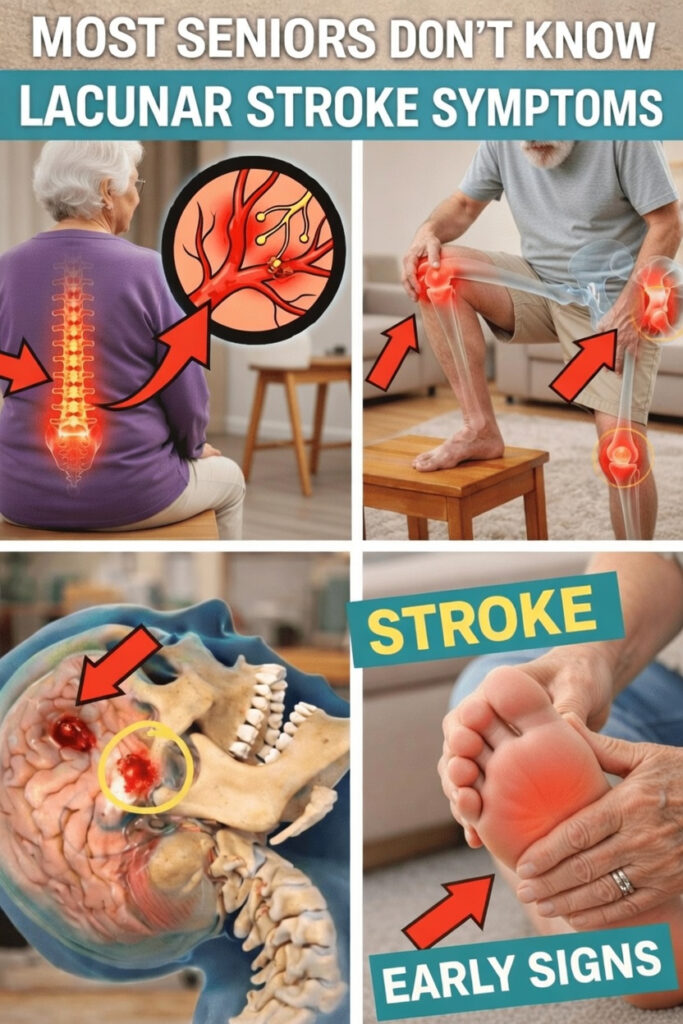
Many adults over 60 tend to dismiss minor physical changes as part of getting older. A brief spell of dizziness, a leg that feels numb, or a sudden loss of balance is often blamed on arthritis, fatigue, or normal wear and tear. However, these subtle symptoms can sometimes signal a lacunar stroke—a stroke caused by a blockage in the brain’s small, deep blood vessels. This condition affects many older adults every year.
The good news is that recognizing the warning signs early can lead to faster treatment and better outcomes. One symptom in particular—the fourth on this list—is the one most people overlook, even though it is easy to notice at home.
What Is a Lacunar Stroke?
A lacunar stroke occurs when one of the brain’s tiny deep arteries becomes blocked. These strokes account for roughly 20% of all strokes and are seen more often in people over 60, especially those with high blood pressure or diabetes.
Although lacunar strokes usually affect smaller areas of the brain than major strokes, they can still interfere with movement, speech, balance, and daily activities if they are not recognized in time. Health authorities, including the Cleveland Clinic, note that these strokes often begin quietly, which is why awareness is so important.
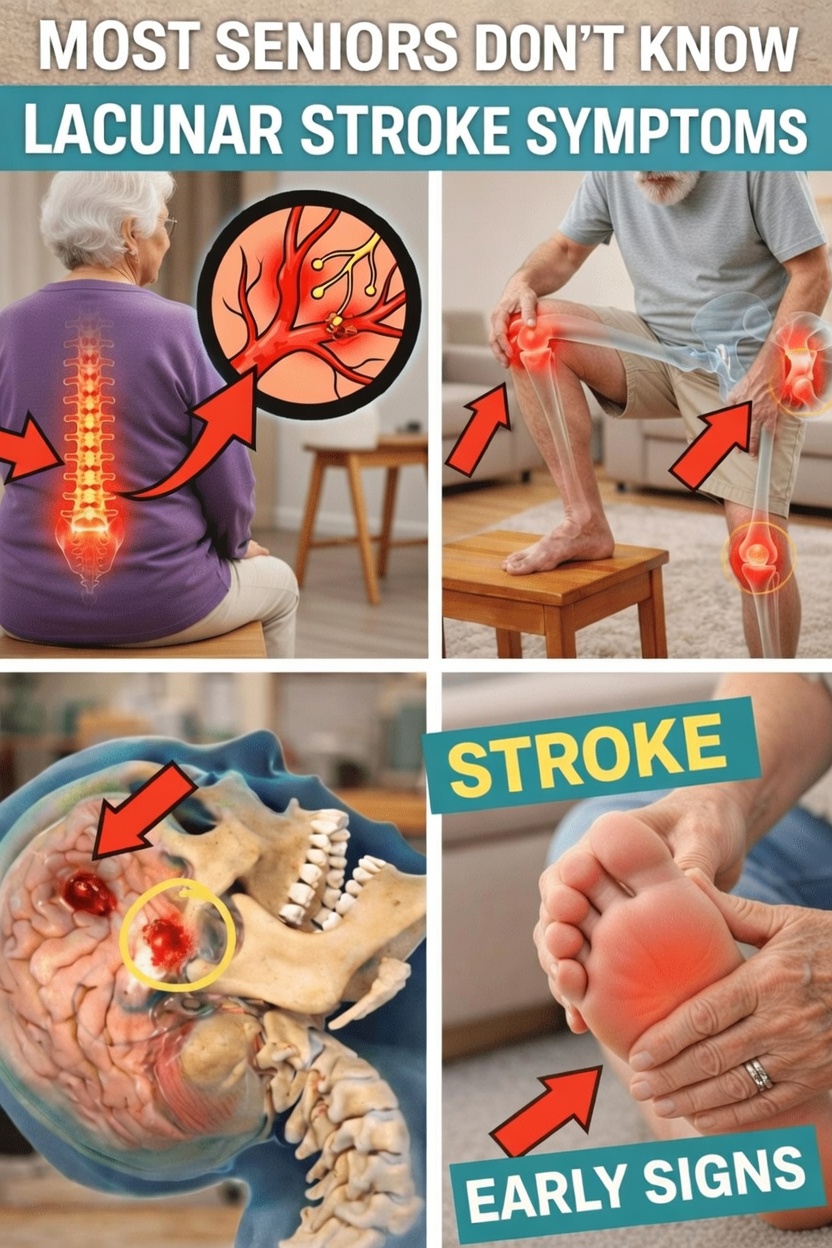
Symptoms often begin suddenly, but older adults may mistake them for common age-related issues. Knowing the most common warning signs can help you or a loved one respond quickly.
7 Lacunar Stroke Symptoms Seniors Often Miss
These warning signs usually appear without a clear cause and often come on fast. They may differ from person to person, but each one deserves attention.
1. Sudden weakness or numbness on one side of the body
You may notice that one arm or one leg suddenly feels weak, heavy, or tingling. Simple actions like holding a mug or walking across the room may suddenly feel harder than usual.
Many seniors assume this is caused by a pinched nerve or joint stiffness. In reality, one-sided weakness is a classic stroke warning sign and should never be ignored.
2. Slurred speech or trouble speaking clearly
Speech may suddenly sound thick, slow, or unclear. You may also struggle to find the right words or finish a sentence.
Because this can feel like simple tiredness, many people brush it off. But difficulty speaking can reflect a problem in the brain areas involved in language and speech control.
3. Facial drooping on one side
When smiling, one side of the face may not rise evenly. An eyelid or corner of the mouth may appear lower than normal.
This can be easy to miss, especially if the change is mild or short-lived. Still, facial drooping is one of the most noticeable signs of a stroke and should be taken seriously.
4. Sudden dizziness, poor balance, or difficulty walking
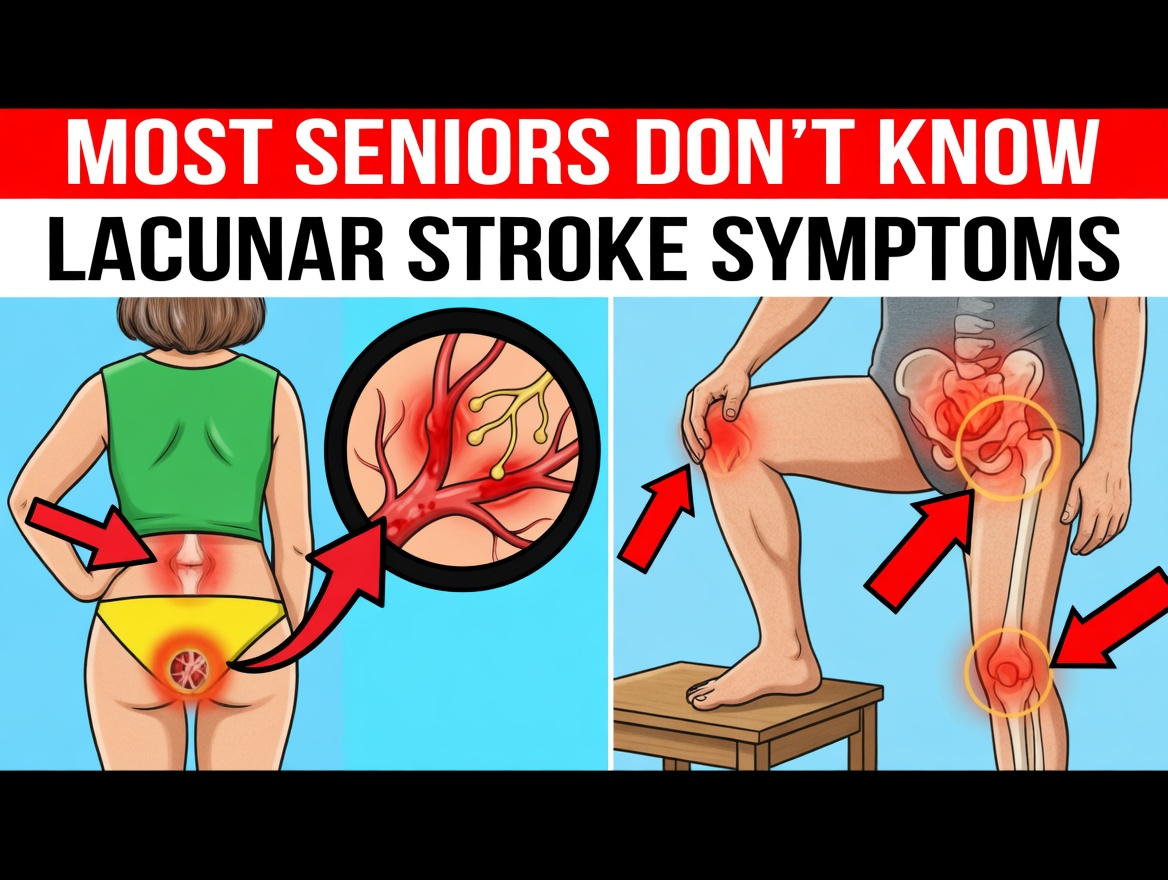
This is the warning sign most people fail to recognize. You may get out of bed and feel the room spinning, or suddenly feel unsteady while standing or walking. A knee may seem like it could give way for no obvious reason.
Older adults often blame this on inner ear problems, weak knees, or aging muscles. But balance problems can also result from deep areas of the brain affected by a lacunar stroke. Because it feels so ordinary at first, this sign is often missed until it becomes more serious.
5. Clumsiness or poor coordination in one hand
Tasks that are usually easy—buttoning clothes, picking up keys, holding utensils—may suddenly become awkward. One hand may feel unusually uncoordinated or shaky.
This is often mistaken for arthritis or hand fatigue, but sudden clumsiness on one side can point to a deeper neurological issue.
6. A sudden, intense headache with no clear reason
Although severe headache is less common in lacunar strokes than in other stroke types, it can still happen. The pain may appear abruptly and feel very different from an ordinary stress headache.
Some people assume it is caused by dehydration or tension. If a strong headache appears suddenly and without explanation, it should be evaluated immediately.
7. Sudden confusion or trouble understanding simple information
You may briefly feel mentally foggy, struggle to follow a conversation, or find it hard to understand something familiar, such as a TV program or a simple instruction.
Because occasional forgetfulness is common with age, this symptom is often overlooked. But sudden confusion—especially when it appears out of nowhere—can be a serious warning sign.
Why These Symptoms Are So Easy to Miss
One reason lacunar strokes are often overlooked is that the symptoms can be brief. They may come and go quickly, making people think the problem has passed. But even temporary symptoms can be a sign that something serious is happening.
The positive side is that you do not need any special device or medical training to notice these changes.
Quick At-Home Checks You Can Do in Under a Minute
If you want to stay alert to possible stroke symptoms, try these simple self-checks:
- Smile in a mirror and see whether one side of the face droops.
- Lift both arms and notice if one arm drifts lower.
- Say a simple sentence aloud and listen for slurred or unusual speech.
- Stand and walk a few steps to see if you feel dizzy or unstable.
- Touch your nose with each index finger and check whether one side feels less coordinated.

Doing these checks regularly—especially if you have high blood pressure, diabetes, or other stroke risk factors—can help you notice changes earlier. Many older adults feel more confident when they know what to watch for.
What to Do If Any Sign Appears
If any of these symptoms begin suddenly, do not wait to see whether they go away. Call emergency services immediately and try to note the exact time the symptoms started.
Fast treatment gives doctors the best chance to reduce harm and improve recovery. Even if the symptoms disappear after a few minutes, it is still important to get checked. A short episode may be an early warning of a larger stroke risk.
Why Stroke Awareness Matters Even More After 60
After age 60, the risk of lacunar stroke increases because small blood vessels can lose flexibility over time. Organizations such as the American Stroke Association stress that many seniors continue to live active, fulfilling lives after identifying warning signs early and getting proper care.
Understanding these symptoms is not meant to create fear. It is meant to give you the knowledge to act quickly when it matters most.
Conclusion
Learning the seven warning signs of a lacunar stroke can help older adults respond sooner and protect their health. The symptom most often ignored—sudden balance problems or trouble walking—is also one of the easiest to check.
A little awareness can go a long way. Share this information with family members and friends over 60, because noticing a small change today could make a major difference tomorrow.
FAQ
How is a lacunar stroke different from other strokes?
A lacunar stroke affects the brain’s small, deep blood vessels, while many other strokes involve larger arteries closer to the brain’s surface. Because of this, symptoms may be more focused, such as weakness, speech trouble, or poor coordination, rather than widespread confusion or major vision changes.
Can stroke symptoms appear briefly and then go away?
Yes. In some cases, symptoms may fade quickly. These short episodes may be transient ischemic attacks (TIAs) or temporary warning events. Even if the symptoms stop, medical attention is still essential because future stroke risk may be higher.
What habits can help reduce stroke risk after 60?
Healthy daily choices can help lower risk, including:
- Regular light to moderate physical activity
- A balanced, heart-healthy diet
- Good blood pressure control
- Managing diabetes carefully
- Routine medical checkups
Always speak with your healthcare provider before making major lifestyle changes.