
Smart Vegetable Choices for Better Blood Sugar Control
Living with diabetes usually involves being more intentional about everyday meals. From portion sizes to carbohydrate intake, even simple food decisions can feel mentally draining when your goal is to keep blood sugar stable. Many people feel more at ease when they center their meals around fresh, minimally processed foods, and vegetables are one of the best places to start. They are naturally lower in carbohydrates, rich in fiber, and full of important nutrients.
What makes the biggest difference, however, is choosing the right kinds of vegetables. Certain varieties stand out for their ability to support blood sugar management while still being easy to prepare and enjoy. By the end, you will also learn a quick and practical way to use one especially versatile vegetable in your daily routine.
Why Non-Starchy Vegetables Matter
Non-starchy vegetables should take up a major portion of the plate, especially for people managing diabetes. The American Diabetes Association recommends filling half your plate with these vegetables because they are low in calories and carbs while providing fiber that slows digestion and helps reduce sudden rises in blood sugar.
They also offer far more than blood sugar support alone. These vegetables deliver vitamins, minerals, and antioxidants that help the body function well overall. Increasing your intake is one of the simplest nutrition strategies for supporting metabolic health without turning meals into a complicated math exercise.

9 Best Vegetables to Include More Often
These nine vegetables combine strong nutritional value with real-life convenience. Each one can help make healthy eating more manageable and sustainable.
- Broccoli: Rich in fiber and beneficial compounds such as sulforaphane, which may support glucose metabolism.
- Spinach: A good source of magnesium, an important mineral involved in insulin function.
- Kale: Dense in nutrients and antioxidants that support overall wellness.
- Cauliflower: A low-carb alternative to heavier side dishes like rice or potatoes.
- Zucchini: High in water and fiber, making meals more filling without adding many carbs.
- Cucumber: Hydrating, crisp, and extremely low in carbohydrates.
- Bell peppers: Colorful and crunchy, with plenty of vitamin C.
- Green beans: Easy to cook, affordable, and naturally satisfying.
- Asparagus: Light, flavorful, and a good source of fiber and folate.
1. Broccoli: A Top Choice Backed by Research
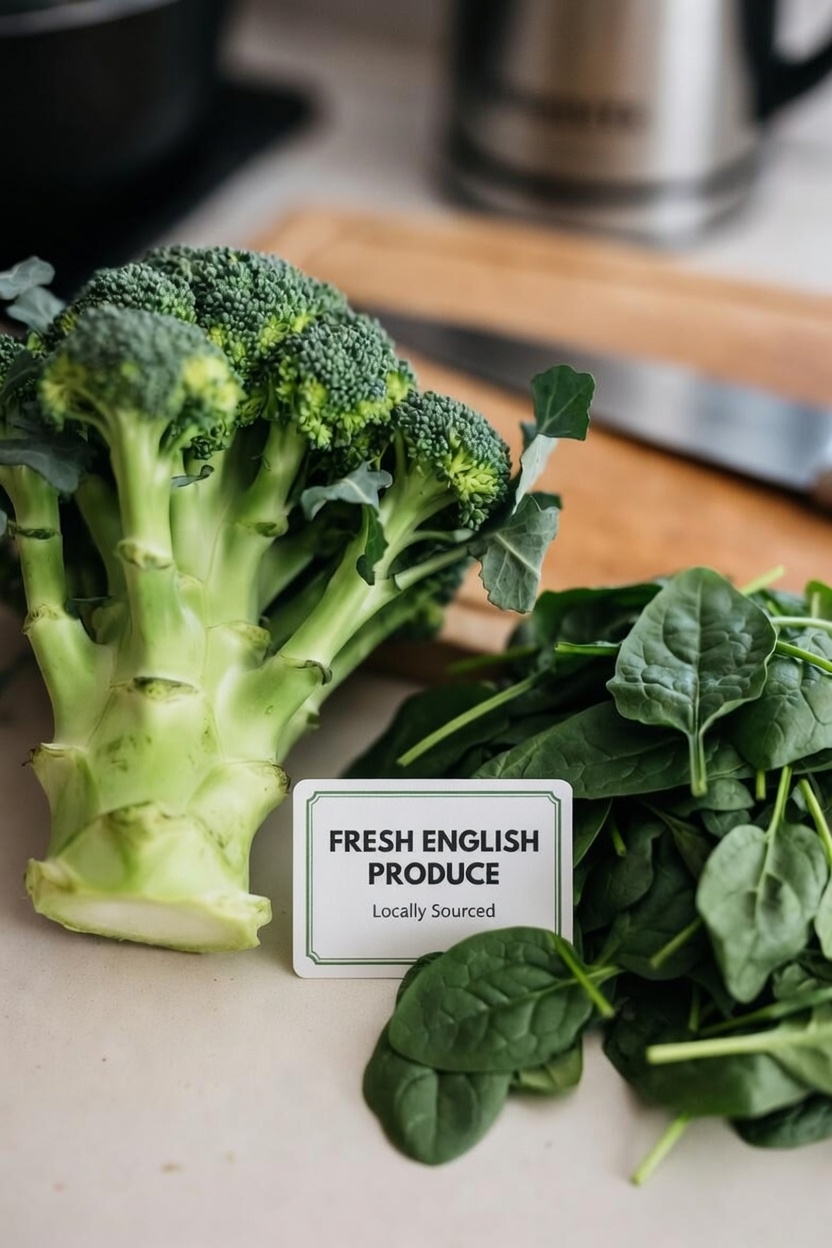
Broccoli regularly appears in nutrition research related to blood sugar support. Reviews highlighted by sources such as Healthline suggest that broccoli and broccoli sprouts contain unique plant compounds that may help the body handle glucose more effectively.
It is also easy to add to meals. Steam it for a few minutes and finish with olive oil and garlic for a simple side dish. You can also roast it with herbs or toss it into stir-fries for extra texture and flavor.
2. Spinach: A Simple Way to Add Magnesium
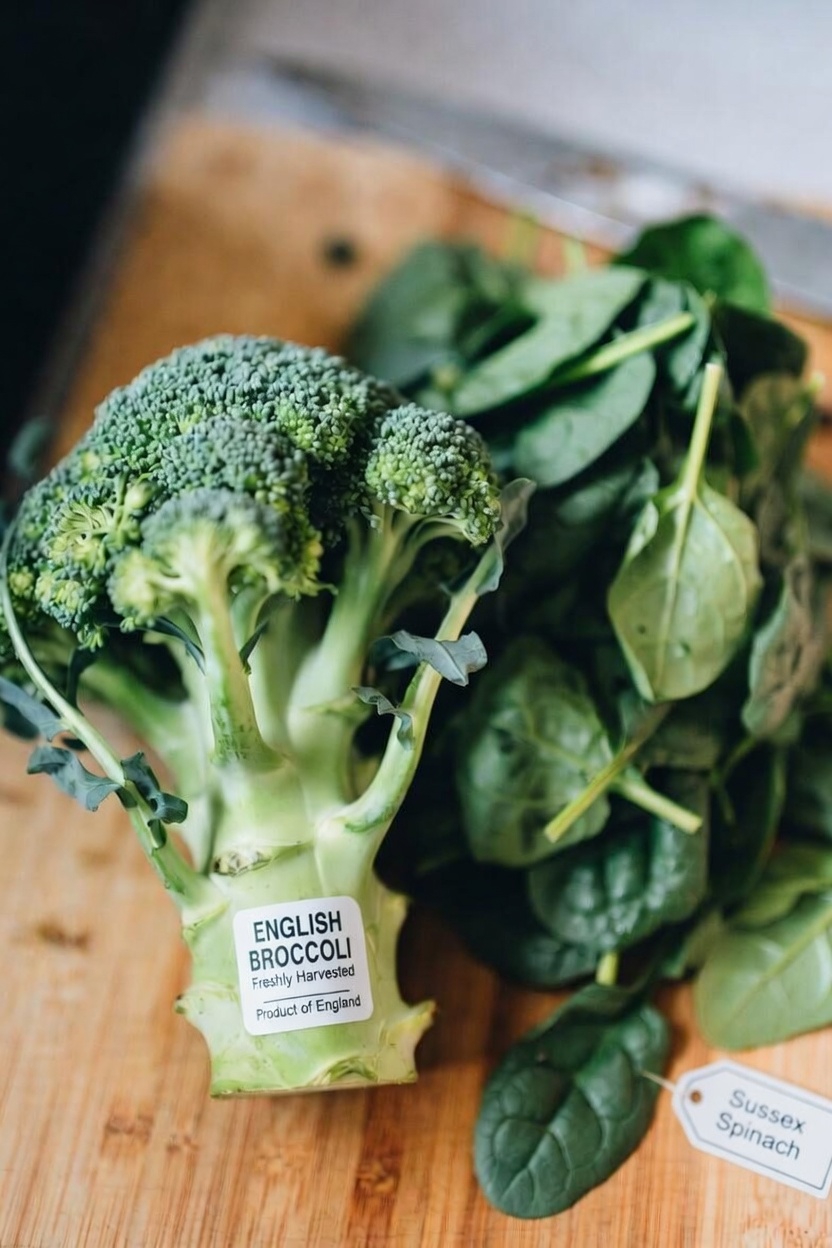
Spinach is one of the easiest leafy greens to work into everyday eating because it cooks quickly and blends well into many dishes. Its magnesium content is especially valuable, since magnesium helps support normal insulin activity and energy metabolism.
Try sautéing spinach with garlic in the morning, mixing fresh leaves into salads, or blending it into smoothies. Because it has a mild flavor, it is one of the easiest vegetables to turn into a regular habit.
3. Kale: A Leafy Green with Staying Power
Kale delivers a large amount of nutrition in a relatively small serving. It is known for its vitamins, minerals, and antioxidant content, and leafy greens in general may help increase fullness after meals, making it easier to avoid constant snacking.
If raw kale feels too tough, massaging the leaves with lemon juice or a little olive oil can soften the texture. It also works well in soups, sautéed dishes, and homemade kale chips.
4. Cauliflower: The Ultimate Low-Carb Substitute
Cauliflower has become popular for good reason. It can replace higher-carb ingredients in many meals while still feeling satisfying. Pulse it in a food processor to create cauliflower rice, or roast florets until golden for a hearty side.
The American Diabetes Association recognizes cauliflower as one of the best non-starchy vegetables to include regularly. Its neutral flavor makes it especially useful because it easily takes on seasonings, sauces, and spices.
5. Zucchini: Light, Flexible, and Filling
Zucchini is an excellent choice when you want more volume in a meal without adding many carbohydrates. Its mild taste and high water content make it useful in many forms, from spiralized noodles to grilled slices or raw ribbons in salads.
Here is the easy preparation tip worth trying: lightly steam zucchini or blend it fresh into a green smoothie or vegetable juice. It only takes a few minutes and makes increasing your daily vegetable intake feel much easier.
6. Cucumber: Hydration with Very Few Carbs
Cucumbers are made up of about 95% water, which makes them both hydrating and light. Their crisp texture works well in salads, snack plates, chilled soups, or paired with hummus.
Because they combine water with a small amount of fiber, cucumbers can help you feel refreshed and satisfied without weighing down a meal. Keeping washed cucumber slices ready in the refrigerator can make healthy snacking much more convenient.
7. Bell Peppers: Sweet Crunch and Vitamin C
Bell peppers add color, flavor, and crunch while staying relatively low in carbohydrates. They are particularly rich in vitamin C, which supports immune function and overall health.
They are easy to use in different ways. You can eat them raw as a snack, slice them into salads, grill them as a side, or stuff them with lean protein and herbs for a balanced meal. Their natural sweetness often makes them appealing even to people who struggle to eat more vegetables.
8. Green Beans: Reliable and Budget-Friendly
Green beans are a practical everyday vegetable because they are affordable, versatile, and quick to cook. Whether steamed, sautéed, or roasted, they fit easily into simple weeknight meals.
Their fiber content helps slow digestion, which supports steadier energy and blood sugar levels. Pair them with almonds or olive oil for added texture and healthy fat, and keep fresh or frozen green beans on hand for fast meal prep.
9. Asparagus: Easy to Make, Easy to Enjoy
Asparagus has a mild, elegant flavor that can make a basic meal feel more special. It is naturally low in carbs and provides both folate and fiber, making it a valuable addition to a diabetes-friendly eating pattern.
A quick roast with olive oil and a little sea salt is often all it needs. It also pairs especially well with eggs, fish, chicken, or other lean proteins for a balanced plate.
5 Practical Ways to Eat More of These Vegetables
If you want to turn these ideas into a routine, start small and keep it realistic.
- Fill half your plate with non-starchy vegetables at lunch and dinner.
- Prep vegetables in advance by washing and chopping them at the start of the week.
- Try one new recipe each week using a different vegetable from this list.
- Blend cucumber or zucchini into smoothies for an easy morning boost.
- Use herbs and spices generously to build flavor without depending on heavy sauces.
These simple habits can quickly make healthy eating feel more natural and less stressful.
Final Thoughts
Adding these nine vegetables to your meals does not require a complete diet overhaul. Small changes can still make a meaningful difference. Focus on adding more foods that support your body rather than aiming for perfection.
Start with one or two vegetables you already enjoy, then gradually expand from there. Over time, you may find that managing blood sugar feels less restrictive and that your meals become both healthier and more enjoyable.
Frequently Asked Questions
How much of these vegetables should I eat each day?
Many nutrition experts recommend aiming for at least 2 to 3 cups of non-starchy vegetables over the course of the day. This amount can usually be worked into regular meals without feeling too limiting.
Is juicing these vegetables a good option?
Juicing can be a convenient way to increase vegetable intake, especially with vegetables like cucumber or zucchini. Still, whole vegetables contain more fiber, so it is often best to include both based on your preferences and needs.
Should I completely avoid certain vegetables?
The main focus should be on non-starchy vegetables most of the time. Starchy vegetables such as potatoes or corn can still fit into a balanced eating plan when eaten in moderation and paired with protein and healthy fats.
Important Note
This article is for informational purposes only and should not replace professional medical advice. Always speak with your healthcare provider before changing your diet or diabetes management plan.