
A Simple Bedtime Habit for Eye Wellness After 60: Could Saffron Help?
As we get older, especially after age 60, gradual vision changes are common. Reading small text may take more effort, and driving at night can feel less comfortable than it once did. These shifts can be frustrating and may affect confidence in managing daily tasks independently. The encouraging part is that many older adults are exploring natural ways to support eye health, and one option receiving growing interest is a small amount of saffron before bedtime. So, what makes saffron worth considering, and how might it fit into a healthy routine? Let’s take a closer look.
Why Vision Often Changes With Age
For most people, eyesight naturally changes over time. The lens of the eye becomes less flexible, which can make focusing more difficult. Tear production may also decline, leading to dryness, irritation, and discomfort, particularly later in the day.
Daily exposure to bright light, digital screens, and environmental stress can also play a role. Over the years, oxidative stress may affect the delicate structures of the eye, including the retina. As a result, routine activities can begin to feel more tiring or less clear.

Although aging cannot be stopped, supportive habits can make everyday life more comfortable. That is why many people are interested in traditional ingredients that may complement long-term eye wellness.
Why Antioxidants Matter for Eye Health
Antioxidants help protect the body from free radicals, unstable molecules that contribute to cellular stress over time. Since the eyes are constantly exposed to light and environmental factors, they benefit from antioxidant support as part of an overall healthy lifestyle.
Some herbs and spices are especially valued for their antioxidant content. Among them, saffron has attracted attention because of its unique plant compounds and its long history of use in both cooking and traditional wellness practices.
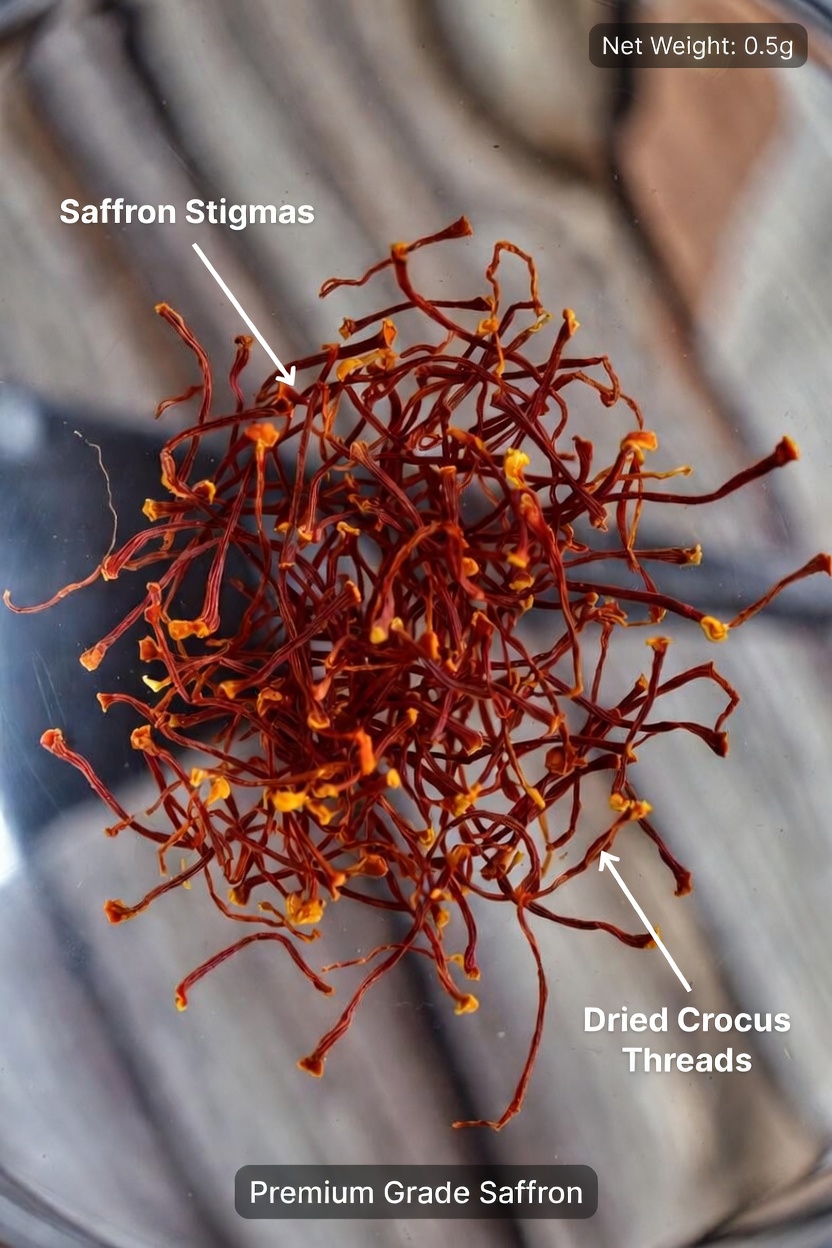
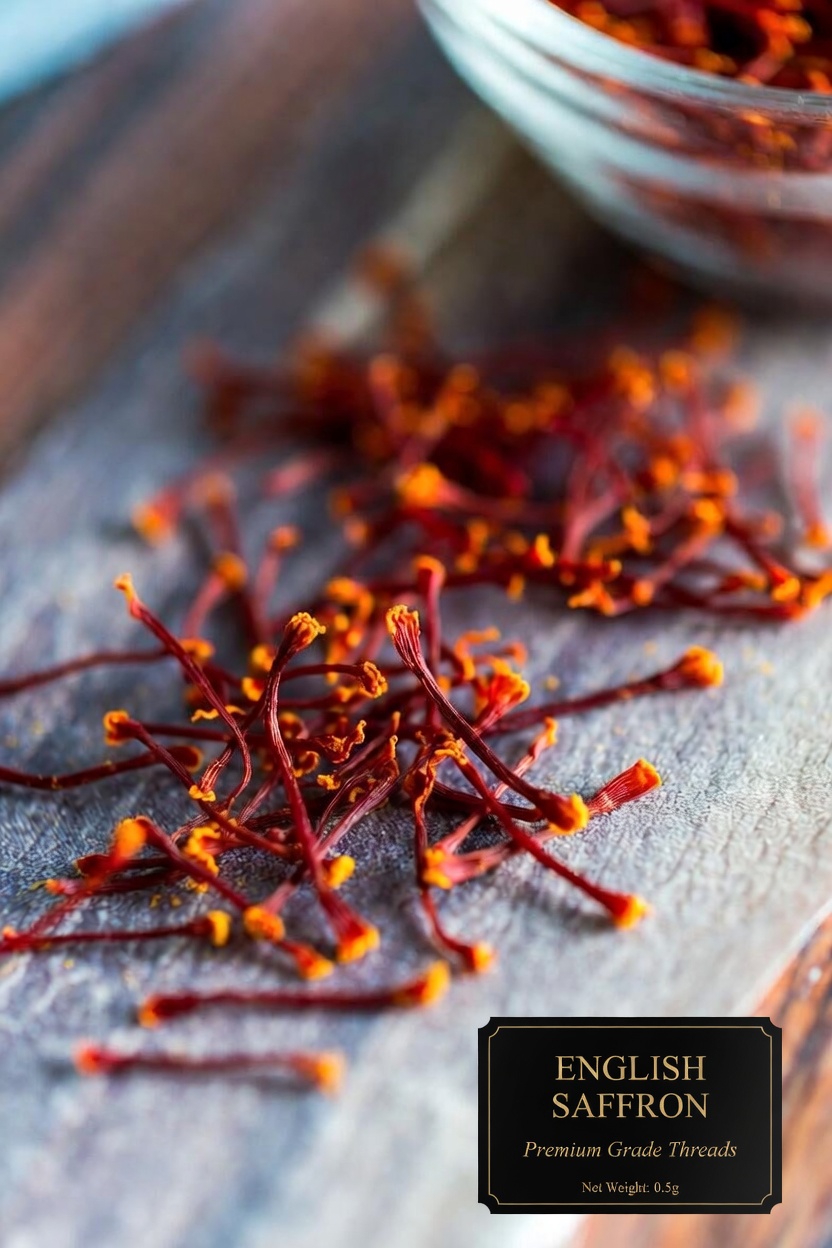
Saffron is harvested from the fine stigmas of the Crocus sativus flower. Known for its rich color and distinctive aroma, it has been used for centuries. Today, it is increasingly being discussed as a simple addition to modern evening routines.
Saffron’s Potential Benefits for Eye Wellness
Saffron contains notable compounds such as crocin and safranal, which are responsible for its color and fragrance. Researchers have studied these antioxidants for their possible role in helping protect eye tissues from oxidative stress.
Some peer-reviewed studies have examined saffron in connection with age-related vision concerns. In a number of small trials, participants reported improved visual comfort when saffron was used consistently as part of a balanced lifestyle. Results can vary from person to person, and research is still ongoing, but the early findings are promising.
An interesting point is the timing. Taking saffron in the evening may work well with the body’s natural overnight recovery processes, when many restorative functions are most active during sleep.
Why a Bedtime Saffron Routine Appeals to Many Older Adults
Evening habits are often easier to maintain because they create a sense of calm and regularity. A warm cup of saffron tea can serve as a relaxing ritual while also helping with hydration. For adults over 60 who already enjoy herbal tea before bed, this can be an easy and natural fit.
The warmth of the drink may feel soothing after a long day, and saffron’s mild flavor is pleasant without being overwhelming. Building a calming nighttime routine may also encourage better sleep habits, which can indirectly support overall eye comfort and daily well-being.
Another advantage is its simplicity. You do not need any special tools or complicated preparation. Just a small pinch of saffron is usually enough for a comforting cup.
How to Make Saffron Tea Before Bed
Preparing saffron tea at home is quick and easy. You can make it part of your nightly wind-down in just a few minutes.
Step-by-step instructions
- Choose high-quality saffron threads or pure saffron powder from a trusted source.
- Boil one cup of water, then let it sit for about one minute so it cools slightly.
- Add a small pinch of saffron, about 5 to 10 threads or a very small scoop of powder.
- Let it steep for 5 to 7 minutes.
- Strain if necessary.
- Drink it slowly around 30 minutes before bedtime.
This simple routine is easy to remember and can become a pleasant part of your evening. Many people find that they begin to look forward to this quiet moment each night.
To get the most from the habit, consistency is important. Try having it at the same time each evening for a few weeks and notice how it feels for you.
How to Choose Good-Quality Saffron
Not all saffron products are the same, so choosing carefully matters.
- Look for threads that are deep red or reddish-orange and release color into warm water.
- Be cautious with very low-cost products, as they may be diluted or mixed with other ingredients.
- Store saffron in an airtight container away from direct light and heat.
- If buying powdered saffron or a supplement, check for third-party testing or quality certification.
These small steps can help you choose a more reliable product and avoid unnecessary additives.
Habits That Can Support Eye Health Alongside Saffron
No single ingredient works best on its own. Saffron is most useful when paired with other healthy habits that support your eyes over time.
Here are a few practical strategies:
- Take regular breaks from screens to reduce eye strain.
- Eat leafy greens and brightly colored fruits for natural antioxidants.
- Drink enough water throughout the day.
- Schedule yearly eye exams to monitor changes with your doctor.
- Wear sunglasses outdoors to help protect your eyes from UV rays.
Combining several simple habits creates a more complete and sustainable approach to eye wellness.
Safety Tips and Best Practices
Saffron is generally considered safe when used in small culinary amounts. Even so, it is best to begin with a modest amount and pay attention to how your body responds. Large doses are not recommended and may cause unwanted effects.
If you take prescription medications or have a medical condition, speak with your healthcare provider before adding saffron to your routine. They can advise you based on your personal health history and help ensure it is appropriate for you.
Many adults over 60 prefer this careful approach because it allows them to make informed choices while minimizing risk.
Final Thoughts
Adding a small amount of saffron before bed may be a pleasant and easy way to enhance your eye wellness routine. It blends naturally into the evening, requires very little effort, and can complement other healthy habits you may already practice. The most important things are patience, consistency, and paying attention to how you feel.
Saffron should not replace regular eye care or medical guidance. Instead, think of it as one supportive piece of a broader wellness plan for your 60s and beyond. For many people, small daily habits like this can help create a greater sense of comfort, balance, and control over time.
Frequently Asked Questions
How much saffron should I use at night?
A small pinch of saffron threads or a tiny amount of powder is usually enough for one cup of tea. Start with the smallest amount and adjust only based on taste and personal tolerance.
Can saffron affect my medications?
It can in some cases, which is why it is important to ask your doctor or pharmacist before introducing it into your routine. They can evaluate possible interactions based on your full health profile.
Is tea the only way to use saffron?
No. Some people mix a small amount into warm milk or add it to an evening meal. What matters most is using a modest, consistent amount as part of a regular nighttime routine.
Important Note
This article is for informational purposes only and does not replace professional medical advice. Always consult your healthcare provider before changing your diet or trying new supplements, especially if you have existing health conditions or take medication.