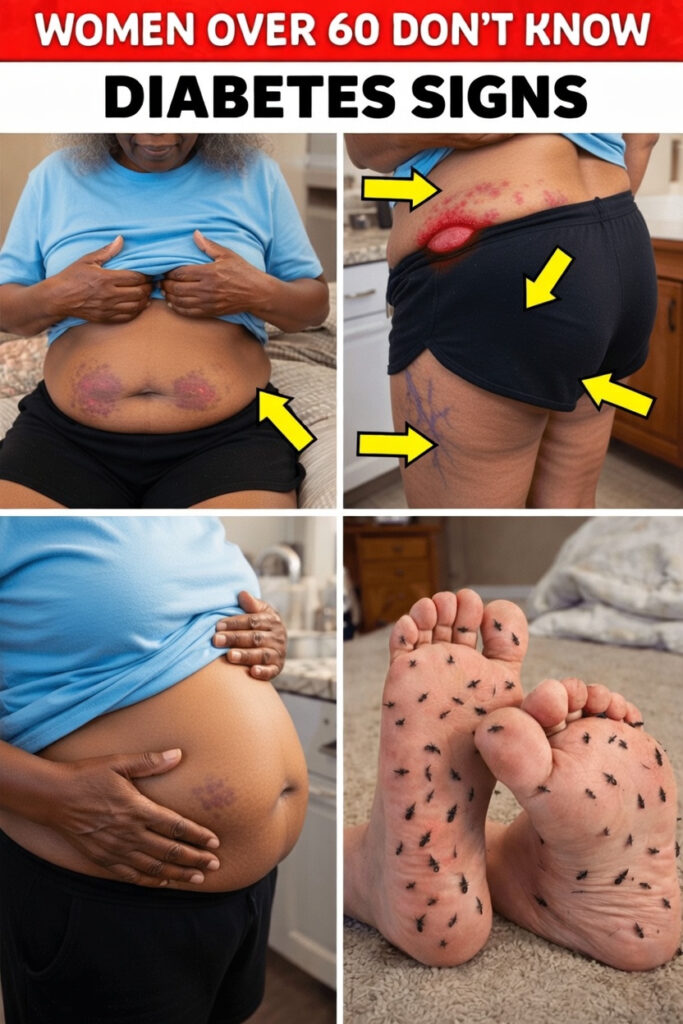
9 Early Diabetes Clues Women Over 60 Should Not Ignore
Many women past 60 begin to notice subtle changes such as waking more often to use the bathroom at night or dealing with dry, itchy skin that never seems to improve. Because these shifts can feel like a normal part of aging, they are often brushed aside. But over time, these small signs can add up, draining your energy and increasing health concerns without much warning.
The encouraging part is that the body usually gives early signals well before more serious problems develop. Recognizing those signs sooner can make a major difference.
And the ninth clue may be the most unexpected of all.
Why These Signs Matter More After 60
After age 60, hormonal changes and a slower metabolism can make early diabetes symptoms harder to recognize. According to the Centers for Disease Control and Prevention, type 2 diabetes often develops gradually in older adults, and the symptoms may be mild enough to be mistaken for ordinary aging.
That is why these clues matter. They are often your body’s early request for attention before the condition becomes harder to manage.
Clue 1: Needing the Bathroom More Often Than Before
If you start waking up one or two times a night to urinate and then notice it increasing to three or four times, it may be more than age or evening tea. The American Diabetes Association explains that when blood sugar rises, the body tries to remove the excess through urine.
For many women, this is one of the earliest warning signs, but it is easy to dismiss.
Clue 2: Ongoing Fatigue Even After Good Sleep
You may sleep through the night and still feel drained the next day. Everyday activities can suddenly feel more tiring than they used to. When sugar cannot move into the cells properly, the body struggles to produce steady energy.
The National Institute on Aging notes that pronounced fatigue is a common but often overlooked issue in women over 60.
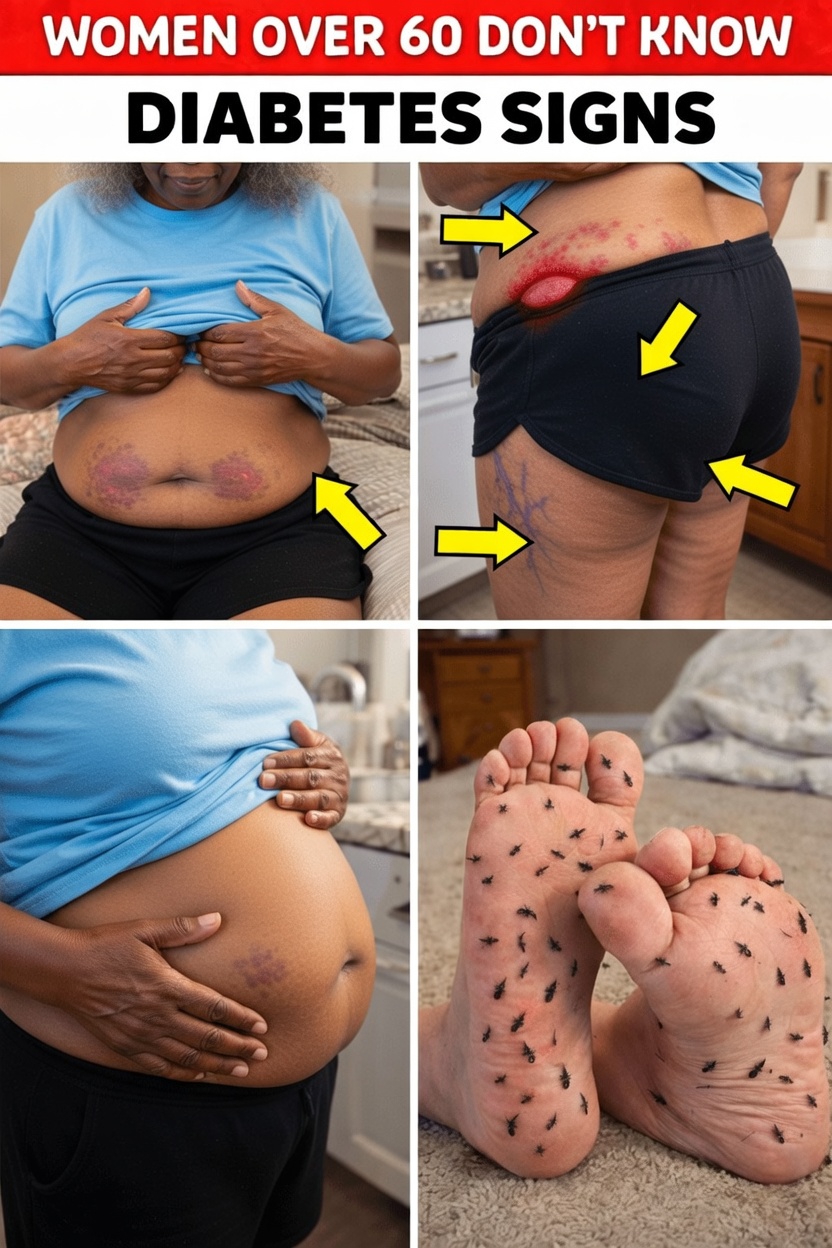
Clue 3: Blurred Vision That Seems to Come and Go
Some days your reading looks perfectly clear, and on other days it seems slightly out of focus. Blood sugar that stays too high can affect the tiny blood vessels in the eyes. Mayo Clinic specialists note that this type of temporary blurry vision can appear early, disappear for a while, and then return if the underlying issue is not addressed.
Clue 4: Cuts and Bruises That Heal Very Slowly
A minor cut from cooking may linger longer than expected. A bruise may stay visible for weeks. Higher blood sugar and reduced circulation can slow the body’s natural healing process.
The National Council on Aging identifies delayed healing as one of the classic signs older adults should take seriously.
Clue 5: Tingling or Numbness in the Hands and Feet
You might notice a pins-and-needles sensation in your toes or fingers, or feel mild numbness after sitting still for a while. Some women even describe it as a crawling sensation on the skin. This can happen when prolonged high blood sugar begins affecting the nerves, usually starting in the feet and hands.
For many women, the first signs show up in the lower body.
Clue 6: Dark, Velvety Skin on the Neck or Underarms
If you notice thicker, darker patches of skin in body folds that do not wash away, this may be a sign of insulin resistance. The condition is called acanthosis nigricans, and the American Academy of Dermatology links it directly to blood sugar imbalance.
It appears more often in women and can develop years before more obvious diabetes symptoms.
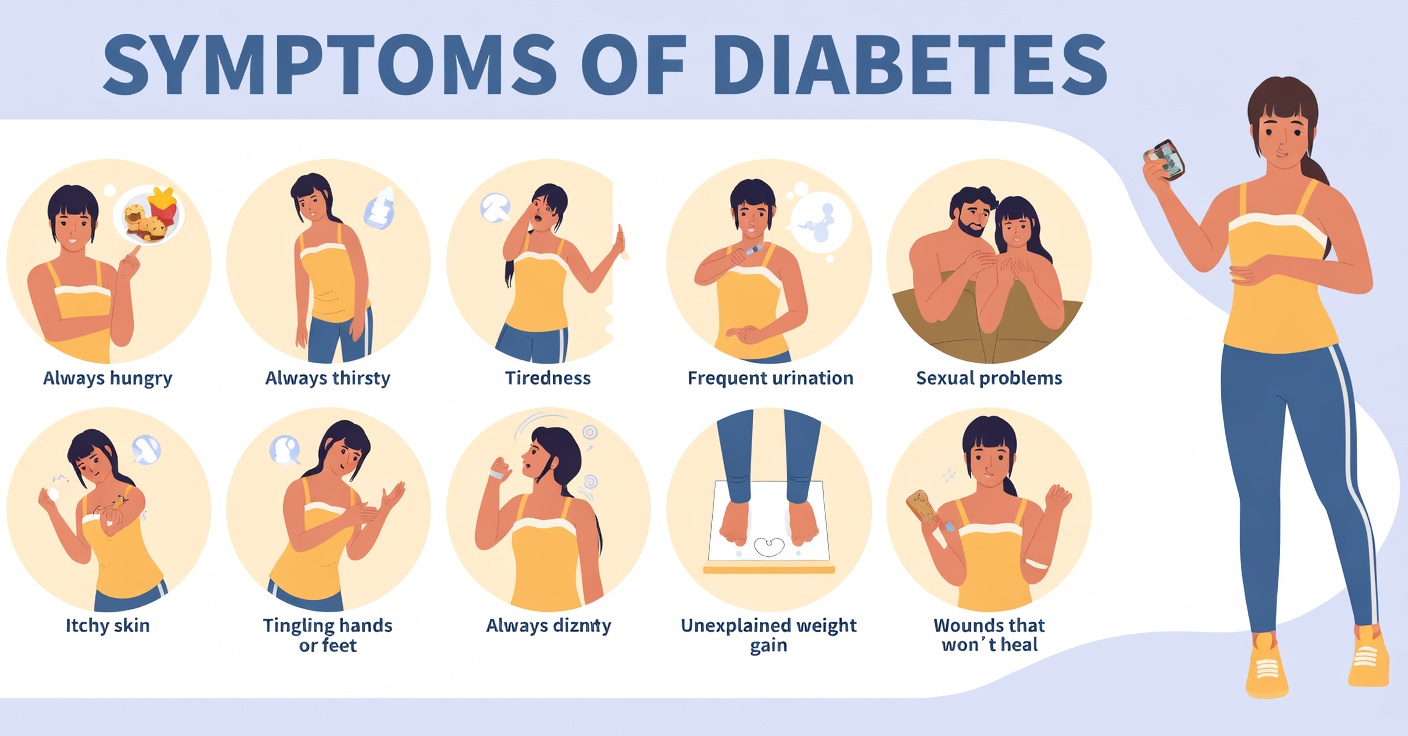
Clue 7: Frequent Yeast Infections or Itchy Skin Rashes
A recurring itch, especially in skin folds, the groin area, or under the breasts, should not be ignored. Excess sugar in the body can create an environment where yeast and fungi grow more easily.
The Centers for Disease Control and Prevention reports that women over 60 experience this sign more often than men, making it an important symptom to watch.
Clue 8: Belly Fat That Becomes Harder to Lose
Even if the number on the scale has not changed much, a growing waistline can still be a warning sign. Fat stored around the abdomen, especially visceral fat, is strongly associated with insulin resistance.
Research shows that this pattern is especially linked to a higher diabetes risk in postmenopausal women.
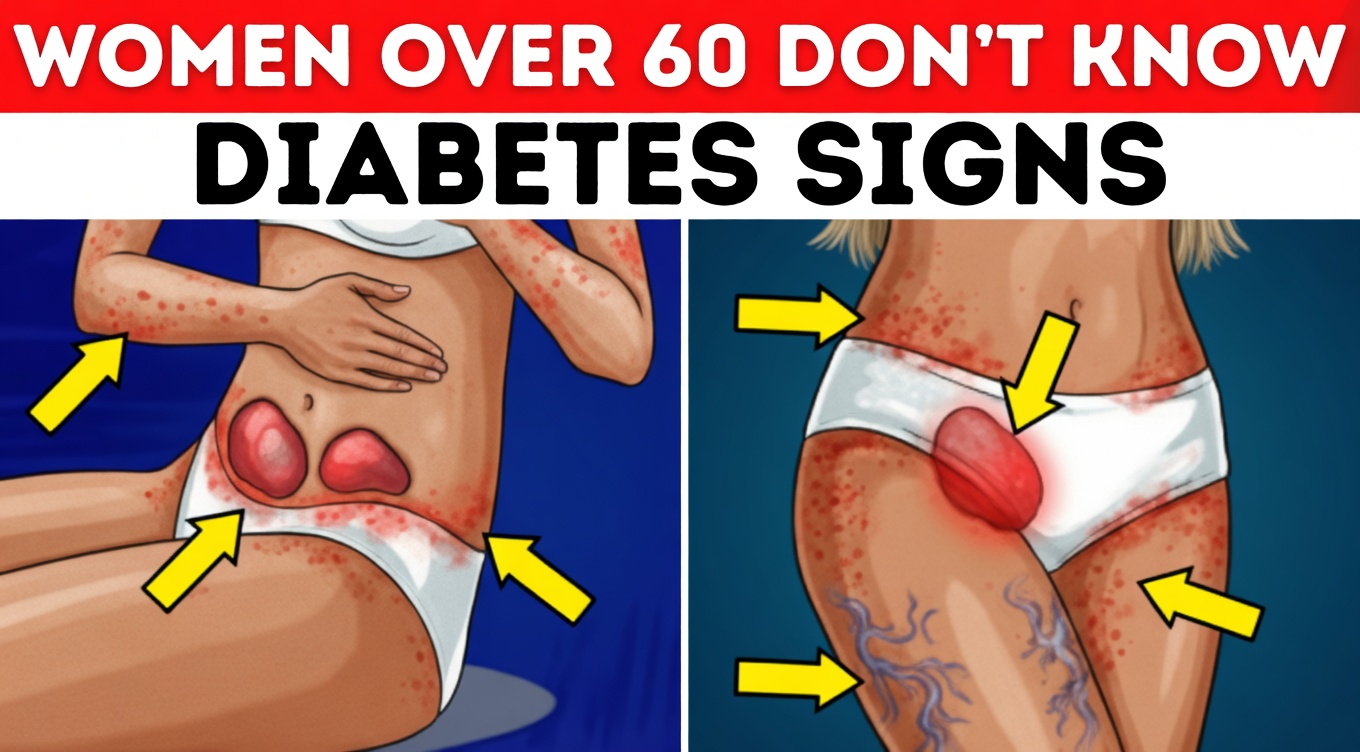
Clue 9: Visible Leg Veins or Very Dry, Itchy Skin
This is the clue that catches many women off guard. Spider veins or varicose veins may suddenly become more visible. Your legs might feel heavy, and the skin on your lower legs may look dry, irritated, or reddish.
Poor circulation related to rising blood sugar often shows up first in the legs and feet. Many women over 60 notice these changes without realizing they may be connected to early diabetes.
Simple Steps You Can Start Today
You do not need complicated tools or an intense routine to become more aware of these signs. A few small habits can help you stay informed without feeling overwhelmed:
- Keep track of how often you use the bathroom for one week, especially if increased thirst comes with it
- Examine your skin regularly in bright light, paying close attention to the neck, underarms, groin, and under the breasts
- Monitor your blood sugar at home if your doctor recommends it
- Stay active for at least 20 minutes a day, even with gentle walking
- Make note of cuts, bruises, or skin problems that seem slow to heal and mention them at your next appointment
These simple actions can help you notice changes early and respond with confidence.
What Early Detection Can Do
Seeing these signs early gives you the chance to talk with your doctor before bigger complications develop. In many cases, consistent monitoring and manageable lifestyle changes can help keep blood sugar under control for years.
Feeling strong, energetic, and informed is possible at every stage of life.
FAQ
What should I do if I notice several of these signs at the same time?
Book an appointment with your healthcare provider. A basic blood test can often provide clear answers and help you understand what is happening.
Are these signs only relevant for women over 60?
No. These symptoms can appear earlier, but they tend to become more common after menopause because hormonal shifts can affect how the body handles blood sugar.
Can lifestyle changes really help?
Yes. Many women notice improvements with regular light exercise, balanced meals, and better sleep habits. Your doctor can help you choose the approach that best fits your health needs.
Important Note
This article is for informational purposes only and does not replace professional medical advice. Always speak with your healthcare provider about personal symptoms or before making changes to your health routine.