
Papaya Seeds: 17 Research-Backed Benefits and Safe Ways to Eat Them
Most people scrape out the tiny black seeds inside a papaya and throw them away. However, these small seeds contain fiber, beneficial fats, and potent plant compounds that may contribute to better health in several surprising ways. Emerging research suggests they may help support digestion, provide antioxidant protection, and offer other wellness advantages.
The best part is that you do not need a large amount to start exploring their potential benefits. A small serving can be enough to make them part of a balanced routine. Below, you will find 17 possible health benefits of papaya seeds, along with practical tips for using them safely and easily in everyday meals.

Why Papaya Seeds Stand Out
Papaya seeds contain naturally occurring compounds such as carpaine, benzyl isothiocyanate, and antioxidant-rich substances including flavonoids and polyphenols. These components are believed to play a role in the seeds’ health-supporting properties.
Traditional practices have long valued papaya seeds, and modern studies are now examining their potential in areas such as digestive health, antioxidant activity, and overall wellness. While the early findings are promising, more human studies are still needed to confirm the full range of benefits.
17 Potential Health Benefits of Papaya Seeds
1. Antioxidant Protection
Papaya seeds are a source of polyphenols and flavonoids, which may help the body defend itself against oxidative stress. By fighting free radicals, these compounds may support cell health and overall vitality.
2. Better Digestive Function
The seeds contain papain, an enzyme associated with protein breakdown. This may help digestion work more efficiently and could reduce occasional heaviness or bloating after meals.
3. Support for Gut Health
Their fiber content may encourage regular bowel movements and help maintain a healthier intestinal environment. Good fiber intake is important for digestive balance.
4. Possible Anti-Parasitic Effects
Some traditional uses and limited studies, including research involving children, suggest papaya seeds may help reduce certain intestinal parasites. Even so, stronger clinical evidence is still needed.
5. Liver Support
Animal-based studies indicate that compounds in papaya seeds may help shield liver cells from oxidative damage. They may also assist natural detoxification functions carried out by the liver.
6. Kidney Protection
Research in animals has suggested that papaya seeds might help protect kidney tissue by lowering inflammation and reducing oxidative stress.
7. Anti-Inflammatory Properties
The bioactive substances found in these seeds may help calm mild inflammation in the body, which is important for long-term wellness.
8. Antibacterial Activity
Laboratory studies have shown that papaya seed extracts may work against certain bacteria. This points to possible antimicrobial value, although more real-world research is needed.
9. Heart Health Support
Papaya seeds provide fiber and healthy fats, both of which may contribute to improved cholesterol balance and better cardiovascular health when included in a nutritious diet.
10. Immune System Maintenance
They contain nutrients such as vitamin C and other compounds that may help the immune system function properly and support the body’s natural defenses.
11. Healthier Skin
Because they are rich in antioxidants, papaya seeds may help reduce oxidative stress that can affect skin appearance and overall skin health.
12. Blood Sugar Support
Some evidence suggests papaya seeds may help maintain healthier blood sugar balance, though more studies in humans are necessary.
13. Help With Weight Management
Their fiber may increase feelings of fullness, which can make portion control easier and support healthy eating habits.
14. Natural Detox Support
Papaya seeds may assist the body’s own detox pathways, especially those linked to the liver and kidneys.
15. Oral Health Benefits
Due to their potential antibacterial effects, papaya seeds may also help improve breath freshness and support a cleaner oral environment.
16. Potential Anti-Cancer Properties
Certain lab studies have found that compounds in papaya seeds may slow the growth of some cells. However, this area is still in the early stages, and human evidence remains limited.
17. Overall Wellness and Vitality
Thanks to their nutrient profile and plant compounds, papaya seeds may be a useful addition to a healthy diet for those looking to support general well-being.
How to Eat Papaya Seeds Safely
Although papaya seeds may offer benefits, it is important to start with a small amount. Their flavor is often described as peppery and slightly bitter, so a gradual introduction can help your body and taste buds adjust.
Recommended Amount
- Start with 1/2 to 1 teaspoon per day, which is about 5 to 10 seeds
- If well tolerated, you may slowly increase the amount
- Avoid going beyond 1 to 2 teaspoons daily
Step-by-Step Preparation Guide
1. Remove the Seeds
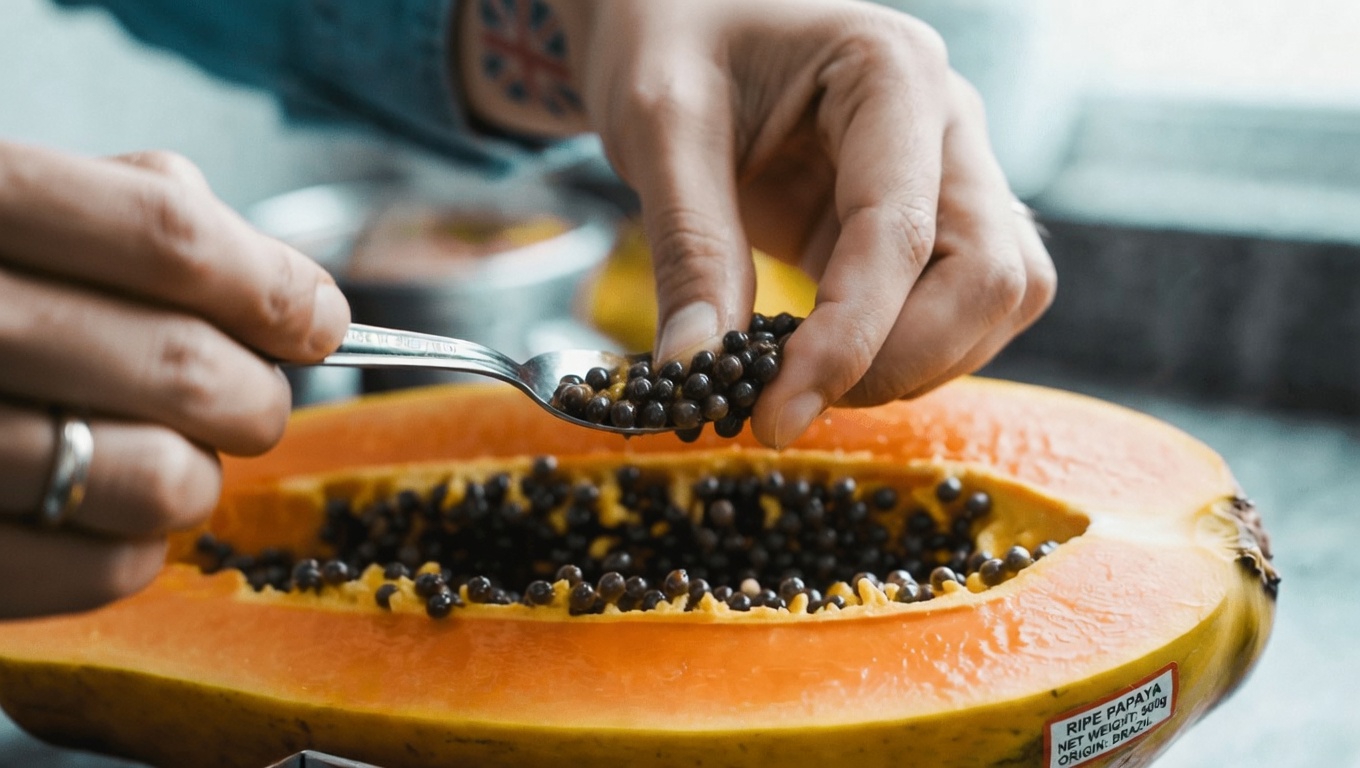
Cut open a ripe papaya and scoop out the seeds with a spoon.
2. Rinse Thoroughly
Wash them under cool water to remove the slippery coating and any remaining fruit residue.
3. Dry the Seeds
Pat them dry using a paper towel.
4. Choose How to Use Them
You can either:
- Eat them fresh
- Dry them in a low-temperature oven at 150°F (65°C) for 2 to 4 hours until crisp
5. Grind if Desired
Once dried, the seeds can be ground into a powder using a spice grinder for easier use in recipes.

Easy Ways to Add Papaya Seeds to Your Diet
If you want to enjoy papaya seeds regularly, try these simple ideas:
- Sprinkle ground papaya seeds over salads
- Add them to yogurt
- Blend them into smoothies for a mild spicy note
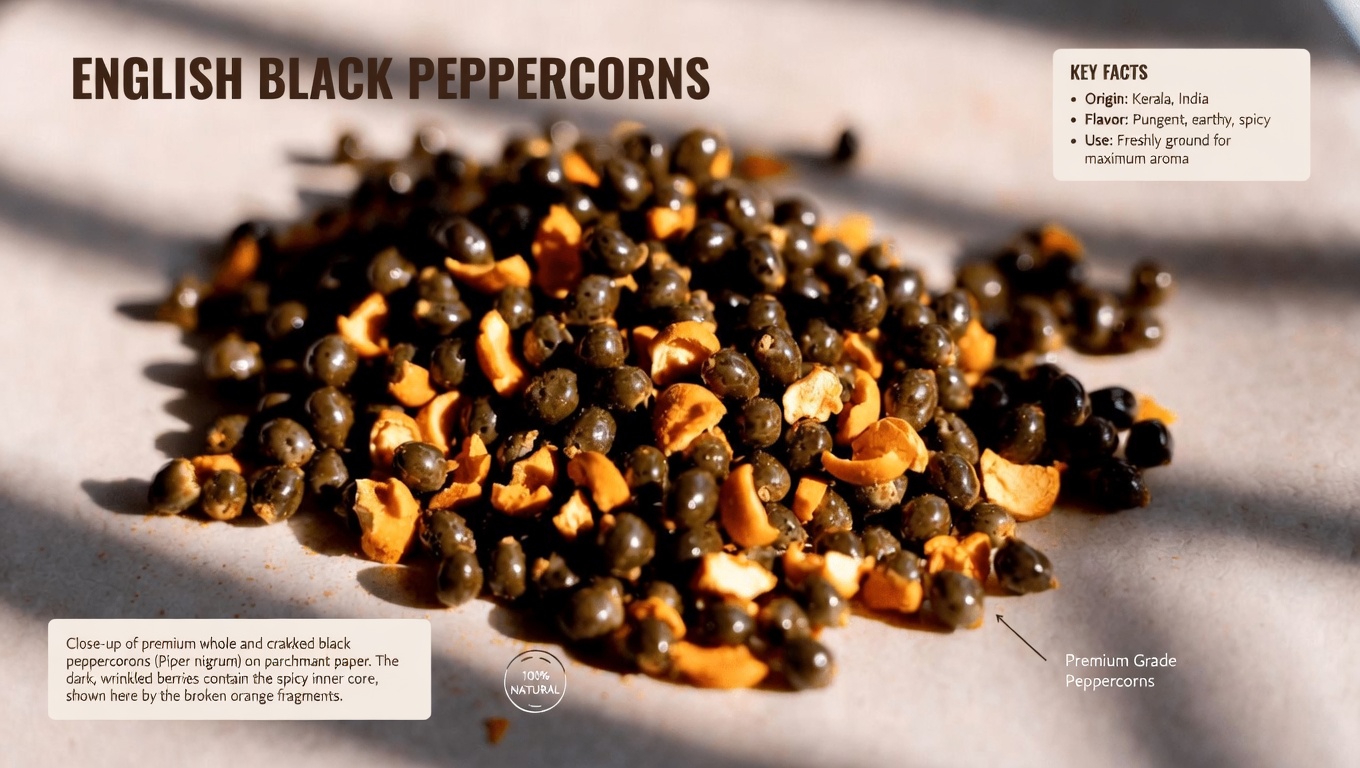
- Stir them into dressings or sauces as a replacement for black pepper
- Mix them with tea or honey for a gentle infusion
Important Safety Note
Before adding papaya seeds to your routine, speak with your healthcare provider, especially if you:
- Have an existing medical condition
- Are pregnant or breastfeeding
- Take prescription medications
- Want to give them to children
Frequently Asked Questions
Are papaya seeds safe to eat every day?
Yes, they are generally considered safe in small amounts. A daily serving of 1 teaspoon or less is a sensible place to begin. Start slowly to avoid digestive discomfort.
What do papaya seeds taste like?
Papaya seeds have a flavor that is often compared to black pepper or horseradish. They are slightly bitter with a noticeable peppery kick.
Can children eat papaya seeds?
It is best to ask a pediatrician first. Whole seeds may present a choking hazard, and children may be more sensitive to strong flavors or digestive effects.
Final Thoughts
Papaya seeds are an often-overlooked part of the fruit that may offer valuable nutrients and multiple wellness benefits. From digestive support to antioxidant protection, they can be a simple and natural addition to a healthy eating plan when used in moderation.
By preparing them properly and introducing them gradually, you may find that these tiny seeds become a useful part of your daily routine.