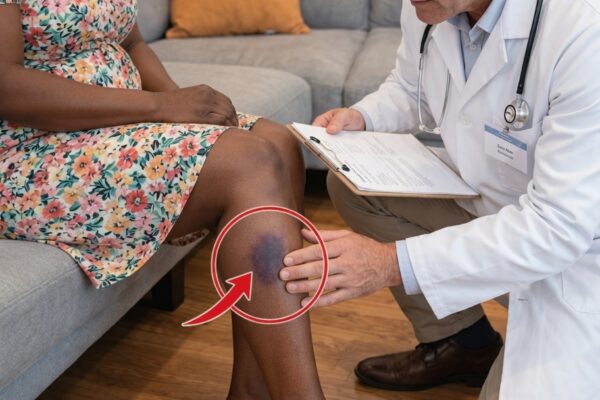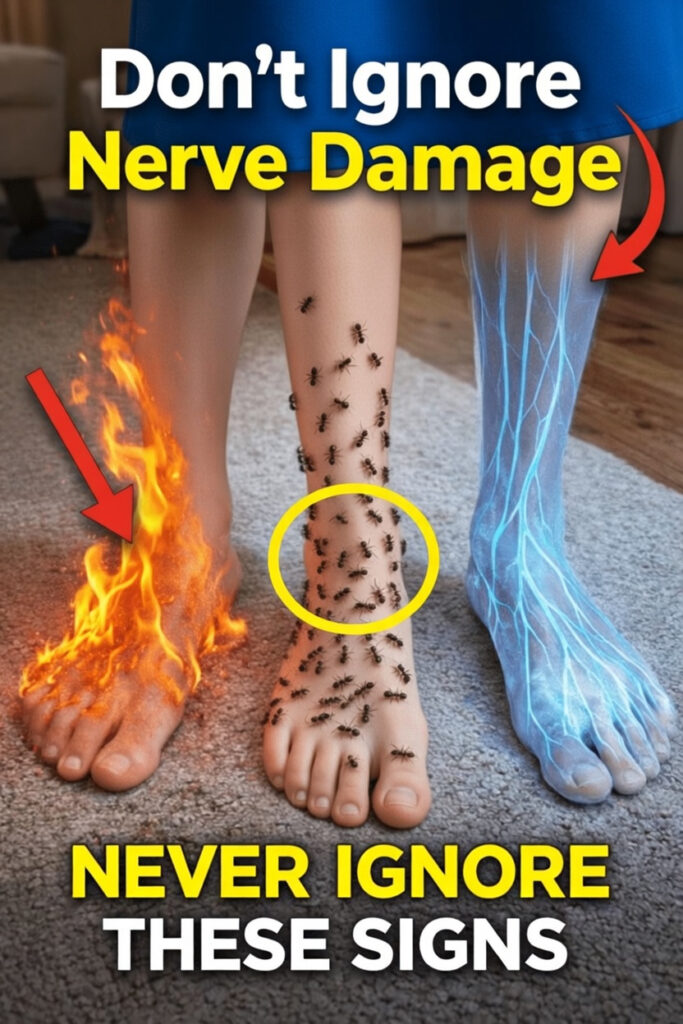
Early Signs of Peripheral Nerve Problems You Should Not Ignore
Many people dismiss unusual sensations in the hands or feet as simple tiredness or temporary poor circulation after a long day. However, when symptoms such as tingling, numbness, or unexplained discomfort begin showing up repeatedly—especially in the extremities—they may signal a more significant issue involving the peripheral nerves.
These changes often appear slowly. At first, they may seem minor, but over time they can interfere with everyday routines, turning ordinary tasks into something uncomfortable, frustrating, or even unsafe. The encouraging part is that spotting these warning signs early can help you seek professional advice sooner and better understand what your body is trying to tell you.
In this guide, we’ll cover 15 common early symptoms supported by trusted medical sources, explain why they deserve attention, and share practical ways to monitor your health more carefully. At the end, you’ll also find simple daily habits that may help support nerve health, along with answers to common questions.
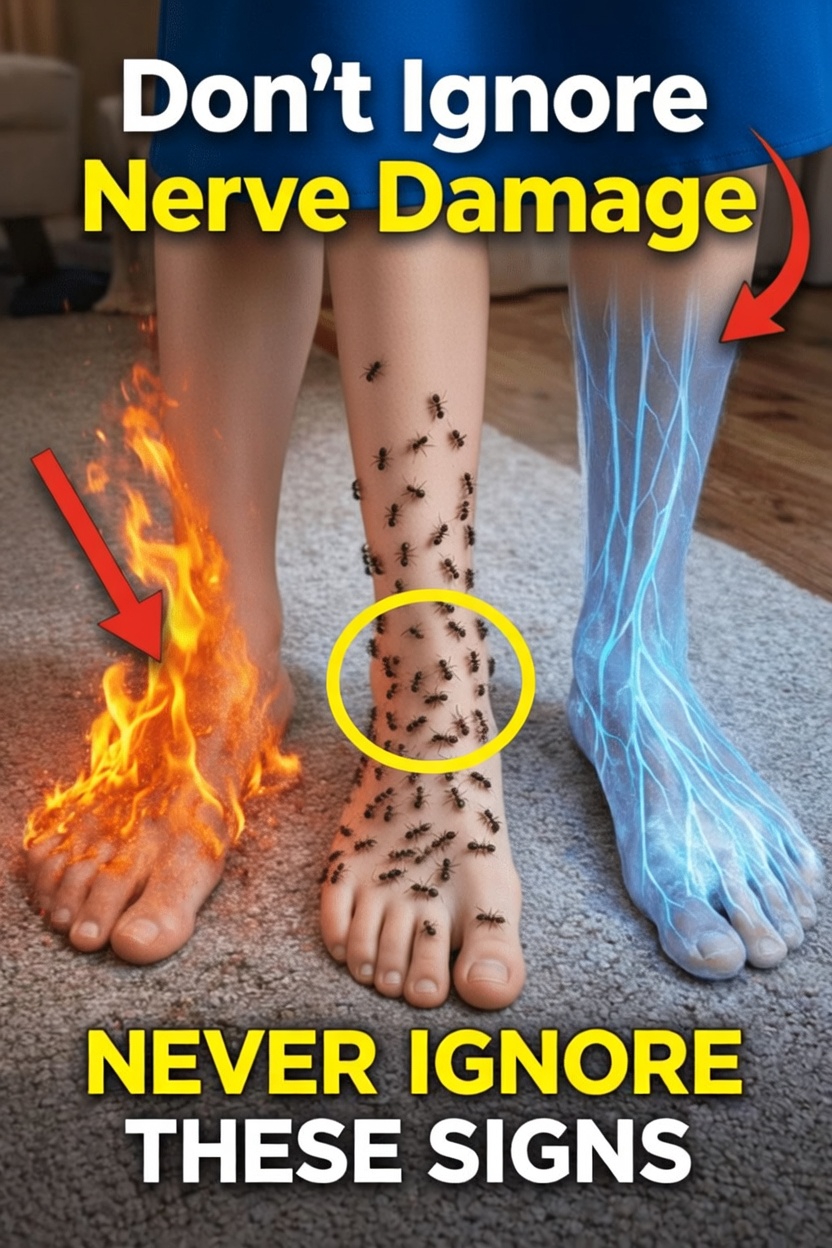
What Happens When Peripheral Nerves Are Damaged?
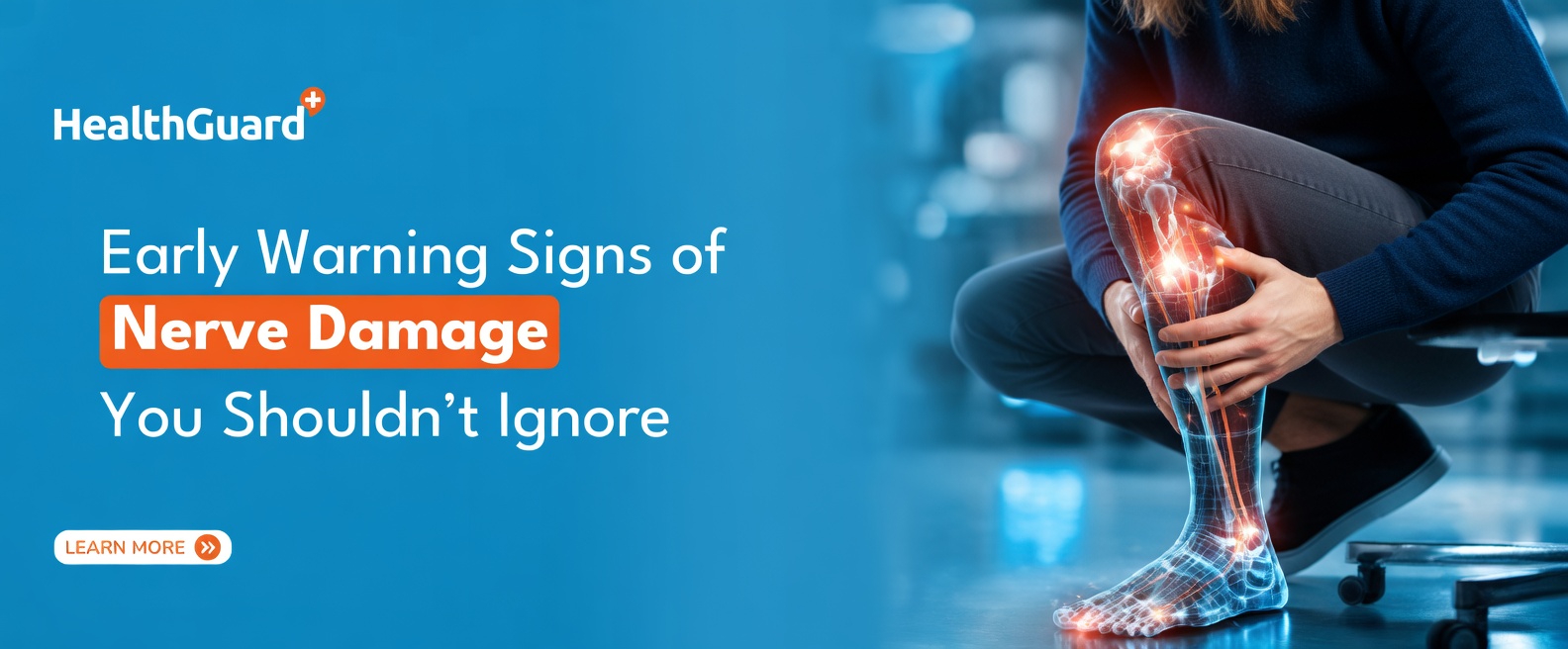
Peripheral nerves function like the body’s communication network. They carry messages related to feeling, movement, and automatic processes such as sweating or digestion. When these nerves become injured or disrupted—a condition often referred to as peripheral neuropathy—those signals no longer travel properly.
According to medical organizations such as the Mayo Clinic, symptoms often begin in the longest nerves first. That is why problems frequently start in the toes and fingers before moving upward.
In many cases, the signs begin gradually and may come and go in the early stages. But if they are overlooked, the condition can worsen and begin affecting comfort, coordination, and physical strength. Research suggests that recognizing the problem early can make a meaningful difference in managing it.
Common Sensory Symptoms to Watch Closely
Sensory nerves allow you to detect touch, temperature, pressure, and pain. When they are affected, unusual physical sensations are often the first clue.
1. Tingling or “Pins and Needles”
This is one of the most recognizable early signs. It may start in the toes or fingertips and feel similar to a limb “falling asleep,” except the sensation does not fully go away.
2. Numbness or Reduced Feeling
You may notice that light touch, heat, cold, or even a small cut is harder to detect. This reduced awareness can increase the chance of unnoticed injuries.
3. Burning Sensations
Some people describe a steady hot or burning feeling, especially on the bottoms of the feet. This discomfort often becomes more noticeable at night.
4. Sharp, Stabbing, or Electric-Like Pain
Sudden jolts of pain may appear without warning. These sensations are sometimes described as shooting pain or brief electric shocks.
5. Increased Sensitivity to Touch
In some cases, even mild contact becomes painful. A sock, blanket, or bedsheet may feel irritating or intense. Medically, this is called allodynia.
These symptoms may not stay limited to one area. Over time, they can gradually spread from the feet into the legs or from the hands into the arms.
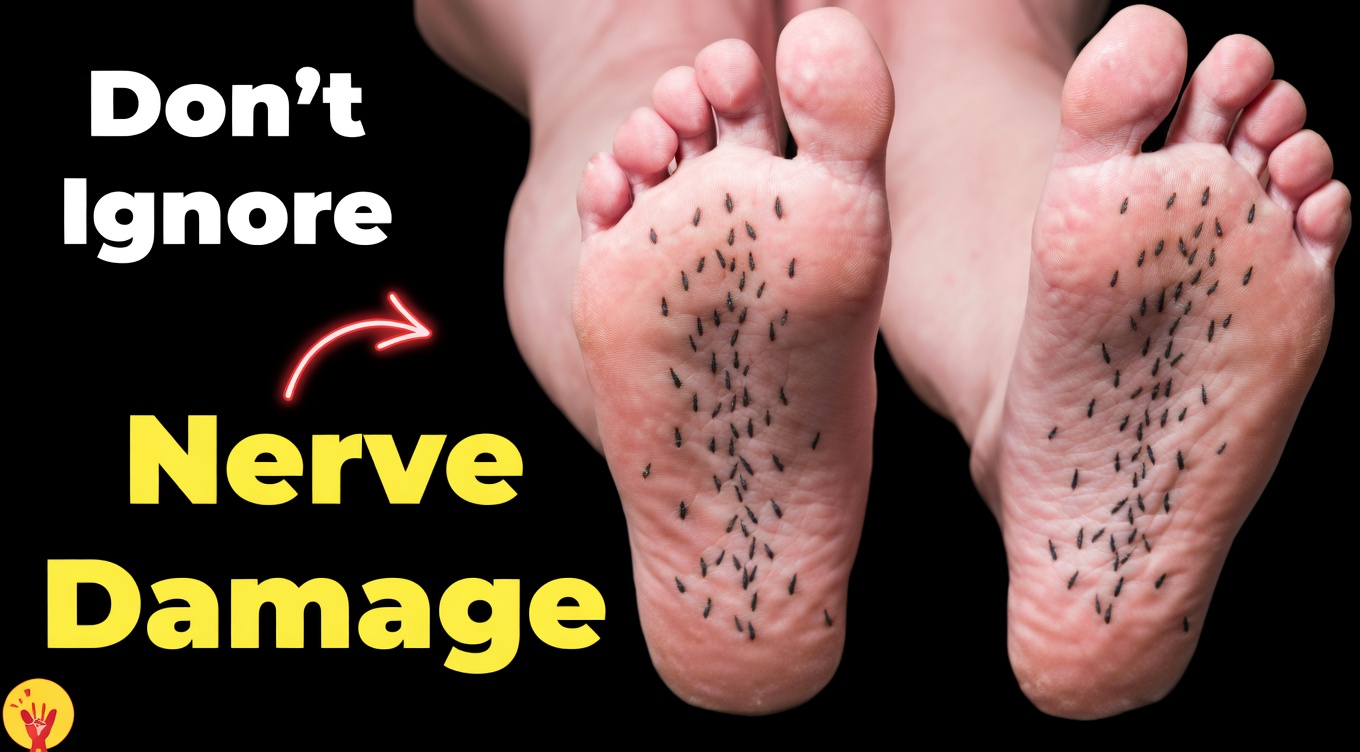
Motor Symptoms and Balance Problems
Peripheral nerves are not only responsible for sensation—they also help control muscle activity and coordination. When motor nerves are involved, changes in strength and stability may begin to appear.
6. Muscle Weakness
You might notice that it becomes more difficult to grip objects, walk uphill, lift your feet properly, or rise onto your toes.
7. Frequent Tripping
If you begin stumbling more often than usual, it may be a sign that your foot muscles or coordination are not working as they should.
8. Poor Balance
Feeling unsteady, especially in dim lighting or on uneven ground, can point to nerve-related changes. This is particularly important because balance issues can raise the risk of falling, especially in older adults.
9. Trouble with Fine Motor Skills
Small hand movements may become awkward. Activities such as buttoning clothes, typing, writing, or using utensils can start to feel clumsy.
10. Muscle Cramps or Twitching
When nerves misfire, random muscle spasms, twitching, or cramping can occur. These may happen occasionally or become more frequent over time.
11. Heaviness in the Arms or Legs
Some people report that their limbs feel unusually tired, sluggish, or weighted down, even without major physical activity.
Overlooked Signs That May Also Matter
Not all early nerve-related symptoms involve pain or weakness. Some affect body functions that people may not immediately connect to nerve health.
12. Changes in Skin Temperature or Texture
Affected areas may feel cooler than normal or seem different to the touch.
13. Thinning Hair or Brittle Nails
A decline in nerve function can sometimes be linked with visible changes in the skin, hair, or nails in certain regions.
14. Too Much Sweating—or Very Little
Peripheral nerve issues can disrupt automatic body functions, including sweat production. You may notice unusual dryness or excessive sweating in specific areas.
15. Digestive Changes or Other Internal Symptoms
Although less common in the early phase, some people notice bloating, digestive discomfort, or irregular body patterns related to autonomic nerve involvement.
If several of these symptoms sound familiar, it may be time to pay closer attention rather than assume they will disappear on their own.
Daily Habits That May Support Nerve Health
Only a healthcare professional can give advice tailored to your specific situation, but there are several general habits that health experts often recommend to help maintain overall nerve function.
Keep Blood Sugar Stable
If diabetes or prediabetes is a concern, maintaining healthy blood sugar levels is especially important. Consistent monitoring and medical guidance can help reduce nerve-related complications.
Choose Nutrient-Dense Foods
A well-balanced diet can support nerve health. Key nutrients include:
- B vitamins from eggs, leafy greens, legumes, and nuts
- Antioxidants from berries and colorful vegetables
- Healthy fats from fish, avocados, seeds, and olive oil
Stay Physically Active
Gentle, regular movement can improve circulation and overall wellness without placing too much strain on the body. Good options include:
- Walking
- Swimming
- Stretching
- Yoga
Take Care of Your Feet
Foot protection is especially important if sensation is reduced. Helpful habits include:
- Wearing supportive, comfortable shoes
- Checking your feet every day for cuts, blisters, or irritation
- Avoiding very hot or very cold surfaces
Reduce Exposure to Toxins
Alcohol and certain medications can affect nerve health in some cases. It is wise to limit unnecessary exposure and discuss any concerns with your healthcare provider.
Manage Stress
Stress can affect the nervous system in many ways. Relaxation practices may be helpful, such as:
- Deep breathing
- Meditation
- Gentle stretching
- Mindfulness routines
Start with one or two realistic changes and observe how your body responds over the next few weeks.
When Is It Time to See a Healthcare Professional?
If these symptoms last longer than a few weeks, begin disrupting sleep, affect your ability to function normally, or continue getting worse, it is a good idea to speak with a doctor.
Early evaluation can help identify the cause and may involve tests such as nerve conduction studies or other neurological assessments. The sooner you investigate persistent symptoms, the sooner you can explore appropriate treatment or management options.
Conclusion: Pay Attention to What Your Body Is Telling You
Recognizing early signs of peripheral nerve problems in the feet, hands, or other areas gives you the opportunity to act before the issue becomes more severe. Many people experience improvement through lifestyle changes, medical care, or a combination of both once the cause is understood.
Your body often sends subtle signals long before a condition becomes obvious. Listening early can make a real difference.
FAQ
Why do nerve problems often begin in the feet and hands?
The nerves that reach the extremities are the longest in the body, which makes them more vulnerable to disruptions in blood flow, nutrient supply, and other damaging factors. According to sources such as the Cleveland Clinic, this is why symptoms often start in the toes and fingers first.
Can lifestyle habits improve nerve-related symptoms?
Yes, healthy habits such as balanced eating, gentle regular exercise, and avoiding common irritants can support nerve function. However, results depend on the underlying cause, so professional medical input is still important.
Are these symptoms always permanent?
Not always. In some cases, symptoms improve or stabilize when the issue is recognized early and treated appropriately. The outcome depends on what is causing the nerve damage, which is why medical evaluation is the best next step.