DIY Hibiscus Lip Balm: A Natural Recipe for Soft, Tinted Lips
People who prefer clean beauty products are increasingly turning to plant-based alternatives instead of conventional cosmetics filled with chemicals. Among the most trusted natural ingredients is the hibiscus flower. Celebrated for its vibrant red tone and skin-loving qualities, hibiscus is often enjoyed in herbal tea, but it also works beautifully in homemade lip balm.
This guide explains how to create your own DIY hibiscus lip balm, the reasons hibiscus is so effective for lip care, and the best ways to store and personalize your balm. This beginner-friendly, chemical-free lip balm recipe is ideal for home use and also suitable for small beauty businesses.
Why Hibiscus Works So Well in Natural Lip Balm
Hibiscus petals contain anthocyanins, which are natural plant pigments that give the flower its rich red color. In traditional beauty rituals, these compounds are appreciated for several reasons:
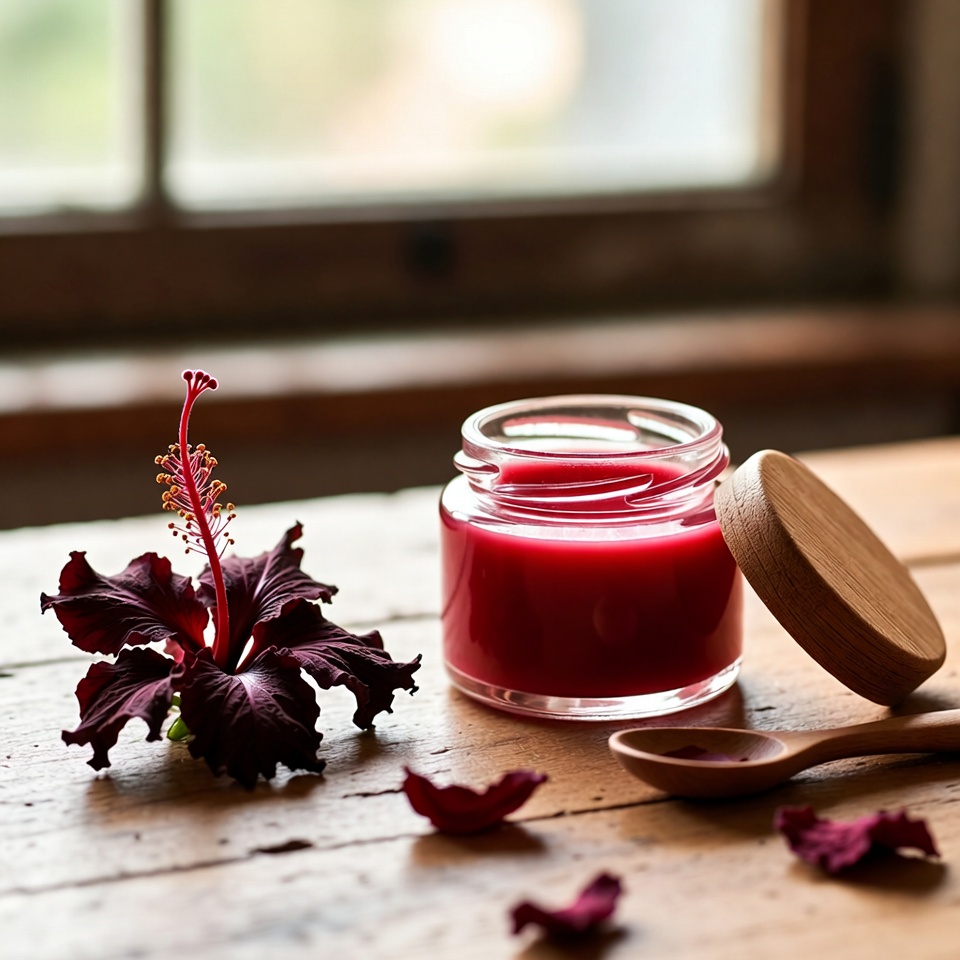
- They add a soft pink or red tint to the lips naturally
- They are packed with antioxidants
- They help lips look smooth and healthy
- They support moisture retention without relying on synthetic colorants
In some traditions, hibiscus is even referred to as the “botox plant” because of its reputation for helping skin appear fresher and more youthful. In lip balm, it delivers both nourishment and a delicate natural tint, making it especially useful for dry or cracked lips.
Benefits of Making Hibiscus Lip Balm at Home
Homemade hibiscus lip balm comes with many advantages.
1. Completely Natural Ingredients
When you make it yourself, you decide exactly what goes into the formula. That means no parabens, no artificial pigments, and no petroleum-based ingredients.
2. Suitable for Sensitive Lips
This type of balm is a gentle choice for people who deal with irritation, allergies, or delicate skin.
3. Budget-Friendly
One batch can fill several small containers, making it much more affordable than many store-bought lip products.
4. Easy to Personalize
You can change the shade, fragrance, and texture to match your preferences.
5. Better for the Environment
Homemade beauty products can help reduce plastic packaging and support a more sustainable lifestyle.
Ingredients for a Hibiscus Lip Balm Recipe
Main Ingredients
- 2 tablespoons dried hibiscus petals, preferably organic
- 1/4 cup carrier oil such as coconut oil, almond oil, or olive oil
- 1 tablespoon beeswax pellets, or candelilla wax for a vegan version
- 1 teaspoon shea butter or cocoa butter
Optional Ingredients
- 5 to 8 drops of essential oil such as rose, lavender, or vanilla
- 1 vitamin E capsule for extra nourishment and improved shelf life
Tools You Will Need
- A heat-safe glass bowl or double boiler
- A fine strainer or cheesecloth
- A spoon or spatula
- Small lip balm tubes, jars, or tins
Step 1: Infuse the Oil With Hibiscus
The natural color of this lip balm comes from infusing oil with dried hibiscus petals.
- Place the dried hibiscus petals in a heat-safe bowl.
- Pour your chosen carrier oil over the petals until they are fully covered.
- Set the bowl over a double boiler on low heat.
- Warm the mixture gently for 30 to 45 minutes, stirring from time to time.
- As it heats, the oil will gradually take on a deep red shade.
- Strain the petals out using cheesecloth or a fine strainer.
Tip: A longer infusion time usually creates a richer color in the finished balm.
Step 2: Melt the Lip Balm Base
- In a clean bowl, combine the hibiscus-infused oil, beeswax pellets, and shea butter or cocoa butter.
- Heat the mixture slowly using a double boiler until everything melts completely.
- Stir continuously so the texture stays smooth and even.
- Once fully blended, remove it from the heat.
Step 3: Add the Final Ingredients
- Let the mixture cool slightly, but do not allow it to solidify.
- Add the vitamin E and essential oils if you are using them.
- Stir thoroughly so the ingredients are evenly mixed throughout the balm.
Step 4: Pour and Let the Balm Set
- Carefully pour the liquid mixture into your lip balm containers or tins.
- Leave them at room temperature for 1 to 2 hours until the balm firms up.
- Once solid, place the lids on and label the containers if needed.
How to Use Hibiscus Lip Balm
- Apply directly to your lips whenever they feel dry
- Use it daily for moisture and a light natural tint
- Layer additional coats if you want a slightly deeper color
With regular use, lips can look softer, smoother, and naturally rosy.
Storage Tips and Shelf Life
- Keep the balm in a cool, dry place
- Expected shelf life is around 6 to 12 months
- Vitamin E can help maintain freshness for longer
Try not to leave the balm in very warm conditions, as heat may cause it to soften or melt.
Ways to Customize Your Hibiscus Lip Balm
One of the best parts of making homemade lip balm is the flexibility to adjust it to your liking.
For a Stronger Tint
- Increase the amount of hibiscus petals
- Infuse the oil for a longer period
For a Vegan Formula
- Swap beeswax for candelilla wax
For a Glossier Texture
- Add a little more coconut oil
For a More Matte Finish
- Use slightly more beeswax
Frequently Asked Questions
Is hibiscus lip balm safe to use every day?
Yes. If you make it with natural, food-grade ingredients, it is generally safe for daily use.
Will hibiscus permanently stain the lips?
No. It gives a light, temporary tint that gradually fades away.
Can homemade hibiscus lip balm be sold?
Yes. Many small beauty brands sell natural lip balm. Be sure to follow cosmetic laws and labeling rules in your area.
Can I use fresh hibiscus flowers instead of dried petals?
Dried hibiscus is the better option because it offers more consistent color and helps the balm last longer.
Why Natural Lip Balm Is Better Than Many Commercial Options
Many store-bought lip balms contain synthetic dyes, artificial fragrance, and petroleum-derived ingredients. A homemade hibiscus lip balm provides a cleaner beauty option that supports both personal wellness and environmental responsibility.
Choosing a natural lip balm also reflects a return to traditional beauty practices while fitting modern eco-conscious values.
Final Thoughts
Hibiscus lip balm is not just a simple beauty item. It highlights how natural ingredients can care for the skin while adding gentle color at the same time. Thanks to its antioxidant content, rich hue, and soothing qualities, this DIY hibiscus lip balm recipe is an excellent choice for anyone exploring natural skincare.
Whether you want to make it for yourself or include it in a small handmade beauty business, hibiscus lip balm is a classic, effective addition to any clean beauty routine.