High Creatinine and Diet: Which Fats Help and Which Ones to Limit
High creatinine levels can be stressful, especially when you are trying to figure out the best foods to support kidney health. Many people look for practical dietary changes that feel manageable and sustainable. One helpful place to start is with the fats you eat.
A kidney-conscious eating pattern is not just about cutting things out. It is also about choosing foods that support overall health. Research shows that heart-healthy fats may help reduce inflammation and promote cardiovascular wellness, both of which are closely connected to kidney function. Still, one important truth remains: some fats are beneficial, while others are better kept to a minimum.
Why Fat Choices Matter for Kidney Support
Fat is a necessary nutrient. It supplies energy, helps the body absorb vitamins, and supports normal cell activity. When kidney health is a concern, the goal is not to avoid fat entirely but to choose the right types in the right amounts.
Health organizations such as the National Institute of Diabetes and Digestive and Kidney Diseases point out that replacing less healthy fats with better options can support the heart and reduce unnecessary strain on the body.
That matters because different fats affect the body in different ways:
- Unsaturated fats may support circulation and help manage inflammation
- Saturated and trans fats can contribute to cholesterol issues and long-term health complications
Knowing this difference makes it easier to improve your meals without making your diet feel restrictive.
4 Safer Fats to Include More Often
Experts often recommend these fats as part of a more kidney-friendly eating approach. Most come from plants or oily fish and are rich in monounsaturated or polyunsaturated fats.
1. Olive Oil
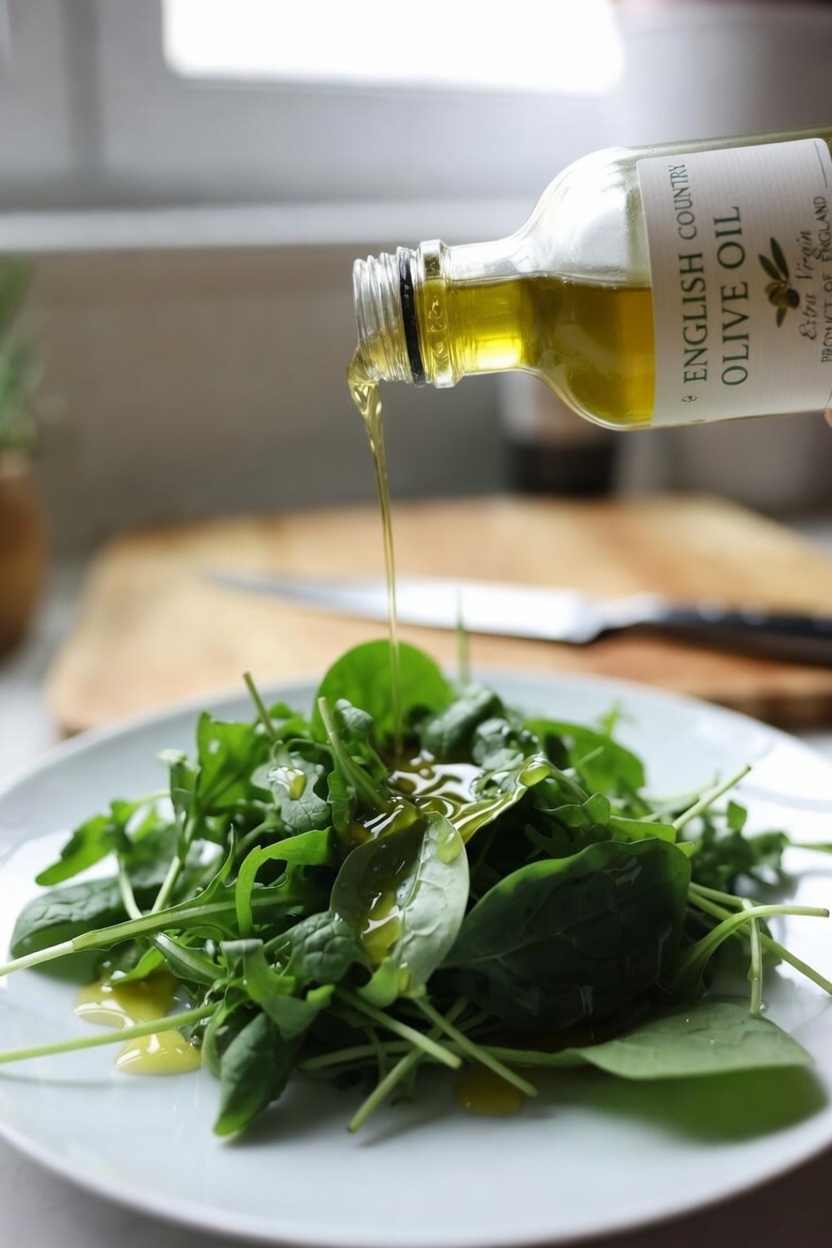
Olive oil is a key part of the Mediterranean diet and is rich in monounsaturated fat, especially oleic acid. Studies suggest it may offer anti-inflammatory benefits and support general wellness.
Simple ways to use it:
- Drizzle over salads
- Add a small amount to cooked vegetables
- Use for light sautéing or roasting
2. Avocado
Avocados provide a creamy texture along with heart-friendly monounsaturated fats. They also contain fiber, making them a satisfying addition to meals.
You can enjoy avocado in moderation by:
- Spreading it on whole-grain toast
- Slicing it into salads
- Adding a small portion to wraps or bowls
3. Fatty Fish Such as Salmon
Fish like salmon are well known for their omega-3 fatty acids, a type of polyunsaturated fat linked to lower inflammation. Including these fish in your diet may support both heart and kidney health.
Try preparing them by:
- Baking
- Grilling
- Poaching with herbs and lemon
A few servings each week can be a smart addition to a balanced plan.
4. Nuts and Seeds in Small Portions
Unsalted nuts and seeds, such as almonds or flaxseeds, offer healthy fats, fiber, and plant-based nutrition. Portion size is important, but a small amount can fit well into many eating patterns.
Easy ideas include:
- Sprinkling flaxseed over oatmeal
- Adding chopped nuts to yogurt
- Keeping a small handful as a snack
These options reflect common kidney nutrition guidance that encourages more unsaturated fats and fewer harmful fats.
4 Fats to Watch More Closely
Some fats are found mainly in processed foods or animal products. Eating less of them may help maintain a healthier balance.

1. Butter and Full-Fat Dairy
Butter, cream, and full-fat dairy products are often high in saturated fat. Over time, too much saturated fat may raise cholesterol and negatively affect heart health.
Better strategies include:
- Using smaller portions
- Trying plant-based alternatives when appropriate
- Choosing lower-fat versions if recommended by your healthcare provider
2. Processed Meats Like Bacon and Sausage
Processed meats are typically high in saturated fat and sodium. This combination can be less supportive for people who are paying attention to kidney and heart health.
Instead, consider:
- Lean poultry
- Fish
- Other less processed protein sources
3. Fried Foods and Fast Food
Many fried foods are cooked in oils that are high in saturated fat or may contain trans fats. These meals can also be heavily processed and high in sodium.
A better approach is to prepare foods at home using:
- Baking
- Air-frying
- Grilling
- Roasting
4. Baked Goods Made With Shortening or Margarine
Some packaged pastries, cookies, and baked items may contain trans fats or large amounts of saturated fat. These ingredients can work against your health goals if eaten often.
To make smarter choices:
- Read ingredient labels carefully
- Look for products made with healthier oils
- Make simple homemade versions when possible
Being mindful of these fats can help you improve your eating habits gradually, without feeling like you are giving up everything you enjoy.
Easy Ways to Add Better Fats to Your Day
Lasting change usually starts with small steps. Instead of overhauling your diet all at once, build healthier habits into your routine.
Here is a simple example:
- Morning: Add a teaspoon of olive oil to vegetables or spread avocado on toast
- Lunch: Top a salad with sliced avocado and a lean protein
- Snack: Have a small serving of unsalted nuts or seeds
- Dinner: Bake salmon with herbs and a light drizzle of olive oil
After a week or two, notice how these swaps fit into your day. Many people feel better when they replace heavily processed fats with more nutrient-dense choices.
Don’t Forget the Bigger Picture
Healthy fats can be helpful, but they are only one part of kidney support. No single food will dramatically change creatinine levels overnight. Progress usually comes from consistent habits over time.
For the best overall support, combine smart fat choices with:
- Good hydration
- Regular physical activity
- Balanced meals
- Follow-up with your healthcare team
A long-term approach is often more effective than quick fixes.
What About Beer, Peanuts, and Other Common Myths?
There are many online claims about foods or drinks that supposedly lower creatinine quickly. Beer and peanuts are two common examples, but the evidence does not support these as miracle solutions.
The National Kidney Foundation notes that alcohol can contribute to dehydration and may place added stress on the kidneys over time. Rather than helping, it may make things worse in some cases.
Peanuts do contain healthy fats when eaten in moderation. However, they also contain oxalates and phosphorus, so portion control matters, especially for people with specific kidney-related dietary restrictions.
The best strategy is to stick with evidence-based nutrition, not extreme shortcuts or internet myths.
Final Thoughts: Small Changes Can Make a Difference
Choosing healthier fats and cutting back on riskier ones is a practical step toward better kidney support. These changes may also benefit heart health, which is closely tied to kidney function.
The key is consistency. Small, realistic adjustments can be easier to maintain and more effective over time. Since everyone’s needs are different, it is always best to tailor your diet with professional guidance when needed.
FAQ
What are the best fats for people concerned about kidney health?
Unsaturated fats are usually the top choice. Olive oil, avocado, nuts, seeds, and fatty fish such as salmon are commonly recommended because they support heart health without excess saturated fat.
Can I eat nuts if my creatinine is high?
In many cases, yes, but portions should stay moderate. Some nuts contain phosphorus and potassium, so it is wise to ask a healthcare professional or dietitian what works best for your specific condition.
Which fats should I try to reduce?
Focus on limiting saturated and trans fats. These are often found in butter, fried foods, processed meats, and packaged baked goods. Reducing these can help create a healthier balance in your diet.