Why Walking Alone May Not Be Enough After 60
Walking is one of the best low-impact ways to stay active, support cardiovascular health, and maintain mobility with age. However, evidence suggests that once you are over 60, relying only on walking may not fully meet the body’s changing needs.
As we get older, common age-related changes such as declining muscle mass, reduced balance, joint stiffness, and slower circulation become more noticeable. Research from trusted institutions including Harvard Health and Johns Hopkins Medicine shows that combining walking with other forms of exercise can improve strength, heart function, stability, and day-to-day independence more effectively than walking alone.
If you want a safe and practical way to upgrade your routine, these surgeon-informed recommendations can help you support heart health while building a stronger, more capable body.

Why Exercise Variety Becomes More Important With Age
After 60, the body naturally changes in ways that affect movement and overall fitness. Muscle mass may decrease by roughly 3% each year, a process known as sarcopenia. Joints can feel less flexible, and repetitive activity alone may not provide enough challenge to preserve strength, balance, or full-body function.
Brisk walking is excellent for endurance and raising the heart rate, but it mainly works as lower-body aerobic exercise. By adding strength work, balance training, and flexibility-focused movement, you create a more complete fitness plan.
A balanced mix of exercise can help:
- Improve blood pressure control
- Support better circulation
- Reduce the risk of falls
- Increase energy
- Protect mobility and independence
- Build greater overall resilience
Another advantage is that many of these activities are gentle on the joints while still delivering meaningful heart and health benefits. Even better, most can be started at home with little or no equipment.
5 Smart Activities to Add Alongside Walking
Below are five effective, evidence-based options often recommended by health professionals to complement walking. Together, they help support cardiovascular health, muscle strength, balance, and long-term function.
1. Seated or Wall-Based Resistance Exercises
Strength training is especially important after 60 because it helps counter muscle loss and makes daily tasks easier. Seated and wall-supported movements are a simple way to build upper- and lower-body strength without putting too much stress on the joints.
Try these beginner-friendly examples:
-
Wall push-ups
- Stand facing a wall.
- Place your hands on the wall at chest level, about shoulder-width apart.
- Bend your elbows and lean in slowly.
- Push back to the starting position.
- Aim for 8 to 12 repetitions.
-
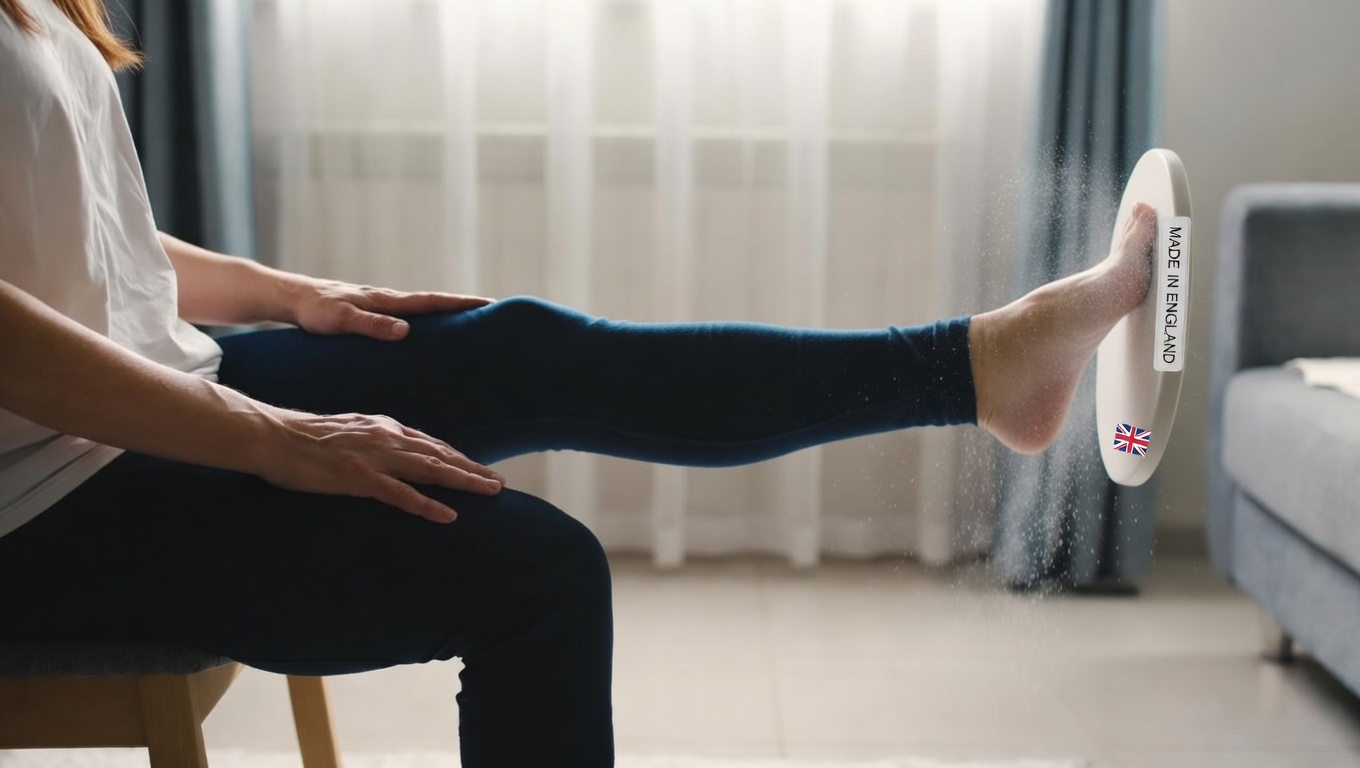
Seated leg lifts
- Sit upright in a sturdy chair.
- Extend one leg straight out.
- Hold for 3 to 5 seconds.
- Lower it with control.
- Repeat 10 times per leg.
Studies suggest resistance training can improve functional strength more than walking alone in certain cases, making it easier to stand up, climb stairs, and manage daily activities.
2. Gentle Swimming or Water Exercise
Water-based movement is an excellent option if walking on hard surfaces causes discomfort. Water provides both support and resistance, making it easier on the joints while still challenging the muscles and heart.
Good options include:
- Walking in chest-deep water
- Gentle lap swimming
- Slow freestyle arm movements
- Light aquatic exercise routines
A helpful goal is:
- 20 to 30 minutes
- 3 to 4 times per week
Swimming and water exercise strengthen the heart, improve endurance, and often feel easier than land-based workouts, even while delivering strong results.
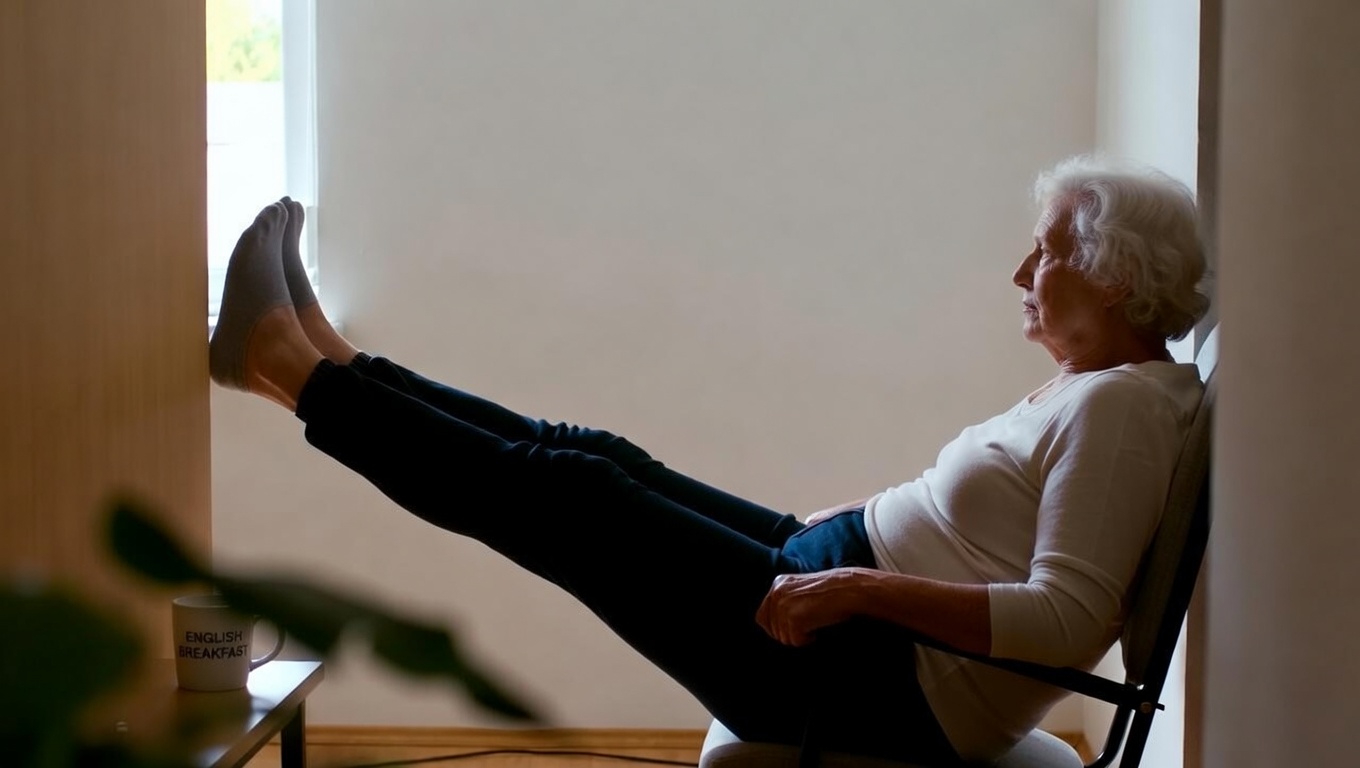
3. Stationary Cycling or a Recumbent Bike
Cycling offers steady cardiovascular exercise similar to walking, but with the added benefit of adjustable resistance. It can be especially useful for people who want a low-impact indoor option that is easy to maintain consistently.
To begin:
- Pedal at a moderate pace
- Choose an intensity where you can still talk, but feel your heart working
- Start with 10 to 15 minutes
- Gradually increase the duration as your stamina improves
Stationary cycling may help improve cardiovascular fitness, encourage better circulation in the legs, and provide a reliable alternative when outdoor walking is not practical.
4. Balance and Stability Training
Balance often declines with age, and poor stability increases the risk of falls. A fall can affect heart health indirectly by causing injury, limiting activity, and reducing confidence in movement. That is why balance work deserves a regular place in any over-60 fitness plan.
Simple options include:
-
Single-leg stands
- Stand near a chair or countertop for support
- Lift one foot slightly off the floor
- Hold for 10 to 30 seconds
- Repeat on the other side
-
Tai Chi-inspired movements
- Practice slow, controlled arm and leg motions
- Focus on posture, breathing, and smooth transitions
Research shows that balance training can significantly reduce fall risk in older adults, helping them stay active and independent for longer.
5. Chair Yoga or Gentle Stretching With Deep Breathing
Flexibility and stress management are both important for heart health. Chair yoga and gentle stretching combine light strengthening, mobility work, and relaxation. This matters because chronic stress can negatively affect blood pressure and heart rate.
Try simple movements such as:
- Sitting tall and raising your arms overhead as you inhale
- Lowering the arms slowly as you exhale
- Gentle seated twists
- Shoulder rolls
- Slow neck and upper-back stretches
Deep, steady breathing can also activate the body’s relaxation response. With regular practice, this type of movement may support lower inflammation, better mobility, and improved overall well-being.
Walking vs. These Extra Activities
Walking still has major benefits, especially for:
- Steady cardiovascular activity
- Improved mood
- Daily movement habits
- Endurance
However, the five additions above provide benefits that walking alone may not fully deliver, including:
- More muscle-building support
- Better joint protection
- Improved balance and fall prevention
- Greater flexibility
- More variety to avoid fitness plateaus
Most health guidelines recommend about 150 minutes of moderate activity per week, ideally using a mix of exercise types for the best outcome.
How to Start Safely
If you are new to these activities, keep things simple and gradual.
A safe starting point:
- Begin with 10 to 15 minutes per session
- Aim for 3 sessions per week
- Increase slowly as your comfort and stamina improve
Helpful tips:
- Warm up with light marching in place or gentle movement
- Cool down with stretching
- Stop if something feels wrong
- Speak with your doctor if you have concerns or preexisting medical conditions
- Track your sessions in a notebook to stay motivated
One benefit people often notice is that consistent, varied movement improves everyday life. Simple tasks like climbing stairs, standing up from a chair, or playing with grandchildren may begin to feel easier and less tiring.
Final Thoughts
Adding these five activities to your weekly routine can create a more complete and effective approach to heart health after 60. Walking remains valuable, but combining it with strength work, balance practice, flexibility, and low-impact cardio can better support the body’s needs as it ages.
The most important step is to start gently, stay consistent, and build over time. Small, manageable changes can lead to meaningful improvements in how you feel, move, and function every day.
FAQ
Is it okay to stop walking completely if I do these instead?
Walking is still an excellent form of exercise for many older adults. In most cases, these activities work best as a complement to walking rather than a total replacement. Experts generally recommend keeping some form of regular daily movement while adding variety.
How quickly can I expect to feel a difference?
Some people notice better energy and easier daily movement within 4 to 6 weeks of consistent practice. Results vary depending on your health, fitness level, and how often you exercise.
Do I need a gym or special equipment?
No. Most of these exercises can be done at home with a sturdy chair or a wall. Access to a pool or stationary bike can be helpful, but it is not necessary to get started.