Best Fruits to Eat When Creatinine Is High
Seeing high creatinine on a blood test can be stressful. It often raises immediate questions about what you should change, especially in your everyday diet. For many people, one of the first concerns is fruit: which kinds are still okay to eat, and which ones should be limited?
The reassuring news is that some fruits can still be part of a kidney-conscious meal plan. The right choices may provide hydration, fiber, antioxidants, and natural sweetness without placing unnecessary pressure on the kidneys.
However, fruit is not one-size-fits-all when kidney health is a concern. Some varieties are naturally lower in potassium and phosphorus, which may make them easier to include more regularly. Others are more concentrated in these minerals and may require stricter portion control. Later in this guide, you’ll also find simple ways to add the better options to your day, plus one easy daily habit that can support overall wellness.
What Creatinine Means and Why Food Choices Matter
Creatinine is a waste substance produced by normal muscle activity. Healthy kidneys usually remove it from the blood efficiently. When creatinine levels increase, it may be a sign that the kidneys are not filtering as effectively as they should.
Although food alone is not a treatment, diet can play a meaningful role in supporting kidney health. Nutrition guidance often recommends paying attention to minerals such as potassium and phosphorus, especially when kidney function is reduced. Choosing foods that are naturally lower in these nutrients may help make daily eating easier to manage.
Organizations such as the National Kidney Foundation emphasize the value of balanced fruit and vegetable intake for general health. The goal is not to avoid produce altogether, but to select options that offer vitamins, hydration, and protective plant compounds while fitting your individual needs.
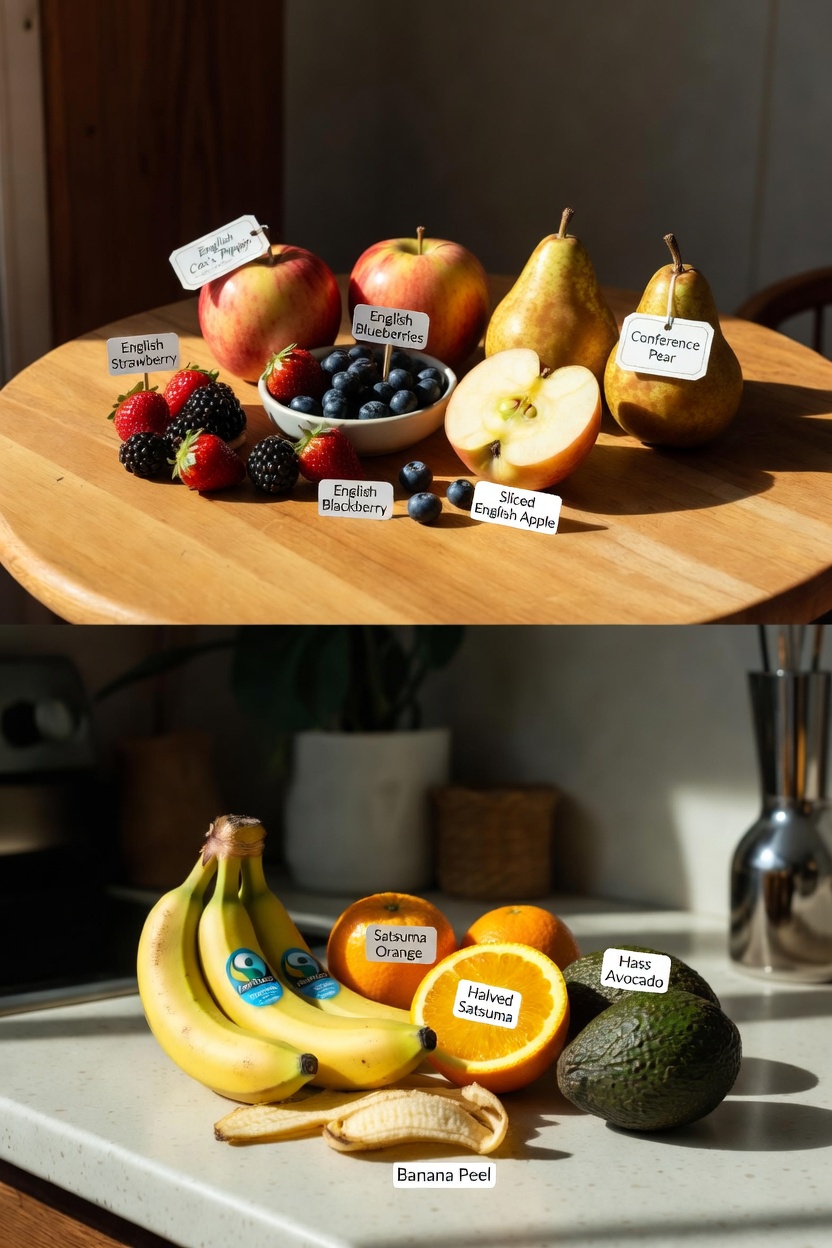
3 Fruits Often Considered Better Choices
The following fruits are commonly included in kidney-friendly eating plans because they tend to be lower in potassium and phosphorus than many other fruits. Portion size still matters, so it is always best to confirm with your doctor or dietitian.
1. Apples
Apples are a dependable, easy-to-find fruit that works well in many meal plans. One medium apple contains about 195 mg of potassium and roughly 20 mg of phosphorus, making it a relatively moderate option.
They are also a good source of fiber and antioxidants. Their pectin content may support digestion, which can contribute to overall well-being. Apples are practical, filling, and easy to eat fresh, sliced, or cooked.
2. Berries
Blueberries, strawberries, and cranberries are often favored for kidney-conscious diets. These fruits are rich in antioxidants, which may help the body deal with oxidative stress.
A half-cup of blueberries contains about 65 to 114 mg of potassium and very little phosphorus. Berries are also flexible in the kitchen. You can eat them plain, stir them into breakfast foods, or blend them into lighter drinks and snacks.
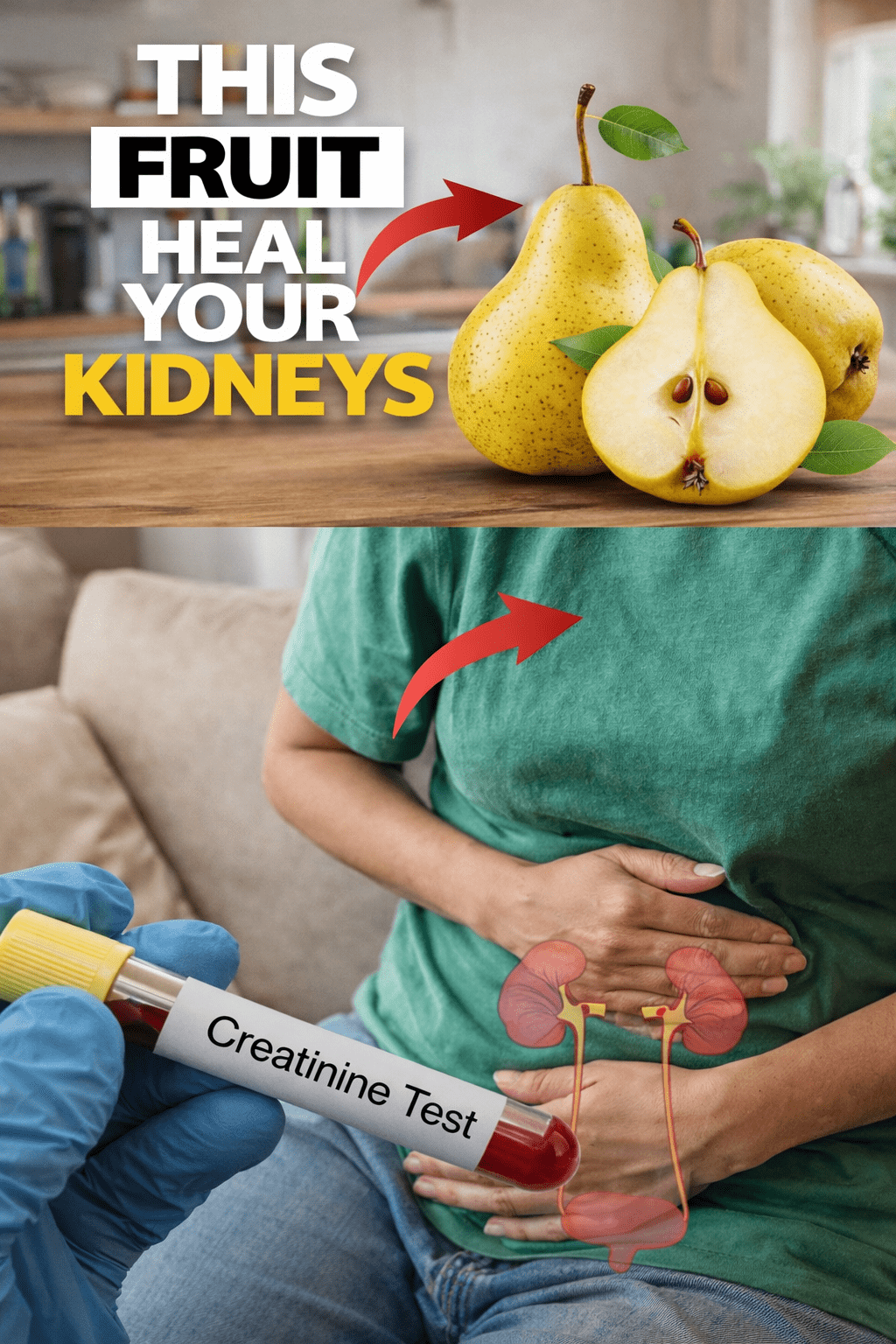
3. Pears
Pears offer a mild sweetness, good water content, and useful fiber. A medium pear typically contains around 200 mg of potassium and is generally low in phosphorus.
They are often appreciated for being gentle on digestion. Some nutrition discussions also point to compounds such as malic acid as potentially beneficial for urinary wellness, though they should still be viewed as part of a broader healthy diet rather than a cure.
Quick Comparison Table
| Fruit | Approx. Potassium (per serving) | Approx. Phosphorus | Why It’s Often Chosen |
|---|---|---|---|
| Apple (1 medium) | 195 mg | 20 mg | High in fiber, moderate mineral load |
| Blueberries (1/2 cup) | 65-114 mg | 7-18 mg | Rich in antioxidants, lower in calories |
| Pear (1 medium) | ~206 mg | Low | Hydrating and easy on digestion |
These fruits can be useful choices, but knowing what to limit is just as important.
3 Fruits to Limit or Eat More Carefully
Some fruits contain more potassium, which may become a concern when kidney function is reduced. That does not always mean they must be avoided completely, but they are often better eaten in smaller amounts and with professional guidance.
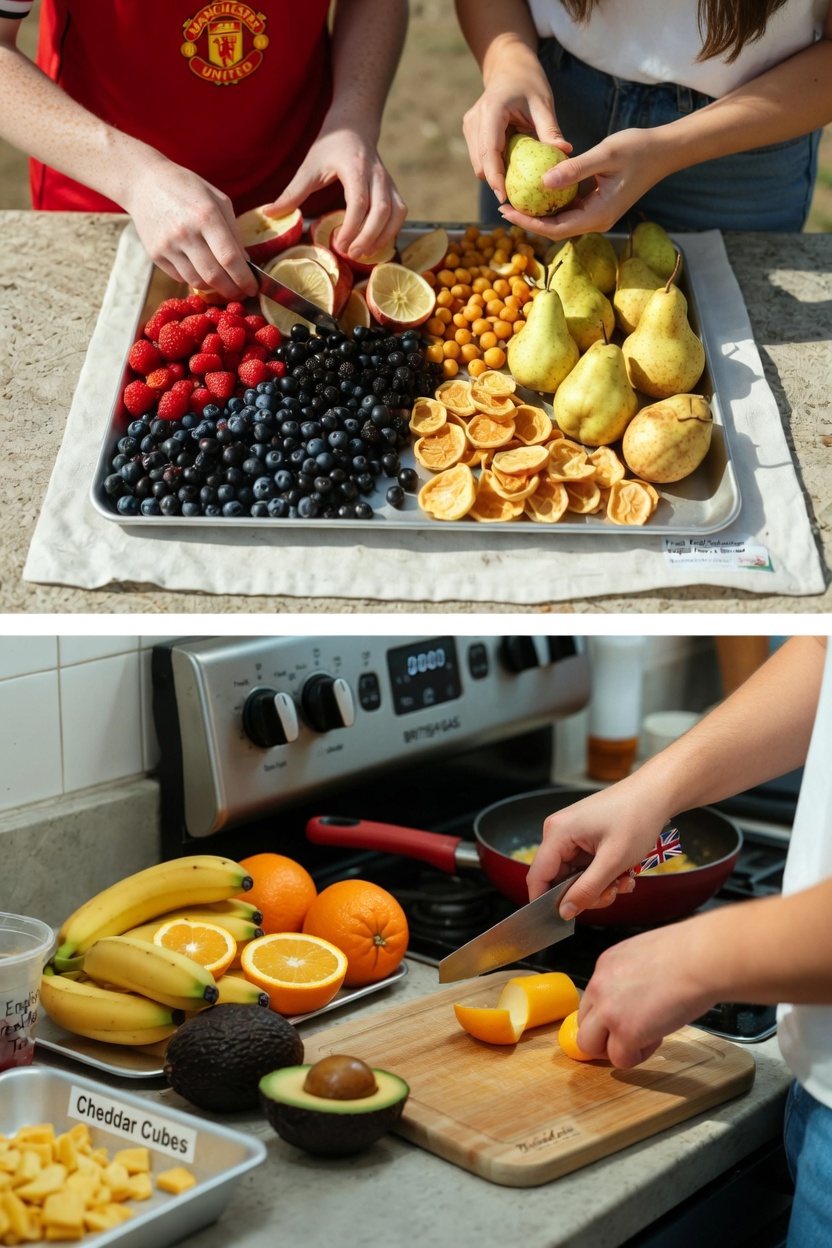
1. Bananas
Bananas are well known for being rich in potassium. One medium banana contains more than 400 mg. If you eat them frequently, they may contribute to higher potassium intake than is ideal for a kidney-focused plan.
2. Oranges and Orange Juice
An orange provides around 237 mg of potassium, and orange juice can contain even more in a concentrated form. Many kidney diet recommendations suggest switching to lower-potassium alternatives, such as apple juice or cranberry juice, depending on your overall plan.
3. Avocados
Avocados are highly nutritious, but they are also very high in potassium. One whole avocado may contain close to 700 mg. For people who need to monitor mineral intake closely, they are usually best eaten sparingly.
Helpful Ways to Handle Higher-Potassium Fruits
If these fruits are part of your diet, a few simple habits can help:
- Keep portions small.
- In some cases, choose canned fruit packed in water and drain it before eating, as this may help reduce mineral content for certain fruits.
- Fit fruit choices into your full daily meal plan instead of judging them in isolation.
- Follow your latest lab results and your clinician’s advice.
Easy Ways to Add Better Fruit Choices to Your Day
Making changes does not have to feel difficult. Small adjustments are often the most realistic and sustainable.
- Add sliced apple or pear to breakfast for natural sweetness and fiber.
- Blend a small handful of berries into a smoothie with water or a low-potassium milk alternative such as rice milk.
- Keep fresh pears ready for an afternoon snack.
- Watch serving sizes by aiming for about 1/2 to 1 cup of lower-potassium fruit at a time.
- Drink enough water throughout the day to support hydration.
Many people find that choosing gentler fruit options regularly helps meals feel lighter, simpler, and more satisfying.
One Daily Habit That Can Make a Difference
A practical routine worth trying is pairing hydration with fiber-rich fruit. Starting the morning with an apple or pear, for example, may support digestion, help you feel refreshed, and make it easier to maintain steady eating habits.
When this is combined with mindful portions and regular water intake, it becomes a simple habit that can support daily kidney-friendly living.
Final Thoughts: Small Food Swaps Can Help
Having high creatinine does not automatically mean giving up fruit or removing all enjoyment from your meals. Choosing lower-potassium options such as apples, berries, and pears more often—and being more cautious with bananas, oranges, and avocados—can make your diet easier to manage.
These small decisions, especially when guided by trusted medical and nutrition advice, can support your overall health and make everyday eating feel more balanced.
Frequently Asked Questions
What makes a fruit kidney-friendly?
A fruit is often considered more kidney-friendly when it is lower in potassium and phosphorus. These fruits may place less burden on the kidneys than higher-mineral options. Apples and berries are common examples.
How much fruit can I eat if my creatinine is high?
A common general target is 2 to 3 servings of lower-potassium fruit per day. Still, the right amount depends on your kidney function, lab values, medications, and overall diet, so personal guidance from your doctor or dietitian is important.
Can these fruits lower creatinine by themselves?
Not usually. Fruit can support overall health and may fit into a kidney-conscious eating plan, but creatinine levels are affected by many factors. Ongoing monitoring and medical care are essential.