Baking Soda in Water: Potential Benefits, Uses, and Safety Tips
Many people experience occasional digestive discomfort after eating, such as bloating, mild heartburn, or that heavy feeling that makes the rest of the day less pleasant. Even when symptoms are minor, they can still interfere with daily comfort and lead people to look for simple, natural ways to feel better. One familiar household ingredient that often comes up in these conversations is baking soda, also called sodium bicarbonate. Although it has been used in homes for decades, its possible role in digestive support and physical performance is worth a closer look. This article reviews what current research suggests about drinking small amounts of baking soda, including possible benefits, limitations, and key safety precautions.
What Is Baking Soda?
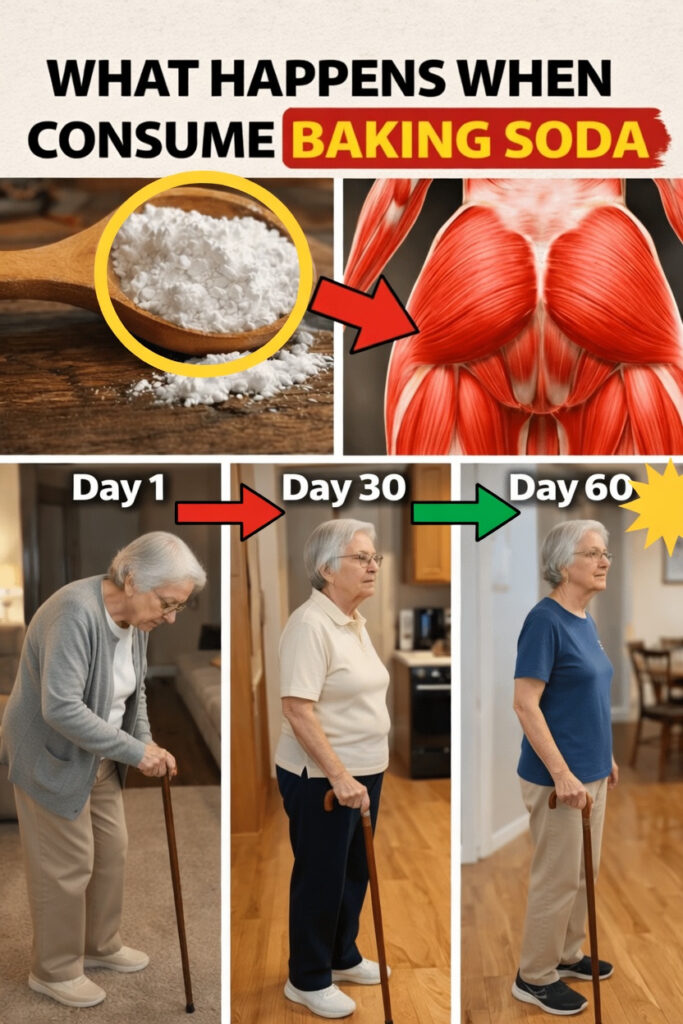
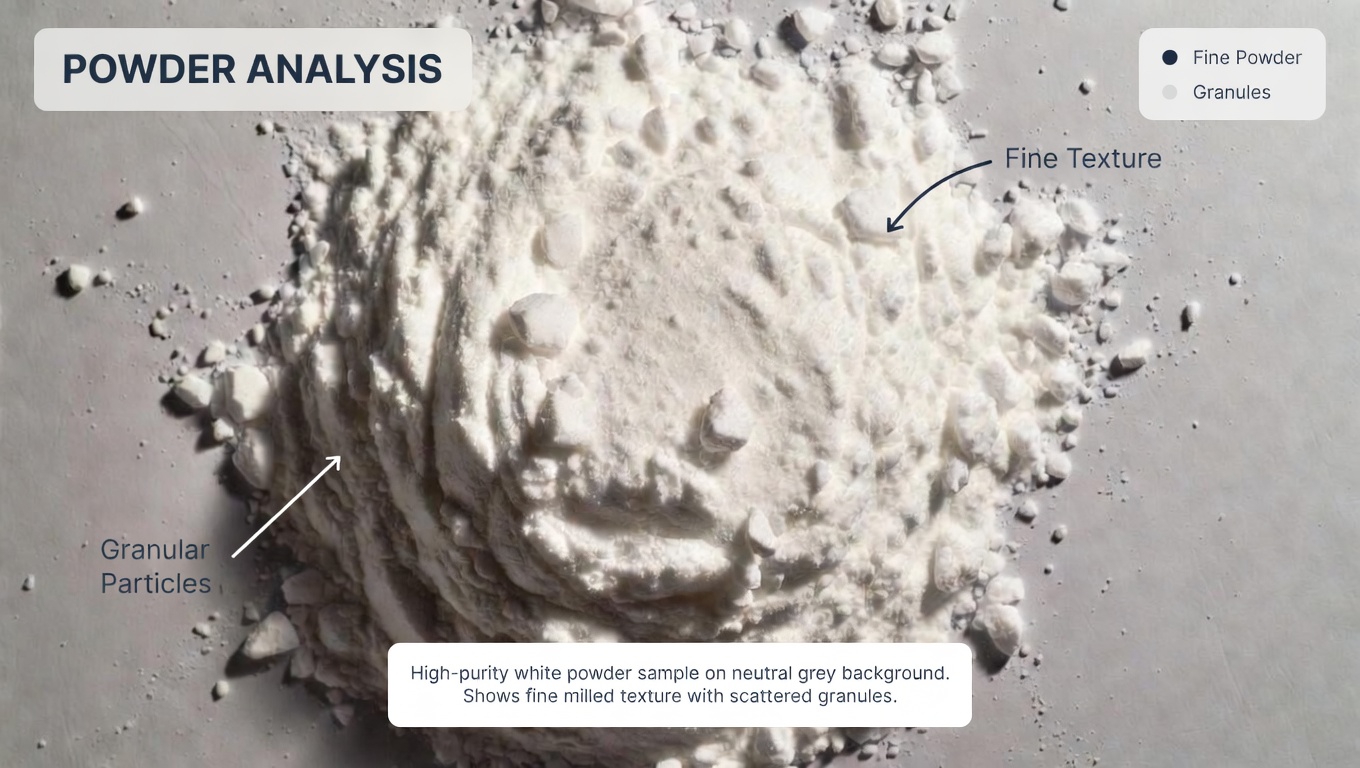
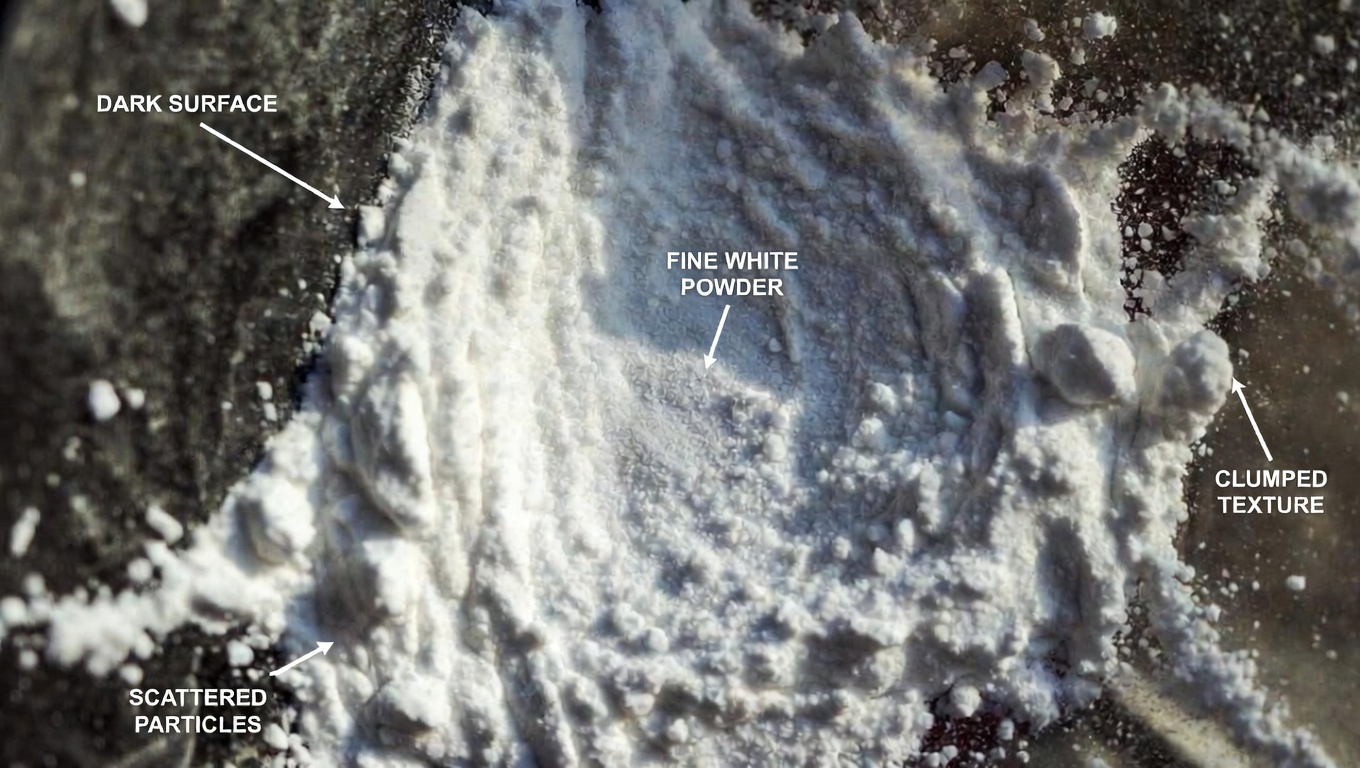
Baking soda is a white powder made from sodium bicarbonate. Its main characteristic is that it is alkaline, which means it can help counteract acid. That is one reason it is commonly included in some over-the-counter remedies for occasional heartburn or indigestion.
When sodium bicarbonate is mixed with water and consumed, it reacts with stomach acid. This chemical reaction produces carbon dioxide, water, and salt. That process helps explain why it may provide short-term relief in certain digestive situations.
Research generally considers sodium bicarbonate safe when used in normal food-related amounts. However, intentionally drinking it for wellness or performance purposes should be done carefully and in moderation.
How Baking Soda May Help with Occasional Digestive Discomfort
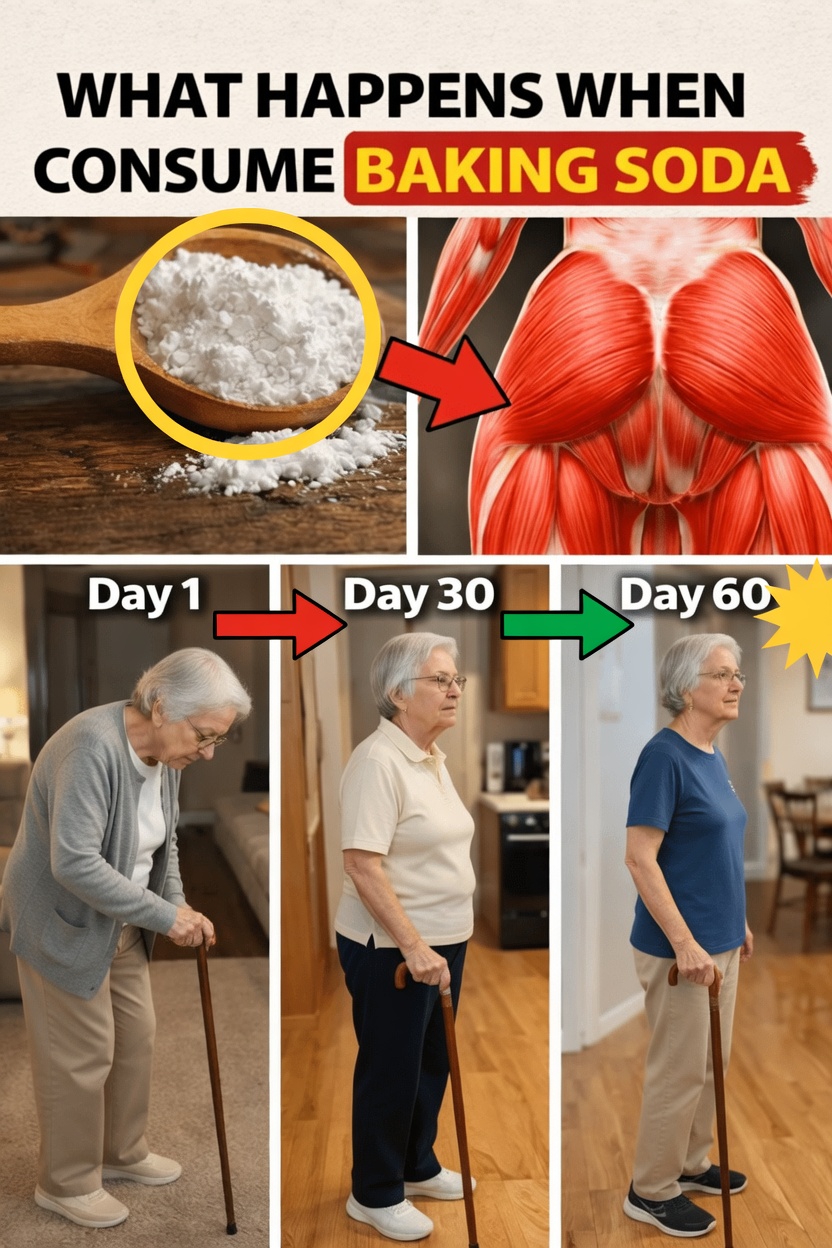
One of the best-known uses of baking soda is for temporary relief from indigestion and mild heartburn. Health sources such as WebMD and Mayo Clinic note that sodium bicarbonate can briefly neutralize excess stomach acid.
For some people, dissolving a small amount in water may reduce symptoms of occasional acid indigestion, especially after a large meal or foods that are particularly rich or acidic. It is often mentioned as a short-term home remedy, but not as something to rely on every day.
Possible digestive benefits include:
- Quick neutralization of excess stomach acid
- Temporary relief after heavy meals
- Easy use when dissolved in water
Even so, recurring digestive symptoms should not be ignored. If heartburn, indigestion, or bloating keeps happening, it is better to speak with a healthcare professional than to manage it on your own long term.
Possible Effects on Exercise Performance
Baking soda has also attracted attention in sports nutrition, especially for short, intense exercise. Research, including statements from the International Society of Sports Nutrition, suggests that sodium bicarbonate may improve performance in high-intensity efforts lasting roughly 30 seconds to 12 minutes.
This effect is linked to metabolic alkalosis, a condition in which the body becomes more alkaline. In practical terms, this may help buffer the acid that builds up in muscles during demanding exercise such as sprinting, interval cycling, rowing, swimming, or combat sports.
Some studies and meta-analyses report small but meaningful performance improvements during repeated bursts of intense effort. These benefits seem more likely in trained athletes and during anaerobic exercise rather than long, steady endurance sessions.
Common research-based exercise guidelines:
- Studied doses often range from 0.2 to 0.3 grams per kilogram of body weight
- It is usually taken 60 to 180 minutes before exercise
- Effects may be more noticeable during short, high-intensity activity
Still, individual results vary. Some people notice a benefit, while others may feel little difference or experience digestive discomfort instead.
Side Effects and Risks to Keep in Mind
Although baking soda may offer certain benefits, it is not risk-free. Taking too much, using it too often, or consuming it in the wrong setting can cause unwanted effects. Since it reacts with stomach acid and produces gas, some people may experience bloating, belching, nausea, or stomach discomfort.
Because baking soda contains sodium, larger amounts may also increase sodium intake significantly. That can affect fluid balance, blood pressure, and kidney function in some individuals. In rare but serious cases, excessive use has been associated with metabolic alkalosis and severe gastrointestinal issues.
Medical reports also point out that using baking soda after a very large meal may increase stomach pressure because of gas production. For that reason, frequent or high-dose use should never be treated casually.
Common side effects may include:
- Bloating, gas, or stomach cramps
- Nausea or abdominal discomfort
- Increased sodium intake that may affect blood pressure or hydration
- Possible interactions with medications or existing health conditions
If you decide to try it, begin with a small amount and stop immediately if you notice discomfort or unusual symptoms.
How to Use Baking Soda More Safely
If you are considering baking soda as an occasional tool, safety and moderation should come first. General recommendations often include the following:
For occasional digestive relief
- Mix 1/4 to 1/2 teaspoon of baking soda in a glass of water
- Sip it slowly after a meal if needed
- Use it only for short-term relief, not as a daily habit
For exercise support
- A commonly studied amount is 0.2 to 0.3 g per kilogram of body weight
- Mix it with water and take it 1 to 3 hours before intense exercise
- Some people find that taking it with a carbohydrate-rich snack may reduce stomach upset
Additional safety tips
- Pay attention to how your body responds
- Stay well hydrated throughout the day
- Stop use if any side effects appear
- Talk with a doctor or dietitian before regular use, especially if you have high blood pressure, kidney issues, or take prescription medication
These basic steps can help lower the risk of complications while keeping use practical and controlled.
Baking Soda Compared with Other Common Options
Baking soda can be useful in certain situations, but it is not always the best or most complete solution. Comparing it with other common products helps clarify where it may fit.
| Aspect | Baking Soda (Sodium Bicarbonate) | Over-the-Counter Antacids | Electrolyte Drinks for Exercise |
|---|---|---|---|
| Primary use | Neutralizes acid, occasional relief | Heartburn and indigestion relief | Hydration and mineral replacement |
| Main ingredient | Sodium bicarbonate | Various ingredients such as calcium or magnesium compounds | Sodium, potassium, carbohydrates |
| Potential benefits | Quick acid neutralization, possible support for intense exercise | Fast symptom relief | Supports recovery and endurance |
| Common drawbacks | Gas, bloating, high sodium content | May cause constipation in some cases | Can contain added sugar and calories |
| Best for | Short-term, occasional use | Frequent symptom management under guidance | Longer workouts and hydration support |
This comparison shows that baking soda may be helpful in specific cases, but it is not a universal answer for every digestive or fitness need.
Final Thoughts
Baking soda is more than just a baking ingredient. Research suggests it may help with occasional digestive discomfort and may also support performance during short, high-intensity exercise. Its main value comes from its ability to affect acid balance in the stomach and body.
The most important point is balance. Small, informed use may work well for some people, while others may be better served by different options. Personal response matters, and safety should always come before convenience. If you are unsure whether baking soda is appropriate for you, professional guidance is the smartest next step.
FAQ
Is it safe to drink baking soda water every day?
For most healthy adults, occasional use may be tolerated, but daily use is generally not recommended. The sodium content and risk of side effects make long-term regular use less ideal. If you are thinking about using it often, speak with a healthcare provider first.
Can baking soda improve exercise recovery?
Most research focuses on performance during intense exercise rather than recovery afterward. It may help buffer acid during hard efforts, but evidence for faster recovery is limited.
What should I do if I get side effects from baking soda?
Stop taking it right away. If you develop severe bloating, vomiting, confusion, or significant discomfort, seek medical attention promptly. For mild symptoms, drinking water and discontinuing use may help.