
Natural Ways to Relieve Dry Eyes in a Screen-Focused World
Modern life keeps our eyes locked onto phones, laptops, tablets, and televisions for hours at a time. When that happens, we often blink less and forget to pause, which can leave the eyes feeling dry, irritated, tired, or unfocused. Over time, symptoms like itchiness, blurry vision, and eye fatigue can interfere with work, concentration, and everyday comfort.
The encouraging part is that a few simple daily habits and supportive nutrition choices may help maintain eye moisture and ease discomfort naturally. If your eyes often feel strained after screen use, these practical tips may help.

What Causes Digital Eye Strain and Dry Eye Symptoms?
Extended screen exposure is one of the most common reasons people experience dry, overworked eyes. When you stare at a display, your blink rate usually drops, which means your eyes do not spread tears as effectively across the surface. This can lead to less natural lubrication and more irritation.
According to organizations such as the American Academy of Ophthalmology, common symptoms may include:
- Dryness
- Burning or stinging
- Inconsistent or blurry vision
- Eye tiredness, especially later in the day
Natural strategies are not a medical cure, but they can be useful as part of a balanced routine to improve comfort and reduce strain. Many people notice that small adjustments make a meaningful difference over time.
Use the 20-20-20 Rule to Give Your Eyes a Break
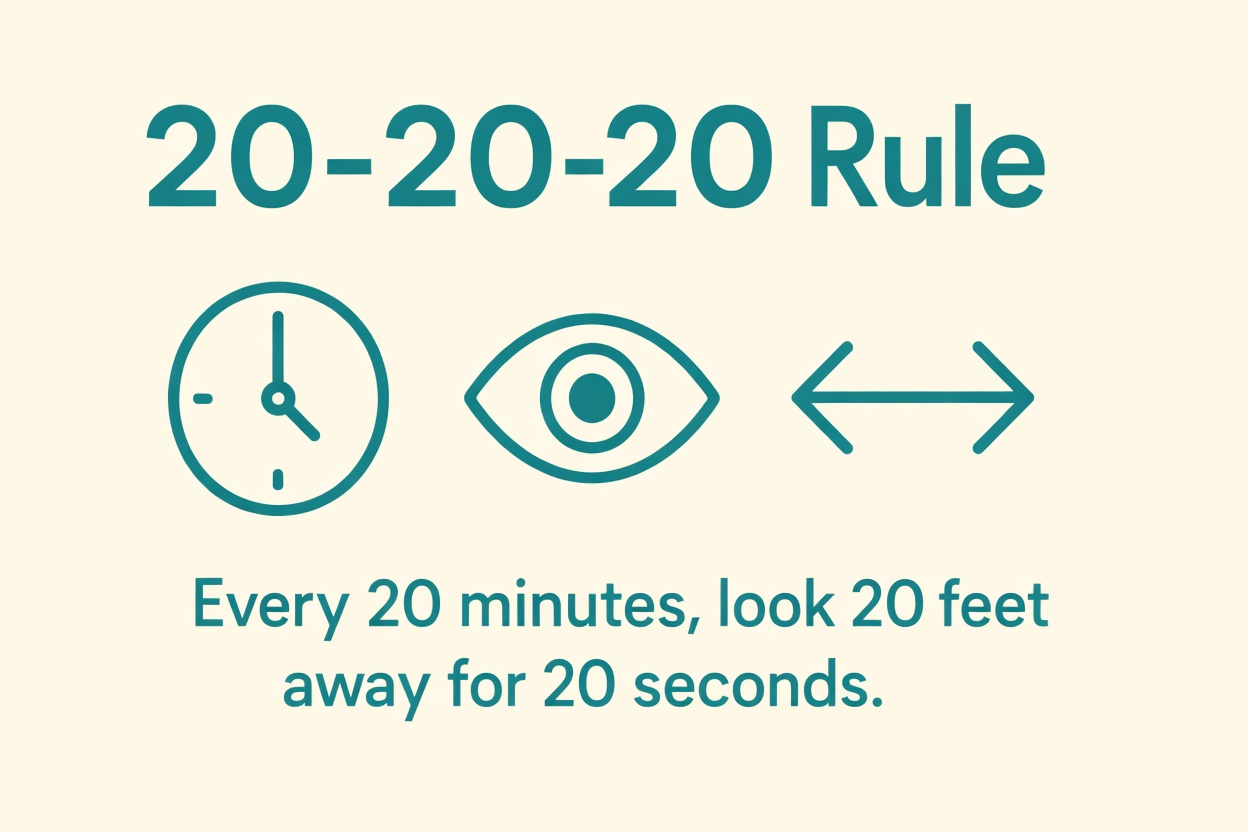
One of the easiest ways to reduce screen-related discomfort is the 20-20-20 rule.
Here is how it works:
- Every 20 minutes
- Look at something about 20 feet away
- Keep your gaze there for at least 20 seconds
This short pause allows your eye muscles to relax and encourages more natural blinking. Because it is quick and effortless, it is one of the most practical habits for people who spend long hours working on screens.
Many people find that using this rule regularly helps reduce end-of-day eye strain and makes screen time feel less exhausting.
Gentle Eye Exercises for Flexibility and Relaxation
Like the rest of the body, the eyes benefit from light movement. Simple focusing exercises may help reduce tension and support visual flexibility.
Try this easy focus-shifting exercise:
- Hold your thumb about 6 inches in front of your face
- Focus on your thumb for a moment
- Shift your attention to an object farther away
- Alternate between near and far focus 10 to 15 times
- Repeat this 2 to 3 times a day
This exercise may help ease tightness caused by prolonged close-up viewing. Another helpful habit is to blink intentionally while using digital devices. Conscious blinking helps spread your natural tears more evenly and can improve eye comfort during long work sessions.
Even brief eye exercises can become calming mini-breaks throughout the day.
Eat Foods That Help Support Eye Comfort
What you eat can influence overall eye health and tear quality. Nutrient-rich foods may help support the eyes by providing antioxidants, healthy fats, and vitamins linked to visual wellness.
Consider adding more of these foods to your meals:
- Leafy greens such as spinach and kale for lutein and zeaxanthin
- Carrots and sweet potatoes for beta-carotene, which supports vitamin A intake
- Citrus fruits and bell peppers for vitamin C
- Eggs for zinc and other protective nutrients
- Fatty fish like salmon for omega-3 fatty acids that may support tear quality
Sources referenced by Healthline and the Cleveland Clinic suggest that these nutrients may help support tear production and reduce oxidative stress. A varied, colorful diet benefits the whole body, and your eyes are part of that picture too.

Castor Oil in Eye Drops: What You Should Know
Some lubricating eye drops sold over the counter contain castor oil as part of a specially formulated product. Information from sources such as WebMD and Mayo Clinic notes that castor-oil-based emulsions may help reduce tear evaporation by supporting the eye’s lipid layer.
However, there is an important distinction: these products are sterile, eye-specific, pharmaceutical formulations. They are not the same as regular bottled castor oil.
Important safety reminder:
- Do not place pure castor oil directly into your eyes
- Non-sterile oil may cause irritation
- It can increase the risk of infection
- It may blur vision or block glands
Eye specialists, including experts from the American Academy of Ophthalmology, advise using only approved lubricating drops made specifically for eye care. If you are considering eye drops for dry eyes, it is best to choose a trusted product and speak with your eye doctor first.
Other Gentle Habits That May Help Keep Eyes Hydrated
A few additional lifestyle habits can also support eye comfort and moisture balance.
Get Brief Morning Light Exposure
Natural morning light may help regulate your body’s internal rhythms, which can indirectly support overall eye function and wellness. Spending a few minutes outside in the morning can be a simple addition to your routine.
Stay Well Hydrated
Dehydration can make dry eye symptoms feel worse. Drinking enough water throughout the day supports overall moisture balance, including eye comfort.
Reduce Glare and Improve Lighting
Harsh lighting and screen glare can increase eye fatigue. Try adjusting room lighting, repositioning screens, or using blue-light filters if they make viewing more comfortable for you.
Try External Warm or Cool Compresses
Some people find relief from cooled chamomile tea bags placed gently over closed eyes. These should be used only as an external compress, never as eye drops unless a product is specifically sterile and approved for eye use.
Be Careful With Supplements
Supplements such as omega-3s or bilberry are popular for eye support, though research findings are mixed. If you are interested in trying them, it is wise to discuss the option with a healthcare professional.

Quick Comparison of Daily Dry Eye Relief Tips
| Tip | Potential Benefit | Ease of Starting |
|---|---|---|
| 20-20-20 Rule | Reduces strain and encourages blinking | Immediate |
| Eye Exercises | Supports focusing flexibility | A few minutes a day |
| Nutrient-Dense Foods | Helps support tear quality and eye health | Add to daily meals |
| Approved Lubricating Drops | May reduce tear evaporation | Easy to buy over the counter |
| Morning Light | Supports healthy body rhythms | Step outside briefly |
These habits can work well together. When practiced consistently, they may provide more noticeable and lasting comfort than relying on just one method alone.
Common Questions About Natural Dry Eye Relief
Are these habits enough for severe dry eyes?
They may help with mild symptoms, but ongoing or intense dryness should be evaluated by an eye care professional.
Is pure castor oil safe to put in the eyes?
No. Experts recommend using only sterile eye drops specifically made for ophthalmic use. Pure castor oil can irritate the eyes and increase infection risk.
How quickly can improvement happen?
Some people notice mild relief within a few days, especially when they stay consistent with breaks, hydration, and better blinking habits. Results vary from person to person.

Final Thoughts
Improving eye comfort naturally does not have to be complicated. Simple steps like taking regular screen breaks, eating eye-supportive foods, staying hydrated, and using safe lubricating options can help counter the effects of modern digital habits.
Start with small changes, notice what helps most, and be consistent. If symptoms continue or worsen, professional guidance is the safest next step for protecting your long-term eye health.