Natural Tree Resin: Benefits, Uses, and Traditional Value
Natural tree resin is a golden, amber-like substance that seeps from bark when a tree is injured or under stress from pests or harsh environmental conditions. Thick, sticky, and often translucent, it forms as part of the tree’s protective response. For centuries, people have treasured this material for its role in medicine, skincare, incense, craftsmanship, and even food-related applications.
From pine resin to cherry gum, acacia gum, mastic resin, and frankincense, natural resins are known for their antimicrobial, anti-inflammatory, aromatic, adhesive, and preservative qualities.
What Is Tree Resin?
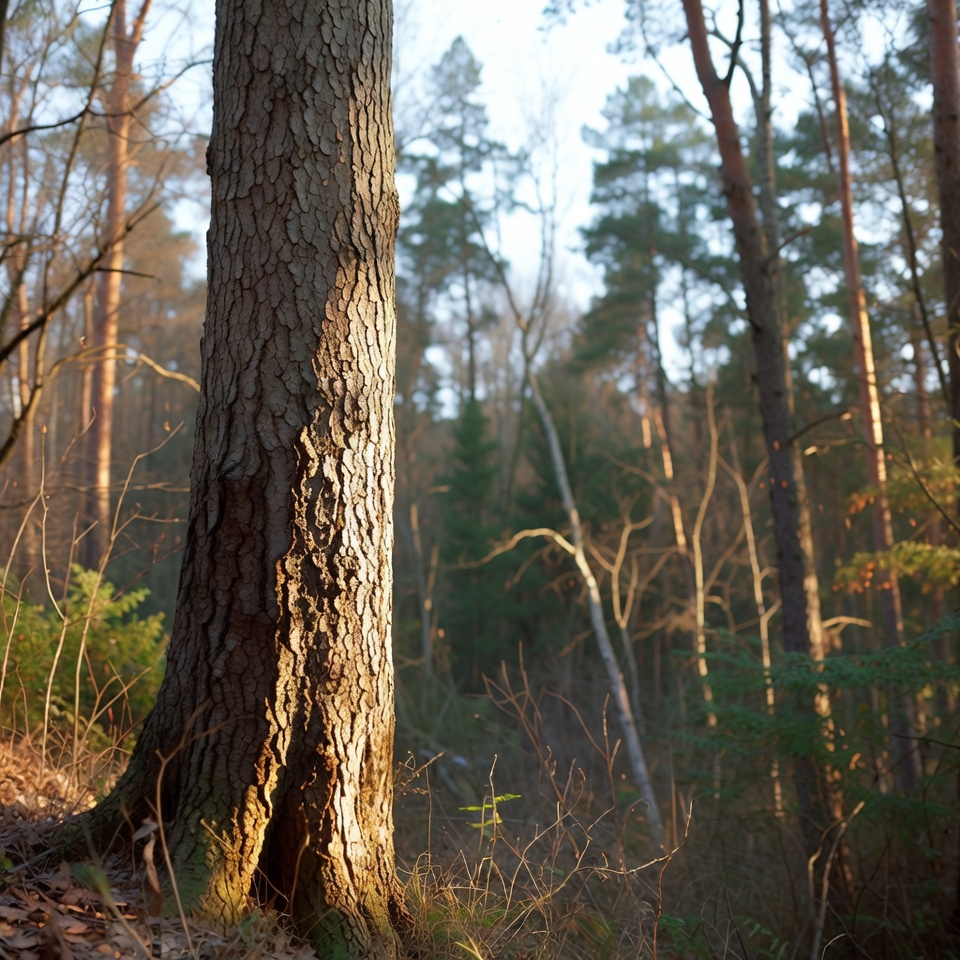
Tree resin is a dense, sticky secretion that gradually hardens when it comes into contact with air. Trees produce it as a natural defense system to:
- close wounds in the bark
- reduce the risk of infection
- deter insects
- defend against fungi and bacteria
Each species creates a resin with its own distinct characteristics and uses. Common examples include:
- Pine resin
- Cherry gum
- Acacia gum
- Mastic resin
- Frankincense
Key Benefits of Natural Tree Resin
1. Natural Antimicrobial Support
Many types of resin contain plant compounds that help limit the growth of bacteria, fungi, and other microbes. In traditional practices, resin was often used to:
- clean wounds
- protect cuts and scrapes
- calm minor skin irritation
Pine resin, in particular, has long been valued as a natural topical antiseptic.
2. Anti-Inflammatory Properties
Certain natural resins are believed to help reduce inflammation when used externally. They have traditionally been applied for:
- mild joint discomfort
- sore muscles
- irritated skin
- insect bites
In some cultures, warmed resin poultices were used to ease localized swelling and discomfort.
3. Traditional Respiratory Support
Some resins, especially pine resin, were historically used to support respiratory wellness. When burned as incense, they were believed to help:
- open the airways
- ease congestion
- cleanse indoor air
Their fragrant compounds were traditionally thought to act as natural expectorants.
4. Strong Natural Adhesive
Because resin hardens quickly and bonds firmly, it became an important natural adhesive in traditional life. It has been used for:
- sealing containers
- repairing wooden tools
- waterproofing leather and fabric
- making arrows, baskets, and boats
Even today, resin remains a valuable ingredient in certain glues and varnishes.
5. A Natural Alternative to Chewing Gum
Tree gums from species such as acacia, cherry, and mastic have long been chewed as a natural gum. Traditionally, they were used to:
- freshen breath
- increase saliva production
- support oral cleanliness
Mastic gum is still popular today for both dental and digestive support.
6. Preservative and Thickening Uses
Some edible tree gums, particularly acacia gum or gum arabic, are widely used in the modern food and beverage industry. They are commonly added to:
- drinks
- syrups
- natural candies
- emulsified products
These natural substances help improve texture, stabilize mixtures, and extend shelf life.
7. Burned as Incense for Purification
Across many cultures, resin has been burned for ceremonial and aromatic purposes. It is often used for:
- spiritual rituals
- meditation
- space cleansing
Pine resin, copal, and frankincense produce a rich, fragrant smoke that is traditionally associated with purification and an uplifting atmosphere.
Common Uses of Natural Tree Resin
1. Herbal Balms and Salves
When blended with oils or fats, resin can be made into natural salves and balms for:
- cracked skin
- minor wounds
- dry patches
- insect bites
2. Natural Fire Starter
Dried resin burns intensely and for a long time, making it highly useful in:
- camping
- survival kits
- emergency preparedness
3. Crafting and Woodworking
Natural resin has long played a role in handmade and practical crafts, including:
- traditional glue-making
- waterproof coatings
- wood finishing
- sealing seams
4. Aromatic Applications
Resin is also valued for its scent and atmosphere-enhancing qualities. It is commonly burned for:
- fragrance
- grounding
- air purification
5. Edible Forms in Certain Species
Some tree resins and gums, such as acacia gum and mastic resin, are safe for consumption and are widely used in food production.
However, not every tree resin is edible, so correct identification is essential before any internal use.
Precautions When Using Tree Resin
Before using natural tree resin, keep these important points in mind:
- Never eat resin unless you are certain it comes from an edible species.
- Some individuals may have allergic reactions.
- In rare cases, resin can irritate sensitive skin, so a patch test is recommended.
- Resin is highly flammable and should be burned carefully.
Why Natural Tree Resin Still Matters
Natural tree resin is much more than a sticky substance found on bark. It is a valuable natural material with:
- healing potential
- antimicrobial qualities
- practical uses in crafting and repair
- aromatic and spiritual importance
From ancient traditions to modern natural living, tree resin continues to play an important role in well-being, craftsmanship, and everyday practical use.