
Why Chayote Is Worth Adding to Your Diet
Many people deal with occasional knee discomfort or notice puffiness in their feet after a long day. When that happens, even simple daily tasks can feel harder than they should. Age, eating habits, and lifestyle patterns often play a role, so it’s no surprise that many are looking for natural ways to better support their bodies.
When movement feels less comfortable, it can affect both mobility and overall well-being. The good news is that adding certain nutrient-rich foods to your routine may help support everyday comfort in a simple, practical way. One ingredient in particular is getting more attention for exactly that reason: chayote.
What Is Chayote?
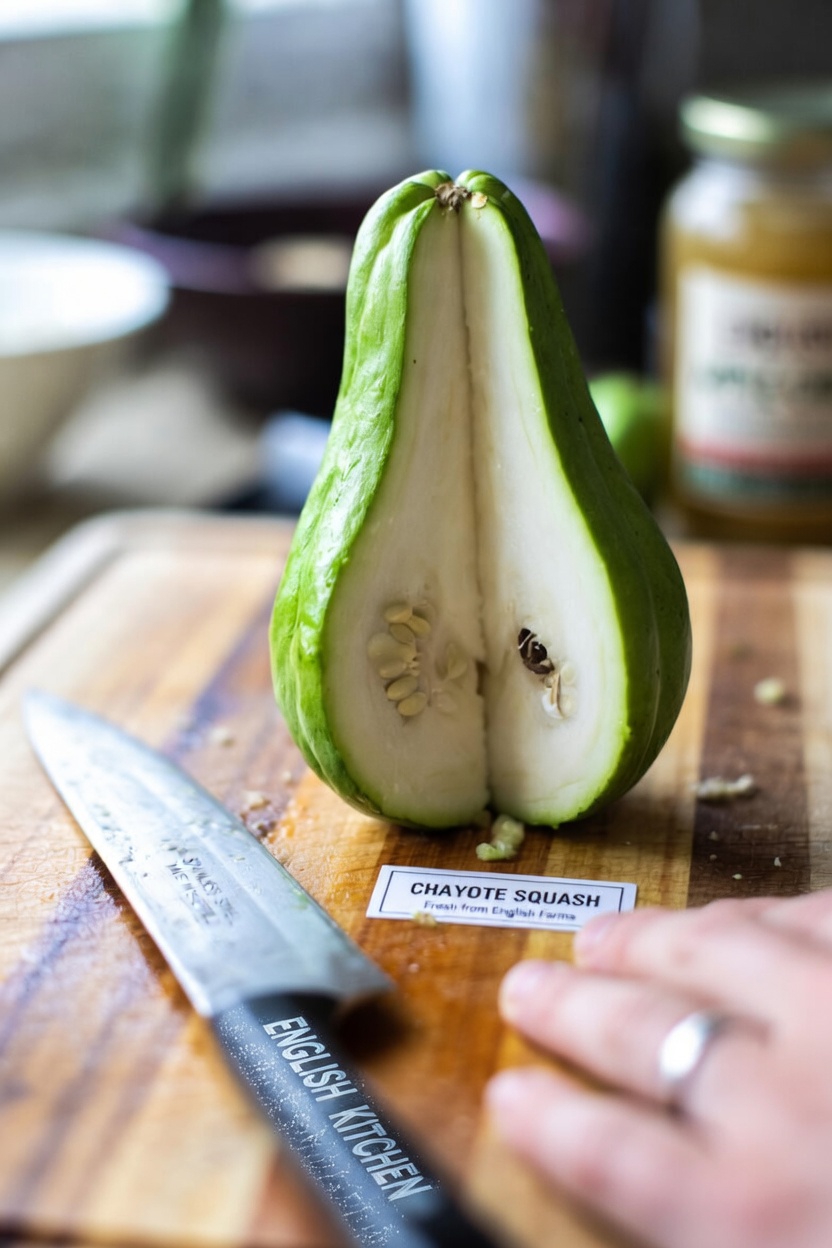
Chayote, sometimes called vegetable pear or chayote squash, is a light-tasting gourd that belongs to the cucumber family. It originally comes from Central America, but today it is widely cultivated in tropical and subtropical areas, including parts of Asia and the United States.
This green vegetable has a pear-like shape and a crisp texture when raw, somewhat similar to cucumber. Once cooked, it becomes softer and more tender. It is also naturally low in calories, with about 39 calories per cup, making it a useful option for people who want lighter, more filling meals.
Beyond its low calorie count, chayote offers several valuable nutrients, including vitamin C, folate, and fiber. USDA data also shows that it contains a high amount of water, which may help support hydration. Another reason for its growing popularity is sustainability: chayote vines tend to grow vigorously and require relatively little water, making them appealing to environmentally conscious consumers.

Chayote Nutrition: What Makes It Stand Out
A medium chayote delivers a surprisingly helpful mix of nutrients. Key highlights include:
- Fiber: about 2.8 grams, which supports healthy digestion
- Vitamin C: roughly 13% of the daily value, important for immune support
- Folate: essential for cell repair and energy metabolism
- Potassium: around 275 mg, helpful for fluid regulation
- Antioxidants: including flavonoids that help fight oxidative stress
Research published in the Journal of Food Science suggests that these nutrients can work together to support overall wellness and vitality.
Another advantage is its flexibility in the kitchen. Chayote can be eaten raw, simmered in soups, sautéed, roasted, or baked. Its mild flavor makes it easy to include in a wide range of meals.
Can Chayote Help Support Joint Comfort?
Joint discomfort, especially around the knees, is common among active adults and older individuals. While no single food can solve the issue, nutrient-dense vegetables like chayote may help support joint health as part of a balanced diet.
According to research from the National Institutes of Health, foods rich in vitamin C may help maintain cartilage, which is the tissue that cushions joints. Since chayote contains vitamin C, it may contribute to this kind of nutritional support.
Its fiber content may also be beneficial. A diet that supports healthy weight management can reduce the load placed on the joints. Research in Arthritis & Rheumatology has linked lower body weight with better joint function, especially in weight-bearing areas like the knees.
Chayote also has a low glycemic index, meaning it is less likely to cause sharp blood sugar spikes. Stable blood sugar may indirectly support overall wellness, including joint health.
A simple way to use it is to grate raw chayote into a slaw or salad for lunch. It adds crunch without requiring much extra effort.
Chayote and Support for Circulation and Fluid Balance
Poor circulation can leave the legs feeling heavy and may contribute to swelling in the feet, especially after standing for long periods. Because chayote is rich in water and contains potassium while remaining naturally low in sodium, it may help support fluid balance.
The American Heart Association recommends potassium-rich, lower-sodium foods as part of a heart-conscious eating pattern that supports healthy blood pressure. A review published in Nutrients also points out that potassium-rich foods may benefit vascular function and blood flow.
Since chayote is made up of about 93% water, it may also assist hydration, which plays an important role in circulation. For people who often experience puffiness in the feet, focusing on hydrating foods can be a smart dietary strategy.
One traditional use involves making a mild tea from chayote leaves, which we’ll cover below. It’s also worth noting that chayote is budget-friendly and available in many markets year-round.
May Chayote Help with Cholesterol Management?
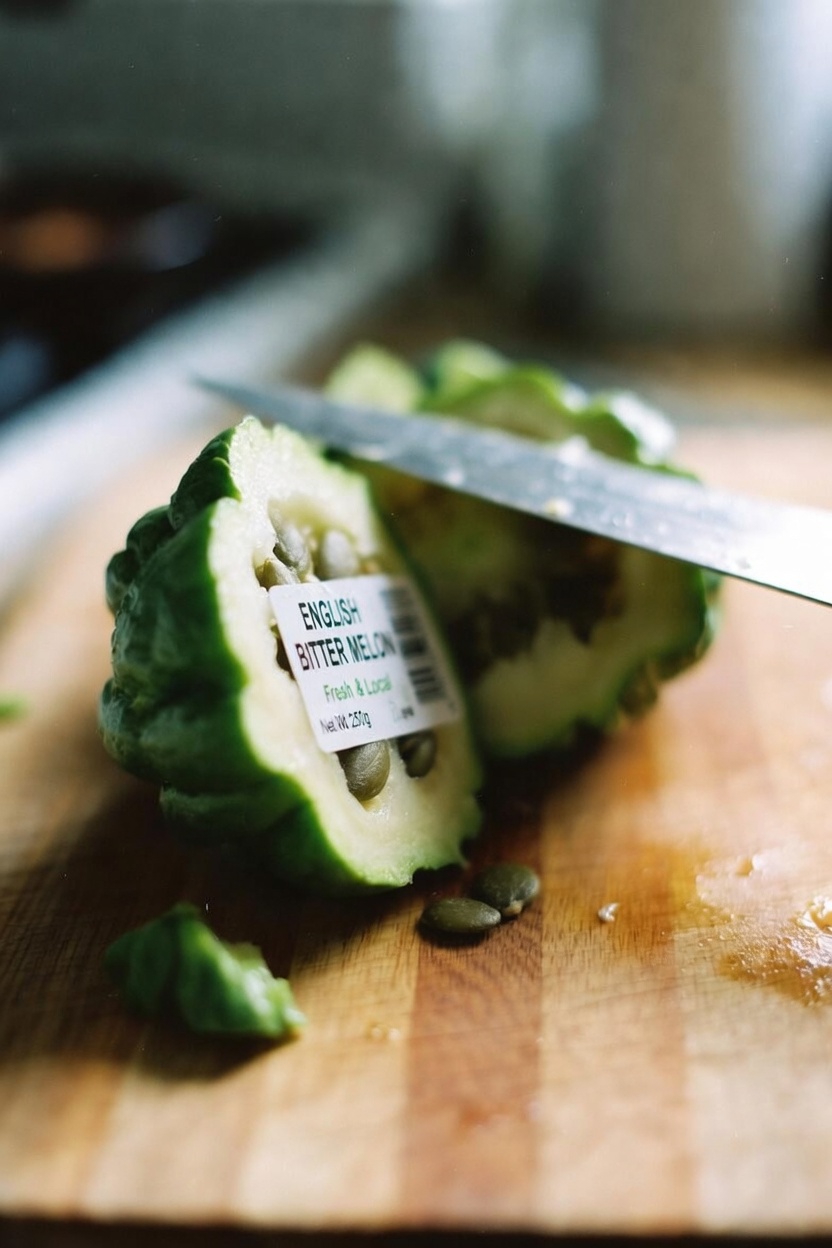
Cholesterol is a common topic in preventive health discussions, and fiber-rich plant foods often play a role in improving dietary habits. Chayote contains soluble fiber, which may help bind cholesterol in the digestive tract.
Harvard Health Publishing notes that increasing daily fiber intake by 5 to 10 grams may support healthier lipid levels. Chayote also contains pectin, a type of soluble fiber that has been studied in the American Journal of Clinical Nutrition for its possible cholesterol-supporting effects.
For best results, chayote should be included alongside other heart-friendly foods such as beans, oats, leafy greens, nuts, and olive oil. If you are new to it, start small by adding sliced chayote to a stir-fry or vegetable side dish.
Chayote and Nutritional Support for Anemia Concerns
People with anemia, especially iron-deficiency anemia, often struggle with low energy. Chayote is not considered a major source of iron, but it may still be useful in meals designed to support healthy red blood cell production.
Its folate content is important because folate helps the body create new cells, including red blood cells. The World Health Organization highlights folate as an essential nutrient in this process. In addition, the vitamin C found in chayote may improve the body’s ability to absorb iron from plant-based foods.
Research in the British Journal of Nutrition suggests that vitamin C can significantly increase iron absorption. This means pairing chayote with iron-rich foods such as spinach, lentils, or beans can be a practical way to build a more supportive meal.
Easy Chayote Recipes to Make at Home
If you want a simple and refreshing way to try chayote, this juice recipe is an easy place to start.
Chayote Juice Recipe
Ingredients:
- 2 medium chayotes, washed and chopped
- 1 cup fresh spinach
- 1 apple for natural sweetness
- Juice of 1 lemon
- 2 cups water
How to Make It
- Peel the chayotes if you prefer, although the skin is edible.
- Place the chayote, spinach, apple, lemon juice, and water into a blender.
- Blend until smooth.
- Strain if you want a lighter, clearer texture.
- Serve cold.
This recipe makes about two servings and takes around 10 minutes to prepare. If you want a stronger flavor, add a small piece of fresh ginger.
Chayote Leaf Tea
Another traditional preparation uses the leaves instead of the fruit.
Directions:
- Boil 5 to 7 fresh chayote leaves in 2 cups of water.
- Let it simmer for about 10 minutes.
- Strain the liquid.
- Drink warm.
Studies in Phytotherapy Research have explored similar herbal teas for their hydrating and supportive properties.
How Chayote Compares with Other Vegetables
Here is a quick look at how chayote compares nutritionally with several common vegetables:
| Vegetable | Calories per Cup | Fiber (g) | Vitamin C (% DV) | Potassium (mg) |
|---|---|---|---|---|
| Chayote | 39 | 2.8 | 13 | 275 |
| Cucumber | 16 | 0.5 | 5 | 147 |
| Zucchini | 20 | 1.2 | 35 | 295 |
| Broccoli | 55 | 5.1 | 135 | 507 |
Chayote may not be the highest in every category, but it offers a strong nutritional balance with a subtle taste that works well in many dishes.
Tips for Buying or Growing Chayote
If you want to grow your own, chayote is relatively easy to cultivate. In many cases, planting the whole fruit in soil is enough to start vine growth.
When shopping for chayote, choose fruits that are:
- Firm to the touch
- Free from blemishes
- Bright and fresh-looking
You can usually find them in supermarkets, Latin American grocery stores, Asian markets, or farmers’ markets. Once purchased, they can be stored in the refrigerator for up to two weeks.
Some research in the Journal of Agricultural and Food Chemistry suggests that organic produce may sometimes contain higher levels of certain beneficial compounds, so organic chayote may be worth considering if available.
Simple Ways to Add Chayote to Your Routine
The easiest way to make a dietary change stick is to keep it manageable. Rather than overhauling everything at once, try adding chayote to just one meal each day.
You could:
- Slice it raw into salads
- Add it to soups and stews
- Stir-fry it with garlic and other vegetables
- Blend it into juices or smoothies
- Roast it as a side dish
Pay attention to how you feel after a week of including it more regularly. Some people report feeling lighter and more energized when they consistently eat more hydrating, fiber-rich foods.
Before making major dietary changes, it is always wise to speak with a qualified healthcare professional, especially if you have a medical condition or are taking medications.
Final Thoughts
Chayote is a versatile, low-calorie, nutrient-rich vegetable that can fit easily into many eating styles. From helping support joint comfort to contributing to hydration, circulation, and balanced meals, it offers a variety of benefits backed by general nutrition science.
Its mild taste, affordability, and flexibility in recipes make it a practical ingredient for everyday cooking. Whether you try it in a juice, a salad, or a warm tea, chayote is a simple food worth exploring.
Frequently Asked Questions
What does chayote taste like?
Chayote has a mild, slightly sweet flavor that is often compared to a mix of cucumber and zucchini. Because its taste is subtle, it blends easily into many recipes without overpowering other ingredients.
Can chayote be eaten raw?
Yes. Raw chayote works well in salads, slaws, and fresh vegetable dishes. Wash it thoroughly and slice it thinly for the best texture.
Is chayote suitable for different diets?
Chayote fits well into many eating plans, including vegan, gluten-free, and low-carb diets. As with any food, individuals with allergies or sensitivities should use caution.
Important Note
This content is intended for educational purposes only and should not be considered medical advice. For personal guidance regarding joint discomfort, swelling, anemia, cholesterol, or any other health concern, consult your healthcare provider.