
Natural Herbs for Kidney Support: 5 Traditional Options to Add to Your Routine
Looking after your kidneys is an important part of overall wellness, especially if you often feel drained or notice shifts in your energy. Even minor discomfort can be a reminder of how hard these organs work every day to filter waste and regulate fluid balance. The encouraging part is that a few natural herbs may gently support these normal body functions. By the end of this guide, you’ll also discover a simple, unexpected way to use these herbs in everyday life.
How the Kidneys Work and Why Natural Detox Support Matters
Your kidneys are constantly active, filtering roughly 200 quarts of blood each day to remove waste products and extra water. When they are placed under strain by poor diet, dehydration, or ongoing stress, you may start to feel tired, heavy, or less energized.
Supporting the body’s natural detox process does not require extreme routines. In most cases, it comes down to steady, practical habits that work with your body rather than against it.
Organizations such as the National Kidney Foundation emphasize that daily lifestyle choices have a major influence on kidney health. This is one reason herbs have remained popular in traditional wellness practices for generations—they may help reinforce the body’s natural cleansing mechanisms.

Why Herbs Are Used for Natural Kidney Wellness
Herbs should not be seen as miracle cures, but they can be a useful addition to a balanced lifestyle. Research published in sources like the Journal of Ethnopharmacology suggests that some plants contain natural compounds that may support antioxidant defenses and healthy fluid regulation.
A simple way to think about it is this: water helps maintain hydration, while herbal infusions may offer added support through plant-based nutrients and beneficial compounds.
Below are five herbs that are often discussed for their potential role in kidney support and gentle detoxification.
1. Dandelion Root
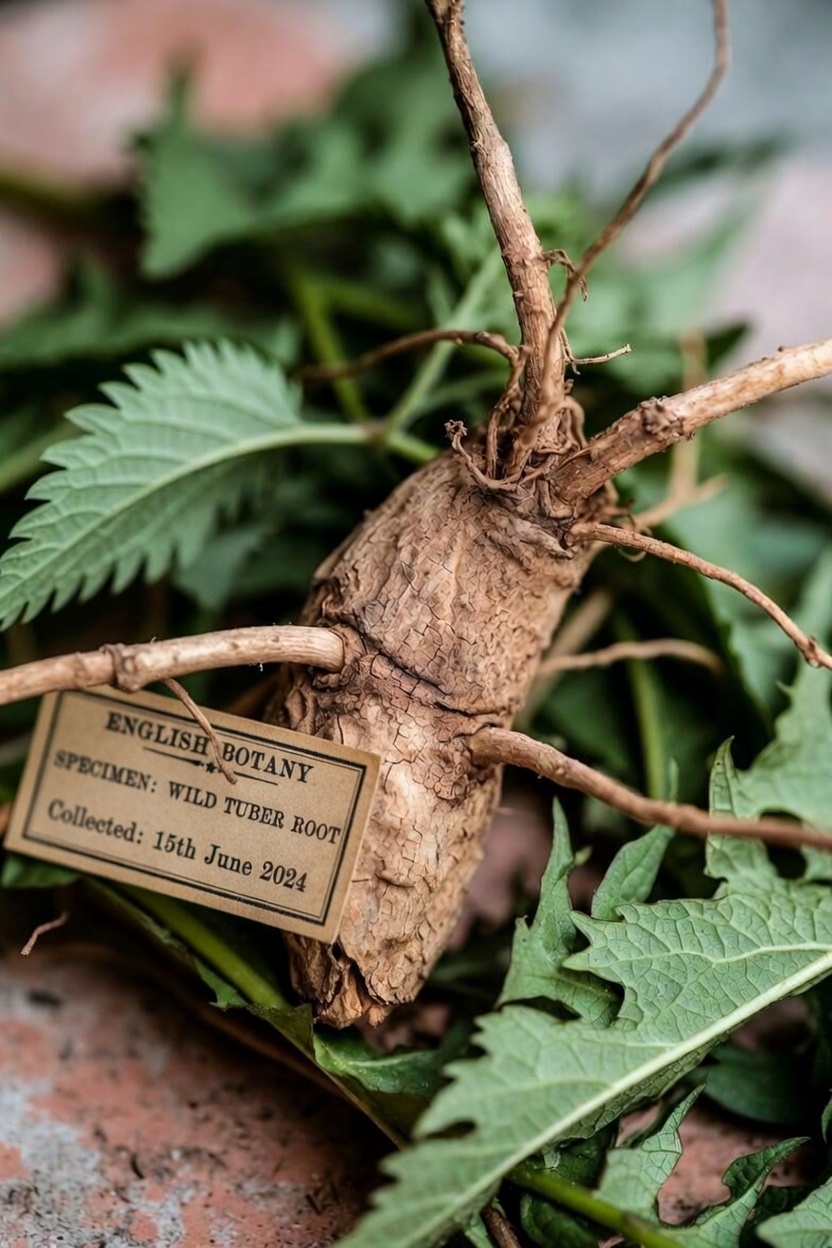
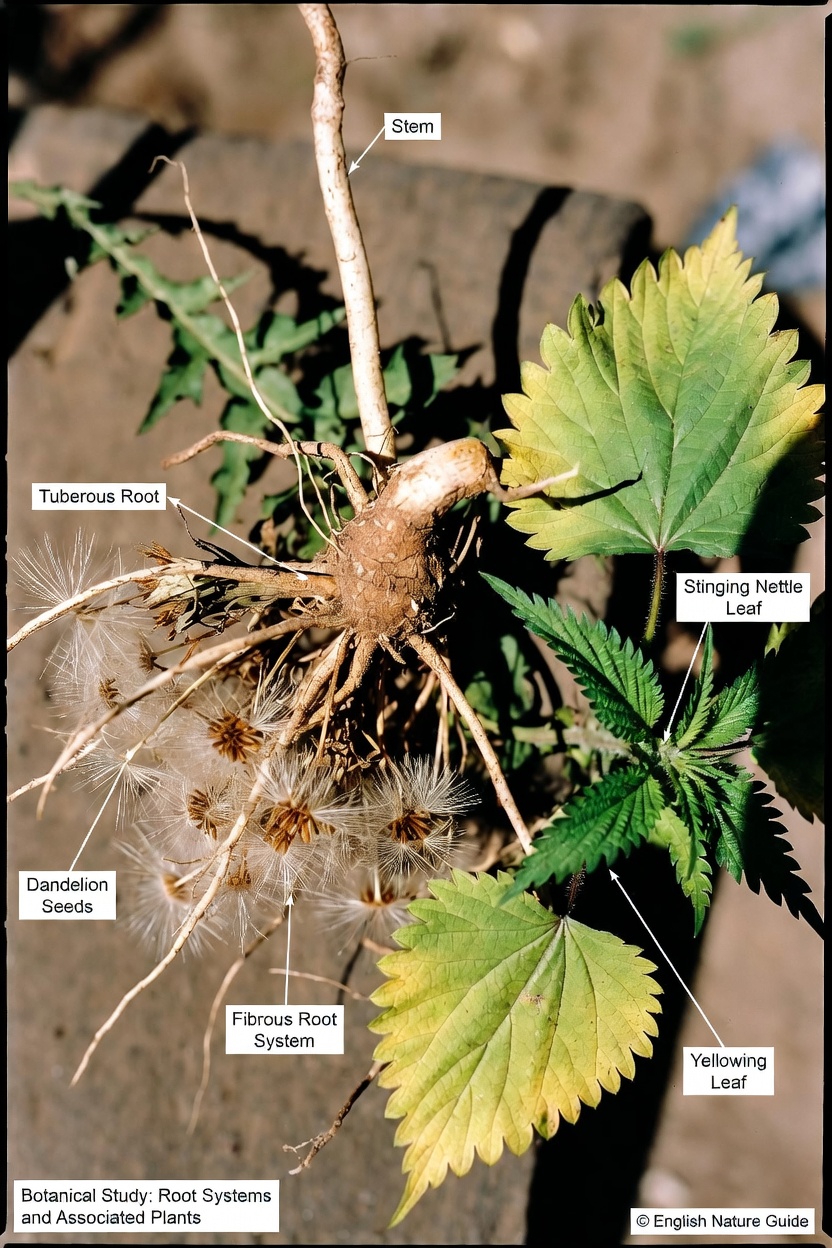
Dandelion is often overlooked as an ordinary weed, yet in traditional herbal use it has long been valued for its supportive properties. The root contains vitamins, minerals, and plant compounds that may encourage urine flow, helping the body’s normal elimination process.
Research in the International Journal of Molecular Sciences points to dandelion’s diuretic activity, which may be helpful for fluid retention.
Easy ways to use dandelion root
- Steep 1 to 2 teaspoons of dried dandelion root in hot water for about 10 minutes to make tea.
- Add young dandelion greens to salads for a slightly earthy taste.
- Speak with a healthcare professional before using it regularly, especially if you have known allergies or medical conditions.
Its flexibility makes dandelion one of the easiest herbs to introduce into a daily routine.
2. Stinging Nettle
Despite its harsh-sounding name, stinging nettle can be quite gentle once properly prepared. It contains flavonoids and other natural compounds that have been studied for their anti-inflammatory potential.
A review in Phytotherapy Research suggests nettle may help support healthy blood pressure, which is important because blood pressure and kidney function are closely connected.
Simple ways to try stinging nettle
- Brew dried nettle leaves into a tea and let them steep for 5 to 7 minutes.
- Use gloves if handling fresh nettles to avoid skin irritation.
- Add lemon to improve the flavor and create a lighter, more refreshing drink.
As with any herb, it is smart to begin with small amounts and observe how your body responds.
3. Parsley
Parsley is much more than a decorative garnish. It contains compounds such as apiol and myristicin, which have traditionally been associated with supporting healthy urination. Across many cultures, parsley has been used as part of natural cleansing practices.
Research mentioned in the Journal of Alternative and Complementary Medicine highlights its possible role in supporting detox pathways.
Practical ways to add parsley
- Blend fresh parsley into smoothies or green juices.
- Soak it in water overnight to make a simple herbal drink.
- Keep portions moderate, such as 1 to 2 tablespoons daily, to avoid excessive use.
It is impressive that such a common kitchen herb may provide this kind of support.
4. Burdock Root
Burdock root has a rich, earthy flavor and a long history in herbal traditions focused on purification. It contains inulin, a prebiotic fiber that may benefit gut health, which is often connected to the body’s broader detox systems.
A study in Food & Function notes burdock’s antioxidant properties, suggesting it may help protect cells from oxidative stress.
How to use burdock root
- Slice the root and simmer it in water to create a flavorful broth.
- Mix it with vegetables to make a nutrient-rich soup.
- Drink it as a tea, adding a small amount of honey if desired.
Burdock is especially useful for people who enjoy warming, food-based herbal support.
5. Horsetail
Horsetail is an ancient plant recognized for its silica content, which may help support connective tissues. It is commonly prepared as a tea and is often chosen for its mild diuretic effects.
Research in Evidence-Based Complementary and Alternative Medicine suggests horsetail may play a role in supporting urinary tract health.
Ways to use horsetail
- Steep dried horsetail in hot water for a mild herbal infusion.
- Add it to baths for a relaxing external use option.
- Use it for short periods unless a qualified expert advises otherwise.
This herb completes the list with a distinct type of support compared with the others.
Quick Comparison of These 5 Herbs
Here is a simple overview of what each herb is traditionally known for:
| Herb | Key Compound | Traditional Use | Preparation Tip |
|---|---|---|---|
| Dandelion | Taraxacin | Diuretic support | Tea made from the root |
| Stinging Nettle | Flavonoids | Anti-inflammatory support | Infuse dried leaves |
| Parsley | Apiol | Urinary support | Add fresh to drinks |
| Burdock | Inulin | Purifying support | Boil into soups or broth |
| Horsetail | Silica | Tissue support | Use in short-term teas |
Each of these herbs offers something slightly different, which is why many people like combining them thoughtfully over time.
How to Use These Herbs Safely
If you are new to herbs, start with only one at a time so you can track how it affects you.
Beginner-friendly safety checklist
- Buy herbs from trusted, reputable suppliers.
- Check with your doctor if you have kidney stones, chronic kidney disease, or other medical concerns.
- Drink enough water, since hydration supports the kidneys and works well alongside herbs.
- Pay attention to changes in how you feel over the course of a week.
Long-term consistency matters more than doing too much at once. Small, steady habits are usually the most sustainable.
What Science Says About the Potential Benefits
Results will always vary from person to person, but the broader research is encouraging. For example, a meta-analysis in the American Journal of Kidney Diseases found that herbal approaches were associated with improved kidney function markers in certain groups.
The key takeaway is that natural options may offer supportive tools when used carefully and responsibly.
These herbs are not intended to replace professional medical advice. Instead, they may serve as part of a wider wellness strategy that includes proper hydration, balanced nutrition, and medical guidance when needed.
A Simple Strategy for Better Kidney Support
Dandelion, stinging nettle, parsley, burdock, and horsetail each offer a natural way to support the kidneys’ normal detox functions. When used with care, they may contribute to better fluid balance, antioxidant support, and overall vitality.
The most important principles are moderation and consistency.
And here is that surprising tip: try an herbal rotation. Instead of using all five herbs at once, cycle through them week by week. This keeps your routine interesting while giving you a broader range of plant-based support over time.
Frequently Asked Questions
What are common signs that my kidneys may need support?
Possible signs include low energy, swelling in the hands or feet, or noticeable changes in urination. These symptoms can have many causes, so it is best to consult a healthcare professional for proper evaluation.
Can I use these herbs if I already have kidney problems?
You should speak with your doctor first. Some herbs may not be suitable for certain kidney conditions or may interact with medications.
How soon might I notice any changes?
The timeline can differ widely. Some people say they feel more balanced or energized after 2 to 4 weeks of consistent use, while others may notice no obvious change. Patience and moderation are important.