Carob: A Nutritious Cocoa Alternative With Impressive Health Benefits
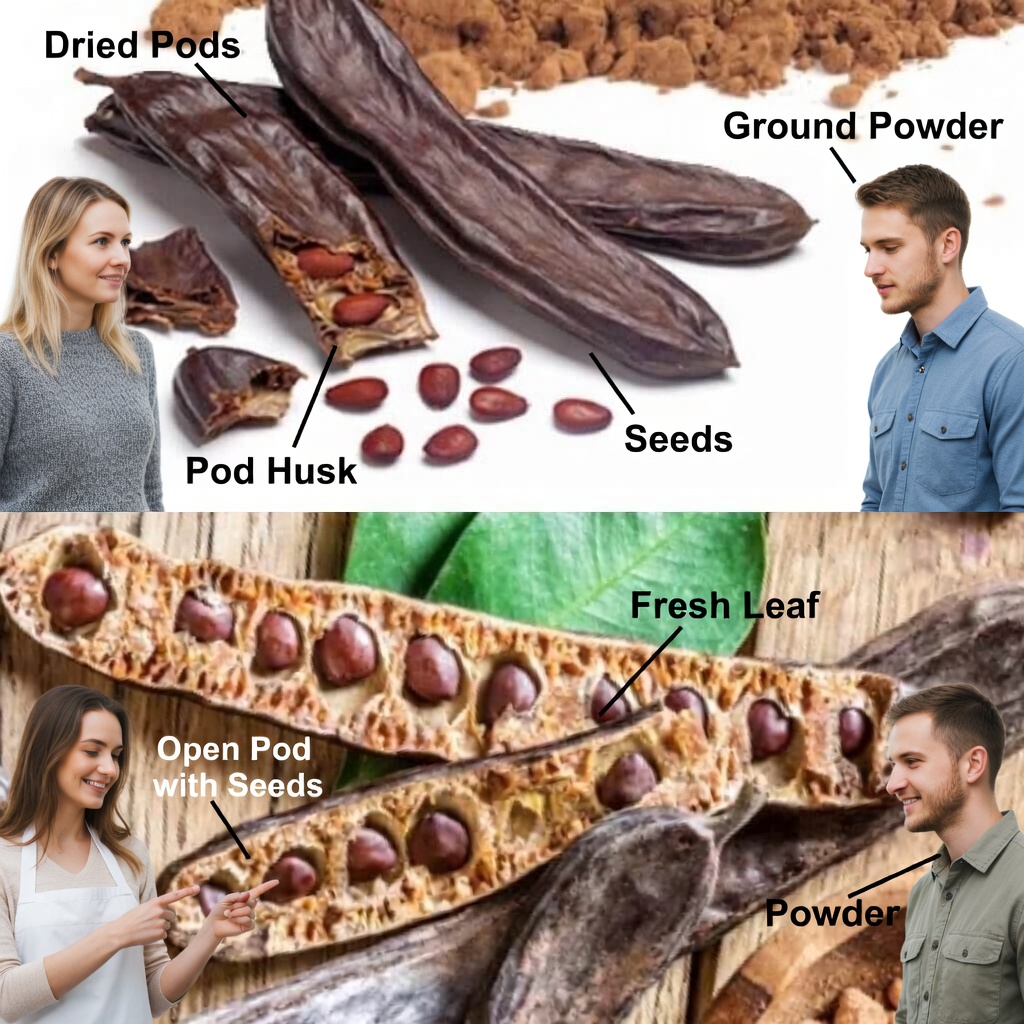
Carob comes from the pods of the Ceratonia siliqua tree and is widely valued as a wholesome substitute for cocoa. Naturally sweet, caffeine-free, and packed with beneficial nutrients, it works well in many recipes while offering a range of wellness advantages. In this guide, you’ll discover the main benefits of carob, simple homemade uses, and a few precautions to keep in mind.

Health Benefits of Carob
Carob is more than just a cocoa replacement. Its nutritional profile makes it a smart ingredient for people looking for a naturally sweet and versatile food.
1. High in Antioxidants
Carob contains antioxidants that help defend cells against oxidative stress and support overall health.
2. Excellent Source of Fiber
Its fiber content supports digestion, encourages regular bowel movements, and contributes to gut health.
3. Naturally Caffeine-Free
Unlike cocoa, carob contains no caffeine, making it a great option for people who are sensitive to stimulants or want to avoid them.
4. Low in Fat
Carob is naturally low in fat, which makes it a heart-conscious ingredient for everyday use.
5. Naturally Sweet
Because it already has a pleasant sweetness, carob can reduce the need for added sugar in many recipes.
6. Rich in Calcium
Carob provides calcium that helps support strong bones and healthy teeth. It is also free from oxalates, unlike cocoa.
7. Gluten-Free
This makes carob suitable for people with gluten intolerance or celiac disease.
8. Low Glycemic Index
Carob may help support steadier blood sugar levels, so it can be a reasonable choice for people with diabetes when eaten in moderation.
9. Supports Heart Health
It contains no cholesterol and may help manage LDL cholesterol levels, contributing to cardiovascular wellness.
10. Helps Digestive Health
Carob includes tannins with antibacterial and anti-inflammatory properties that may benefit the digestive system.
11. May Help Ease Diarrhea
Its gentle astringent effect can help calm digestive discomfort and reduce diarrhea symptoms.
12. Supports Weight Management
Thanks to its fiber and relatively low calorie content, carob may help increase fullness and reduce appetite.
13. Contributes to Immune Support
Carob contains helpful vitamins, including vitamin E, which can support normal immune function.
14. Better for Teeth
Because it lacks the acids commonly found in cocoa, carob is considered more tooth-friendly.
15. Helps Reduce Inflammation
Its polyphenol compounds may assist in fighting inflammation in the body.
16. Supports Brain Function
Minerals such as magnesium found in carob play a role in cognitive health and nervous system function.
17. Suitable for Many Age Groups
When used properly, carob can be enjoyed by toddlers and is even considered safe for pets in appropriate forms.
18. May Help Prevent Anemia
Carob contains iron, which supports the production of healthy red blood cells.

Easy Homemade Ways to Use Carob
Carob is simple to add to your daily routine. From drinks to desserts, there are many practical and delicious options.
Carob Powder for Baking
You can swap cocoa powder for carob powder using a 1:1 ratio in most recipes. If the mixture becomes slightly dry, add a little extra liquid.
Carob Syrup
Make a naturally sweet syrup with carob pods.
Ingredients:
- 5 to 6 carob pods
- 4 cups water
Method:
- Boil the pods in water for about 30 minutes.
- Strain the liquid.
- Simmer it until it thickens.
- Use it over pancakes, yogurt, or other breakfast foods.
Carob Tea
A warm cup of carob tea is easy to prepare.
Ingredients:
- 1 to 2 dried carob pods or 2 tablespoons carob powder
- 3 cups water
Method:
- Boil the pods or powder in water for 10 minutes.
- Strain.
- Serve warm.
Carob Milk
This is a comforting drink for any time of day.
Ingredients:
- 2 cups milk or plant-based milk
- 1 tablespoon carob powder
- Sweetener of choice
Method:
- Heat the milk.
- Stir in the carob powder and sweetener.
- Mix well and enjoy.
No-Bake Carob Energy Bars
These bars are convenient, filling, and easy to make.
Ingredients:
- 200 g rolled oats, coarsely ground
- 100 g carob powder
- 100 g nuts such as almonds, cashews, or a mix
- 150 g pitted dates or raisins
- 3 tablespoons melted coconut oil
- 2 tablespoons honey or maple syrup
- 1 teaspoon cinnamon, optional
- A pinch of salt
Instructions:
- Blend the dates in a food processor until they form a paste.
- Add the oats, carob powder, ground nuts, cinnamon, and salt.
- Pour in the coconut oil and honey.
- Blend until the mixture becomes sticky.
- Press into a small tray lined with parchment paper, about 2 cm thick.
- Refrigerate for 2 to 3 hours.
- Cut into bars and serve.
Carob Spread
A quick homemade spread for bread or toast.
Ingredients:
- 2 tablespoons carob powder
- 1 tablespoon coconut oil
- 2 tablespoons honey
- 2 tablespoons milk powder
Method:
- Mix all ingredients until smooth.
- Transfer to a jar.
- Use as a spread whenever needed.
Carob Ice Cream
A simple frozen dessert with natural sweetness.
Ingredients:
- 3 frozen bananas
- 1 cup milk
- 2 tablespoons carob powder
- A drizzle of honey
Method:
- Blend all ingredients until smooth.
- Freeze for 1 to 2 hours.
- Serve chilled.
Carob Chips
A fun snack or topping for desserts.
Ingredients:
- 1/2 cup melted coconut oil
- 1/2 cup carob powder
- Honey to taste
Method:
- Mix everything together.
- Pour onto parchment paper.
- Freeze for 1 hour.
- Break into small chips.
Precautions When Using Carob
Although carob is generally considered safe and healthy, a few points are worth noting.
- Carob is naturally sweet, so people with diabetes or blood sugar concerns should enjoy it in moderation.
- Allergic reactions are rare, but they can happen, especially in individuals sensitive to legumes.
- Because it contains tannins, consuming too much may lead to mild digestive issues such as bloating or gas.
- Even though it is caffeine-free, large amounts may still affect digestion due to its high fiber content.
- When introducing carob to children, start with small amounts to check for any sensitivity.
Final Thoughts
Carob is a versatile, naturally sweet, and nutrient-rich ingredient that can easily fit into a healthy lifestyle. Whether you use it in baking, drinks, spreads, or frozen treats, it offers a delicious alternative to cocoa along with a variety of health benefits. Sharing the benefits of carob can help more people discover this underrated superfood.