Sage: A Traditional Herb for Everyday Wellness
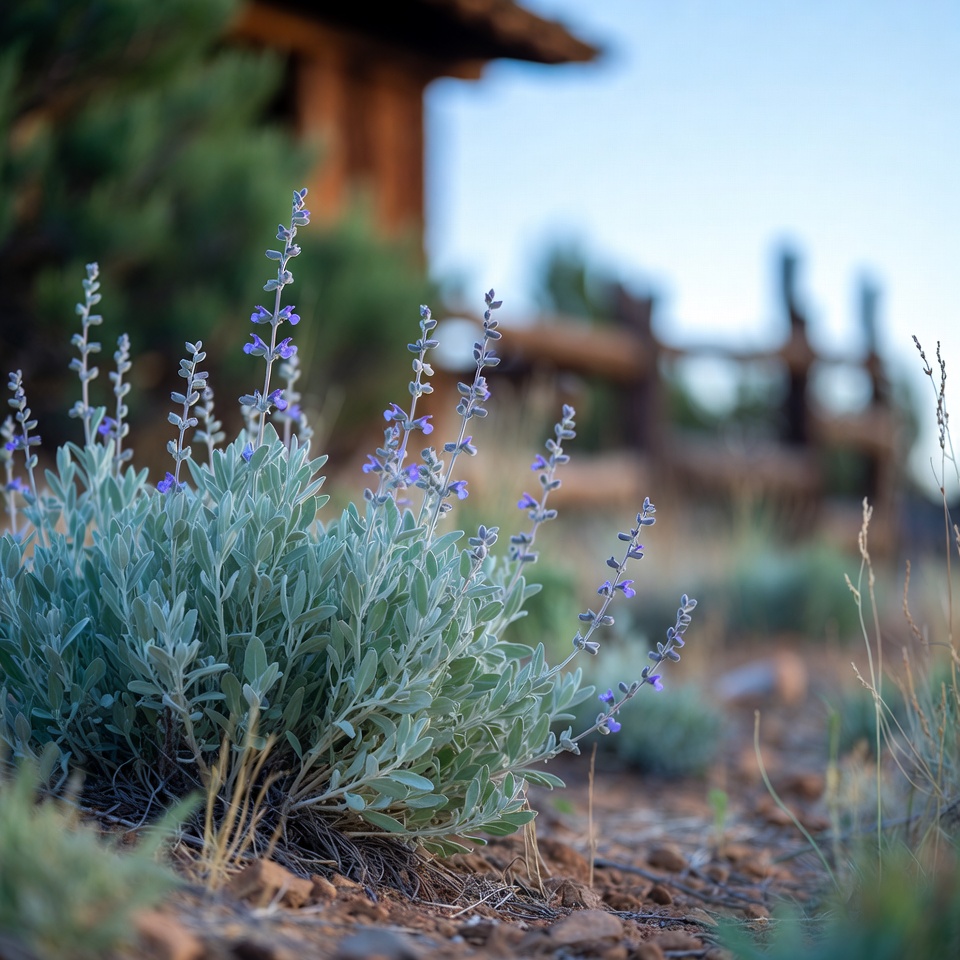
Used for generations across Mediterranean and Eastern traditions, sage is gaining renewed attention today. With its strong aroma and soft, velvety leaves, this fragrant herb is far more than a culinary staple. For centuries, it has been valued in daily life to support well-being, body balance, and natural hygiene.
Its name comes from the Latin word salvare, meaning to save—a telling sign of the important role sage once played in traditional remedies.
Traditional Benefits of Sage
Sage has long been used to help:
- Support digestion and ease bloating
- Soothe an irritated throat and freshen the breath
- Promote female hormonal balance
- Reduce excessive sweating
- Encourage mental clarity and concentration
- Support joint comfort
- Naturally cleanse the mouth and teeth
For external use, sage is also appreciated in skin care and scalp care routines.
Recipe 1: Daily Sage Herbal Tea
Best for digestion, throat comfort, and general wellness
Ingredients
- 5 to 7 fresh sage leaves
or - 1 teaspoon dried sage
- 250 ml hot water
Preparation
- Pour the hot water over the sage.
- Cover and let it steep for 7 to 10 minutes.
- Strain and drink while warm.
How to Use
- Drink 1 cup per day
- Ideally after a meal
Recipe 2: Natural Sage Mouth Rinse
Best for gums, fresh breath, and oral hygiene
Ingredients
- 1 tablespoon dried sage
- 300 ml water
Preparation
- Bring the water to a boil.
- Add the sage and simmer for 5 minutes.
- Let it cool, then strain.
How to Use
- Use as a mouth rinse morning or evening
- Do not swallow
Recipe 3: Sage Water for Hair and Scalp
Best for shine, balance, and freshness
Ingredients
- 1 handful of sage leaves
- 500 ml water
Preparation
- Boil the water.
- Add the sage and let it infuse for 15 minutes.
- Strain and allow it to cool.
How to Use
- Use as a final rinse after shampooing
- Apply twice a week
Traditional Use for Women
Sage has traditionally been used to support women during:
- Periods of hormonal imbalance
- Hot flashes
- Times of discomfort before or after the menstrual cycle
Use only in short, moderate courses.
Important Precautions
- Do not consume in excessive amounts
- Not recommended during pregnancy or breastfeeding
- Avoid long-term use without breaks
- Sage is not a substitute for medical treatment
Summary
Sage is a versatile, accessible, and time-honored herb with a wide range of traditional uses. Whether enjoyed as an herbal infusion, used as a natural mouth rinse, applied in hair care, or added to food, this single plant offers remarkably diverse benefits.