Bay Leaves for Skincare: A Gentle, Budget-Friendly Tradition Worth Exploring
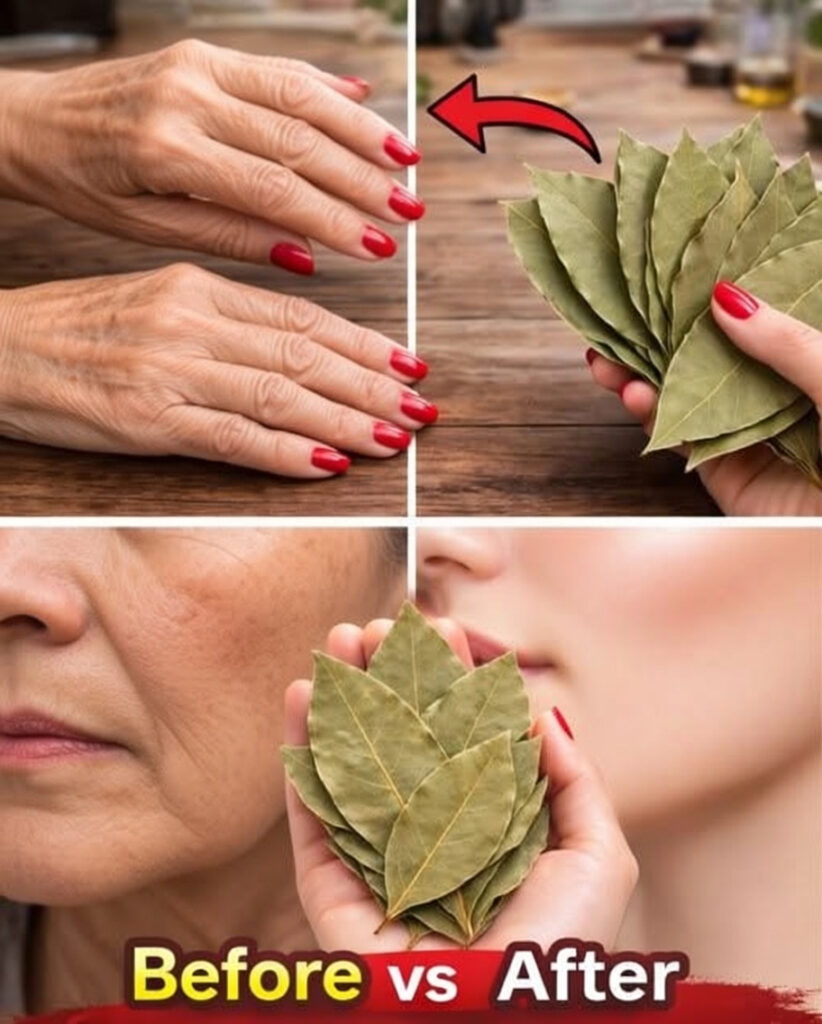
As skin matures, many people begin to notice common changes like dryness, uneven tone, and reduced firmness. These subtle shifts can affect self-confidence, especially when many skincare products on the market seem expensive, overly complicated, or too strong for everyday use. That is one reason natural beauty remedies are gaining attention again, and bay leaves are among the simple household ingredients people are rediscovering.
Before reaching into your spice rack, though, it helps to understand where this trend comes from, what bay leaves may actually offer for skin, and how to use them carefully.
A Traditional Beauty Ingredient With Deep Roots
Bay leaves come from the laurel tree and have been used for centuries throughout Mediterranean regions. In ancient Greek and Roman life, they were valued not only as a culinary herb but also in bathing rituals, poultices, and skin-soothing preparations. People believed bay leaves could help refresh the body and calm the skin after time spent in the sun or outdoors.
In many traditional home practices, the leaves were simmered in water for rinses or infused into oils for gentle massage. That heritage still lives on today, especially in households that prefer simple, plant-based self-care methods.
Part of the appeal is not only what bay leaves may do for the skin, but also how they feel to use. Their warm, earthy aroma can turn a basic skincare step into a relaxing wellness ritual. Long before modern beauty labs existed, people paid attention to everyday results and shared useful remedies from one generation to the next.
What Bay Leaves Contain
Bay leaves naturally contain compounds such as polyphenols along with essential oils, including eugenol. These substances are often studied for their antioxidant properties, meaning they may help support the skin against daily environmental stress.
Research on plant antioxidants suggests that these types of compounds can assist in defending skin cells from oxidative damage caused by ordinary exposure to pollution and other external factors. Of course, a single leaf contains only modest amounts, so traditional use has always focused on mild, repeated application in diluted forms rather than instant dramatic results.
This is also why many skincare recommendations suggest starting with dried whole leaves or very light infusions instead of applying concentrated bay leaf essential oil directly.
What Research Suggests About Bay Leaves and Skin
Modern studies in plant science and nutrition have pointed to bay leaf’s antioxidant and mildly soothing profile. Some lab-based and animal research has explored its potential to support skin comfort and tissue recovery. Still, large human studies specifically proving visible anti-aging benefits, such as firmer skin or fewer lines, are still limited.
For instance, certain wound-healing studies in animal models have shown promising effects related to tissue support. However, experts consistently note that results observed in controlled laboratory conditions do not always translate directly to everyday facial skincare. Sources such as WebMD also indicate that bay leaf extract is generally considered safe in cosmetic dilutions, though individual sensitivity is still possible.
The most realistic takeaway is this: bay leaves are not a replacement for dermatologist-approved skincare, but they may be a pleasant, inexpensive addition to a well-rounded routine.
Easy Ways to Use Bay Leaves in Your Skincare Routine
If you want to try bay leaves at home, begin with simple methods. Always patch test first on the inside of your arm. If irritation or redness appears, stop use immediately.
1. Bay Leaf Facial Steam
A facial steam is one of the easiest ways to enjoy bay leaves.
- Bring 2 cups of water to a boil.
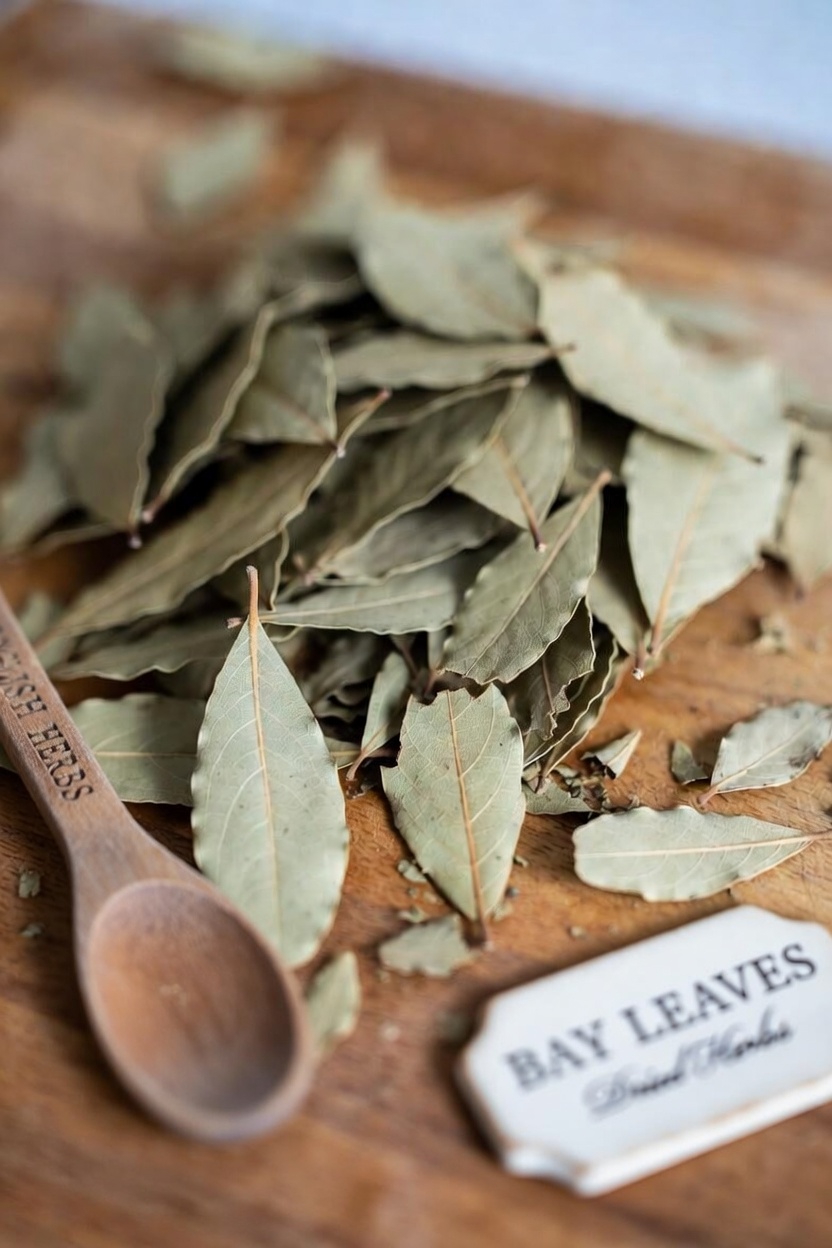
- Add 4 to 5 dried bay leaves.
- Let the mixture simmer for about 5 minutes.
- Remove from heat.
- Place a towel over your head and lean over the bowl, keeping your face about 10 inches from the steam.
- Steam for 3 to 5 minutes.
- Finish with your usual moisturizer.
2. Bay Leaf Infused Rinse
This method works well as a gentle finishing step after cleansing.
- Place 6 dried bay leaves in 1 liter of hot water.
- Let them steep overnight.
- Strain the liquid.
- Store it in the refrigerator for no longer than 3 days.
- Use it as a final rinse after washing your face, or apply it with a cotton pad like a mild toner.
3. Light Bay Leaf Oil Infusion
For those who enjoy facial massage, a diluted oil blend can be a good option.
- Crush a few dried bay leaves.
- Add them to a small clean jar.
- Cover them with a gentle carrier oil such as jojoba or sweet almond oil.
- Store the jar in a dark place for 2 weeks, shaking it once daily.
- Strain the oil.
- Mix 1 or 2 drops into your regular cream before applying.
These methods are simple, inexpensive, and often appreciated as much for the calming ritual as for the skincare benefit itself.
How Bay Leaves May Help Support Skin Comfort
Bay leaves may offer several gentle benefits when used correctly:
- Their antioxidant content may help reduce the effects of everyday environmental stress.
- Their natural aroma can make self-care feel more calming.
- They may be a good alternative for people trying to avoid synthetic fragrance in some routines.
- They are easy to find and affordable, which makes regular use practical.
- In diluted preparations, they tend to feel light and non-heavy on the skin.
Important Safety Tips
Before adding bay leaves to your skincare routine, keep these precautions in mind:
- Never put undiluted bay leaf essential oil directly on the face.
- If you have sensitive skin or a known allergy to plants in the laurel family, begin very cautiously.
- If you are pregnant or breastfeeding, ask a healthcare professional before trying new herbal preparations.
- Always strain out the leaves before use.
- Keep homemade rinses refrigerated and throw them away after 3 days.
Common Bay Leaf Skincare Mistakes to Avoid
The most common mistake is skipping the patch test. This is often why unexpected redness or irritation happens. Another problem is using too many leaves at once, which can create a stronger mixture than intended. Some people also expect bay leaves to do everything on their own, but they work best as one supporting step within a balanced skincare routine.
Bay Leaves vs. Other Popular Kitchen Skincare Ingredients
Here is a quick comparison of bay leaves with other gentle ingredients often used at home:
| Ingredient | Main Benefit Focus | Ease of Use at Home | Typical Scent Profile |
|---|---|---|---|
| Bay Leaves | Gentle soothing and aromatic support | Very easy | Earthy, herbal |
| Green Tea | Antioxidant rinse | Easy | Light, fresh |
| Chamomile | Calming support for redness | Easy | Soft, floral |
| Aloe Vera | Cooling and hydration | Moderate | Neutral |
This comparison shows that bay leaves fit naturally among other simple, low-effort skincare staples and do not require special tools or advanced preparation.
Building a Simple Routine With Bay Leaves
The best approach is to start slowly. Many people use a bay leaf rinse 2 to 3 times per week after cleansing in the evening. Others prefer a bay leaf steam once a week as a relaxing weekend ritual. Whatever method you choose, continue using sunscreen every morning, since no natural ingredient can replace broad-spectrum sun protection.
With steady use, you may find that your skin feels slightly softer, or you may simply enjoy the routine itself more. Sometimes the biggest benefit is the habit of gentle, consistent self-care.
Final Thoughts
Bay leaves can be an affordable and traditional way to add a natural touch to your beauty routine. While current science points to antioxidant potential and mild skin support, the real value often lies in the soothing ritual and consistent care they encourage. Used thoughtfully alongside a healthy lifestyle and a reliable skincare routine, bay leaves may offer small but meaningful everyday benefits.
FAQ
Can bay leaves replace moisturizer or sunscreen?
No. Bay leaves should be used only as a complementary skincare step. You still need proven products to hydrate your skin and protect it from UV damage.
How often can I use bay leaf infusions on my face?
A good starting point is 2 to 3 times per week. Watch how your skin reacts before using them more often.
Do bay leaves work the same way for every skin type?
No. Skin responds differently from person to person. Dry or normal skin may tolerate bay leaf preparations well, while very sensitive or acne-prone skin may need extra caution and advice from a dermatologist.
Disclaimer
This article is intended for informational purposes only and should not be considered medical or dermatological advice. Always consult a qualified healthcare professional for personal guidance.