12 Science-Backed Natural Foods That Support Health After 50
Did you know that after age 50, adults can lose around 3–8% of muscle mass per decade if they do nothing to slow it down? At the same time, the risk of cardiovascular disease rises sharply with age, and about 1 in 2 women and 1 in 4 men over 50 will experience a fracture related to osteoporosis.
Now imagine cutting into a beautifully roasted sweet potato, with its caramelized edges, soft center, and warm cinnamon aroma filling the kitchen. That comforting bite is also delivering beta-carotene, potassium, and fiber—nutrients your body increasingly needs as you age.
Take a moment and rate your energy at the end of a typical day on a scale from 1 to 10. Keep that number in mind. Because sometimes, improving how you feel does not require an extreme diet or a shelf full of supplements. A few smart additions to your meals can make a real difference.
If you are over 50—or caring for someone who is—you may have noticed the gradual changes: lower energy, stiffer joints, occasional forgetfulness, or a body that responds differently than it used to. The good news is that one of the most effective tools for aging well may already be in front of you: your plate.
In this guide, you will discover 12 natural foods backed by research that can help support strength, heart health, bone integrity, brain function, and day-to-day vitality after 50.
Why the Body Changes After 50 — and Why Food Matters More Than Ever
Aging often brings unwelcome surprises: achy joints, blood pressure that creeps up, slower recovery, and memory lapses that seem to appear out of nowhere. According to the CDC, more than 60% of adults over 50 live with at least one chronic condition. By age 65, that number approaches 85%.
That can feel discouraging, especially if you already try to eat well. Many people experiment with trendy diets, cut entire food groups, or spend heavily on supplements, only to still feel tired and off balance. In many cases, the real solution is simpler: consistent intake of nutrient-dense whole foods that support the specific changes that happen with age.
And this is about more than avoiding illness. The right foods can help you maintain the energy to stay active, feel stronger in your body, think more clearly, and enjoy everyday life with confidence.
Generic “healthy eating” advice often misses the unique nutritional priorities of people over 50. But with the right choices, meals can do much more than satisfy hunger—they can help preserve muscle, protect the heart, support the brain, and reduce inflammation.
1. Sweet Potatoes — For Vision, Skin, and Balanced Blood Sugar
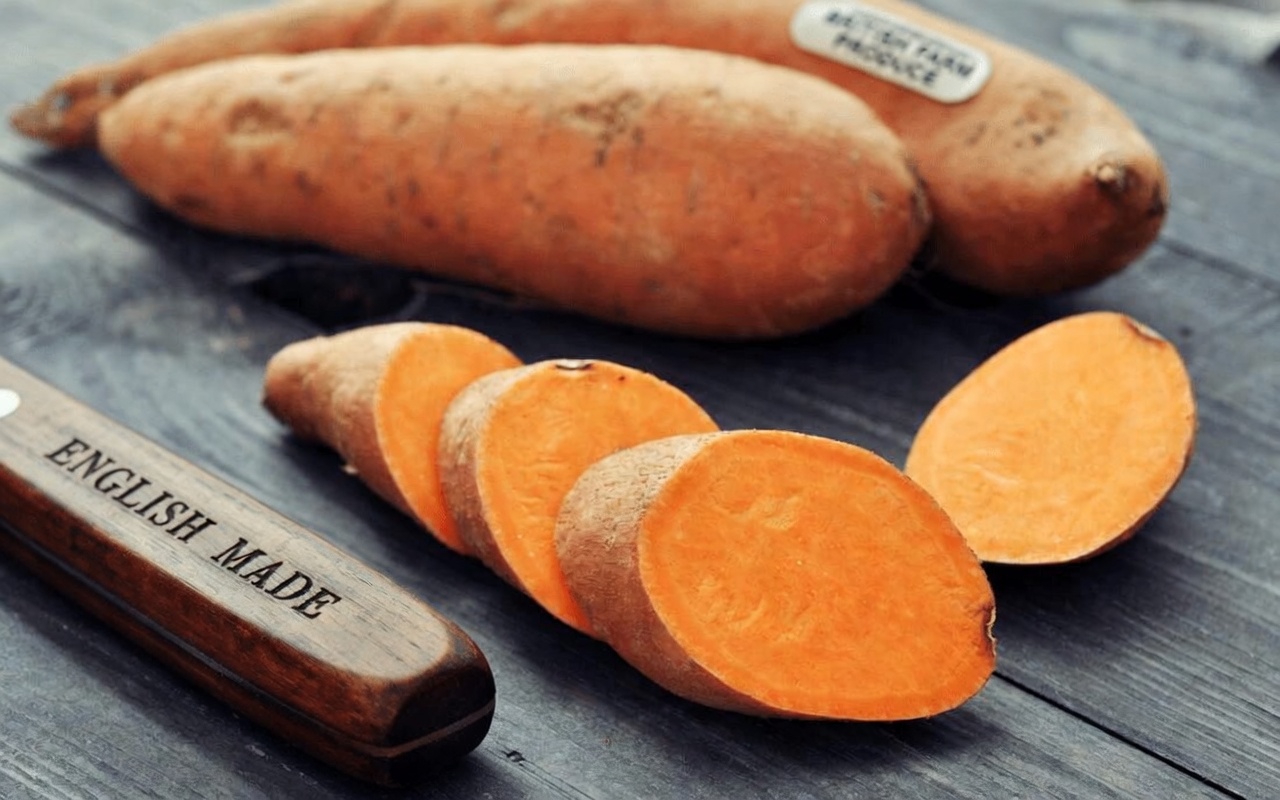
If your eyes tire more easily than they used to or your skin seems less vibrant, sweet potatoes deserve a place on your plate. They are rich in beta-carotene, which the body converts into vitamin A. In fact, one medium sweet potato can provide more than 400% of daily vitamin A needs.
Research published in Nutrients in 2023 found that higher beta-carotene intake was associated with better skin elasticity and a lower risk of age-related macular degeneration.
Consider Linda, 58, a retired nurse from Colorado. She began eating roasted sweet potatoes with dinner a few times a week and noticed that within a month, her energy improved and her skin looked healthier and less dry.
If your energy score was low earlier, this could be one of the easiest foods to add first.
2. Black Beans — A Smart Choice for Muscle and Cholesterol
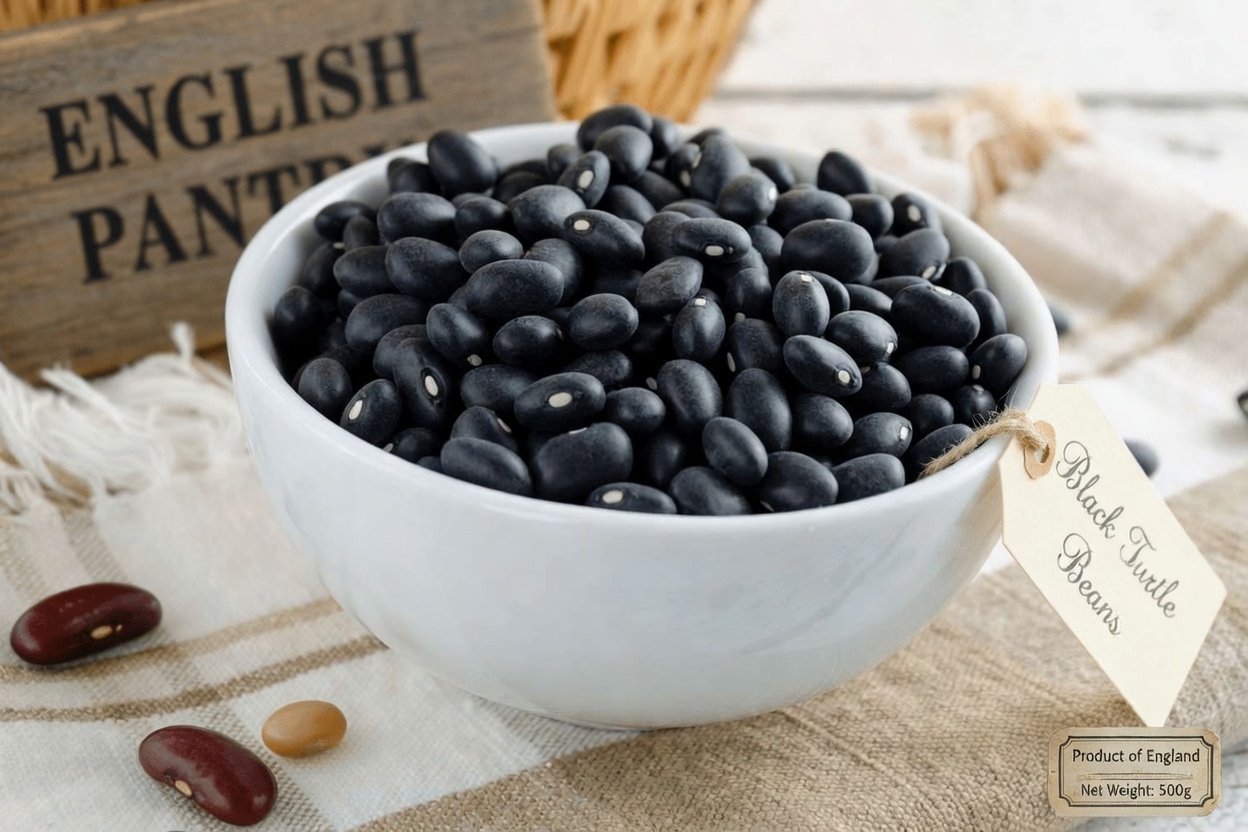
Muscle loss becomes more common after 50, which is why adequate protein matters so much. Black beans provide about 15 grams of plant protein per cup, along with fiber, iron, and magnesium.
A 2024 meta-analysis in The American Journal of Clinical Nutrition reported that regular legume consumption can reduce LDL cholesterol by roughly 6–10 mg/dL.
James, 61, a former truck driver from Ohio, started eating black bean chili regularly. Within three months, his LDL cholesterol dropped significantly—without medication.
Ask yourself: How often do you eat beans each week? If the answer is “rarely,” you may be missing out on an affordable, versatile food that supports both muscle and heart health.
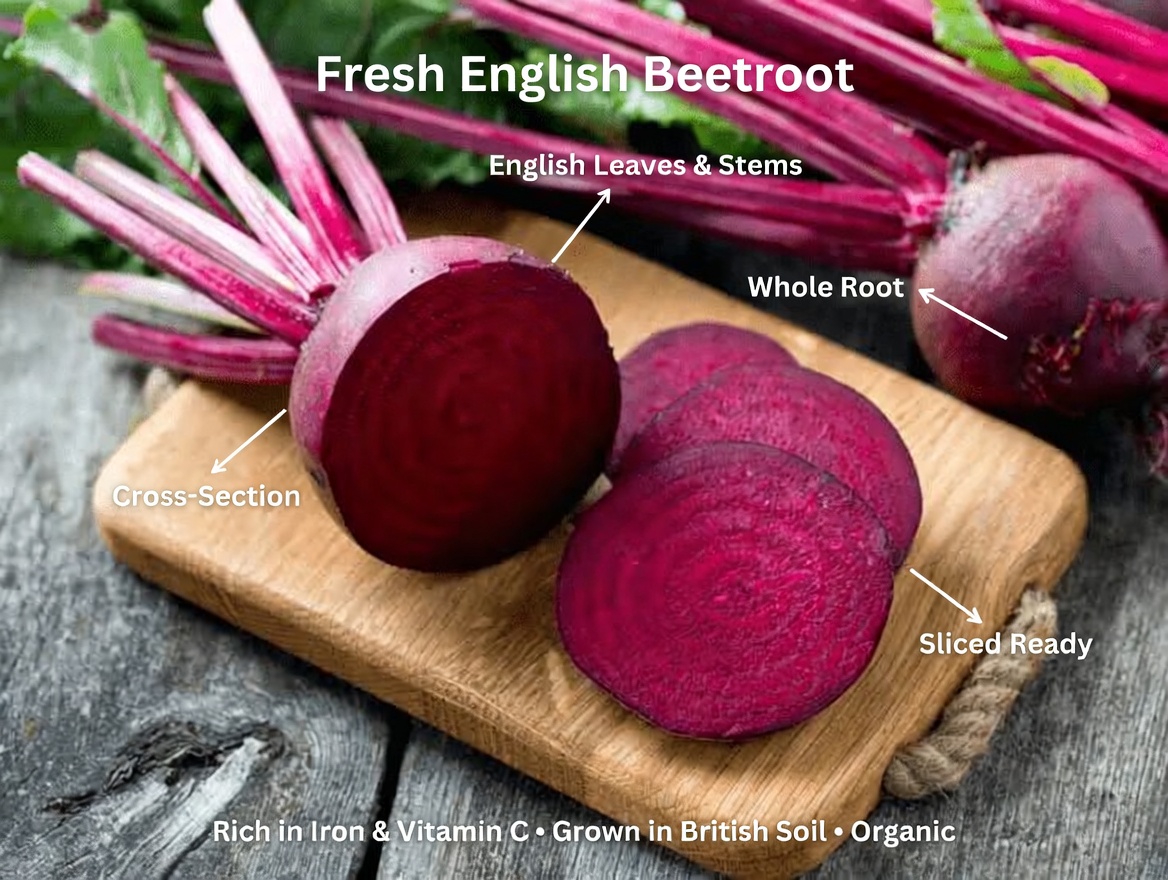
3. Beets — Natural Support for Energy and Brain Function
If walking, exercise, or even a busy day leaves you drained, beets may help. They are naturally high in dietary nitrates, compounds that improve blood flow and oxygen delivery.
Studies such as those published in the Journal of Applied Physiology in 2023 suggest that beet juice can improve exercise endurance by 15–25% in older adults.
Maria, 56, a school librarian in Florida, started drinking a small beet smoothie each day. She found that instead of fading by mid-afternoon, she still had enough energy to garden in the evening.
4. Onions — Everyday Protection Against Inflammation
When the body ages, inflammation often becomes a bigger issue. Onions contain quercetin and sulfur compounds that may help reduce inflammation and support immune health.
A 2024 review in Food Science & Nutrition linked regular onion intake with lower levels of C-reactive protein (CRP) and improved immune response.
One practical tip: cook onions slowly in olive oil. This not only enhances their flavor, but may also improve the availability of some beneficial compounds.
5. Extra Virgin Olive Oil — A Heart-Healthy Staple With Skin Benefits
A drizzle of extra virgin olive oil over vegetables, beans, or fish does more than improve taste. It provides monounsaturated fats and polyphenols that support blood vessels, reduce inflammation, and may benefit skin health as well.
The well-known PREDIMED trial found that a Mediterranean-style diet enriched with olive oil reduced the risk of major cardiovascular events by about 30%.
Quick Check-In: What Have You Learned So Far?
Before moving on, pause for a quick review:
-
How many foods have been covered so far?
- Five
-
What health issue concerns you most right now?
- Energy, memory, cholesterol, joints, bones, or something else?
-
How does your energy rating compare to when you started reading?
-
Which food has surprised you the most so far?
If you are still reading, you are already doing something important: paying attention to the daily habits that shape long-term health.
6. Turmeric — One of the Best Foods for Joint Comfort
If mornings begin with stiffness or movement feels less fluid, turmeric may be worth using more often. Its key compound, curcumin, is widely recognized for its anti-inflammatory effects.
A 2023 meta-analysis in Phytotherapy Research found that curcumin performed similarly to ibuprofen for knee osteoarthritis pain, but with fewer side effects.
For better absorption, combine turmeric with a little black pepper. Piperine, a compound in pepper, can increase curcumin absorption by up to 2000%.
7. Garlic — A Simple Food With Major Heart Benefits
Garlic becomes especially powerful when crushed, which activates allicin, a compound linked to improved circulation and immune support.
A 2024 review found that daily garlic intake may lower systolic blood pressure by about 5–8 mmHg in adults with hypertension.
It is an easy ingredient to use in soups, sautés, dressings, and marinades—and one of the most practical foods for supporting heart health naturally.
8. Greek Yogurt — Protein, Calcium, and Gut Support in One Food
Greek yogurt is an excellent option if you want more protein without a large increase in calories. Many varieties provide 20 grams or more of protein per cup, plus calcium and probiotics.
Research suggests that getting enough dairy protein after 50 may help preserve muscle mass and bone density, while the probiotics can also support digestive health.
Choose plain Greek yogurt when possible, then add fruit, seeds, or cinnamon for flavor.
9. Ginger — Helpful for Digestion and Joint Discomfort
If bloating, nausea, or indigestion has become more common, ginger may help. It contains gingerols, compounds that can speed up gastric emptying and reduce inflammation.
Some studies suggest ginger may also ease osteoarthritis pain at a level comparable to certain NSAIDs in some individuals.
Fresh ginger works well in tea, stir-fries, soups, and smoothies.
10. Cucumbers — Easy Hydration and Weight-Friendly Volume
As people age, dehydration can become easier to overlook. Cucumbers are about 96% water, making them a refreshing way to support hydration.
They are also low in calories, which makes them useful for people trying to manage appetite or maintain a healthy weight. Better hydration can also support skin appearance and overall energy.
11. Eggs — A Compact Source of Brain, Eye, and Muscle Nutrition
Eggs offer a highly efficient package of nutrients for aging adults. They provide high-quality protein, along with choline, which is important for memory and brain health, and lutein plus zeaxanthin, which support the eyes.
Recent research indicates that eating 1–2 eggs per day does not raise heart disease risk for most people, making eggs a practical and affordable option for many diets.
12. Salmon — Omega-3 Support for the Brain and Heart
Salmon is one of the best food sources of omega-3 fatty acids, especially EPA and DHA. These fats help lower inflammation, support brain function, and reduce triglycerides.
A 2024 study found that eating two servings of fatty fish per week was associated with a 20–30% lower risk of cognitive decline.
For adults over 50, salmon is one of the strongest choices for supporting both long-term heart health and mental sharpness.
Quick Comparison: Best Foods for Common Concerns After 50
| Concern | Best Foods From This List | Main Benefit |
|---|---|---|
| Muscle loss | Black beans, Greek yogurt, eggs, salmon | High-quality protein supports muscle maintenance |
| Heart health | Olive oil, garlic, salmon, black beans | Helps reduce blood pressure, inflammation, and cholesterol |
| Joint pain and inflammation | Turmeric, ginger, onions, salmon | Natural anti-inflammatory support |
| Brain function | Salmon, eggs, beets, sweet potatoes | Supports memory, circulation, and cognitive health |
| Bone strength | Greek yogurt, salmon, eggs | Calcium, protein, vitamin D, and other supportive nutrients |
| Digestion | Ginger, Greek yogurt, black beans, cucumbers | Supports gut health, regularity, and hydration |
| Eye health | Sweet potatoes, eggs | Vitamin A, lutein, and zeaxanthin support vision |
| Low energy | Beets, sweet potatoes, salmon | Supports blood flow, steady fuel, and recovery |
How to Start Using These Foods Without Overhauling Your Whole Diet
You do not need to eat all 12 foods every day. A better strategy is to start small and stay consistent.
Try this simple approach:
- Add sweet potatoes or eggs to breakfast or dinner a few times a week
- Use olive oil, garlic, and onions as your everyday cooking base
- Include beans, Greek yogurt, or salmon regularly for protein
- Keep ginger and turmeric on hand for teas, soups, or savory meals
- Add cucumbers and beets to salads, smoothies, or side dishes
Even adding three to four of these foods consistently can begin to improve the overall nutrient quality of your diet.
Final Thought
Aging is inevitable, but feeling weaker, foggier, and more inflamed does not have to be. The foods you eat every day can either work against you or quietly support your muscles, heart, bones, brain, and energy.
If you rated your daily energy earlier, ask yourself again now: what number would you like to reach in the next few months? The path may begin with something much simpler than you think—a few intentional choices, repeated often.
These 12 foods are not magic. But they are powerful, practical, and supported by science. And for many adults over 50, they may be one of the smartest ways to feel stronger, sharper, and more vibrant every day.