Honey Locust Tree: Benefits, Traditional Uses, and Practical Home Applications
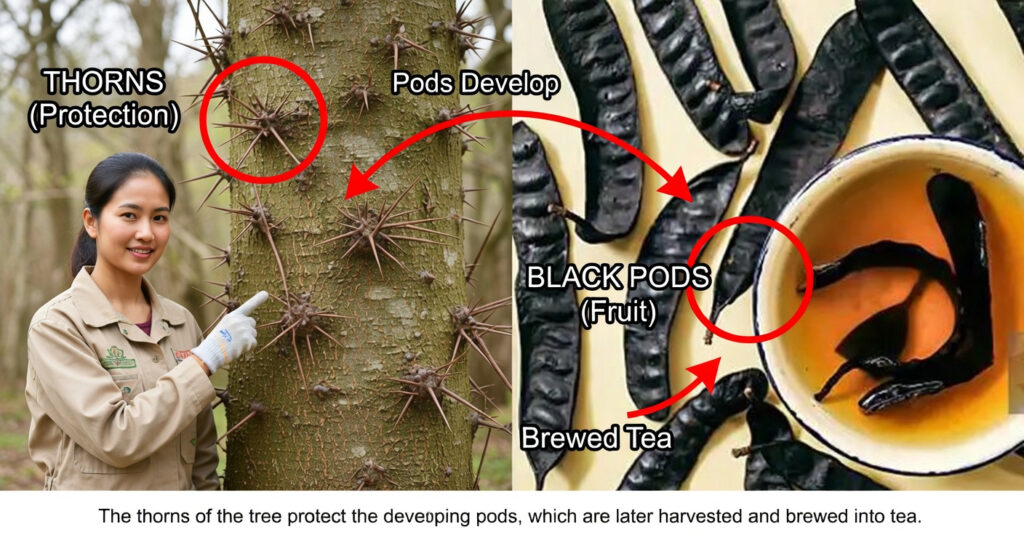
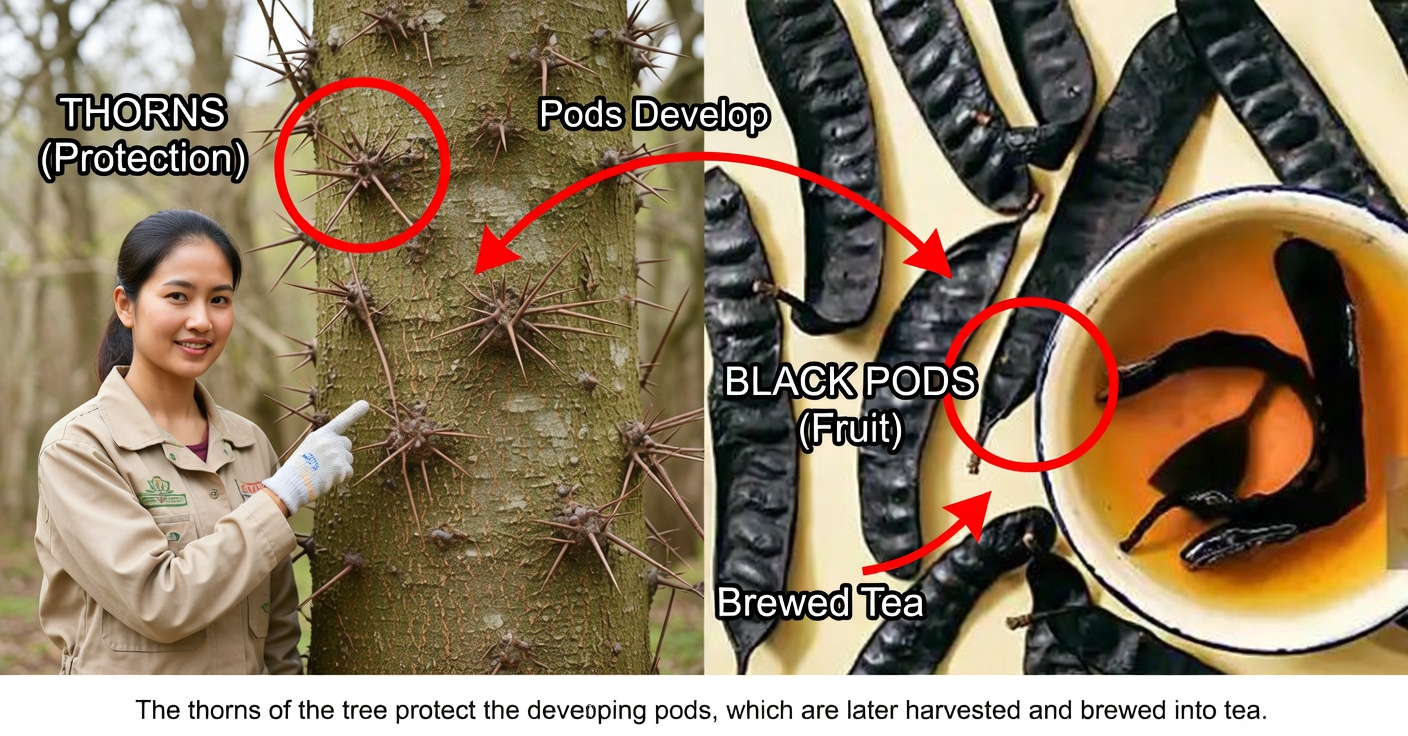
The Honey Locust tree (Gleditsia triacanthos) is often overlooked, even though it is one of the most useful and distinctive trees in North America. Famous for its long, formidable thorns and sweet seedpods, this resilient species has served people for generations as a source of food, traditional remedies, natural cleansers, and durable materials. Many people notice only its shade or its sharp defenses, but communities familiar with the tree have long understood how valuable it can be.
From its pods and seeds to its bark, sap, thorns, and wood, nearly every part of the Honey Locust has had a practical role. Many of these traditional uses are still simple enough to try at home today.
Why the Honey Locust Tree Stands Out
The Honey Locust is more than a rugged landscape tree. It combines natural cleansing compounds, energy-rich pulp, strong wood, and useful plant gums in a single species. That makes it one of the most versatile wild trees found across much of North America.
Below are the most important benefits and natural properties of Honey Locust, explained in a clear and practical way.
Top Benefits of the Honey Locust Tree
1. Natural Cleansing Action
Honey Locust pods contain saponins, plant compounds also found in soap nuts. When soaked or boiled in water, they create a mild cleansing effect. Traditionally, the pods were used as a natural wash for hair and skin.

2. Mild Antimicrobial Qualities
The pods and bark have shown light antimicrobial properties. Because of this, they were often used in traditional practices for washing the skin and soothing minor irritations.
3. Traditional Digestive Support
The sweet pulp inside the pods was historically chewed to help support digestion, especially during times when fresh food was limited or while traveling.
4. Quick Natural Energy
The pod pulp contains natural sugars and carbohydrates, making it a convenient source of fast energy. Indigenous communities and early settlers are known to have used the pods during long journeys.
5. Seed-Based Thickening Properties
Honey Locust seeds contain gums similar to guar gum, which means they can be processed into a natural thickening ingredient for certain food preparations.
6. Soil-Enriching Value
As part of the legume family, Honey Locust contributes to healthier soil. While it does not fix nitrogen as aggressively as some legumes, its leaf litter helps return minerals and organic matter to the ground.
7. Extremely Strong, Rot-Resistant Wood
The wood of the Honey Locust is known for being hard, durable, and resistant to decay. For this reason, it has long been prized for fence posts, tool handles, stakes, and handcrafted items.

8. Useful as Livestock Feed
Because the pods are naturally sweet and rich in carbohydrates, farmers have traditionally used them as a supplement for livestock feed.
9. Antioxidant Plant Compounds
The bark and pods contain antioxidant substances that may help reduce oxidative stress when prepared in traditional teas or external applications.
10. Traditional Seasonal Respiratory Support
In folk use, Honey Locust bark tea was sometimes used to help support the lungs during seasonal discomfort.
Homemade Honey Locust Uses You Can Try
Many traditional Honey Locust uses are straightforward and practical. Below are several simple ways this tree has been used in the home.
1. Honey Locust Natural Shampoo or Body Wash
Ingredients:
- 3 to 5 dried seedpods
- 2 cups water
Instructions:
- Break the pods into smaller pieces.
- Boil them in water for 10 to 15 minutes.
- Allow the liquid to cool.
- Strain and use it as a mild natural wash.
Why it works:
The saponins in the pods create a gentle cleansing effect suitable for basic washing.
2. Honey Locust Household Cleaning Liquid
This simple preparation can be used for light cleaning tasks, including wooden surfaces, or as a mild alternative for washing dishes.
Instructions:
- Boil several pods in water until the liquid becomes slightly foamy.
- Let it cool completely.
- Pour into a clean jar for storage.
- Use for gentle cleaning around the home.

3. Traditional Honey Locust Digestive Drink
Historically, this was used in small amounts for seasonal digestive support.
Ingredients:
- 1 small piece of bark or a few cleaned pod pieces
- 2 cups hot water
Instructions:
- Simmer the bark or pod fragments for 10 to 15 minutes.
- Strain the liquid.
- Drink only in small amounts.
Important note:
This is considered a mild traditional herbal preparation, not something intended for daily use.
4. Honey Locust Seed Flour Thickener
The seeds are very hard, but they can be processed into a powder that works as a natural thickener.
Instructions:
- Boil the seeds for 20 to 30 minutes.
- Dry them thoroughly.
- Grind them into a fine powder.
How to use it:
- Stir a small amount into soups
- Add to sauces
- Use wherever a natural thickening agent is needed
5. Sweet Pod Pulp as a Traditional Energy Snack
The inner pod pulp can be chewed for a quick boost of natural energy.
How to use it:
- Open the pod.
- Chew the sweet pulp inside.
- Do not swallow the hard seeds.
6. Honey Locust Thorn Crafts
The tree’s long thorns have also been used in practical ways. Once dried, they can serve as:
- natural sewing needles
- decorative craft materials
- traditional fishing tools
7. Honey Locust Wood for Handmade Tools
Because the wood is exceptionally hard, it works well for making:
- tool handles
- walking sticks
- garden stakes
- long-lasting fence posts

8. Homemade Livestock Feed Supplement
If you raise animals, dried and crushed pods can be mixed into feed as a naturally sweet addition.
Important:
Make sure animals are not given whole seeds in a way that could create a choking hazard.
9. Traditional Bark Skin Wash
A mild bark preparation was traditionally used as a gentle wash for irritated skin.
Instructions:
- Boil a small piece of bark in water.
- Let the liquid cool.
- Strain it well.
- Apply the wash gently to the affected area.
Safety Notes for Using Honey Locust
Before using any part of the Honey Locust tree, keep these precautions in mind:
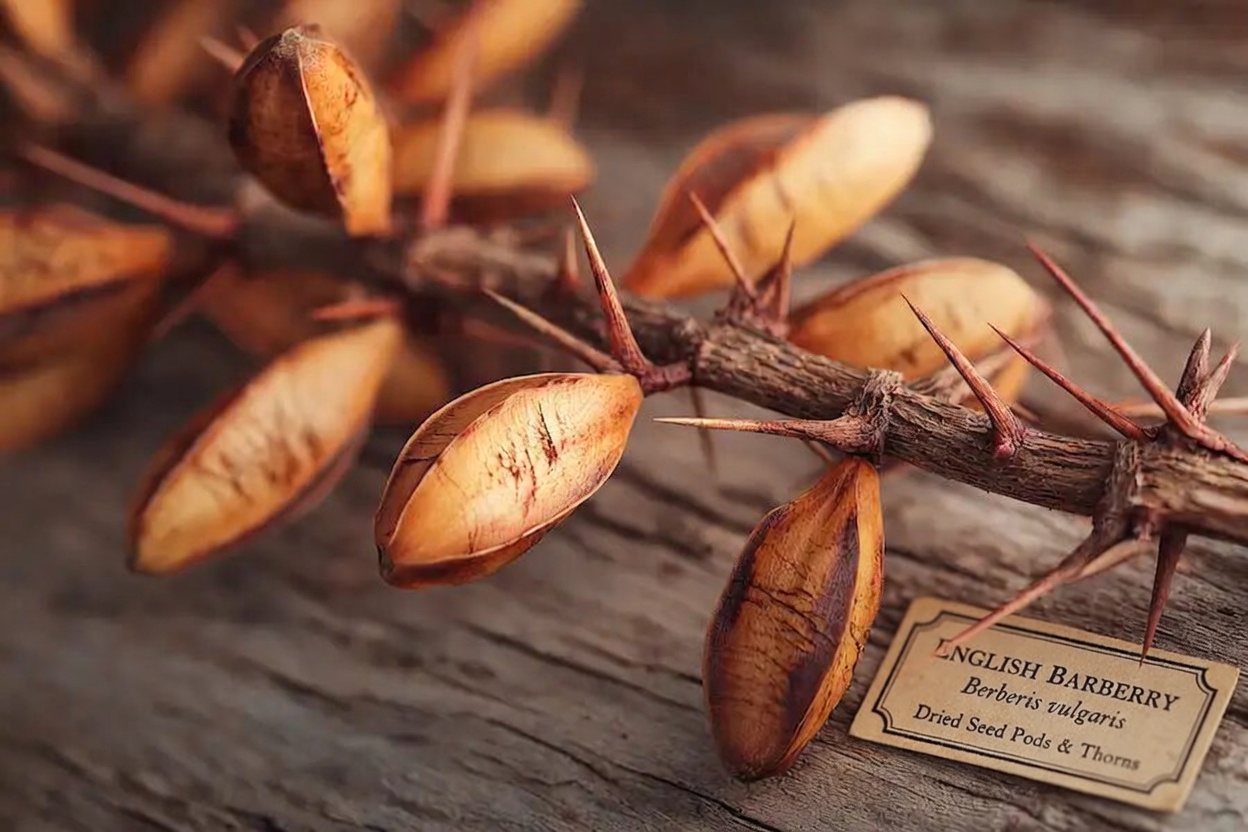
- Thorns are extremely sharp, so handle branches and pods carefully.
- Whole seeds are not edible because they are extremely hard.
- Bark should be used sparingly in traditional preparations.
- Always test homemade skin products on a small area first before broader use.
Why the Honey Locust Still Matters Today
The Honey Locust tree is much more than a thorn-covered giant. It has supported people for centuries through its natural cleansing ability, sweet energy-rich pods, useful bark, practical thorns, and highly durable wood. Whether used as a homemade shampoo, a gentle cleaner, a traditional herbal preparation, or a quick source of energy, it remains one of the most underrated trees in North America.
Final Thoughts
Rediscovering the traditional uses of the Honey Locust helps reconnect us with practical plant knowledge that has been quietly passed down for generations. This remarkable tree shows how even a common species can provide a wide range of benefits when people understand its value. For anyone interested in natural living, traditional skills, and useful wild plants, the Honey Locust is a tree worth knowing.