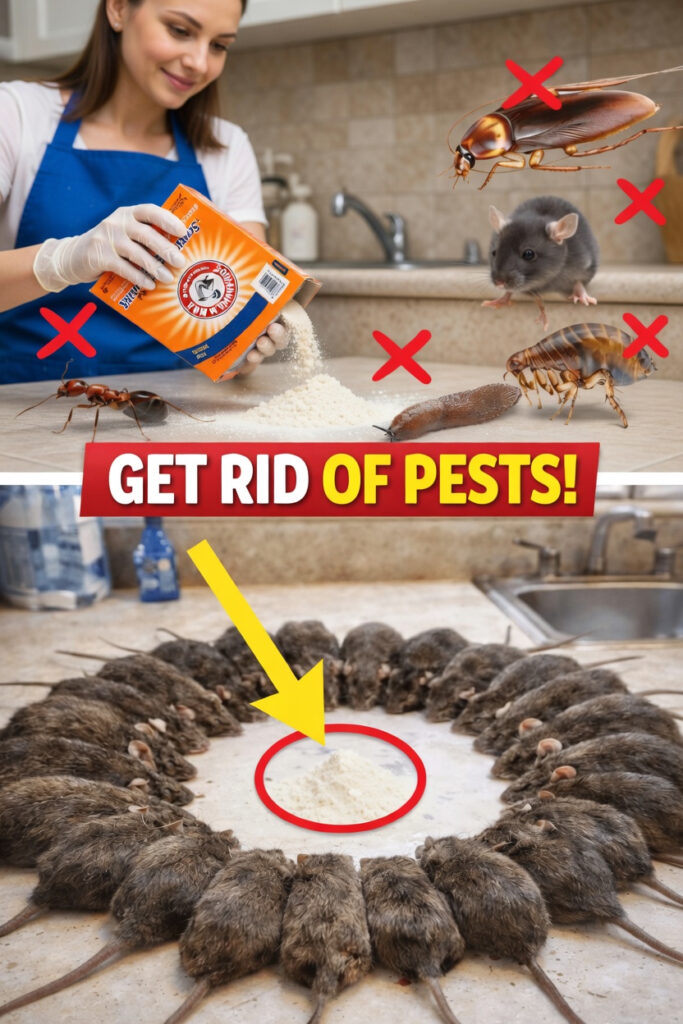
Baking Soda for Pest Control: What It May Help With and What to Expect
Seeing ants trail across the kitchen or hearing scratching noises after dark can quickly make your home feel less comfortable. These unwanted visitors do more than annoy you—they can also create hygiene concerns and trigger worries about allergens or contamination. Because of this, many homeowners look for simple household remedies before moving on to stronger treatments.
One common option is baking soda, a familiar pantry staple often used in cooking and cleaning. People are drawn to it because it is easy to find, affordable, and generally mild compared with many chemical-based products. Although it is not a guaranteed solution and results can be inconsistent, baking soda may help in certain situations when used as part of a wider pest-control routine.
In this article, we’ll explore how baking soda is believed to work, which pests it may affect, and how to use it carefully and realistically.
How Baking Soda May Affect Pests
Baking soda, also known as sodium bicarbonate, is a mildly alkaline powder. The most common theories behind its use for pest control involve two possible effects:
- Reaction with stomach acids, which may create gas after ingestion
- Moisture absorption, which some believe could affect certain pests on contact
Scientific evidence on these effects is still limited. Most support comes from personal experiences, informal reports, and a small number of laboratory observations. In many cases, baking soda appears more likely to have an effect when pests eat it, rather than simply walking through it.
Its success can depend on several factors, including:
- The type of pest
- What baking soda is mixed with
- Where and how often it is applied
- Whether sanitation and exclusion methods are also used
Even when people report success, cleaning thoroughly and sealing entry points usually remain the most reliable long-term strategies.
Why Homeowners Use Baking Soda for Pest Problems
There are several reasons baking soda remains popular as a home remedy:
- It is low-cost
- It is widely available
- It does not leave behind strong chemical odors
- It is generally considered a lower-risk household item when used properly
Compared with commercial pest products, baking soda feels more approachable to many people. Some homeowners say they notice fewer insects after setting out baking soda bait, especially for crawling pests attracted to sugar. Still, pest experts often point out that these mixtures are best viewed as supportive tools, not complete solutions—especially when infestations are large or ongoing.
Common Baking Soda Methods for Different Pests
Different pests respond differently, so it helps to look at the most frequently discussed approaches one by one.
Cockroaches: Baking Soda and Sugar Bait
One of the best-known uses for baking soda is a roach bait made with sugar. A typical method is to mix equal amounts of:
- Baking soda
- Sugar or powdered sugar
The sugar acts as an attractant, encouraging cockroaches to consume the mixture. Once eaten, the baking soda may react internally and possibly lead to gas buildup. Some controlled testing has suggested that it can have effects over time, although results vary and are not always consistent outside laboratory conditions.
For best placement, put small portions of the bait in:
- Bottle caps
- Shallow lids
- Small containers near hiding spots
Useful locations include:
- Under sinks
- Behind appliances
- Inside dark cabinets
- Near cracks and baseboards
Refresh the bait every few days and watch whether roach activity changes.
Making Roach Bait More Appealing
Some people try to improve the bait by adding ingredients with a stronger smell. Popular variations include mixing baking soda with:
- Finely chopped onion
- A small amount of peanut butter
These stronger scents may attract cockroaches more effectively in some homes. If you try this method, place the bait in dark, quiet areas where roaches are likely to travel. It also helps to remove other food sources by wiping surfaces, storing food securely, and cleaning crumbs promptly.
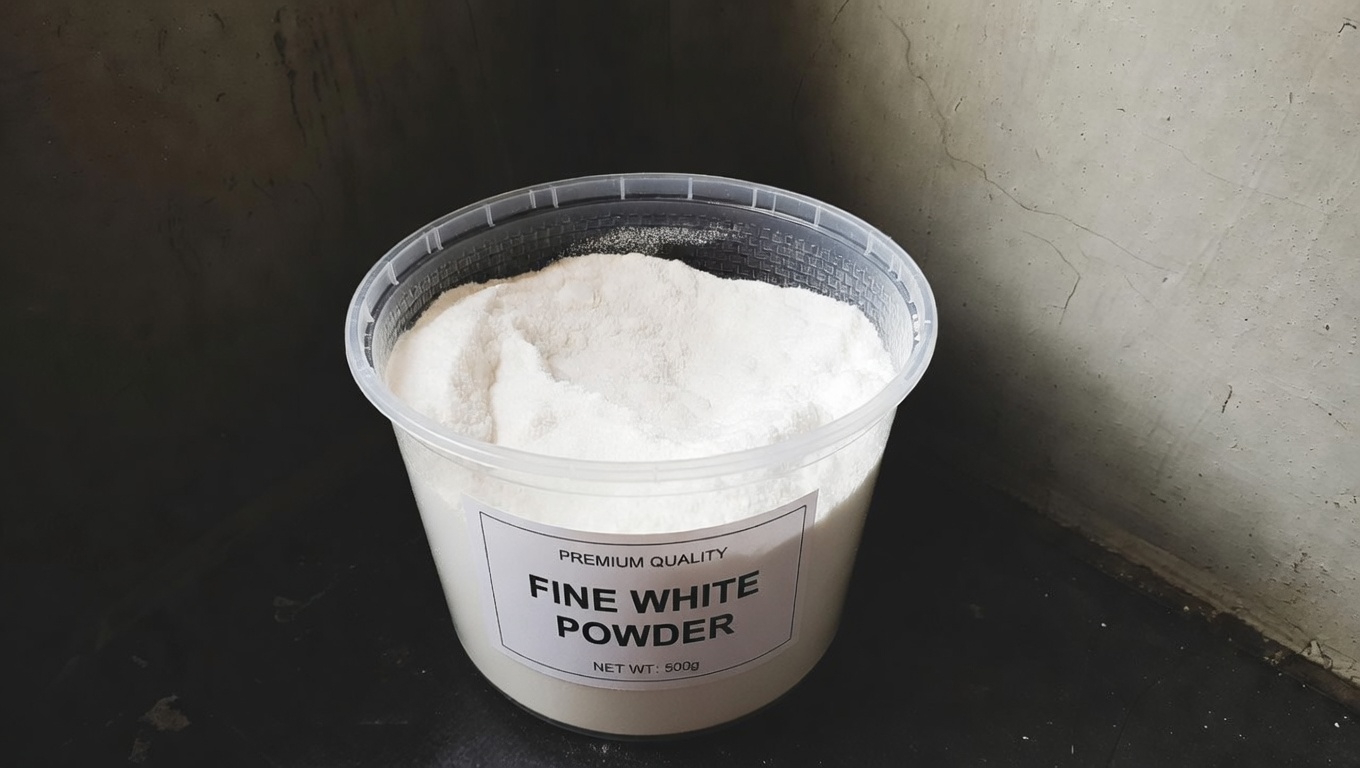
Ants: Baking Soda with Powdered Sugar
Ants are often drawn to sweet substances, which is why powdered sugar and baking soda is a commonly suggested mix. A roughly 1:1 ratio is often used.
The idea is that worker ants carry the sweet mixture back to the colony. If enough of it is eaten, it may interfere with digestion. Some people report that ant trails begin to shrink over time, while others see little difference.
This method may work better when placed:
- Along ant trails
- Near windowsills or doors
- Close to suspected entry points
Try to avoid damp areas, since moisture can make the bait less effective and less attractive.
Quick Tips for Ant and Roach Baits
- Use powdered sugar for a finer texture
- Place bait in small piles or caps to keep it contained
- Replace it after rain, humidity, or spills
- Wipe away ant trails to disrupt their scent paths
What About Other Pests?
Baking soda is often mentioned for a wide range of pests, but the results are far less convincing for some of them.
Rodents
For mice and rats, one common theory is that baking soda may create gas internally because rodents cannot easily release it. In practice, however, most reports suggest rodents do not readily eat plain baking soda, or would need to consume too much for it to matter. That makes it an unreliable and questionable option.
For rodent issues, most professionals recommend:
- Humane traps
- Entry-point sealing
- Food source removal
- Professional inspection when necessary
Bed Bugs
Bed bugs are especially difficult to control. Claims that baking soda can dehydrate or kill them by direct contact are not strongly supported by evidence. Most experts do not consider it a dependable method for bed bug treatment.
More effective responses usually involve:
- Heat treatment
- Targeted professional products
- Expert pest-control services
Slugs
In gardens, some people use dry baking soda as a barrier for slugs. Results appear mixed, and performance is inconsistent, especially in damp conditions. Moisture can quickly reduce its usefulness outdoors.
How to Try Baking Soda Safely: Step-by-Step
If you want to test baking soda as part of a cautious home approach, use it carefully and with realistic expectations.
Basic Steps
-
Gather your materials:
- Baking soda
- Sugar or powdered sugar
- Optional attractants such as onion
-
Mix equal parts of the dry ingredients. Start with a small batch.
-
Place the mixture in:
- Shallow containers
- Bottle caps
- Small bait stations
- Problem areas where pests are active
-
Set bait in strategic spots such as:
- Dark corners
- Along baseboards
- Near trails, droppings, or hiding places
-
Replace the mixture every 3 to 7 days, or sooner if it becomes damp or contaminated.
-
Remove dead pests promptly and keep the surrounding area clean.
-
Combine baiting with prevention:
- Seal cracks and gaps
- Store food in closed containers
- Reduce clutter
- Clean spills quickly
Signs You May Need a Different Strategy
It is important to monitor results rather than assume the method is working. You may need to adjust your approach if you notice:
- Continued pest trails after a week
- Ongoing sightings day or night
- Droppings, gnaw marks, or nesting signs
- No clear drop in pest numbers
If activity continues, stronger sanitation efforts and exclusion methods often have a bigger impact than bait alone.
Safety Tips When Using Household Pest Mixtures
Although baking soda is considered mild in many household uses, it still should be handled carefully.
Keep these precautions in mind:
- Keep all mixtures away from children and pets
- Avoid placing bait where accidental ingestion could happen
- Keep the mixture dry
- Test in a small area first if using near delicate surfaces
- Stop relying on the method if it shows no results
If the pest issue becomes more serious or persistent, local pest-control professionals can provide guidance based on the specific pest and level of infestation.
Building a More Pest-Resistant Home
Using baking soda can be a simple first step for dealing with certain crawling pests, particularly ants and cockroaches, when it is used in bait form. Still, results vary widely, and it is rarely enough on its own to solve a larger infestation.
For the best chance of long-term improvement, focus on prevention habits such as:
- Cleaning spills immediately
- Removing crumbs and food residue
- Sealing entry points
- Reducing moisture
- Keeping storage areas organized
These everyday actions often do more to protect your home than any single household remedy.
Frequently Asked Questions
Does baking soda kill pests immediately?
No. If it has any effect, it usually takes hours or days, since many of the proposed mechanisms depend on the pest ingesting it first.
Is baking soda safe to use around pets and children?
In small, contained amounts it is generally considered low-risk, but bait should still be kept out of reach to prevent accidental swallowing.
What should I do if baking soda does not work?
If sightings continue, move to a broader pest-management plan that includes better hygiene, sealing entry points, and professional help when needed.
Important Note
This article is for informational purposes only. It does not replace professional pest-control advice. For severe, recurring, or hard-to-identify pest problems, consult a qualified expert.