Unusual Signs You May Be Low in Vitamin B12
You may be moving through each day feeling unusually exhausted, sore, or mentally sluggish, wondering why routine activities seem more difficult than before. Ongoing tingling in your feet or a constant sense of brain fog can make everything from work responsibilities to time with loved ones feel more demanding. It is easy to blame these symptoms on stress, poor sleep, or aging, but they may actually point to a nutritional deficiency.
Vitamin B12 is essential for energy production, healthy red blood cell formation, and proper nervous system function. When your levels are too low, your body can send warning signs in unexpected ways. One of the most surprising clues can even appear on your tongue, and there are practical ways to help maintain healthy B12 levels.
Tingling or Numbness in the Hands and Feet
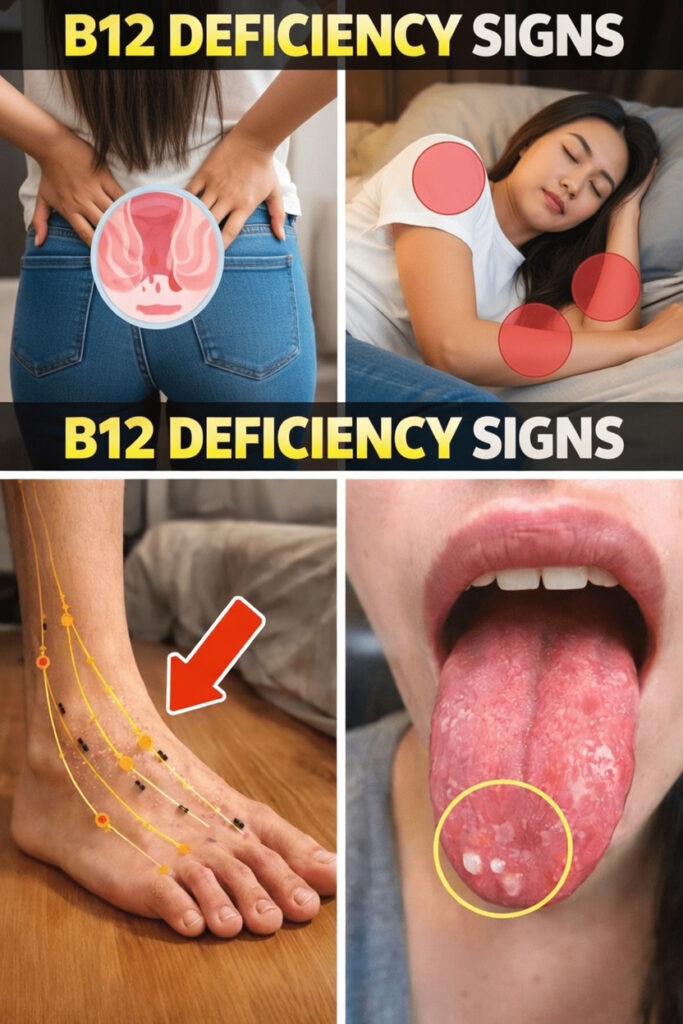
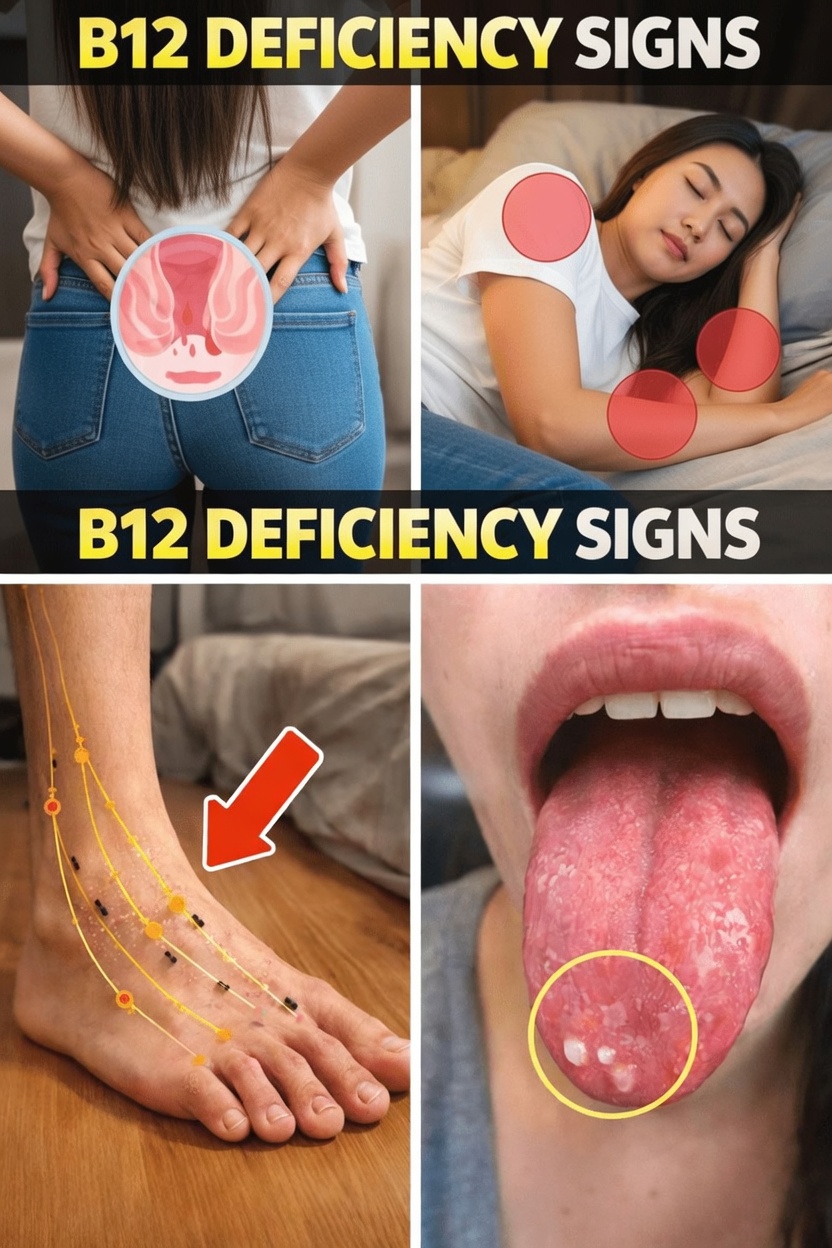
A common but often overlooked sign of low vitamin B12 is a pins-and-needles sensation, numbness, or tingling that begins in the fingers or toes. Many people notice it in their feet first. The Mayo Clinic notes that vitamin B12 helps protect the myelin sheath, the layer that insulates your nerves. When B12 levels drop, that protective covering can become damaged, leading to strange sensations that seem to appear without warning.
This symptom can become more serious over time. What starts as mild tingling may gradually affect your ability to walk comfortably or maintain balance. Because it is often mistaken for poor circulation or sitting in one position too long, many people ignore it. However, research shows that low B12 levels are frequently linked to nerve-related symptoms.
Recognizing this sign early can have a real impact on your daily comfort and mobility.
A Red, Sore, or Smooth Tongue
One of the more surprising indicators of vitamin B12 deficiency can be seen in the mirror. Your tongue may appear swollen, bright red, inflamed, or unusually smooth with a shiny surface. Some people also develop small white patches or experience a burning feeling that makes eating unpleasant. This condition, often called glossitis, happens because vitamin B12 is important for healthy cell renewal, including the sensitive tissues in the mouth.
What makes this symptom especially important is that it may show up before other signs become obvious. Trusted medical sources such as the Cleveland Clinic report that low B12 often causes visible tongue changes, and these symptoms may improve once the deficiency is corrected.
If spicy foods or even regular meals suddenly become uncomfortable, it is worth mentioning during your next medical visit.
Unexplained Joint and Muscle Discomfort
If you often wake up stiff or notice soreness in your shoulders, back, elbows, or legs without any clear reason, low vitamin B12 may be contributing. This nutrient supports both nerve communication and muscle function, so inadequate levels can result in weakness and persistent aches that interfere with sleep and daily movement.
Many people dismiss this type of pain as normal wear and tear. However, B12 also plays a role in helping healthy red blood cells deliver oxygen throughout the body. When that process is disrupted, muscles may not function as efficiently, which can contribute to discomfort. Health experts have found that muscle weakness and body aches often appear alongside other signs of B12 deficiency.
If simple movements feel more difficult than they used to, your body may be signaling that something needs attention.
Constant Fatigue and Low Energy
Feeling tired all the time, even after getting enough sleep, is one of the most common signs of low vitamin B12. You may rely on coffee, naps, or rest breaks and still feel drained. This happens because vitamin B12 is necessary for producing red blood cells, which carry oxygen to your tissues. Without enough oxygen circulating effectively, your body struggles to maintain normal energy.
What makes this symptom tricky is that it often develops gradually. Many people assume they are simply overworked or getting older. According to the National Institutes of Health, ongoing fatigue is one of the earliest and most frequent warning signs of inadequate B12 levels.
If your afternoons are filled with exhaustion when they once felt manageable, it may be time to take a closer look.

Trouble With Balance and Coordination
Feeling unsteady when you walk or noticing that your coordination seems off can be unsettling. Some people experience mild dizziness, while others feel a wobble when standing up quickly or climbing stairs. Because vitamin B12 is closely tied to nerve health, low levels can interfere with the signals that travel between your brain and muscles.
This symptom may first show up in subtle ways, such as difficulty walking in a straight line or feeling awkward during movements that used to feel easy. Medical research has linked these coordination issues to nerve changes caused by B12 deficiency.
Addressing the problem early can help you stay active, confident, and safe in your everyday movements.
Mood Changes and Irritability
If you have been feeling more anxious, emotionally low, or easily irritated for no clear reason, vitamin B12 could be part of the picture. This nutrient helps support the brain chemicals involved in regulating mood, so low levels may affect emotional well-being as well as physical health.
These mood shifts are easy to confuse with ordinary stress or burnout. In many cases, they appear alongside fatigue, brain fog, or body discomfort. Health professionals have observed that improving B12 intake may help support better emotional balance in some people.
If your usual temperament feels different and you cannot explain why, it may be worth considering your nutrient status.
Changes in Skin Color
A noticeable shift in skin tone can also be a clue. Some people become paler than usual, while others develop a faint yellowish tint. This happens because low vitamin B12 can affect red blood cell production, which influences how much oxygen reaches tissues and how your skin appears.
These changes are often subtle at first. You may not notice them until someone else points them out, especially in the face or hands. Sources like WebMD note that altered skin color can be related to poor oxygen delivery caused by B12 deficiency.
Checking your appearance regularly may help you catch this sign sooner rather than later.
Brain Fog and Memory Problems
Forgetting names, losing focus during conversations, or feeling mentally cloudy can all be frustrating signs of low vitamin B12. You may find yourself walking into a room and forgetting why, or struggling to concentrate on tasks that once felt easy. Since B12 is important for nerve signaling and brain function, low levels can affect mental clarity.
One reason this symptom is often missed is that it develops slowly. Many people blame poor sleep, stress, or too much multitasking. Yet studies from major health organizations show a clear connection between low vitamin B12 and changes in memory, concentration, and thinking speed.
If your mind does not feel as sharp as it used to, this may be an important clue not to ignore.

Who Is More Likely to Have Low Vitamin B12?
Some people have a higher risk of developing a vitamin B12 deficiency and should pay closer attention to their intake and symptoms.
Those at greater risk include:
- Adults over 50, since B12 absorption tends to decline with age
- People following vegan or strict vegetarian diets without fortified foods
- Individuals with digestive disorders such as Crohn’s disease or celiac disease
- Those taking medications like metformin or long-term acid-reducing drugs
- Anyone who has had stomach or intestinal surgery
Knowing your personal risk factors can help you take action early.
Practical Ways to Support Healthy Vitamin B12 Levels
The good news is that improving your vitamin B12 status often starts with simple steps. First, speak with your healthcare provider about getting a blood test to check your levels. Once you know where you stand, you can focus on adding more B12-rich foods to your routine.
Foods naturally high in vitamin B12 include:
- Beef, lamb, and organ meats such as liver
- Fish and shellfish, including salmon, tuna, and clams
- Eggs
- Dairy foods like milk, yogurt, and cheese
- Fortified breakfast cereals
- Fortified plant-based milks
- Nutritional yeast for those who prefer more plant-based options
Aim to include a variety of these foods in balanced meals throughout the week. If your doctor thinks it is necessary, they may also recommend a vitamin B12 supplement to help restore healthy levels.
Final Thoughts
Vitamin B12 deficiency can show up in ways that are easy to overlook, from tiredness and tingling feet to balance issues, mood shifts, and even changes in your tongue. Because these symptoms often resemble everyday stress or aging, many people do not realize that low B12 may be the cause.
Paying attention to these unusual signs and talking with a healthcare professional can help you get answers sooner. When vitamin B12 levels are properly supported, many people notice meaningful improvements in their energy, focus, and overall well-being.