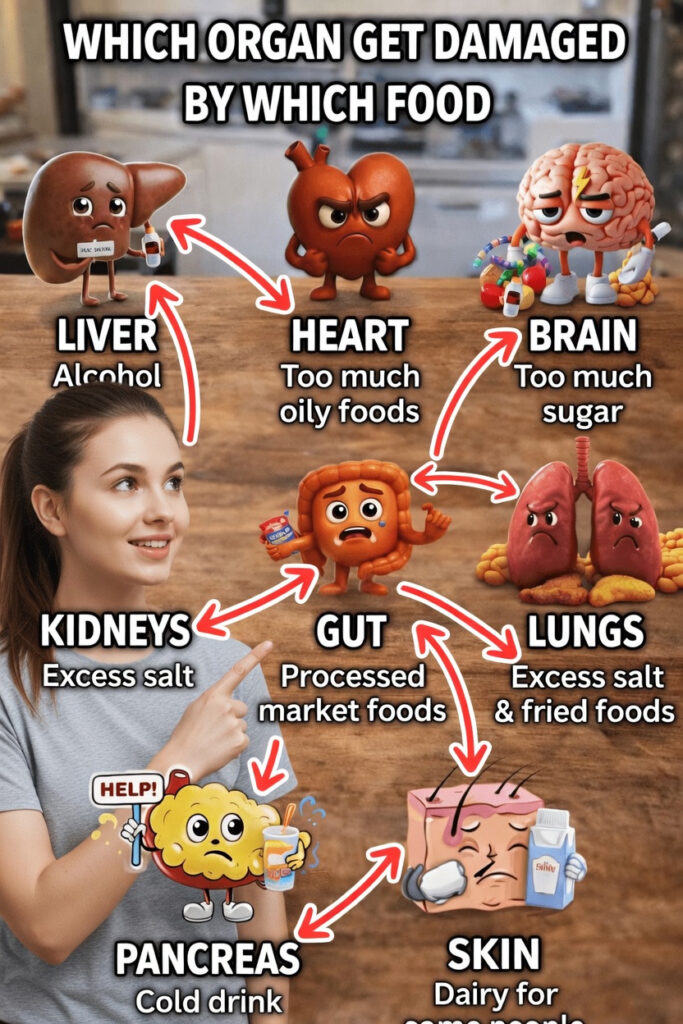
How Everyday Foods Can Affect Your Organs Over Time
Many people eat their favorite foods without considering how those choices may influence the body in the long run. Salty snacks, sweet desserts, fried meals, and heavily processed foods may seem harmless in the moment, but repeated habits can gradually place extra pressure on important organs. Studies suggest that diets high in added sugar, sodium, and unhealthy fats may raise the risk of ongoing health problems.
The encouraging part is that even small changes can have a meaningful impact. Thoughtful food swaps and better daily habits can help support your body and improve overall well-being. In this article, we’ll look at common foods that may affect major organs and share practical ways to make healthier choices.
There is also one simple habit that may help protect several organs at the same time. We’ll reveal it near the end.
Why Diet Matters for Organ Health
Everything you eat must be processed by the body, and research has consistently shown that certain eating patterns can influence how well your organs function. Too much sugar, salt, alcohol, or unhealthy fat can increase inflammation, affect circulation, and place more strain on systems that already work hard every day.
Health authorities such as the American Heart Association, the National Kidney Foundation, and leading medical institutions continue to emphasize that a balanced diet plays a major role in supporting the heart, liver, brain, kidneys, gut, and more. Below is a breakdown of how food choices may affect each organ.
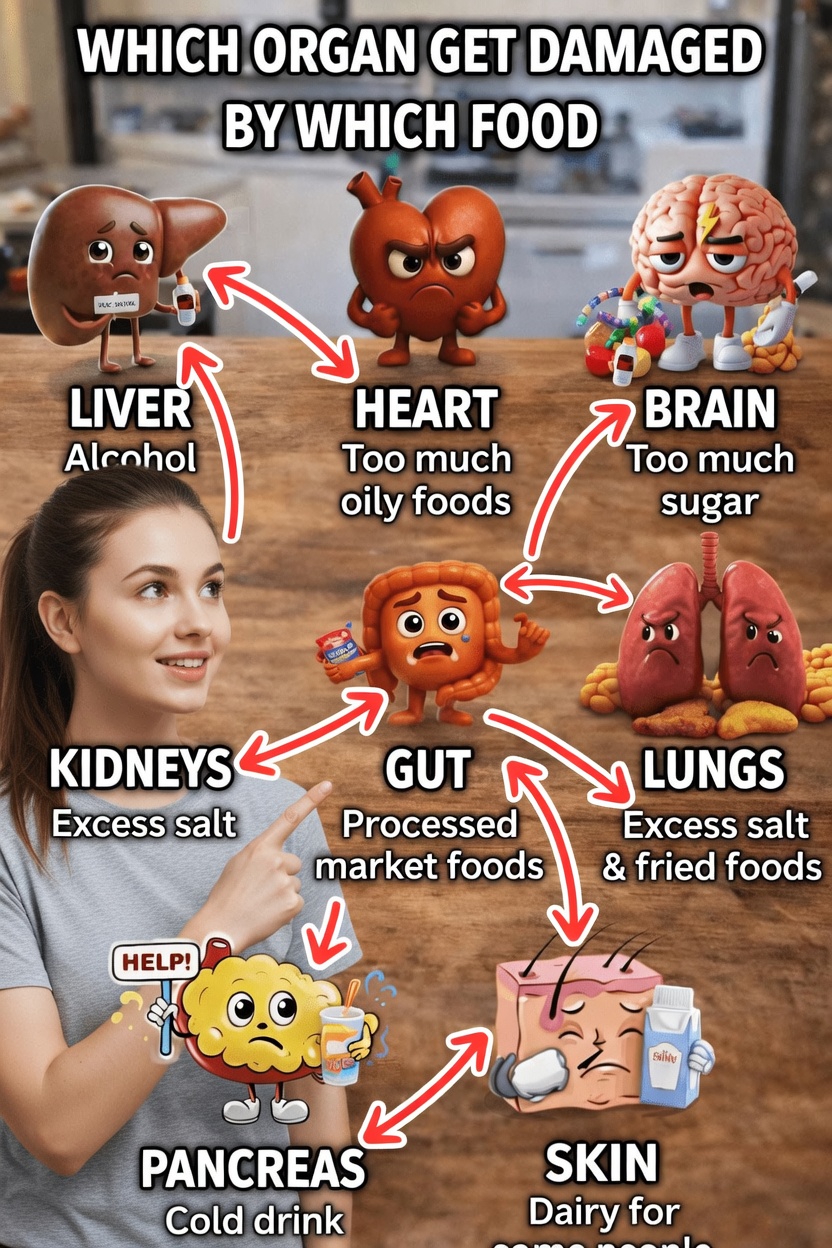
Liver: Be Careful With Alcohol
The liver is responsible for filtering toxins, processing nutrients, and supporting many essential functions. Long-term heavy alcohol use is strongly linked to problems such as fat buildup in the liver and inflammation. Even regular moderate drinking may create stress over time.
Ways to support your liver
- Follow recommended alcohol limits, or avoid alcohol when possible.
- Choose more whole foods, including vegetables, legumes, and lean protein.
- Drink more water instead of alcohol or sugary beverages.
Heart: Cut Down on Fried and Greasy Foods
Fried foods and oily meals are often high in unhealthy fats, which may increase cholesterol levels and negatively affect blood vessels. Research has connected frequent fried food intake with a greater risk of cardiovascular issues.
Heart-smart habits
- Bake, grill, roast, or steam foods instead of deep-frying them.
- Include healthier fat sources such as nuts, seeds, and avocado in reasonable amounts.
- Check packaged foods for trans fats or heavily processed oils.
Brain: Avoid Too Much Added Sugar
Your brain needs a steady supply of energy, but large amounts of added sugar can lead to spikes and crashes that affect concentration and mood. Research has linked high sugar intake with brain fog, impaired focus, and possible long-term cognitive concerns.
Smarter choices for brain health
- Replace candy and sugary snacks with fruit, yogurt, or nuts.
- Drink water or unsweetened tea instead of soft drinks.
- Build meals around fiber-rich foods to help maintain stable energy.
Kidneys: Lower Your Sodium Intake
Excess sodium is a major concern for kidney health because it can increase blood pressure and disturb fluid balance. Over time, this may place more stress on the kidneys and the blood vessels that support them.
Simple ways to reduce salt
- Use herbs, spices, lemon, or garlic for flavor instead of extra salt.
- Choose fresh foods more often than packaged or instant meals.
- Try to stay below 2,300 mg of sodium per day, or less if advised.
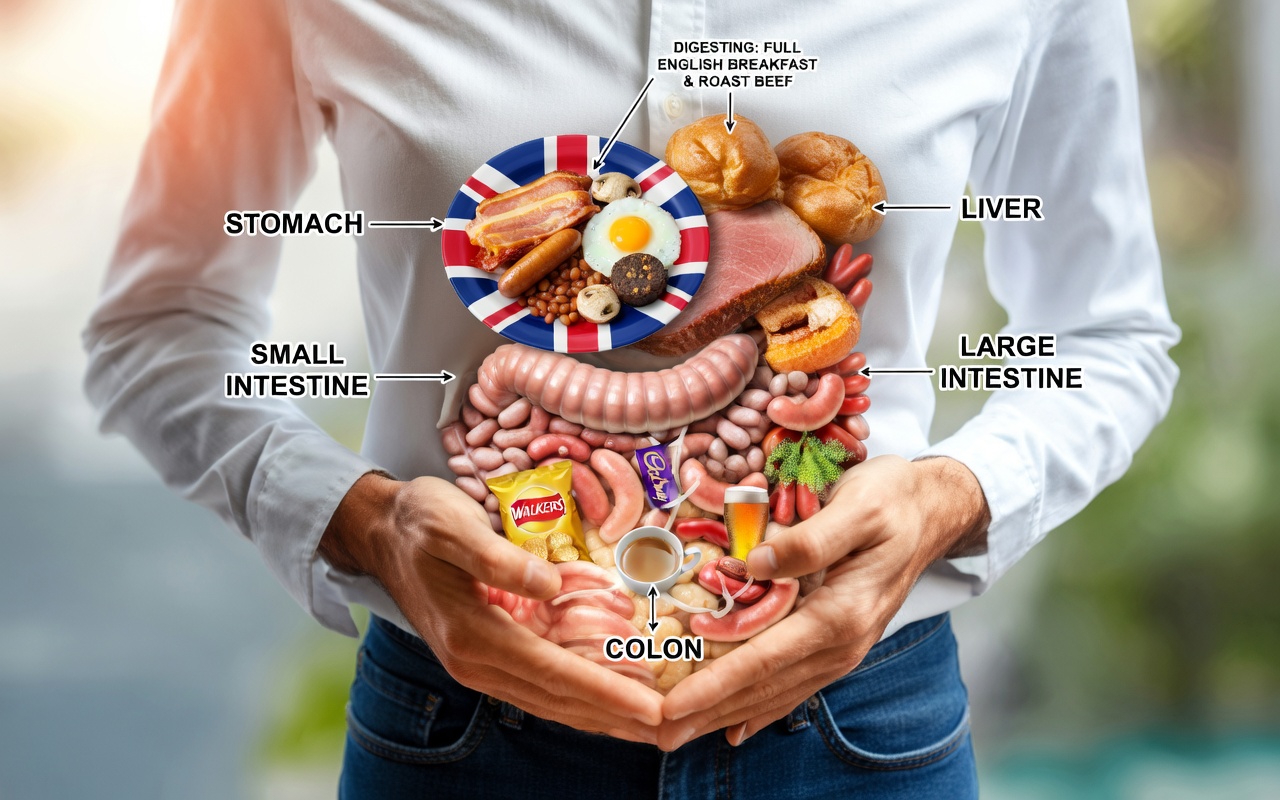
Gut: Limit Ultra-Processed Foods
Highly processed foods often contain additives, refined ingredients, and very little fiber. These products may disturb the balance of bacteria in the gut, which can contribute to digestive discomfort and inflammation.
Better habits for gut support
- Eat more whole grains, vegetables, fruits, beans, and legumes.
- Add fermented foods such as yogurt or kefir if they suit your body.
- Reduce your reliance on ready-made meals and packaged snacks.
Lungs: Go Easy on Salt and Fried Foods
Lung health is not usually the first thing people think about when discussing diet, but food choices may still matter. Too much salt can contribute to fluid retention, while fried foods may increase inflammation, which could make breathing feel less comfortable in some people, especially those with asthma or similar conditions.
Helpful dietary tips for the lungs
- Keep a healthy body weight through balanced eating.
- Avoid heavy, greasy meals before exercise or physical activity.
- Add anti-inflammatory foods like berries, leafy greens, and nuts.
Pancreas: Think Twice About Sugary Soft Drinks
Sugary cold drinks, especially soda, can cause blood sugar to rise quickly. This forces the pancreas to release more insulin, and repeated spikes may increase the risk of insulin resistance over time.
Better drink options
- Choose plain water, sparkling water, or herbal tea.
- Treat sugary beverages as occasional indulgences, not daily staples.
- Eat whole fruit instead of drinking sweetened fruit juices.
Skin: Dairy May Be a Trigger for Some People
Not everyone reacts the same way to dairy, but in some individuals it may be linked to acne or skin flare-ups. Researchers have found associations between dairy intake and breakouts in certain groups, although this does not apply to everyone.
What you can try
- Monitor your skin after reducing dairy for a few weeks.
- Test plant-based alternatives such as oat, soy, or almond milk.
- Remember that overall skin care and total diet quality also matter.
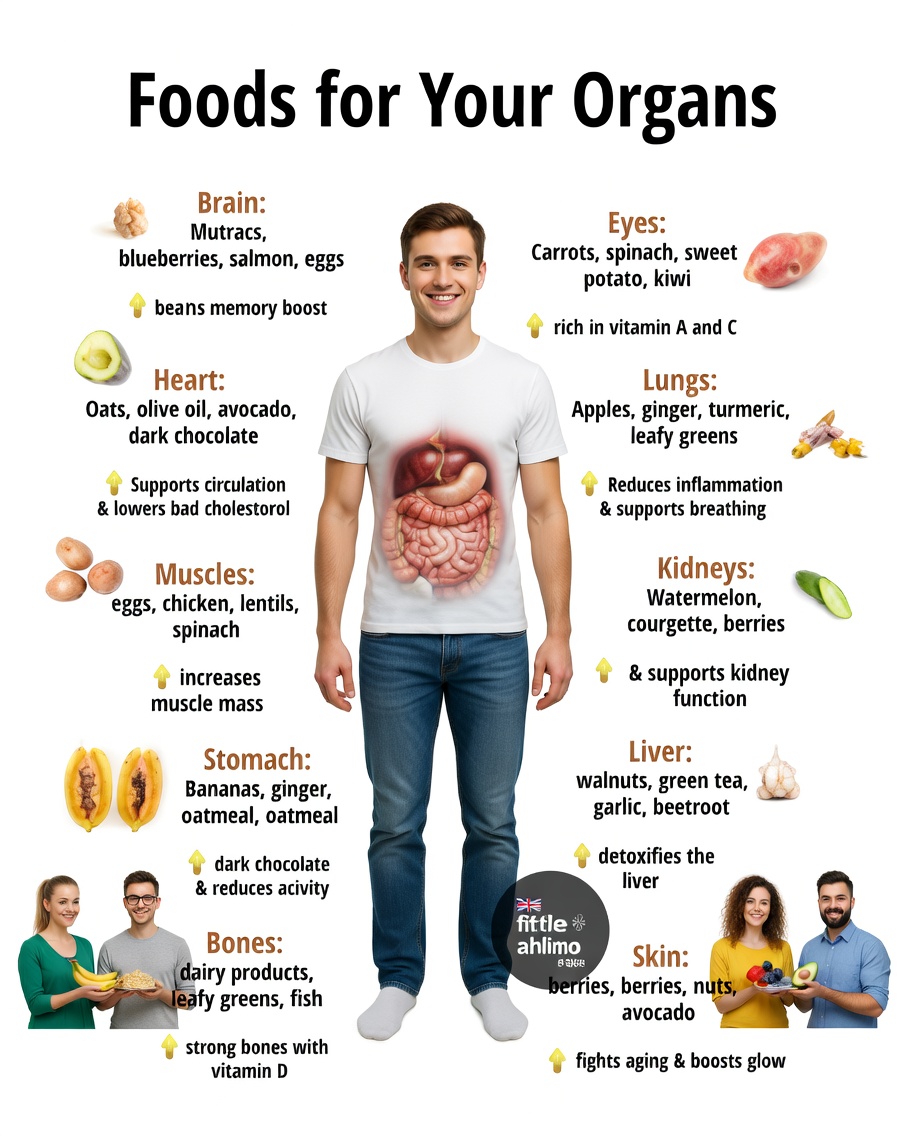
Common Food Patterns: What May Help and What May Harm
Here is a quick comparison of dietary patterns that may affect organ health.
Habits that may increase risk
- Frequent alcohol consumption
- Sugary drinks and sweets
- Fried and greasy foods
- Too much salt
- Ultra-processed snack foods
Choices that offer more support
- Fresh fruits and vegetables
- Whole grains
- Lean proteins
- Water and unsweetened drinks
- Herbs and spices instead of extra sodium
Daily Habits That Can Help Protect Your Organs
Improving your health does not require a complete diet overhaul overnight. Small, realistic changes are often easier to maintain and can still lead to important benefits.
Start with these steps
- Replace one sugary or salty item each day with a healthier option.
- Read food labels and compare sodium and sugar content.
- Cook at home more often so you can control ingredients.
- Stay physically active to support circulation, metabolism, and energy use.
- Drink enough water throughout the day to help the body stay balanced.
These simple habits can strengthen your body over time.
Conclusion
Your organs work nonstop to keep you healthy, and your daily food choices can either support them or place them under more strain. Paying attention to patterns such as high sugar intake, excess sodium, frequent fried foods, and heavily processed meals can help you make smarter decisions for your long-term wellness.
The surprising habit that may help protect multiple organs at once is this: prioritize whole, plant-rich meals. A diet centered on vegetables, fruits, legumes, whole grains, and other minimally processed foods can benefit nearly every organ discussed above.
One small change today can lead to a healthier future.
FAQ
Is it okay to eat these foods sometimes?
Yes. Occasional treats are usually fine for many people. The bigger issue is your overall eating pattern, not a single meal or snack.
Will these foods affect everyone in the same way?
No. Genetics, lifestyle, medical history, and existing conditions all influence how a person responds to certain foods. What causes issues for one person may not have the same effect on another.
How soon can healthier changes make a difference?
Some people notice improvements in energy, digestion, or general comfort within a few weeks. Long-term organ support usually comes from consistent healthy habits over months and years.