
Everyday Habits That Quietly Put Extra Strain on Your Heart
Your heart never takes a break. Day and night, it keeps blood moving through your body and supports every system that helps you stay alive and active. Even so, many ordinary routines can slowly place extra pressure on this hardworking organ without you noticing.
Heart health concerns are becoming more common, and medical experts continue to warn that certain lifestyle patterns may raise the risk of cardiovascular strain over time. The encouraging part is that awareness can lead to better choices. Even modest daily adjustments, when repeated consistently, can support your heart in meaningful ways. In this article, you will learn which common habits may be affecting heart health and discover practical steps you can start using right away.
Why Small Daily Habits Have a Big Impact on Heart Health
The average heart beats about 100,000 times each day. It constantly delivers oxygen and nutrients throughout the body without pause. That is a remarkable amount of work, which is why everyday habits matter more than many people realize.
Repeated lifestyle behaviors can influence blood pressure, circulation, inflammation, and the overall efficiency of the cardiovascular system. The challenge is that many of these routines feel harmless because they are so common. As a result, people often overlook the connection between what they do every day and how their heart functions in the long run.

Habit 1: Staying Seated for Too Long
One of the most widespread modern routines is prolonged sitting. Whether you are working at a computer, watching television, commuting, or spending time on your phone, hours of inactivity can build up quickly. Research suggests that extended sitting may affect circulation and metabolic health in ways that are not ideal for the heart.
What surprises many people is that regular exercise does not completely erase the effects of sitting for long, uninterrupted periods. Even active individuals benefit from breaking up sedentary time throughout the day.
Easy ways to move more during the day
- Stand and walk for 2 to 3 minutes every 30 minutes
- Take phone calls while standing or walking
- Use a standing desk for part of the day if available
- Set a soft reminder on your phone to get up and move
Tiny bursts of movement can make a real difference. Every step gives your heart a little extra support.
Habit 2: Eating Too Much Processed and Salty Food
Convenience foods are often loaded with sodium, added sugar, and highly processed ingredients. Over time, these choices can affect fluid balance, blood pressure, and the overall workload placed on the heart.
The difficult part is that many packaged foods do not seem especially salty, yet they may still contain more sodium than expected. This makes it easy to consume large amounts without realizing it.
Heart-smart food swaps to try
- Choose fresh fruit or vegetables instead of packaged snack foods
- Flavor meals with herbs, lemon, garlic, or spices rather than extra salt
- Check nutrition labels and compare sodium levels before buying
- Cook simple homemade meals a few times each week
With time, your taste preferences can adapt. Lighter, fresher foods often become more enjoyable than expected.

Habit 3: Poor Sleep and Irregular Bedtimes
Getting less than seven hours of good-quality sleep on a regular basis, or constantly changing your sleep schedule, can interfere with how the body restores itself. During sleep, important recovery processes take place that help support cardiovascular health.
Many people underestimate how strongly sleep affects daytime heart function. When rest is poor, the body may struggle to regulate stress, energy, and normal recovery patterns as effectively as it should.
Better sleep habits for a healthier heart
- Go to bed and wake up at about the same time each day
- Create a calming bedtime routine and avoid screens for at least 30 minutes before sleep
- Keep your bedroom cool, dark, and quiet
- Avoid heavy evening meals and too much caffeine late in the day
Consistent, restorative sleep is one of the simplest and most powerful ways to care for your heart.
Habit 4: Ongoing Stress Without Healthy Relief
Chronic stress has become a normal part of life for many people. When stress remains constant, it can influence heart rate, blood pressure, and inflammation in ways that slowly add up over time.
The good news is that you do not need a stress-free life to support heart health. What matters is finding healthy ways to manage pressure before it becomes overwhelming.
Helpful ways to reduce stress daily
- Practice deep breathing for 5 minutes a day
- Take short walks outdoors when possible
- Talk openly with a friend or family member
- Try mindfulness, journaling, or gratitude before bed
Even one reliable stress-management habit can improve how you feel physically and emotionally.
How These Habits Work Together
These four habits can be especially harmful because they often overlap. Long periods of sitting, processed food, poor sleep, and unmanaged stress can create a cycle that quietly affects your cardiovascular system.
The positive side is just as important. Improving one area often helps the others. When people move more, they may sleep better. When sleep improves, stress becomes easier to manage. When stress is lower, cravings for less healthy foods may decrease. Small wins can create a healthy chain reaction.
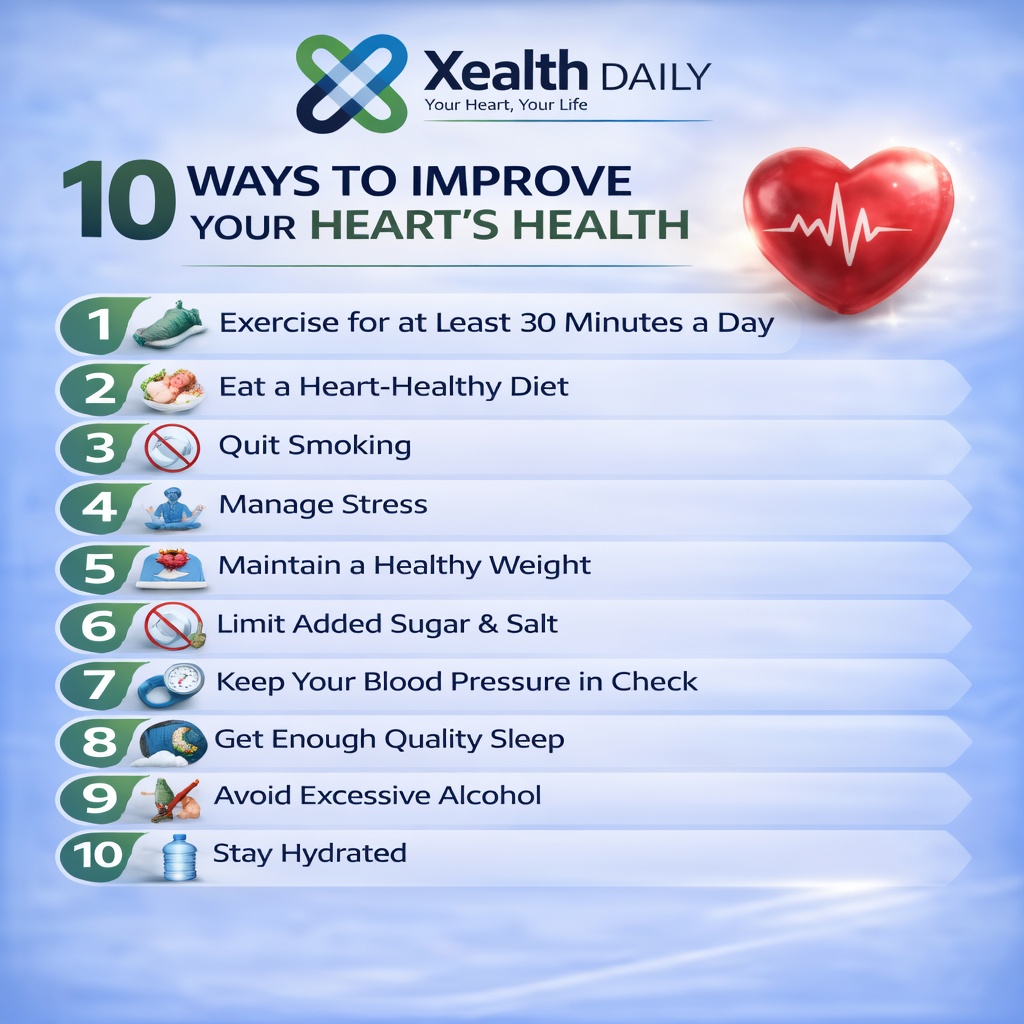
A Simple Daily Routine to Support Heart Health
A heart-friendly lifestyle does not need to be complicated. In many cases, consistency matters much more than perfection.
A simple morning-to-evening plan
- Morning: Move for 10 to 15 minutes and eat a balanced breakfast
- Midday: Take regular movement breaks and choose whole, nourishing foods
- Evening: Reduce screen time, relax before bed, and stick to a steady sleep schedule
The goal is progress, not perfection. Your heart has been supporting you every second of every day. Now is a great time to return that care.
Frequently Asked Questions About Heart Health and Daily Habits
How soon can healthier habits make a difference?
Many people notice improvements in energy, focus, and overall well-being within a few weeks. Long-term heart benefits usually develop gradually and depend on consistency.
Is it too late to improve heart health in midlife or later?
No. It is never too late to adopt heart-supportive habits. Research continues to show that positive lifestyle changes can benefit cardiovascular health at any age.
Can exercise make up for poor eating and bad sleep?
Exercise is excellent for the heart, but it works best when combined with quality sleep, nutritious food, and healthy stress management. A balanced approach gives your heart more complete support.
Final Thoughts
Your heart works for you 24 hours a day, 7 days a week. Supporting it through simple, sustainable choices is one of the most valuable things you can do for your health and for the people who care about you. Small daily habits may seem minor, but over time, they can shape the future of your heart in powerful ways.