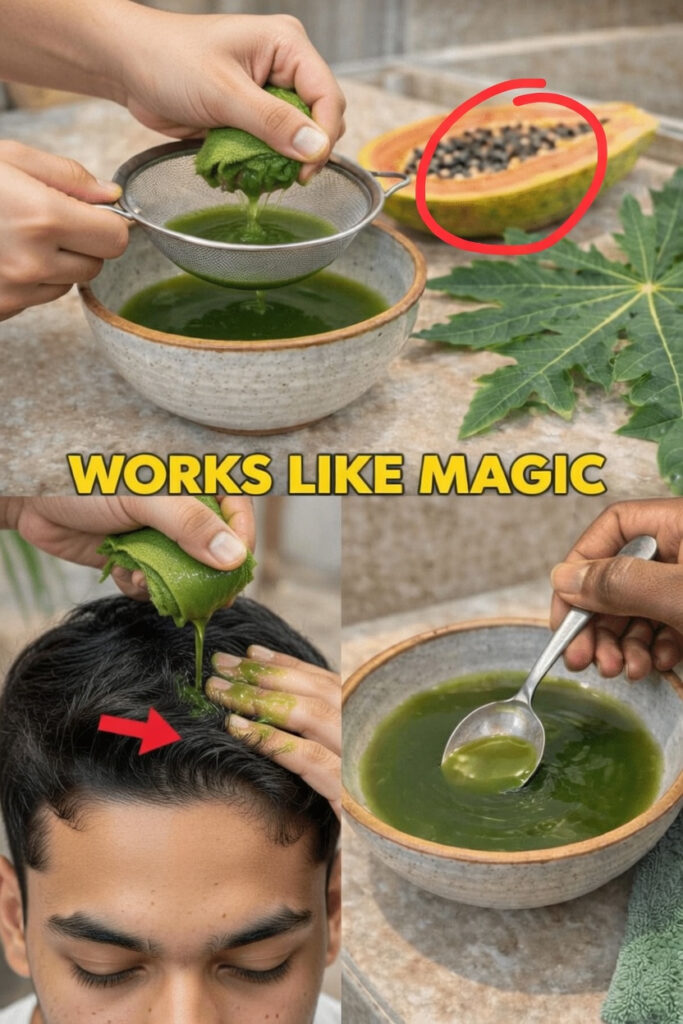
Papaya Leaves for 4C Hair: Can They Support Growth and Scalp Health?
Dealing with slow hair growth, persistent dandruff, or an itchy scalp can be especially discouraging when you have 4C natural hair. Because tightly coiled strands are more vulnerable to dryness, breakage, and shedding, retaining length often feels difficult. On top of that, many store-bought products either do too little or leave behind heavy buildup.
That is why many people turn to simple, natural remedies with a long history of traditional use. One ingredient that continues to attract attention is papaya leaf. It is not a magic solution, but it may help create a healthier scalp environment and support stronger-looking hair over time.
What makes papaya leaves so interesting is the mix of traditional knowledge and early scientific curiosity around them. Below, you will find two easy ways to use papaya leaves in your routine, along with what current research may suggest.
Why Papaya Leaves Are Getting Attention in Hair Care
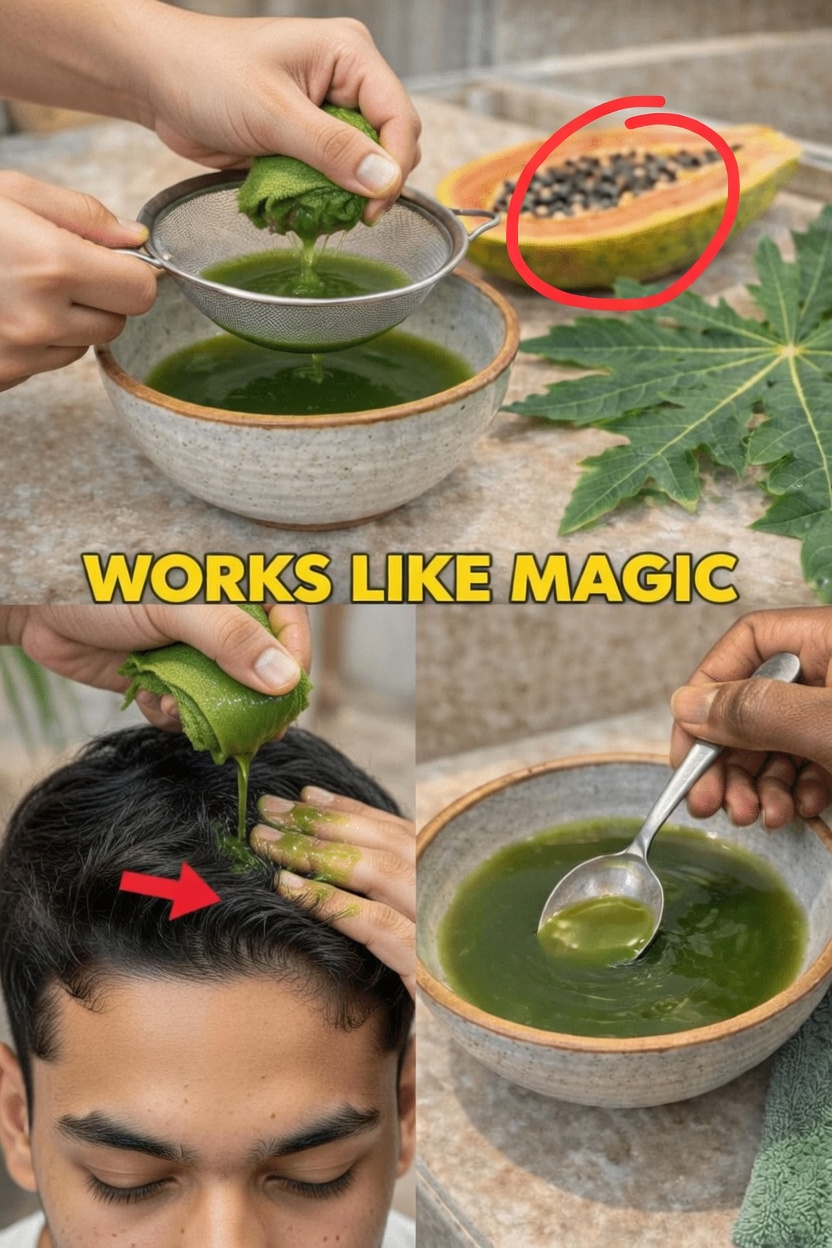
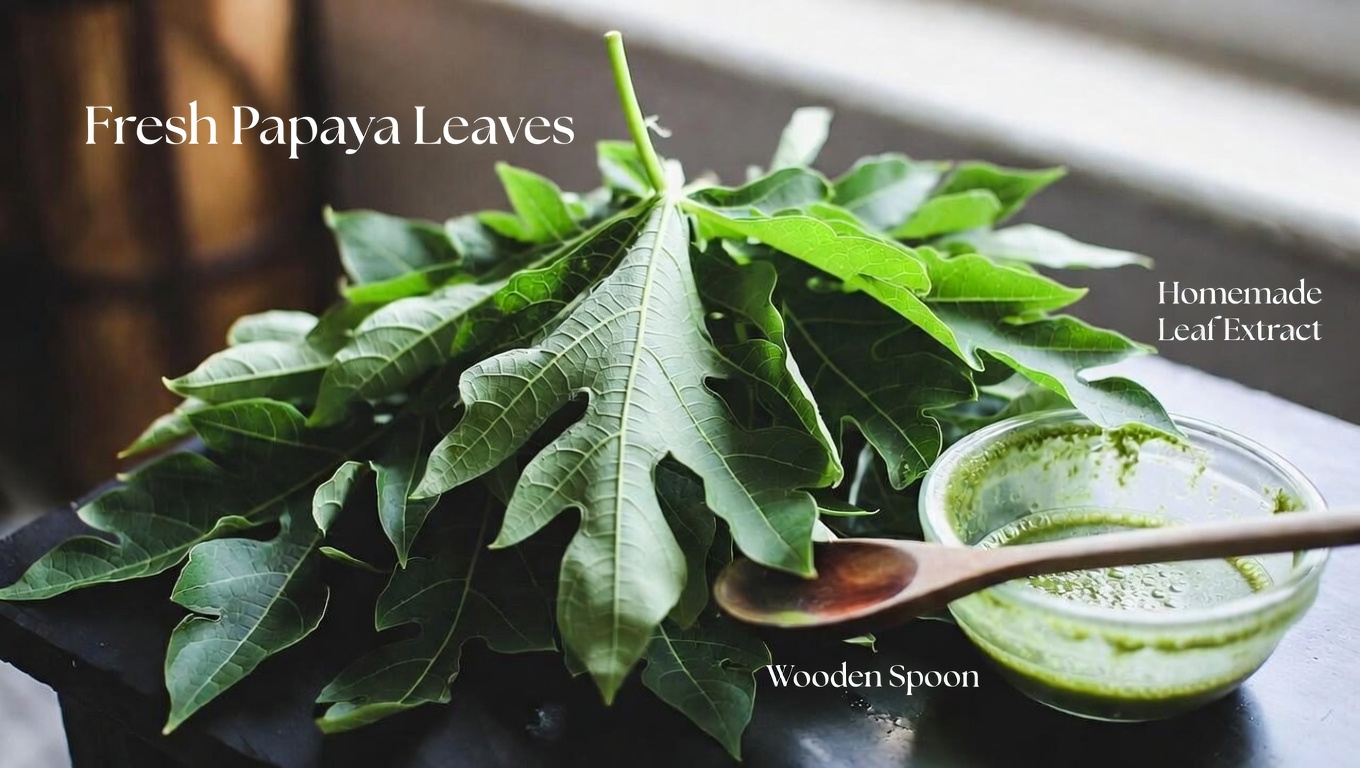
Papaya leaves come from the Carica papaya plant. While the fruit is widely known, the leaves have also been used in traditional wellness practices for years. They contain plant compounds such as flavonoids, alkaloids, and papain, plus antioxidant nutrients like vitamins A, C, and E. These components are believed to support the scalp and skin in several ways.
Some early laboratory and animal research has explored extracts from different parts of the papaya plant. Findings have pointed to properties that may be relevant to hair and scalp health, including antioxidant activity and the ability to influence certain processes linked to hair concerns. A few studies have also examined whether papaya-derived compounds may affect factors involved in the hair growth cycle.
Still, it is important to stay realistic. Trusted health sources note that there is not yet strong clinical evidence proving that topical papaya leaf treatments directly stimulate significant hair growth in humans. The current interest is based mostly on traditional use and limited early-stage research.
For people with 4C hair, the appeal often comes from its possible ability to:
- moisturize dry hair and scalp
- reduce irritation
- loosen buildup gently
- support a cleaner scalp environment
Its antioxidant profile may help defend against oxidative stress, which can affect scalp condition and follicle function. In addition, some test-tube studies suggest antifungal potential, which is one reason papaya leaves are often discussed in relation to flakes and dandruff.
Potential Benefits of Papaya Leaves for 4C Natural Hair
Papaya leaves are often valued because they may help improve overall scalp balance. Here are the main reasons people use them.
1. Antioxidant Support
Flavonoids and vitamin E help fight free radicals. Some research connects reduced oxidative stress with a healthier scalp environment and better hair retention.
2. Gentle Enzymatic Exfoliation
Papain, a natural enzyme found in papaya, is often described as a mild exfoliating agent. In hair care, this may help remove residue and excess buildup without overly stripping the scalp.
3. Moisture and Softness
Because 4C hair tends to lose moisture quickly, ingredients that support hydration are always valuable. Fresh papaya leaf preparations may help strands feel softer, smoother, and easier to manage.
4. Better Scalp Comfort
Limited lab findings suggest papaya leaf may have antifungal properties. While this does not confirm it as a dandruff cure, it may help support a fresher scalp and reduce occasional flaking for some users.
These possible benefits are promising, but results vary from person to person. There are currently no large human studies showing dramatic or guaranteed hair growth from papaya leaf use.
Two Simple Ways to Use Papaya Leaves in Your Hair Routine
If you want to try papaya leaves at home, start with a patch test first. Apply a small amount to the skin and wait to see whether irritation develops.
Method 1: Fresh Papaya Leaf Juice Rinse
This method is mainly used for scalp care and possible growth support.
What you need
- 10 to 15 fresh young papaya leaves
- water
- blender
- fine strainer or cheesecloth
- spray bottle or clean hands for application
How to make it
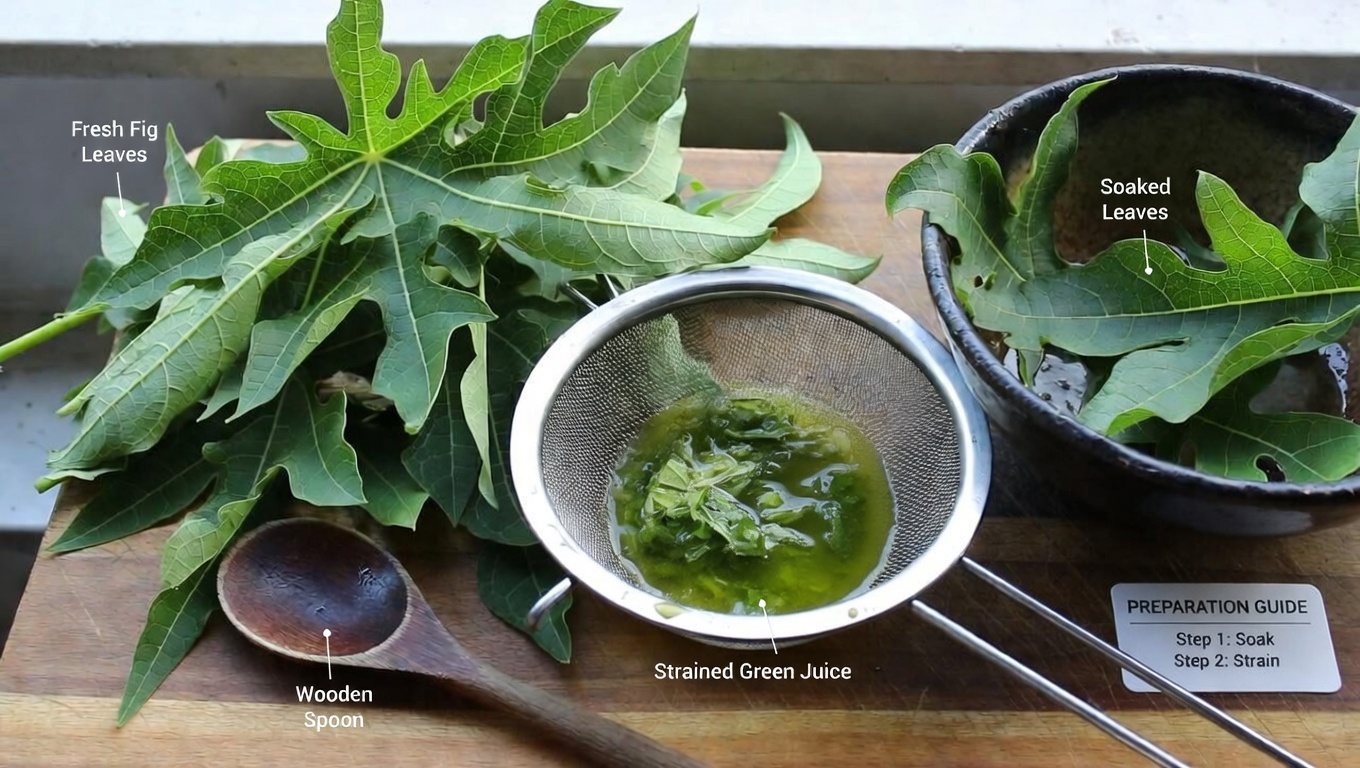
- Rinse the leaves thoroughly under running water.
- Blend them with a small amount of water until they form a smooth mixture.
- Strain the mixture through a fine mesh sieve or cheesecloth.
- Collect the green liquid.
- If it feels too concentrated, dilute it with an equal amount of water.
How to use it
- Start with clean, damp hair.
- Divide your hair into sections.
- Apply the juice directly to the scalp using a spray bottle or your fingertips.
- Massage gently for 5 to 10 minutes.
- Let it sit for 20 to 30 minutes.
- Rinse thoroughly with cool water.
- Finish with your usual conditioner or moisturizer.
How often to use it
- 1 to 2 times per week
Many people say this rinse helps their scalp feel cleaner and more refreshed, and some notice less flaking with regular use.
Method 2: Papaya Leaf Deep Moisture Mask
This option combines papaya leaf juice with other natural ingredients for more hydration and scalp comfort.
What you need
- 1/4 cup papaya leaf juice
- 2 tablespoons aloe vera gel
- 1 tablespoon coconut oil
- 1 teaspoon honey
How to make it
- Prepare the papaya leaf juice using the same steps from Method 1.
- Mix the juice with aloe vera gel, coconut oil, and honey until well combined.
How to use it
- Apply the mask to your scalp and hair lengths.
- Pay extra attention to dry ends.
- Cover your hair with a shower cap.
- Leave it on for 30 to 45 minutes.
- Rinse with lukewarm water.
- Use a light shampoo if needed.
- Style as usual.
How often to use it
- Once a week
This mask may be especially helpful if your 4C hair feels dry, rough, or dull while your scalp also needs soothing care.
Safety Tips Before Using Papaya Leaves
Although papaya leaves are generally considered safe for occasional topical use, they are not ideal for everyone. Their natural enzymes can irritate sensitive skin.
Keep these precautions in mind:
- always do a patch test before full application
- dilute the juice if it feels too strong
- avoid using it on broken or wounded skin
- stop immediately if you feel burning, itching, or redness
- consult a healthcare provider if you are pregnant or have known plant allergies
Set Realistic Expectations
Papaya leaves should be seen as a supportive treatment, not a guaranteed solution. Hair growth is influenced by many factors, including:
- genetics
- diet
- stress levels
- scalp health
- daily hair habits
On average, hair grows about half an inch per month. Papaya leaves may help improve the scalp environment, but they work best when combined with a complete healthy hair routine that includes:
- regular moisture and conditioning
- protein treatments when needed
- protective styling
- balanced nutrition
- good sleep and stress management
Papaya Leaves vs. Other Popular Natural Hair Remedies
| Aspect | Papaya Leaves | Aloe Vera | Coconut Oil |
|---|---|---|---|
| Main benefit | Antioxidant and enzyme support | Soothing and hydration | Deep moisture and protection |
| Best for | Scalp refresh and possible nourishment | Calming irritation | Sealing in moisture |
| Frequency | 1 to 2 times weekly | Daily or as needed | Weekly deep conditioning |
| Evidence level | Limited; traditional use plus early research | Well known for soothing benefits | Strong reputation for moisture retention |
| Possible drawback | May irritate sensitive skin | Rare allergic reactions | Can feel heavy on low-porosity hair |
This comparison shows that papaya leaves can fit into a routine alongside more familiar natural ingredients rather than replacing them.
Final Thoughts: Should You Try Papaya Leaves for 4C Hair?
Papaya leaves may be worth trying if you want a plant-based addition to your 4C hair care routine. While the science behind faster hair growth or complete dandruff removal is still limited, the leaf’s nutrient content and long-standing traditional use make it an appealing option for many people.
If you decide to test it, use one of the methods consistently for a few weeks and pay attention to how your scalp and hair respond. The best results are more likely when papaya leaf treatments are combined with healthy lifestyle habits and a solid hair care routine.
Frequently Asked Questions
How often should I use papaya leaf treatments on my hair?
Start with once or twice per week. Watch for any signs of irritation and adjust based on how your scalp feels.
Can papaya leaves help with dandruff on natural hair?
They may help support a cleaner scalp because of their possible antifungal properties, but there is no strong clinical proof that papaya leaves directly treat dandruff.
Are there side effects from topical papaya leaf use?
Yes, some people may experience mild irritation, especially if they have sensitive skin. Always patch test first and stop use if discomfort appears.