
Bay Leaf and Clove Tea: A Simple Wellness Blend for Everyday Comfort
Many people experience mild digestive issues from time to time, such as bloating after eating or that heavy, sluggish feeling early in the day. While these symptoms may seem minor, they can gradually affect your comfort, mood, and daily energy. A simple combination already found in many kitchens may offer gentle support for overall wellness. Bay leaves and cloves have long been valued in both traditional practices and culinary use, and modern research has begun to explore why. By the end, you will also find an easy way to prepare this soothing blend at home.
Why Bay Leaves and Cloves Stand Out
Bay leaves come from the laurel tree and have been used for generations in cooking as well as traditional wellness routines. They contain natural compounds such as cineole, along with a range of antioxidants. Cloves, which are the dried flower buds of a tropical tree, are especially known for eugenol, a powerful aromatic compound linked to several potential health-supporting properties.
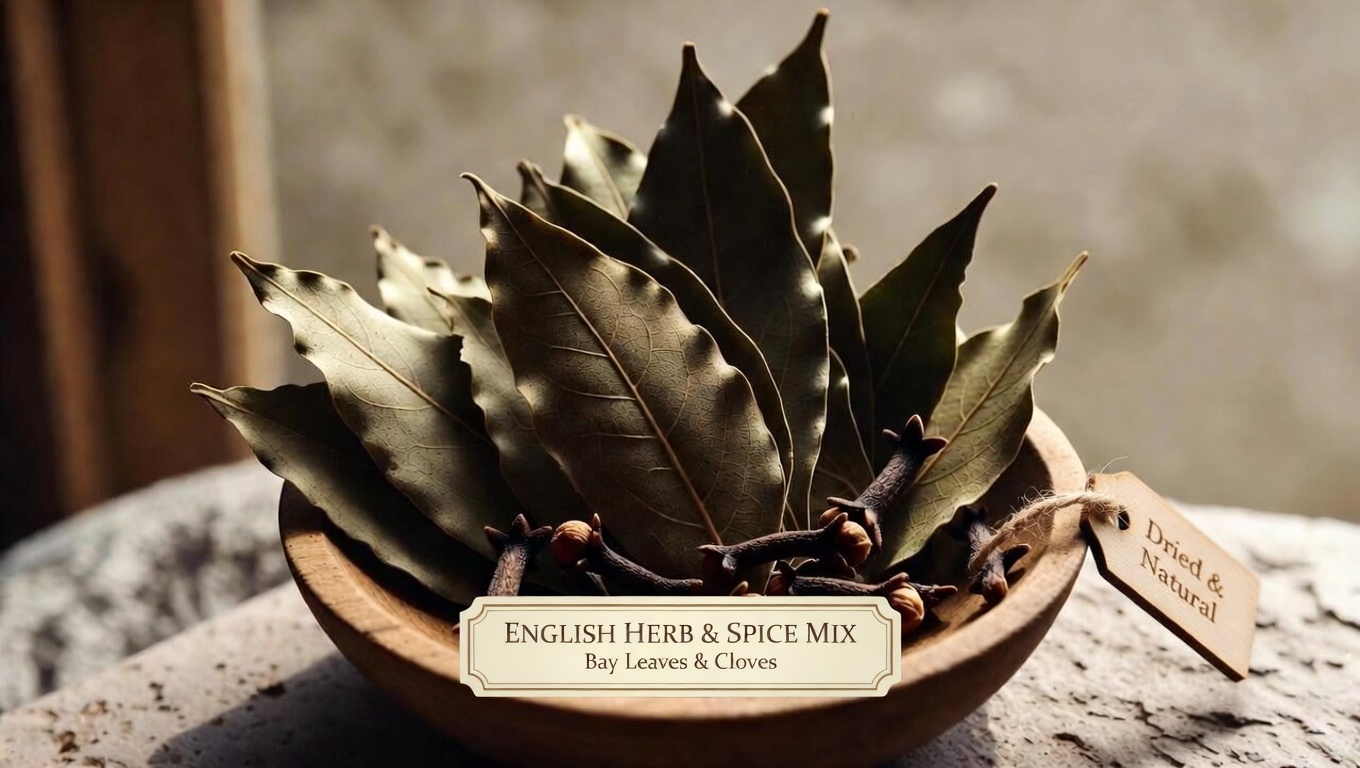
When used together, bay leaves and cloves create a fragrant, warming blend that works well in herbal tea and homemade infusions. Studies on each ingredient suggest they may offer subtle support for digestion, antioxidant protection, and general well-being.
What makes this pairing especially interesting is the way it has been traditionally used as part of simple daily self-care habits.

Potential Benefits of Combining Bay Leaves and Cloves
Bay leaves have been studied for their possible role in metabolic wellness. In one study, daily intake of ground bay leaves was associated with improved glucose and lipid levels in people with type 2 diabetes-related risk factors.
Cloves also bring valuable properties to the mix. Eugenol, their most notable compound, has shown anti-inflammatory and antimicrobial activity in laboratory research. Traditionally, cloves have often been used to ease minor discomforts, particularly those related to digestion and oral care.
As a tea, this combination draws from both of these profiles. Many people enjoy it as a gentle, everyday drink that may help ease occasional bloating or create a calming feeling after meals. It is important to remember that these effects are based on traditional use and early research, so results can differ from person to person.
Key Compounds in This Blend and Their Role
Several natural components make bay leaves and cloves a noteworthy pairing:
- Eugenol in cloves: Widely recognized for its antioxidant potential and its possible role in helping reduce minor inflammation in research settings.
- Cineole and polyphenols in bay leaves: These compounds may support digestive function and contribute to antioxidant activity.
- Natural antimicrobial action: Both bay leaves and cloves have shown activity against certain microbes in lab studies, which supports their long-standing traditional use in wellness routines.
Together, these compounds create a simple infusion that is both aromatic and easy to include in a balanced lifestyle.
How to Make Bay Leaf and Clove Tea at Home
Preparing bay leaf and clove tea is quick and requires only a few ingredients. Here is a simple method:
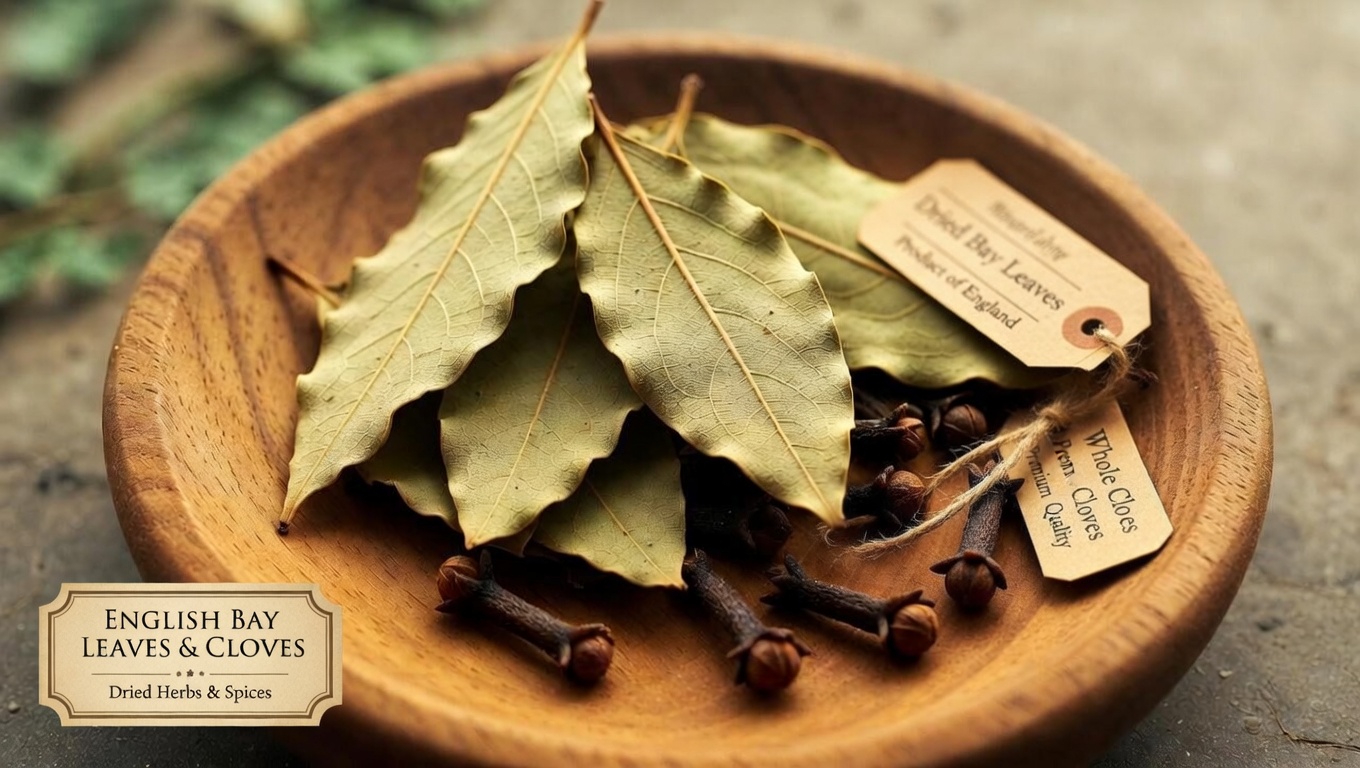
- Take 2 to 3 dried bay leaves and 3 to 4 whole cloves. Adjust the amount depending on how strong you want the flavor.
- Bring 1 to 2 cups of water to a boil in a small pot.
- Add the bay leaves and cloves to the water.
- Lower the heat and let the mixture simmer for 5 to 10 minutes so the flavor and natural compounds can infuse properly.
- Remove from heat and strain the liquid into a cup.
- Let it cool slightly before drinking.
If you like, you can add a little honey or lemon to improve the taste without masking the natural aroma. Most people prefer to enjoy it warm, either in the morning or after eating. If you are trying it for the first time, start with one cup a day and observe how your body responds.
Tips to Get the Most from This Herbal Blend
If you want to make bay leaf and clove tea part of your routine, a few simple habits can improve the experience:
- Choose good-quality dried bay leaves and whole cloves, ideally organic if available.
- Keep them in an airtight container away from heat and light to maintain freshness.
- Adjust the steeping or simmering time to suit your taste. A longer simmer creates a stronger infusion, while a shorter one gives a milder flavor.
- Enjoy the tea alongside a calming habit, such as deep breathing or a short walk, for a more relaxing effect.
You can also try adding a small pinch of cinnamon for extra warmth, though it is often best to keep the recipe simple at first.
Safety Notes and Who Should Be Careful
In normal culinary amounts, this blend is generally considered safe for most people. However, there are a few precautions to keep in mind.
- Do not eat whole bay leaves, as they can be tough and sharp.
- Cloves contain eugenol, which may affect blood clotting when consumed in large amounts.
- People who are pregnant or breastfeeding, have bleeding disorders, or take blood-thinning medication should speak with a healthcare professional before using this tea regularly.
- As with any new herbal habit, it is wise to begin with a small amount.
Common Questions About Bay Leaf and Clove Tea
Is bay leaf and clove tea suitable for daily use?
Many people drink it regularly as part of a healthy lifestyle. It is often appreciated for its warming taste and its potential to support digestive comfort in a gentle way.
Can it help with occasional bloating?
Traditional use and some ingredient-specific research suggest that it may help promote digestive ease. That said, it should not replace medical advice or treatment.
How quickly can you notice a difference?
This depends on the individual. Some people report feeling lighter or more comfortable within a few days, while others simply enjoy it as a soothing long-term ritual.
Final Thoughts
Bay leaf and clove tea is an easy and fragrant way to explore natural wellness support at home. With its traditional reputation for digestive comfort and its antioxidant-rich profile supported by early research, this blend has become a favorite in many kitchens. If you are looking for a simple herbal drink to add to your day, this combination may be worth trying. You may find that it becomes one of those small, comforting habits you return to again and again.