
Proteinuria and Diet: Foods That May Help Support Kidney Health
Proteinuria occurs when the kidneys’ tiny filtering structures fail to keep protein in the bloodstream, allowing it to leak into the urine. Evidence suggests that addressing contributors such as inflammation and oxidative stress through nutrition may help protect kidney function.
Reviews and research from respected organizations, including the National Institutes of Health, indicate that foods rich in antioxidants and anti-inflammatory compounds may play a supportive role in kidney wellness. A well-balanced eating pattern that is moderate in sodium and thoughtfully planned can also help reduce strain on the kidneys.
Why Food Choices Can Influence Kidney Wellness
Some foods contain beneficial vitamins, enzymes, fiber, and plant compounds that may encourage hydration, lower oxidative stress, and support the body’s natural cleansing processes. Pineapple is one example. It provides vitamin C and bromelain, an enzyme studied for its anti-inflammatory properties. Other kidney-conscious foods are often selected because they are lower in potassium, provide fiber, or contain healthy fats that fit into a supportive renal diet.

Below are seven foods that may be especially helpful for people looking to support kidney health through diet.
1. Pineapple
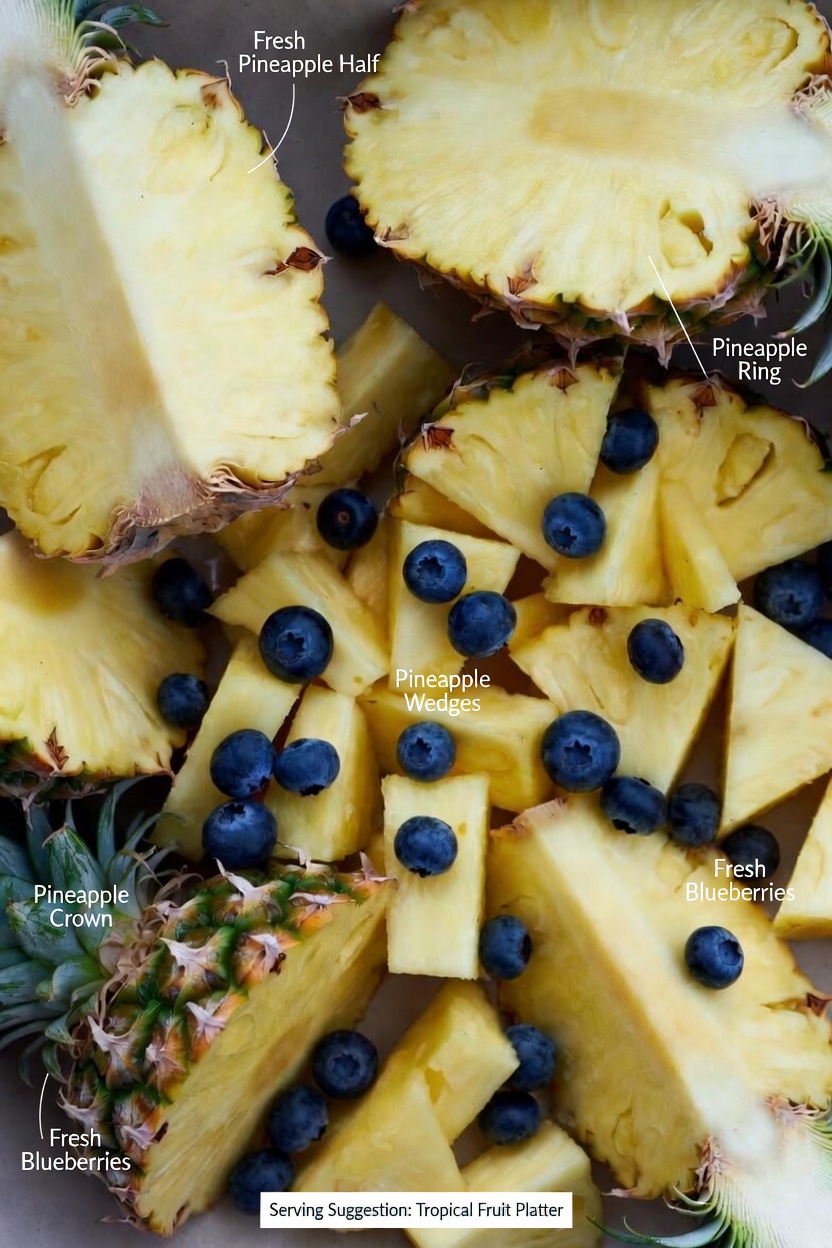
Pineapple is a kidney-friendly fruit choice because it is naturally lower in sodium and phosphorus than many other fruits. It also supplies vitamin C and bromelain, both of which are associated with anti-inflammatory support. Some studies suggest bromelain may help reduce inflammation, which could indirectly benefit the kidneys. Fresh pineapple or unsweetened pineapple juice in moderate amounts can fit into many renal-friendly meal plans.
2. Blueberries
Blueberries are known for their high antioxidant content. These compounds help neutralize free radicals, which can contribute to oxidative stress in the body. Because they are also relatively low in potassium, blueberries are frequently included in kidney diet recommendations as a fruit that offers both flavor and potential anti-inflammatory benefits.
3. Red Bell Peppers
Red bell peppers provide a strong nutritional punch without burdening the kidneys with excess potassium. They are rich in vitamins A and C and add color, texture, and freshness to meals. Their low potassium content makes them a smart vegetable choice for many people following a kidney-supportive diet.
4. Cabbage
Cabbage is a cruciferous vegetable packed with fiber and beneficial plant compounds. It is filling, versatile, and generally low in potassium, making it useful for people trying to support kidney health while also maintaining digestive balance. It works well in salads, soups, or lightly cooked side dishes.
5. Apples
Apples are a classic option in many renal meal plans. They contain pectin, a type of fiber that supports digestion, along with quercetin, an antioxidant linked to overall cellular protection. Since apples are also relatively low in potassium, they can be a practical and gentle fruit choice for kidney-conscious eating.
6. Fatty Fish, Such as Salmon
Fatty fish like salmon provide omega-3 fatty acids, which are widely recognized for their anti-inflammatory effects. These healthy fats may support overall health, including cardiovascular wellness, which is closely connected to kidney health. Because protein needs can vary for people with kidney concerns, portion size should match the guidance of a doctor or dietitian.
7. Cauliflower
Cauliflower is another flexible vegetable that works well in kidney-friendly meals. It is relatively low in potassium and phosphorus while offering vitamin C and fiber. It can be mashed, roasted, steamed, or used as a rice substitute, making it easy to include in many dishes.
A Balanced Combination Brings More Benefits
Including a variety of these foods can make meals more enjoyable while providing a broader range of nutrients. Rather than relying on a single “superfood,” combining fruits, vegetables, and healthy fats often creates a more sustainable and effective approach to kidney support.
Simple Ways to Add These Foods to Your Routine
You do not need to overhaul your entire diet at once. Start with small, practical habits that are easy to maintain.
- Morning smoothie: Blend fresh pineapple with a handful of blueberries and ice for a refreshing drink. Keeping pineapple to about 1/2 to 1 cup can help manage potassium intake.
- Easy snacks: Slice apples or red bell peppers in advance so they are ready when hunger hits. If your meal plan allows it, pair them with a small portion of nuts.
- Simple side dishes: Steam cabbage or cauliflower and season with herbs, lemon, or mild spices instead of salt.
- Weekly habit: Try to include 2 to 3 servings of these foods each day and notice how you feel over time.
Research suggests that regularly eating antioxidant-rich produce may help support long-term wellness, including kidney health.

Quick Nutrient Overview
Here is a simple breakdown of what each food brings to the table:
- Pineapple: Bromelain and vitamin C for anti-inflammatory support
- Blueberries: Antioxidants that may help reduce oxidative stress
- Red bell peppers: Vitamins A and C with low potassium
- Cabbage: Fiber and phytochemicals for digestion and fullness
- Apples: Pectin fiber for gentle digestive support
- Fatty fish: Omega-3 fatty acids that help fight inflammation
- Cauliflower: Vitamin C and versatility with lower mineral content
This variety helps keep meals interesting while supporting nutritional balance.
Habits That Work Well Alongside a Kidney-Friendly Diet
Food is only one part of the picture. Healthy lifestyle habits can make your dietary efforts even more effective.
- Stay hydrated: Clear or pale urine is often used as a general sign of good hydration, though fluid needs vary by individual.
- Support healthy blood pressure: Light walking, stress management, and regular physical activity can help.
- Cut back on processed foods: Many packaged foods are high in sodium, which can place extra pressure on the kidneys.
- Watch portions carefully: If you are following a specific renal diet, portion size matters just as much as food choice.
Together, these habits can help create steady and lasting progress.
Final Thoughts
Adding foods such as pineapple, blueberries, apples, cabbage, cauliflower, red bell peppers, and fatty fish to your meals can be a simple and enjoyable way to support kidney health naturally. Choosing fresh, whole foods and building balanced meals may help reduce dietary stress on the kidneys while supporting overall wellness.
Frequently Asked Questions
What causes protein in the urine?
Proteinuria often develops when kidney filters are affected by underlying conditions such as high blood pressure or diabetes. Diet and lifestyle can also influence how well the condition is managed.
Is pineapple a good choice for people with kidney issues?
For many people, yes. Pineapple is generally lower in potassium and sodium than many other fruits, which makes it a useful option in some kidney-friendly diets. Still, portion control is important, especially for anyone on a restricted eating plan. It is best to check with a doctor or dietitian.
How soon can dietary changes make a difference?
The timeline varies from person to person. In many cases, consistent healthy eating over several weeks or months, along with proper medical care, may contribute to improved kidney-related health markers.