Sudden Brown Spots on the Chest: What They Could Mean
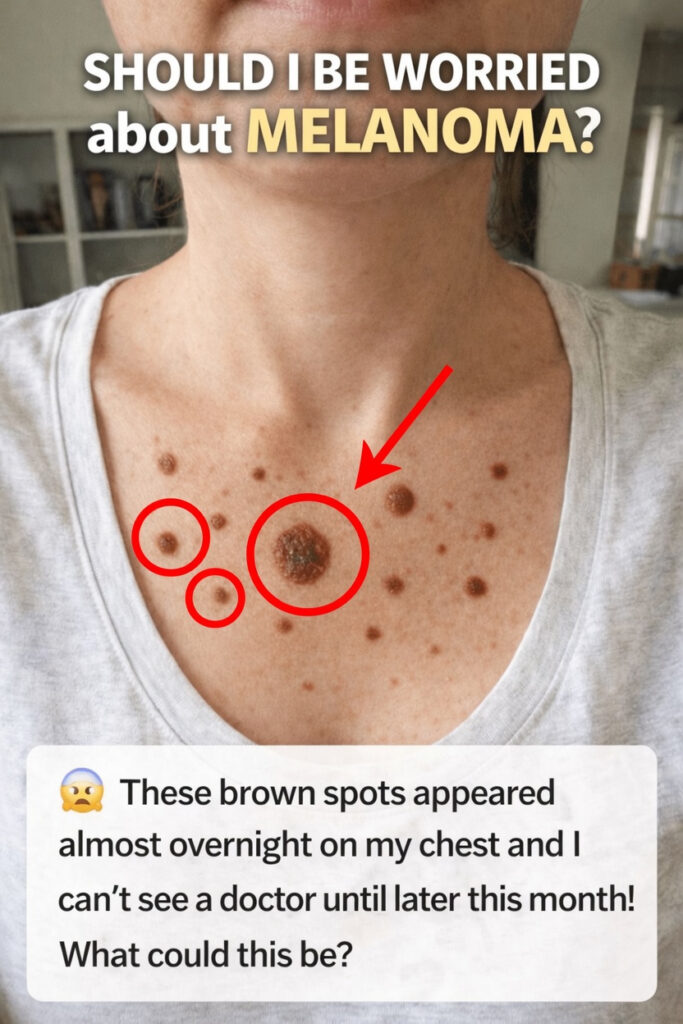
Waking up and noticing a group of new brown spots on your chest can be unsettling. When they seem to appear all at once, it is easy to jump to worst-case fears such as melanoma. That kind of sudden skin change can create a lot of stress, especially while you are waiting to see a doctor.
The reassuring part is that many cases are caused by common, non-cancerous skin changes. Knowing the likely reasons behind these spots can help reduce anxiety and help you make smart decisions until you get medical advice.
This article explains possible causes, warning signs to watch for, and practical steps you can take right away to care for your skin. We will also cover simple long-term habits that can help you monitor skin changes and stay proactive.
Why Brown Spots Can Appear Suddenly
Brown spots are a form of hyperpigmentation. They develop when melanin, the natural pigment that gives skin its color, collects more heavily in certain areas. Some spots build up gradually over time, while others seem to show up quickly after triggers such as sun exposure or hormonal changes.
The chest is one of the most common places for this to happen because it often receives regular sunlight. This is especially true during warm weather or when clothing leaves the area uncovered. According to medical sources such as the Mayo Clinic, ultraviolet (UV) exposure can overstimulate pigment-producing cells, which may lead to clusters of darker spots.
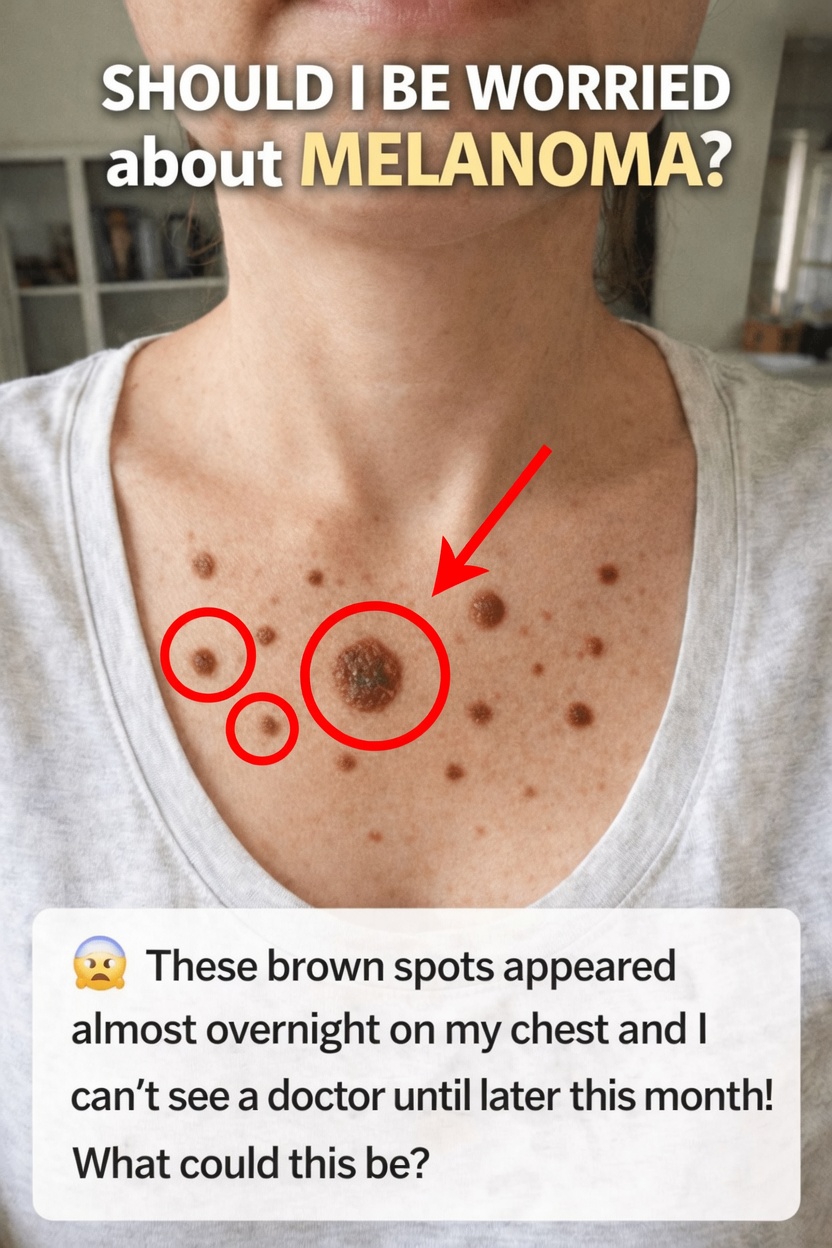
Not every brown spot looks the same. Some are completely flat and evenly colored, while others may feel rough, slightly raised, or textured. Understanding these differences can make the situation feel less overwhelming.
Common Non-Serious Causes of Multiple Brown Spots
In many adults, several brown spots appearing on the chest are linked to everyday skin changes rather than anything dangerous. Some of the most common benign causes include:
- Sun damage and age spots (solar lentigines): Long-term sun exposure can cause pigment cells to gather in certain areas, leading to flat brown marks. They may seem to appear suddenly after a period of intense sun exposure. These spots often show up on the chest, shoulders, and upper back.
- Seborrheic keratoses: These harmless growths often look brown, waxy, scaly, or as if they are stuck onto the skin. They usually form slowly, but several can become noticeable around the same time, especially with age or inherited tendency.
- Post-inflammatory hyperpigmentation: If the skin was recently irritated by a rash, friction from clothing, mild burns, or other inflammation, dark marks may remain after the original issue fades.
- Hormonal and medication-related changes: Hormone shifts, certain medicines, and pigment conditions such as melasma can also contribute to uneven dark patches, even though melasma is more often seen on the face.
The main takeaway is simple: sudden brown spots on the chest are often connected to sun exposure, aging, or harmless skin growths.
Still, that does not mean they should be dismissed completely.
When Brown Spots Need Closer Attention
Dermatologists often use the ABCDE rule to evaluate pigmented spots and identify features that may need medical review.
- A – Asymmetry: One half does not resemble the other half.
- B – Border: The edges look uneven, blurred, jagged, or poorly defined.
- C – Color: The spot contains multiple shades such as brown, black, red, white, or blue.
- D – Diameter: It is larger than about 6 mm, roughly the size of a pencil eraser, although smaller changing spots can also matter.
- E – Evolving: The spot changes in size, shape, color, or starts causing symptoms like itching or bleeding.
If the spots are evenly brown, fairly round, and not changing, they are less likely to match the classic warning signs. Even so, any new cluster is worth having checked. In rare cases, a sudden eruption of seborrheic keratoses may be associated with other medical conditions, such as the Leser-Trélat sign, although this is uncommon.

Early evaluation is often helpful not only for diagnosis but also for peace of mind. In many situations, the result is reassurance that the spots are benign.
What You Can Do Before Your Appointment
Waiting for a skin appointment can feel frustrating, but there are useful steps you can take now.
- Take clear photos: Use good lighting and include a ruler or another size reference. Repeat weekly so you can compare changes.
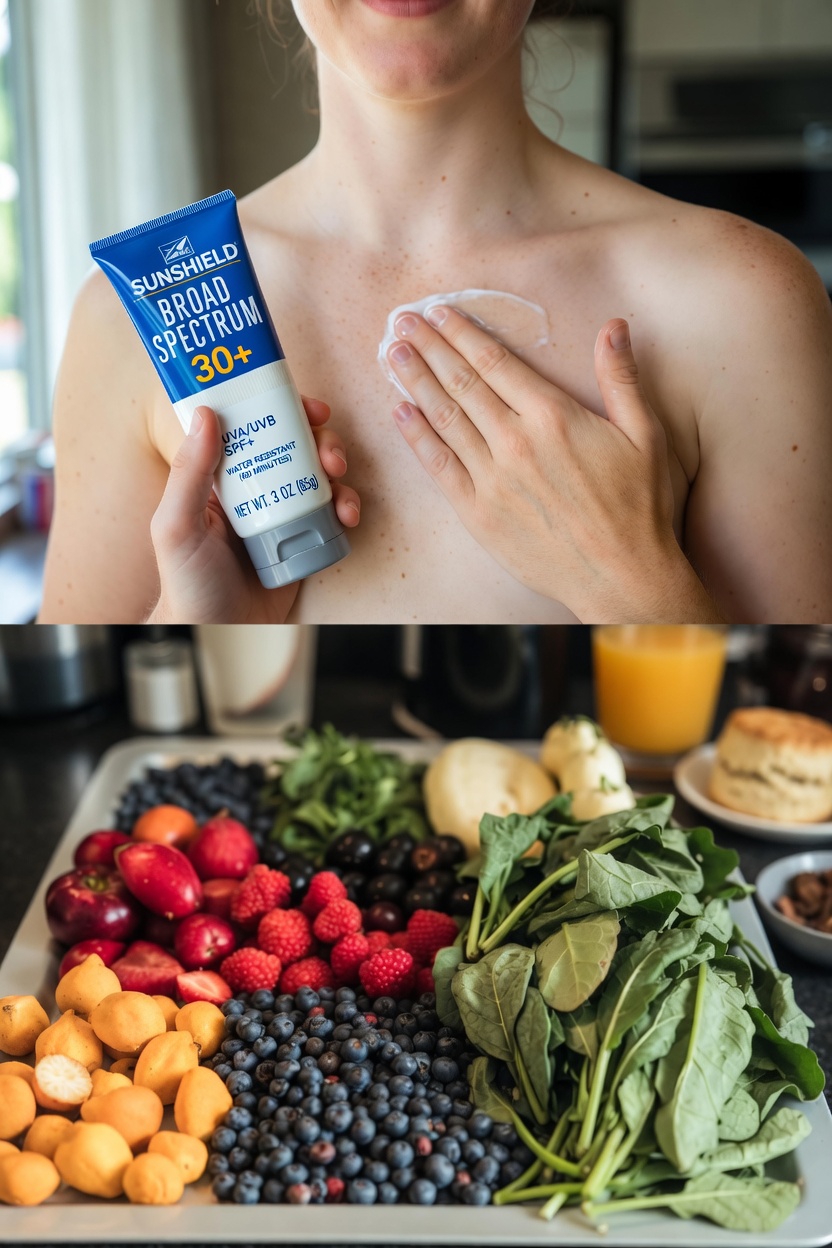
- Protect the area from sunlight: Cover your chest when possible and apply a broad-spectrum sunscreen with SPF 30 or higher every day. This matters even indoors if you spend time near windows.
- Clean the skin gently: Avoid harsh scrubs or aggressive exfoliation, which can increase irritation and make pigmentation worse.
- Track symptoms: Make note of itching, scaling, tenderness, recent sun exposure, or anything else unusual to discuss with your doctor.
- Support overall skin health: Drink enough water and eat foods rich in antioxidants, such as berries and leafy greens. These habits will not erase spots, but they may help support healthier skin overall.
These small actions can help you feel more prepared and more in control while you wait.
Daily Habits That Help Protect Your Skin
Creating a simple skincare and sun-protection routine can reduce the chance of new spots appearing in the future.
- Use sunscreen every morning: Make it the final step in your skincare routine.
- Wear protective clothing: During peak UV hours, usually from 10 a.m. to 4 p.m., choose clothing that covers sun-exposed areas.
- Check your skin once a month: Look carefully in bright light and use a mirror for areas that are harder to see.
- Try gentle brightening skincare: Products with niacinamide or vitamin C may help support a more even-looking skin tone. Patch-test first before applying them widely.
Research consistently shows that regular sun protection can help reduce the development of new pigment spots over time.
Final Thoughts: Stay Calm, but Stay Observant
Brown spots that appear suddenly on the chest are often caused by sun exposure, normal skin aging, or harmless growths rather than melanoma. Although the quick appearance can be alarming, most cases turn out to be non-serious after evaluation.
While waiting for your appointment, focus on documenting the spots, protecting your skin from UV exposure, and preparing any questions or observations for your doctor. Seeking information and arranging a professional check are exactly the right steps.
For many people, a medical exam brings reassurance that everything is okay.
FAQ
What commonly causes brown spots to appear suddenly on the chest?
Frequent causes include built-up sun damage that becomes more visible, benign growths such as seborrheic keratoses, and temporary darkening after skin irritation or inflammation.
How do I know if brown spots could be something more serious, like melanoma?
Use the ABCDE guide: asymmetry, irregular border, uneven color, larger diameter, and any evolution over time. Spots that are uniform and stable are usually less concerning, but any new group of spots should still be evaluated by a doctor.
What should I do while waiting to see a dermatologist?
Photograph the spots, protect the area from the sun, avoid scratching or irritating the skin, and keep track of symptoms such as itching, scaling, or recent sun exposure so you can share those details at your appointment.