Tiny White Spots on the Skin: What They Mean and Why They Appear
Have you ever noticed small white specks on your arms, legs, or back and wondered where they came from? Many people first become aware of these marks after years of being in the sun. They often show up slowly, especially on areas that get frequent sun exposure, and may seem more obvious against tanned or deeper skin tones.
Although they can be annoying from a cosmetic standpoint, these spots are usually harmless. They are also extremely common with age and are strongly associated with everyday sun exposure. The most important takeaway is this: once you understand what causes them, a few simple daily habits can help reduce the chance of developing more and support a more even-looking complexion.
What Are These Small White Spots?
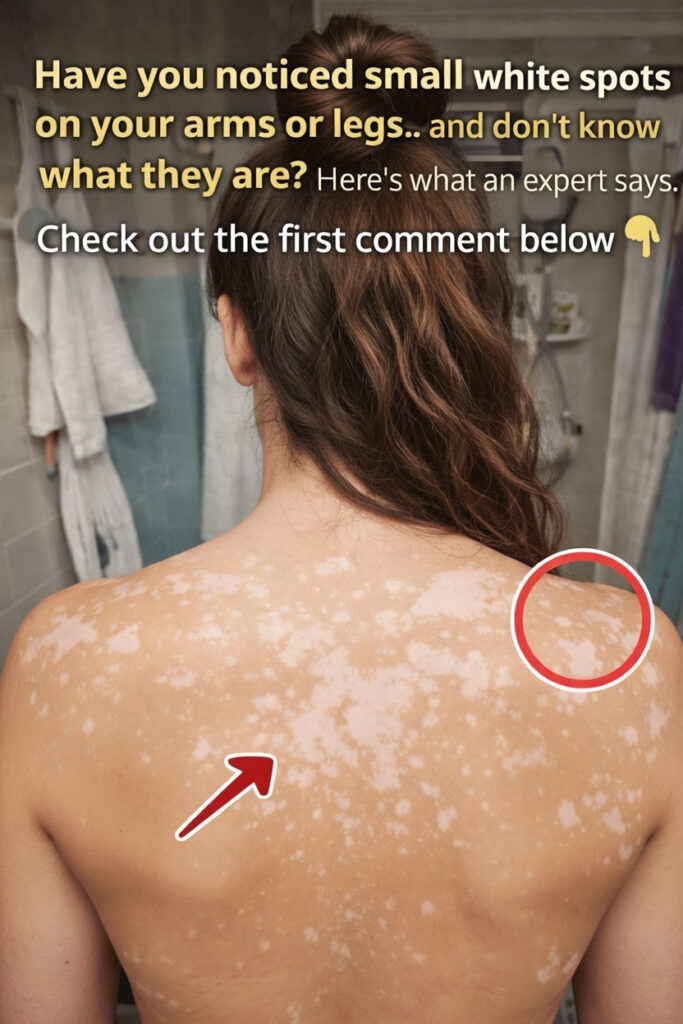
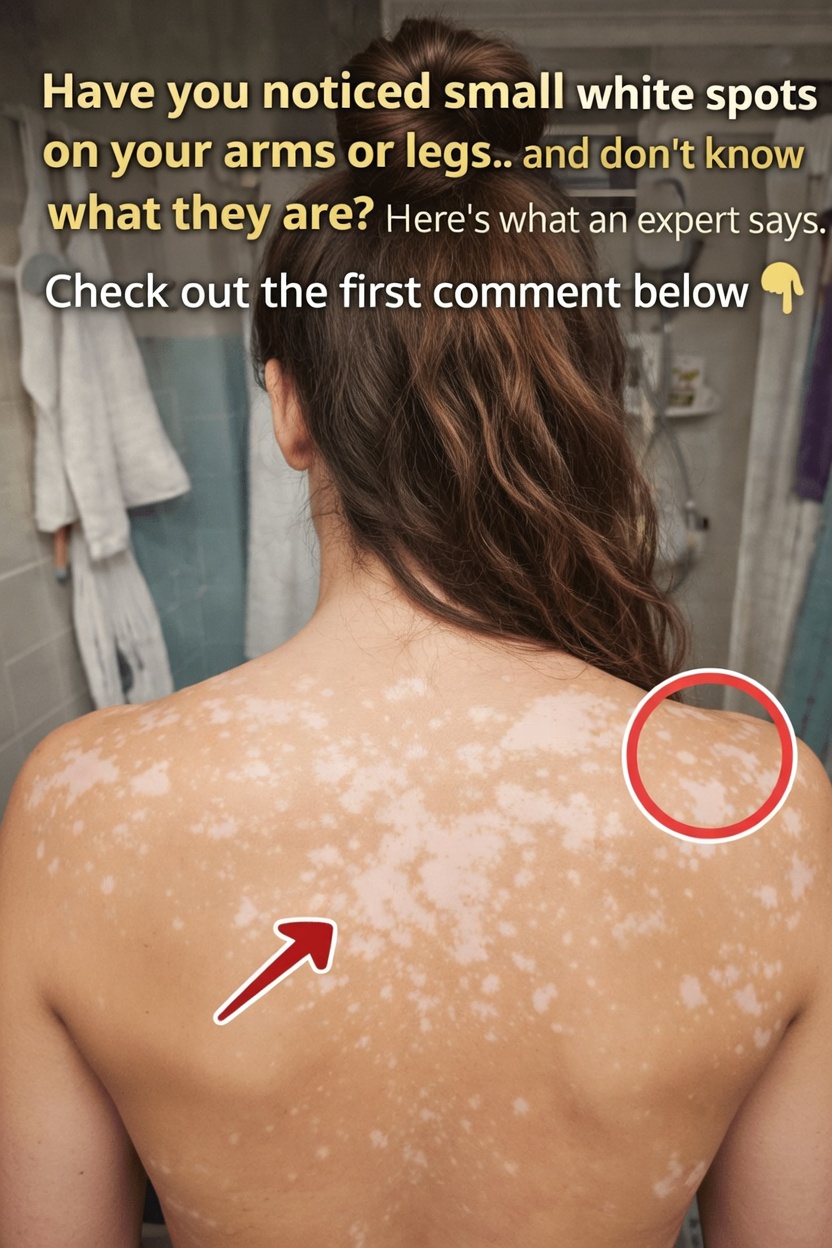
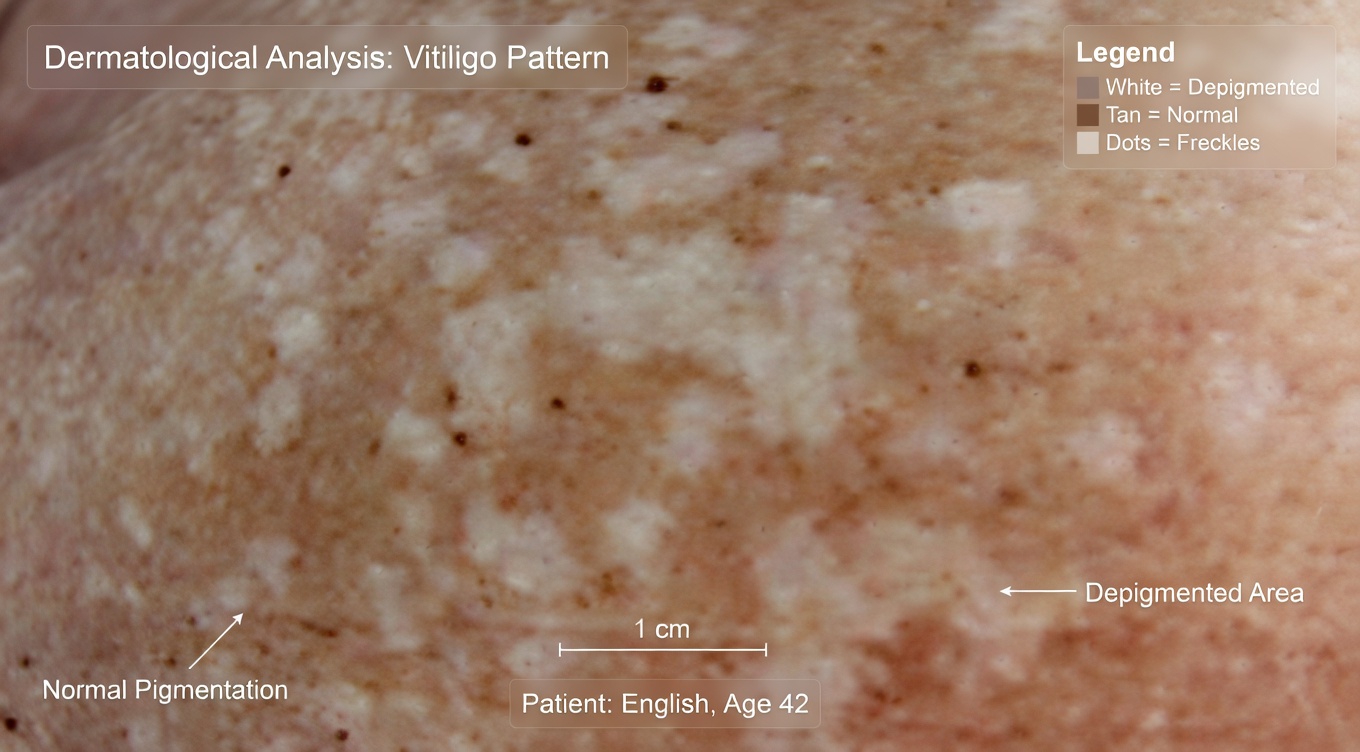
These marks are commonly called idiopathic guttate hypomelanosis, or IGH. According to dermatology sources such as Cleveland Clinic and DermNet, IGH is a benign skin condition in which tiny flat white or pale spots appear on the skin, usually around 2 to 5 millimeters in size.
They often resemble little drops of lighter pigment and are most likely to develop on parts of the body that receive regular sunlight, including:
- Forearms
- Shins
- Upper back
- Shoulders
These spots are typically smooth and do not itch, sting, or cause pain. Research suggests they develop because there is less melanin in those small areas. Melanin is the natural pigment responsible for skin color. IGH can occur in all skin tones, but it may be more noticeable in darker skin because of the stronger contrast.
Why Do These White Spots Develop?
Several factors may contribute to the appearance of IGH, but the strongest link is long-term sun exposure. Ultraviolet rays can gradually affect the pigment-producing cells in the skin, leading to small pale patches over time. Dermatology literature, including findings published in the American Journal of Clinical Dermatology, notes that these spots are more likely to appear after years of cumulative UV exposure.
Other common contributing factors include:
- Aging: IGH becomes more frequent after age 40 and often increases over time.
- Genetics: Some people may be more prone to it because it appears more often in certain families.
- Skin type: It can affect anyone, though it may appear earlier in lighter skin and stand out more clearly in medium to dark skin tones.
The term idiopathic means there is no single confirmed cause in every case. Still, repeated sun exposure remains the most recognized trigger.
How Can You Tell If It Is IGH?
If you notice pale spots that match the following features, they may be idiopathic guttate hypomelanosis:
- They are small, round, or oval
- They remain flat and smooth
- They do not join together into large patches quickly
- They appear mostly on sun-exposed areas such as the arms, legs, or back
- They do not itch, hurt, or feel different from the surrounding skin
That said, some other skin conditions can look similar. If the spots are new, changing rapidly, or simply make you uncertain, it is always wise to have them checked by a healthcare professional.

Daily Habits That Help Protect Your Skin
While existing IGH spots usually do not disappear on their own, certain lifestyle habits can help prevent additional spots from forming and support healthier-looking skin overall.
1. Use Broad-Spectrum Sunscreen Every Day
This is the single most important habit. Choose a broad-spectrum sunscreen with at least SPF 30 and apply it daily, even on cloudy days or when sitting near windows. If you spend time outdoors, reapply every two hours.
2. Wear Protective Clothing
When you expect to be outside for extended periods, cover your skin with practical sun-protective clothing such as:
- Lightweight long sleeves
- Pants
- Wide-brimmed hats
Extra protection is especially helpful between 10 a.m. and 4 p.m., when UV exposure is strongest.
3. Keep Skin Hydrated
Well-moisturized skin tends to look healthier and feel better. Use a gentle, fragrance-free moisturizer every day to support the skin barrier and maintain softness.
4. Try Gentle Exfoliation Carefully
Some people find that mild exfoliation improves overall skin texture. Products containing ingredients such as glycolic acid may help, but they should be introduced slowly to avoid irritation.
5. Support Skin Through Nutrition
A balanced diet rich in antioxidants may help your skin handle everyday environmental stress. Focus on foods such as:
- Fruits
- Vegetables
- Nuts
These habits will not erase white spots that are already present, but they may help reduce further development and improve the overall appearance and feel of your skin.
What If the Appearance Bothers You?
Because IGH is harmless, many people choose to leave it alone. However, if the cosmetic aspect concerns you, a dermatologist may discuss treatment options designed to improve the way the skin looks.
Possible approaches include:
- Topical retinoids to encourage gradual skin turnover
- Minor in-office procedures that may help blend the spots with surrounding skin
Results can vary from person to person, and no treatment can promise complete removal. For that reason, sun protection remains the most important long-term strategy.
Final Thoughts
Small white spots caused by idiopathic guttate hypomelanosis are a common and usually harmless sign of cumulative sun exposure and aging. For many people, they are simply part of how the skin changes over time.
The best way to manage them is to understand what they are, protect your skin consistently from the sun, and maintain healthy daily skincare habits. Over time, these simple choices can make a meaningful difference in both skin health and overall appearance.
Frequently Asked Questions
Are these white spots dangerous?
In most cases, no. These spots are generally harmless and are not considered a serious health issue. They are usually a cosmetic skin change related to sun exposure and aging.
Do the spots go away on their own?
Usually not. Once they appear, they tend to remain. However, good sun protection can help prevent new ones from developing.
When should I see a doctor?
You should consider seeing a doctor or dermatologist if the spots:
- Change in shape, size, or color
- Start itching or causing discomfort
- Appear suddenly in large numbers
- Look different from typical flat white spots
A professional evaluation can help rule out other skin conditions and provide reassurance.