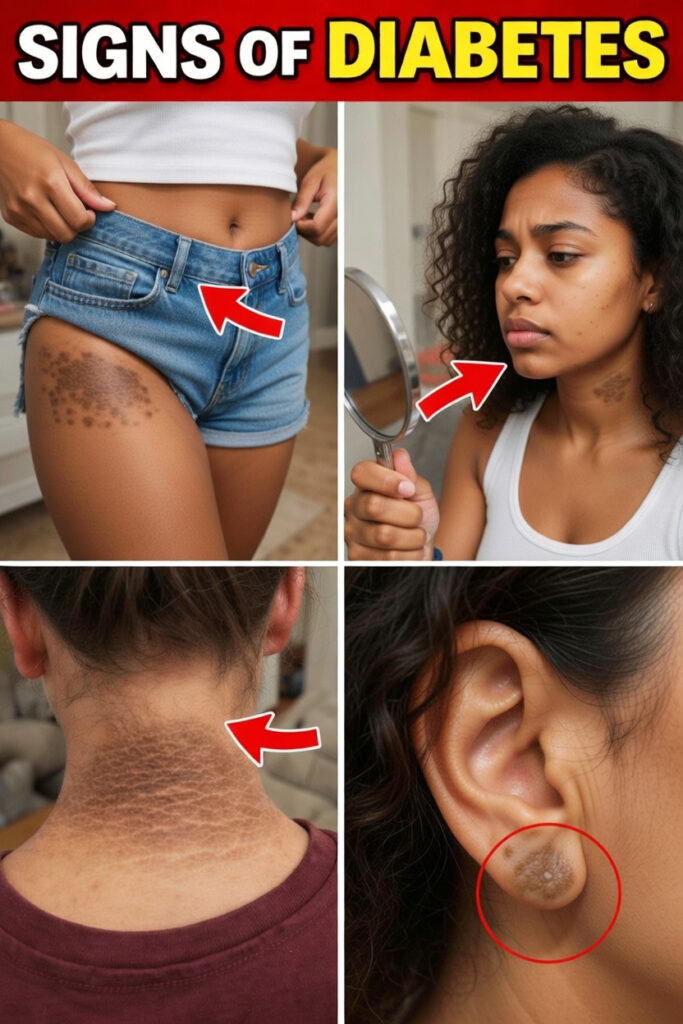
15 Early Signs That May Be Linked to Diabetes
Many people move through the day feeling unusually thirsty or making more trips to the bathroom than normal. At first, these changes may seem minor. Over time, though, they can drain your energy, disrupt concentration, and affect how you feel overall.
It can feel even more unsettling when visible skin changes appear, such as red spots or darker patches that do not go away. These symptoms may influence not only physical comfort but also self-confidence.
The encouraging part is this: noticing these signals can help you start an informed conversation with your healthcare provider about your health. Some of the most important clues may be the ones you see in the mirror every day or experience in subtle, unexpected ways.
Why These Changes Matter
The Centers for Disease Control and Prevention and the Mayo Clinic explain that the body often gives early warning signs when blood sugar regulation begins to change. These signs may develop slowly and can affect both daily comfort and the appearance of your skin.
Because they often appear gradually, many people dismiss them as stress, aging, or a busy lifestyle. Still, recognizing these early patterns can support better health awareness and make doctor visits far more productive.
15 Early Signs Commonly Associated With Diabetes
Health authorities such as the Mayo Clinic and the American Diabetes Association note that some people may experience one or several of the following symptoms:
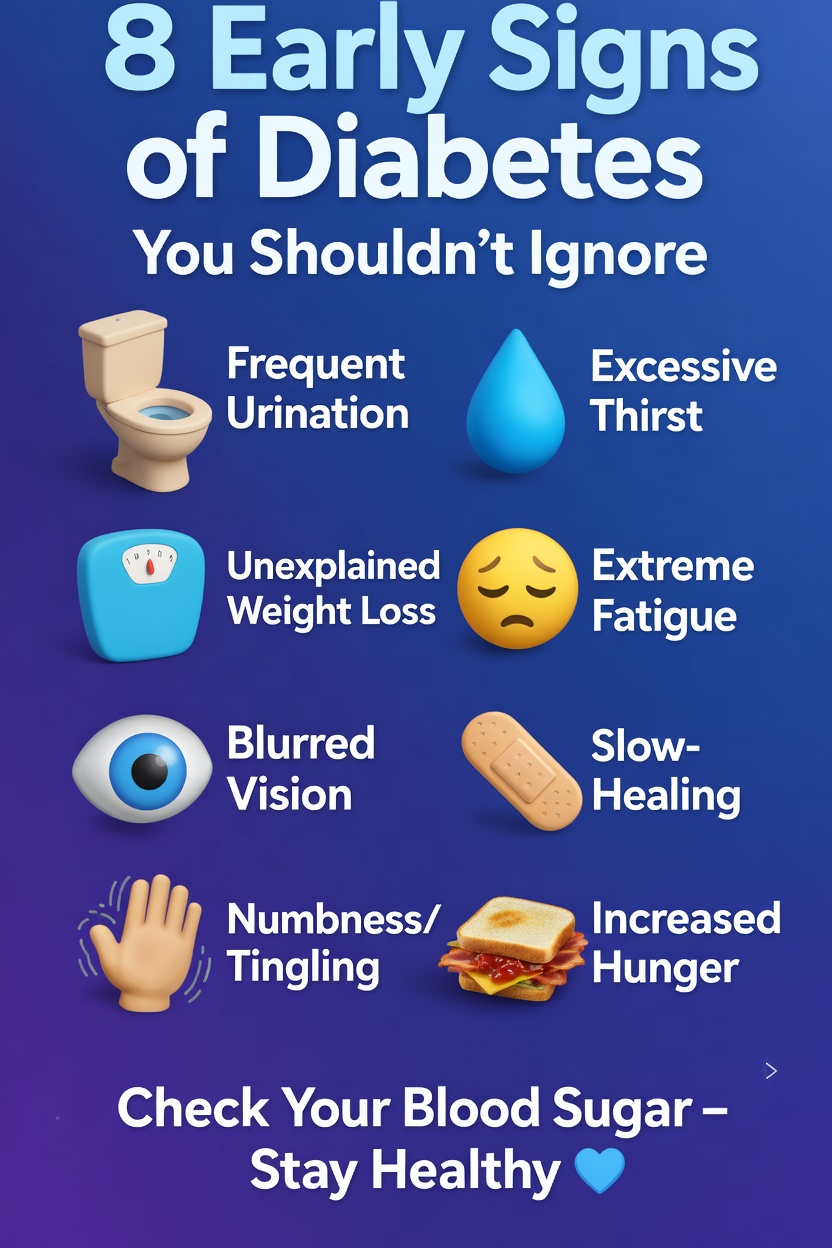
- Persistent thirst that is difficult to satisfy
- Frequent urination, including waking up at night to use the bathroom
- Strong hunger soon after eating
- Unexplained weight loss despite normal meals
- Constant fatigue that does not improve fully with rest
- Blurred vision that comes and goes
- Slow healing cuts or bruises
- Recurring infections, including skin or ear infections
- Tingling or numbness in the hands or feet
- Dark, velvety patches of skin, especially on the neck or in skin folds
- Ongoing itchy skin without an obvious cause
- Red or brown spots on the legs or thighs
- Nail changes, such as thickening or discoloration
- Dry mouth that lasts throughout the day
- Mood changes or irritability that happen more often than usual
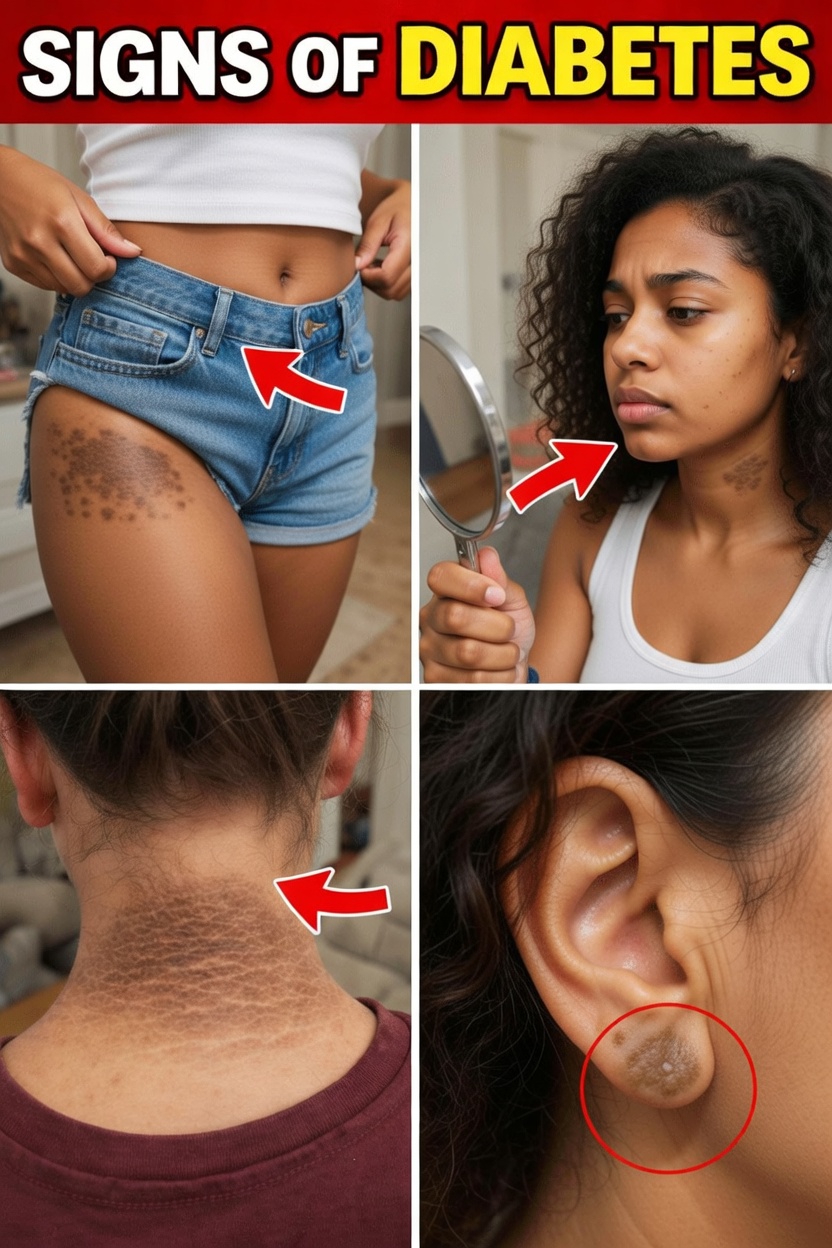
Skin Changes That People Often Notice First
One of the most visible signs can be darkened, thickened skin with a velvety texture, especially around the neck, armpits, or other body folds. The Mayo Clinic notes that this type of change may be related to the way the body handles insulin.
If you notice this in the mirror, it may be worth mentioning during a routine medical check-up.
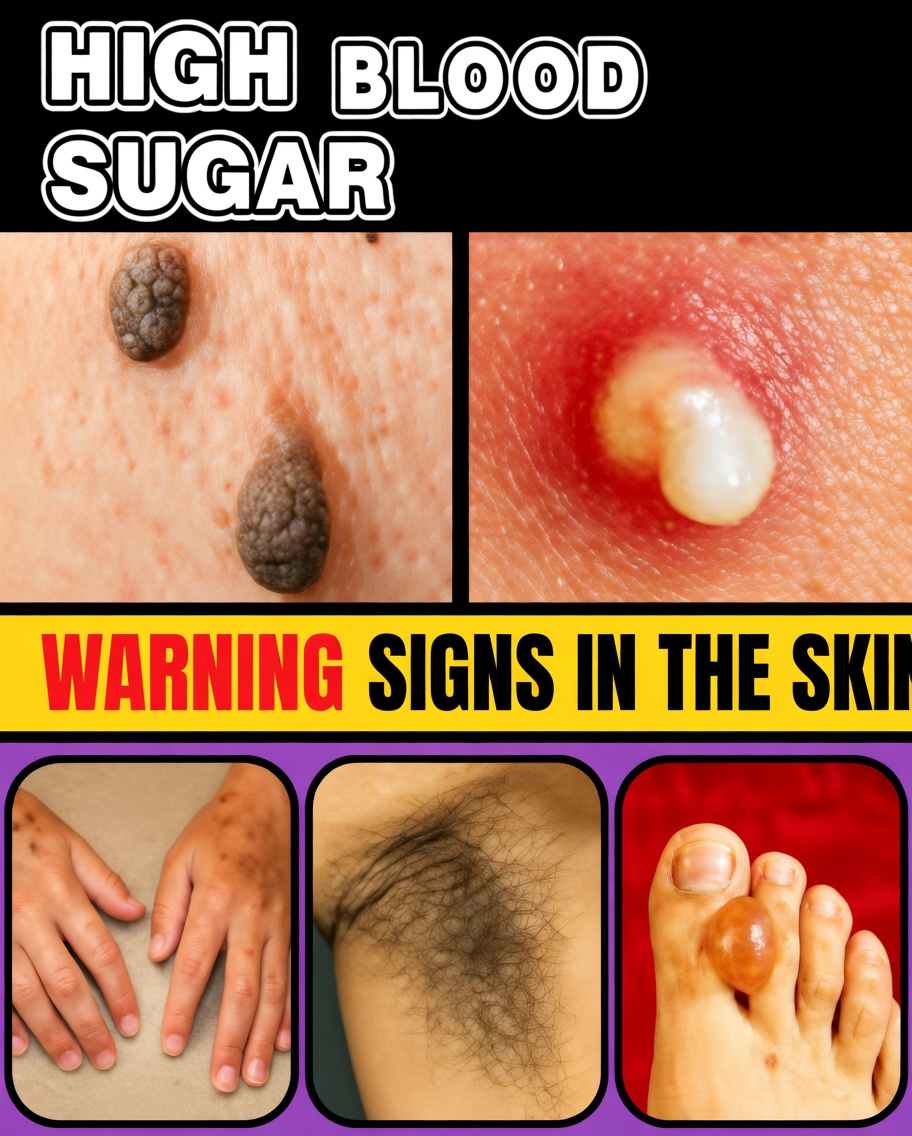
Another skin-related issue involves red, itchy, or brownish spots, often on the thighs, hips, or lower part of the body. These may resemble small rashes and can sometimes be connected to the effect of elevated blood sugar on the skin over time.
Higher blood sugar levels may also create conditions that make certain infections more likely, including skin infections and even ear problems, such as redness or discomfort inside the ear canal.
Nails can also reflect changes in health. Thicker, discolored, or slower-growing nails may be another sign worth paying attention to, especially if they become harder to manage with normal grooming.
Nerve and Energy Symptoms You May Feel Every Day
Some symptoms are not immediately visible but can affect your routine in a major way. Tingling in the hands or feet and ongoing tiredness, even after a full night of sleep, are examples the Mayo Clinic says may develop gradually.
In many cases, increased thirst and frequent urination happen together because the body is working harder to remove excess sugar.
The good news is that paying attention to these patterns does not require anything complicated. Even small habits of observation can help you notice what is changing.
Practical Steps You Can Take Today
You do not need special tools to become more aware of your health. These simple steps can help:
- Write down how often you feel thirsty, tired, or unusually hungry
- Check your skin weekly in good lighting, especially around the neck, underarms, legs, and lower body
- Choose balanced meals that include vegetables and lean protein
- Stay active for at least 20 minutes on most days in ways you enjoy
- Book regular wellness visits to discuss ongoing symptoms
Additional habits can also support overall well-being:
- Drink water consistently throughout the day
- Take care of your hands and feet with comfortable shoes and moisturizer
- Avoid scratching itchy areas to reduce irritation
- Watch how quickly small cuts heal
- Tell your healthcare provider about any symptoms you have noticed
These actions are simple enough to fit into a busy routine, and many people feel more in control once they start tracking small changes.
Looking at the Bigger Picture
Seeing all 15 signs together can be eye-opening, but it can also be empowering. The CDC emphasizes that early discussions with a healthcare professional can lead to useful guidance tailored to your individual needs.
Many of these symptoms are connected. Noticing one sign may help you identify others sooner, making it easier to understand what your body may be telling you.
Frequently Asked Questions
What are some of the earliest signs of diabetes people often notice?
Many people first report increased thirst, more frequent urination, and unusual fatigue. These symptoms may appear slowly, but if they continue, they are worth discussing with a doctor.
How can skin changes like dark patches or red spots be related to health?
Changes such as velvety dark patches on the neck or persistent red or brown spots may be linked to the way the body processes sugar, according to sources like the Mayo Clinic. Tracking these signs along with other symptoms can help provide a clearer picture for your healthcare provider.
When should you speak with a doctor?
If several of these symptoms last for more than a few weeks or begin interfering with your normal routine, it is a smart idea to schedule a check-up. A healthcare provider can evaluate your symptoms in the context of your full medical history.
Important Note
This article is for informational purposes only and does not replace professional medical advice. Always consult a qualified healthcare provider about any health concern or before making changes to your daily routine.