
Best Fruits for Diabetes: 3 Smart Choices for Better Blood Sugar Balance
Managing diabetes can make every meal feel like a calculation, especially when fruit is involved. Because fruit contains carbohydrates and natural sugar, many people worry that even healthy options might trigger blood sugar spikes. That concern often leads to frustration and the feeling that sweet foods must be eliminated completely.
The good news is that fruit does not have to be off-limits. When chosen carefully, whole fruits can fit well into a diabetes-friendly diet. Evidence suggests that fruits rich in fiber, with a low to moderate glycemic index and helpful plant compounds, may support more stable blood glucose levels when eaten in sensible portions.
In this article, we’ll look at three fruits commonly recommended for people with diabetes, including one option that often surprises people because of its gentle effect on blood sugar.

Stay with us until the end for simple ways to include these fruits in your routine, along with answers to common questions that can help you make more confident food choices.
Why Fruit Still Belongs in a Diabetes-Friendly Diet
Whole fruit offers important nutrients such as vitamins, minerals, antioxidants, and dietary fiber. For people with diabetes, the focus is not avoiding fruit entirely but choosing the right types, watching portions, and combining them wisely with other foods.
Fiber is especially valuable because it slows digestion and helps sugar enter the bloodstream more gradually. According to research and guidance referenced by the American Diabetes Association, fruits with a lower glycemic impact can be part of a well-balanced eating plan. The main thing to remember is that fruit carbohydrates still count toward your total daily intake.
1. Berries: Small Fruits with Big Benefits
Berries are often considered one of the best fruit choices for blood sugar management. Strawberries, blueberries, raspberries, and blackberries generally have a low glycemic index, often falling in the range of about 25 to 53. They also provide a strong amount of fiber for the number of carbs they contain.
For example, one cup of strawberries contains roughly 11 grams of carbohydrates and around 3 grams of fiber. Berries are also packed with antioxidants, including anthocyanins, which give them their vibrant red, blue, and purple shades.
Studies have associated regular berry consumption with improved insulin sensitivity and a lower long-term risk of type 2 diabetes. Their antioxidant content may also help reduce inflammation, which is important for metabolic health. Another advantage is that they satisfy a sweet craving without putting a heavy load on your system.
A simple way to enjoy them is to add half a cup of mixed berries to plain Greek yogurt. The protein and fat in the yogurt can help slow digestion further, which may support more even energy and blood sugar levels.
2. Apples: A Classic Choice That Works Well
Apples remain a dependable option for people who want a filling, easy-to-carry fruit. With a glycemic index of about 39, they tend to release energy gradually rather than causing a rapid spike.
One medium apple provides about 25 grams of carbohydrates and around 4 to 5 grams of fiber. Much of that fiber comes from pectin, especially in the skin, which is why eating the apple whole is usually the best choice. Just wash it well and keep the peel on.
Because apples are crunchy and satisfying, they can also help with fullness and portion control. Some research suggests that certain apple varieties rich in anthocyanins may offer added support for metabolic health.
For a more balanced snack, slice a medium apple and pair it with a tablespoon of almond butter. This combination adds healthy fat and some protein, making the snack more satisfying and less likely to lead to a quick return of hunger.
3. Pears: The Overlooked Fruit with a Gentle Effect
Pears do not always get as much attention as apples or berries, but they are an excellent fruit choice for diabetes management. Like apples, pears rank low on the glycemic index, typically around 30, and they contain a generous amount of fiber.
A medium pear has about 26 to 27 grams of carbohydrates and nearly 6 grams of fiber, which makes it one of the more filling fruits you can choose. Its soluble fiber can help slow digestion and support a steadier release of sugar into the bloodstream.
Pears also provide potassium and vitamin C, both of which are valuable for overall health, including heart health, which is especially important for people living with diabetes. Fresh pears are usually the better option, since dried pears contain more concentrated sugar in a much smaller serving.
One smart way to eat pears is with a small handful of nuts or a piece of cheese. That pairing can increase satiety and help reduce the fruit’s blood sugar impact.

Quick Comparison of These Three Fruits
Here’s how these diabetes-friendly fruits compare in a typical serving:
- Berries (1 cup strawberries): about 46 calories, 11g carbs, 3g fiber, GI around 40
- Apple (1 medium): about 95 calories, 25g carbs, 4g fiber, GI around 39
- Pear (1 medium): about 100 calories, 27g carbs, 6g fiber, GI around 30
All three fall into the low to moderate glycemic range, and their fiber content helps balance their carbohydrate load. Depending on your personal meal plan, a fruit serving of roughly 15 to 30 grams of carbs may fit well.
Easy Ways to Include These Fruits Every Day
Adding fruit to a diabetes-friendly eating plan does not have to be complicated. These practical strategies can make it easier:
- Begin with smaller portions: If you are new to carb tracking, start with half servings and monitor how you feel.
- Pair fruit with other foods: Eating fruit with protein or healthy fat may help limit sharp glucose rises.
- Check your response: A glucose monitor can help you see how different fruits affect your body personally.
- Switch between options: Rotating berries, apples, and pears prevents boredom and broadens your nutrient intake.
- Prepare in advance: Wash berries ahead of time and slice apples or pears for convenient snacks during busy days.
These small habits can make healthy choices more consistent and easier to maintain.
Final Thoughts: Simple Fruit Choices Can Make a Difference
Berries, apples, and pears can all be part of a thoughtful diabetes meal plan. The best approach is to choose whole fruit, keep portions reasonable, and combine fruit with foods that support steadier digestion. While no single fruit is a cure-all, smart daily choices like these can contribute to better long-term health when paired with regular activity, balanced meals, and professional medical advice.
FAQ
Can people with diabetes eat fruit every day?
Yes, fruit can be eaten daily in moderation. The American Diabetes Association includes fruit in balanced meal planning. Many people do well with 2 to 3 servings per day, spaced out and counted as part of their carbohydrate intake.
When is the best time to eat fruit with diabetes?
Fruit can be eaten at any time, but many people find it works better when combined with a meal or paired with protein or fat instead of being eaten alone. Testing your own response can help you find what works best.
Is dried fruit a good option?
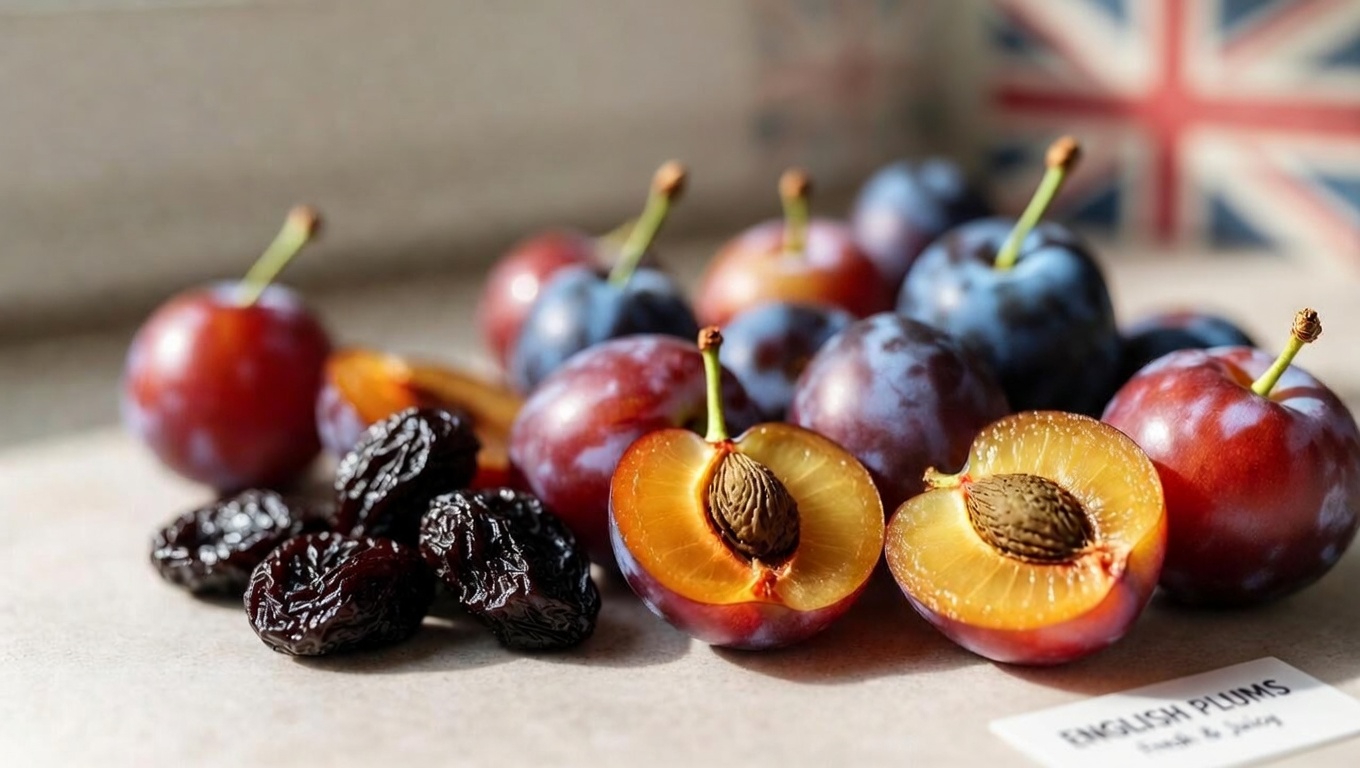
Dried fruit contains concentrated natural sugars, so portion sizes need to be much smaller. In many cases, fresh fruit is the better choice. For example, fresh plums may be easier to manage than prunes because they have more water and a lower sugar density.