
Bay Leaf Oil for Skin: A Gentle, Plant-Based Addition to Your Routine
As skin changes with age and faces constant exposure to sunlight, pollution, and fast-paced daily life, many people begin looking for skincare options that feel supportive instead of aggressive. High-priced serums and complicated product lines can be confusing, especially when your goal is simply to care for your skin in a balanced, natural way. Bay leaf oil, extracted from the leaves of the Laurus nobilis plant, has been used in traditional beauty rituals for generations and is now gaining renewed interest as a practical option for everyday skincare. With the right approach, it can be explored safely at home, and this guide covers the essentials to help you decide whether it belongs in your routine.
What Is Bay Leaf Oil?
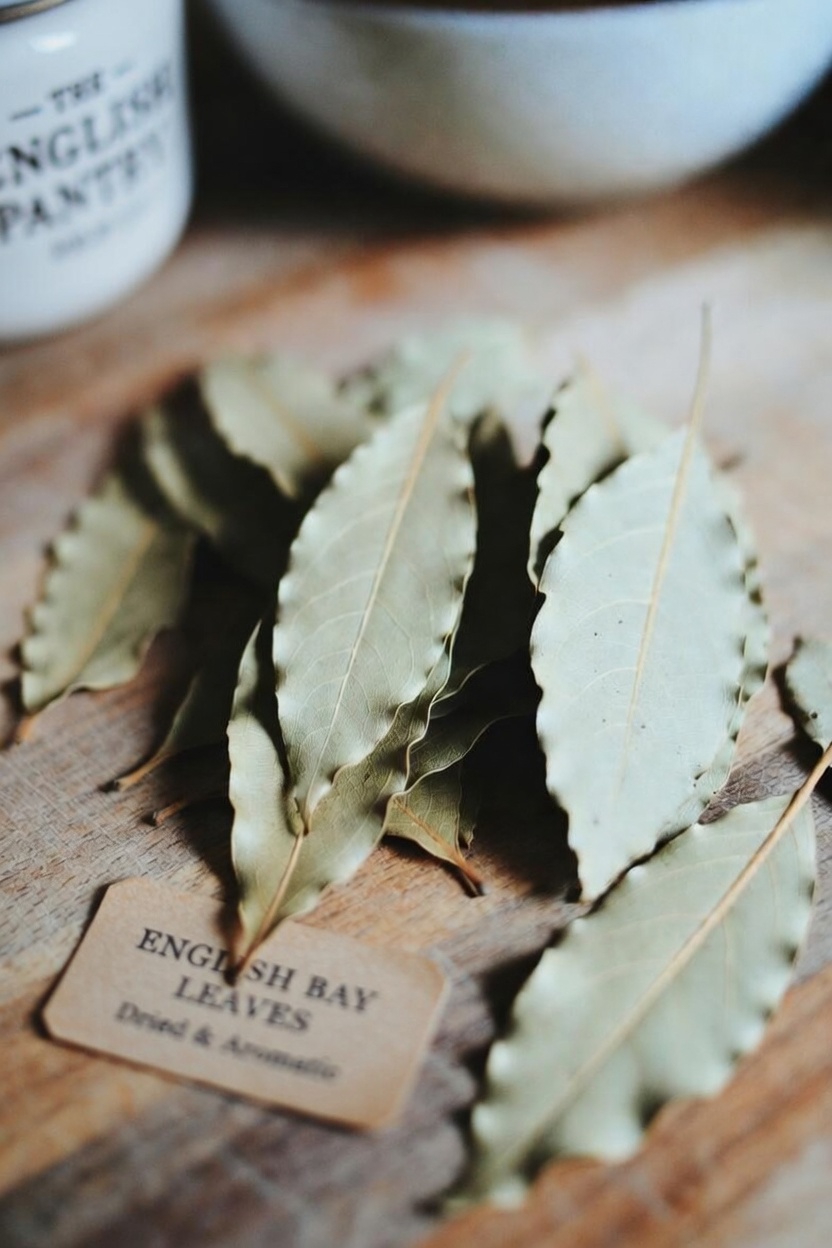
Bay leaf oil, also known as laurel oil, is derived from the evergreen bay laurel tree, a plant native to the Mediterranean. Through steam distillation, the leaves are transformed into a concentrated essential oil containing compounds such as 1,8-cineole, linalool, and eugenol. These naturally occurring components give the oil its warm, spicy, herbal scent and explain why it is frequently used in soaps, body products, and skincare formulas.
Unlike many ingredients that suddenly become popular, bay laurel has deep roots in traditional Mediterranean and Middle Eastern wellness practices, especially for promoting skin comfort. Today, it is sold both as a pure essential oil and as an ingredient blended into carrier oils, making it widely accessible in health shops and online stores.

Why Bay Leaf Oil Is Getting Attention in Skincare
More people are moving away from heavily synthetic products and returning to botanicals with a long history of use. Bay leaf oil fits naturally into this trend because it offers a grounded, gentle option for those who want a simpler skincare routine. Scientific studies published in peer-reviewed journals have examined its antioxidant and soothing qualities, reflecting what traditional users have valued for centuries.
It is also discussed for its natural antimicrobial activity, which may help support a clean and balanced skin environment. For anyone interested in a skincare routine that is uncomplicated yet intentional, bay leaf oil stands out as a promising option.
Potential Skin Benefits Supported by Research
Current research does not make extreme claims, but it does offer useful insight into how bay leaf oil may contribute to skincare.
- Antioxidant protection — Studies suggest that compounds in bay leaf oil may help fight free radicals, which are associated with everyday environmental damage.
- Soothing effects — Certain anti-inflammatory components may help reduce mild redness or feelings of irritation.
- Support for skin cleanliness — Laboratory findings have noted antimicrobial properties that may help maintain a healthier skin surface.
- Relaxing aroma — Its scent is often appreciated in aromatherapy and may add a calming element to an evening self-care routine.
These findings are based on broader research into Laurus nobilis extracts and should not be treated as medical advice. The best approach is to use bay leaf oil carefully as one part of a well-rounded skincare routine.
How to Use Bay Leaf Oil Safely
Getting started is simple, but caution matters because essential oils are highly concentrated. Follow these basic steps to introduce bay leaf oil safely into your skincare routine.
-
Buy a quality product
Choose a pure bay leaf essential oil from a reliable brand. You will also need a carrier oil such as jojoba or sweet almond oil. -
Do a patch test first
Mix 1 drop of bay leaf oil with 1 teaspoon of carrier oil. Apply a small amount to the inside of your wrist and wait 24 hours to check for irritation. -
Dilute it correctly
Never use bay leaf essential oil directly on the face without dilution. A beginner-friendly ratio is 1 to 2 drops per tablespoon of carrier oil. -
Add it to your routine gradually
You can blend it into your moisturizer or make a simple facial oil to apply after cleansing. -
Store it properly
Keep your mixture in a dark glass bottle and place it away from heat and direct light. When stored well, it can stay fresh for about three months.
This slow and gentle method allows you to enjoy the benefits while reducing the chance of sensitivity.

Easy DIY Bay Leaf Skincare Recipes
If you enjoy homemade skincare, bay leaf oil can be used in quick and simple preparations that fit easily into a weekly routine.
Gentle Bay Leaf Facial Oil
Ingredients
- 2 tablespoons jojoba oil
- 3 drops bay leaf essential oil
- 1 drop lavender essential oil, optional
How to make and use it
- Combine all ingredients in a small bottle.
- Shake well before each use.
- Apply 2 to 3 drops to clean skin at night.
This lightweight blend absorbs easily and can leave the skin feeling soft and comfortable.
Soothing Bay Leaf Toner Infusion
Ingredients
- 1 cup distilled water
- A handful of dried bay leaves
- 1 teaspoon apple cider vinegar, optional
How to make and use it
- Simmer the dried bay leaves in distilled water for 10 minutes.
- Strain the liquid and let it cool completely.
- Add apple cider vinegar if desired.
- Store in the refrigerator.
- Use as a cooling facial mist or apply with a cotton pad after cleansing.
This infusion feels especially refreshing in warm weather and offers a lighter alternative to oil-based care.
You can also add a few drops of properly diluted bay leaf oil to a bath for a relaxing full-body aromatic experience at the end of the day.
Mistakes to Avoid With Natural Oils
Even gentle botanical ingredients need to be used responsibly. To keep your skincare experience safe and pleasant, avoid these common errors:
- Applying the oil undiluted — This increases the risk of irritation and sensitivity.
- Skipping a patch test — This is especially important for reactive or sensitive skin.
- Using old or poorly stored oil — Oxidized oils may be less effective and more irritating.
- Mixing it immediately with strong actives — Ingredients like retinol may be too much when combined too quickly.
- Expecting instant results — Plant-based skincare usually works gradually and responds best to steady use.
Avoiding these issues can make a big difference in how well bay leaf oil fits into your routine.
Bay Leaf Oil Compared With Other Popular Skincare Ingredients
The table below shows how bay leaf oil compares with a few other familiar skincare options.
| Ingredient | Main Traditional Use | Best For | Important Caution |
|---|---|---|---|
| Bay Leaf Oil | Soothing and cleansing support | Balanced everyday skincare | Always dilute and patch test |
| Tea Tree Oil | Targeted spot support | Occasional blemishes | Can feel drying on some skin types |
| Rosehip Oil | Nourishing moisture | Dry or mature skin | May feel heavier on oily skin |
| Lavender Oil | Calming scent and comfort | Relaxation-focused routines | Usually well tolerated, but patch testing is still wise |
This comparison shows that bay leaf oil works well as a versatile, general-use ingredient rather than a single-purpose treatment.
How to Make Bay Leaf Oil Part of Your Long-Term Routine
Long-term skincare success comes from consistency, not from doing everything at once. A practical way to begin is to use bay leaf oil in only one evening step for the first two weeks. Pay attention to how your skin feels after cleansing and before applying moisturizer. For many people, the subtle herbal scent also adds a quiet sense of relaxation to their nighttime routine.
If you travel often, keeping a pre-diluted blend in a small roller bottle can help you stay consistent. Over time, this simple habit may become a comforting ritual that supports the skin’s natural strength and balance.
Conclusion
Bay leaf oil is a traditional botanical ingredient that may bring antioxidant, soothing, and cleansing support to a skincare routine. Research continues to explore its benefits, but the most important factors are careful use, proper dilution, and paying attention to your skin’s response. When introduced thoughtfully, bay leaf oil can become a sustainable and pleasant part of everyday skincare.
FAQ
Can bay leaf oil replace my moisturizer?
No. It is better used as a supportive addition rather than a substitute for moisturizer. Many people mix a few drops into their regular moisturizer for an extra boost.
How long does it take to notice changes?
The timeline is different for everyone and depends on your full routine, diet, lifestyle, and skin type. Some people notice a smoother or softer feel after a few weeks of consistent use, but results are never guaranteed.
Is bay leaf oil suitable for all skin types?
When diluted properly, it may work for many skin types. However, people with very sensitive skin or known allergies should speak with a dermatologist first and always perform a patch test before use.