Eczema and Showering: Does Bathing Every Day Really Make It Worse?
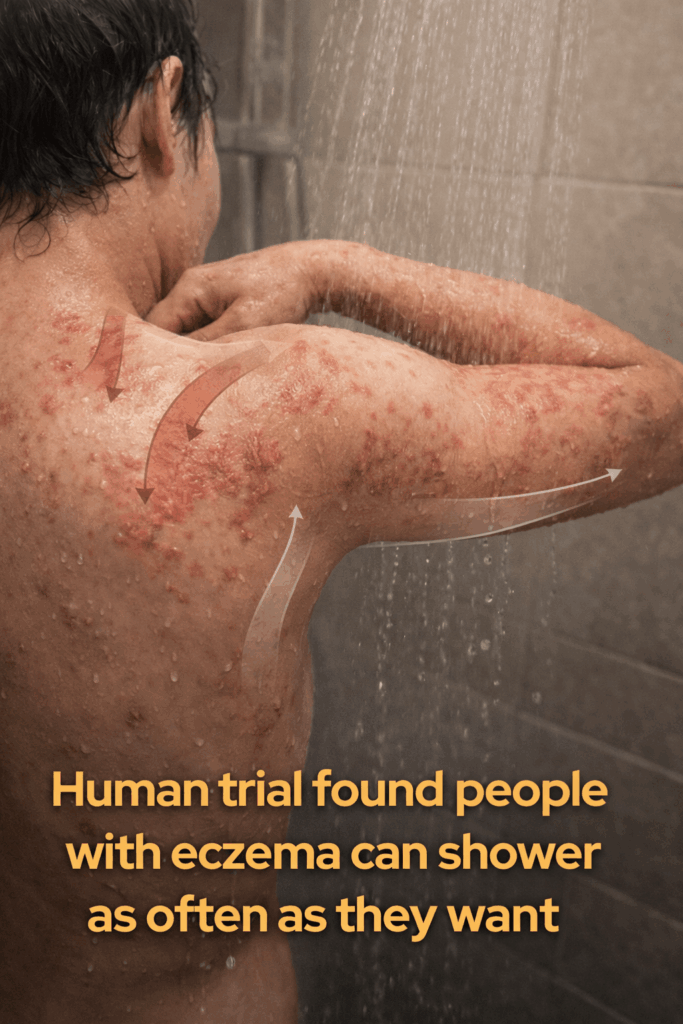
You step out of the shower feeling clean and refreshed, only to notice your skin starting to itch a short time later. The red, irritated areas return, and with them comes that familiar sense of frustration. Many people with eczema quietly assume they are doing something wrong, often blaming frequent showers.
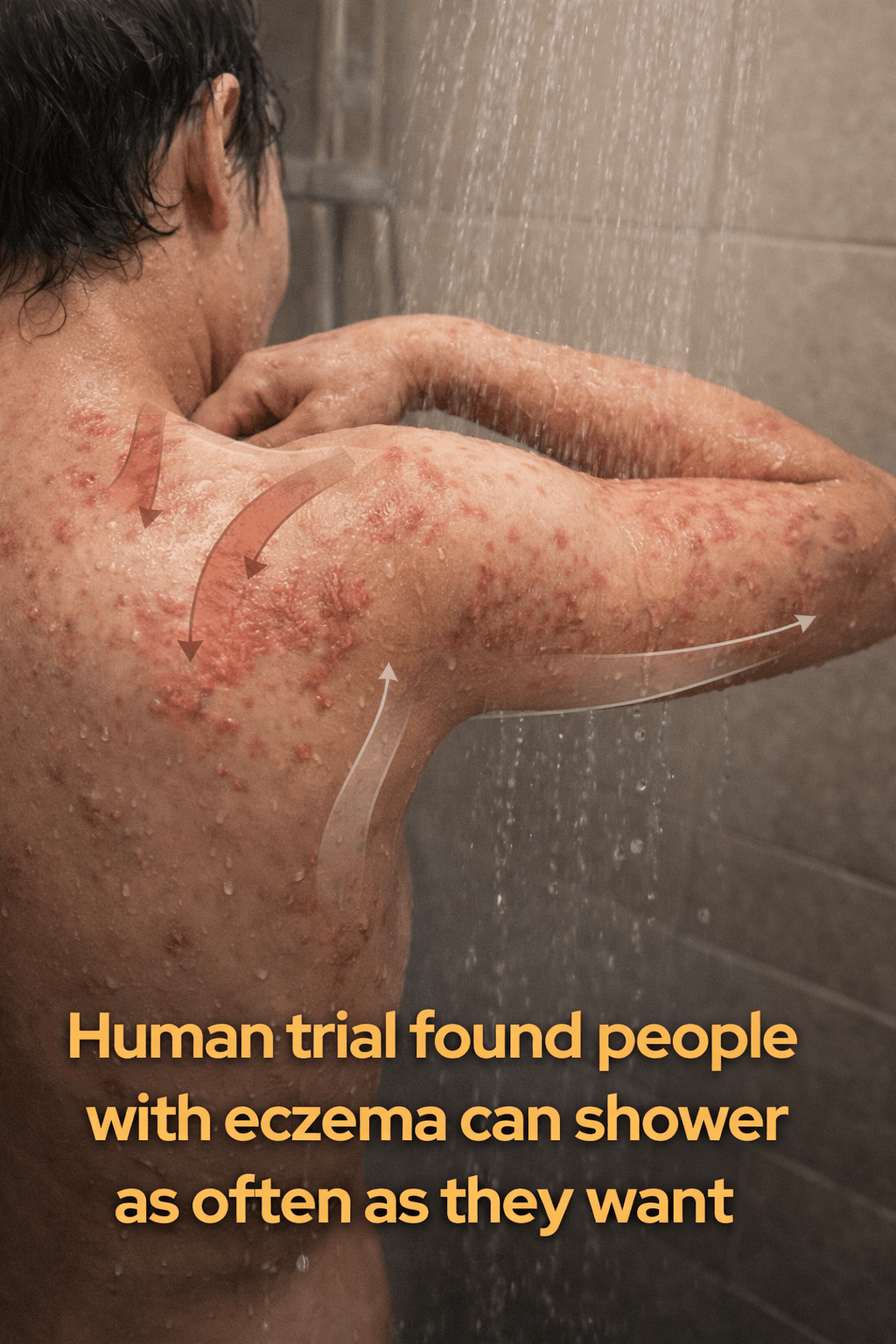
For years, that belief seemed reasonable. Patients were regularly advised to bathe less often to prevent their skin from becoming more irritated. However, newer research suggests the issue may be more complex than people once believed. In fact, the biggest factor in skin comfort may not be how often you shower, but what you do afterward.
Why People With Eczema Were Once Told to Shower Less
For a long time, medical advice around eczema focused heavily on protecting the skin barrier by reducing exposure to water.
The logic was simple:
- Water can strip away protective natural oils
- Soap may leave skin dry and irritated
- A weakened skin barrier can lead to more itching and inflammation
Because of this, many people with eczema were told to follow strict bathing rules, such as:
- Shower only once or twice a week
- Avoid hot water entirely
- Keep baths and showers very brief
These recommendations caused stress for many families. Parents worried whenever a child with eczema needed a bath, and adults often felt conflicted, especially in warmer places where daily showering is part of normal life.
Over time, though, dermatology researchers began to ask an important question: was there actually strong evidence that frequent bathing made eczema worse?
The answer turned out to be surprising.
The Study That Shifted the Discussion
A large randomized controlled trial published in the British Journal of Dermatology explored whether shower frequency truly affects eczema severity.
The study included 438 people with eczema in the United Kingdom. Participants were split into two groups:
- One group bathed every day
- The other group bathed only once or twice per week
Both groups also followed basic skincare practices and used moisturizers.
Researchers tracked several key outcomes, including:
- Skin dryness
- Severity of itching
- Number of flare-ups
- Overall eczema symptoms
The result challenged long-held assumptions.
There was no meaningful difference between the two groups.
In other words, people who showered daily did not have worse eczema than those who bathed less often.
This finding suggests that rigid shower schedules may not be as important as once believed. For many people, especially those living in hot climates, that can be reassuring.
What Matters More Than Shower Frequency
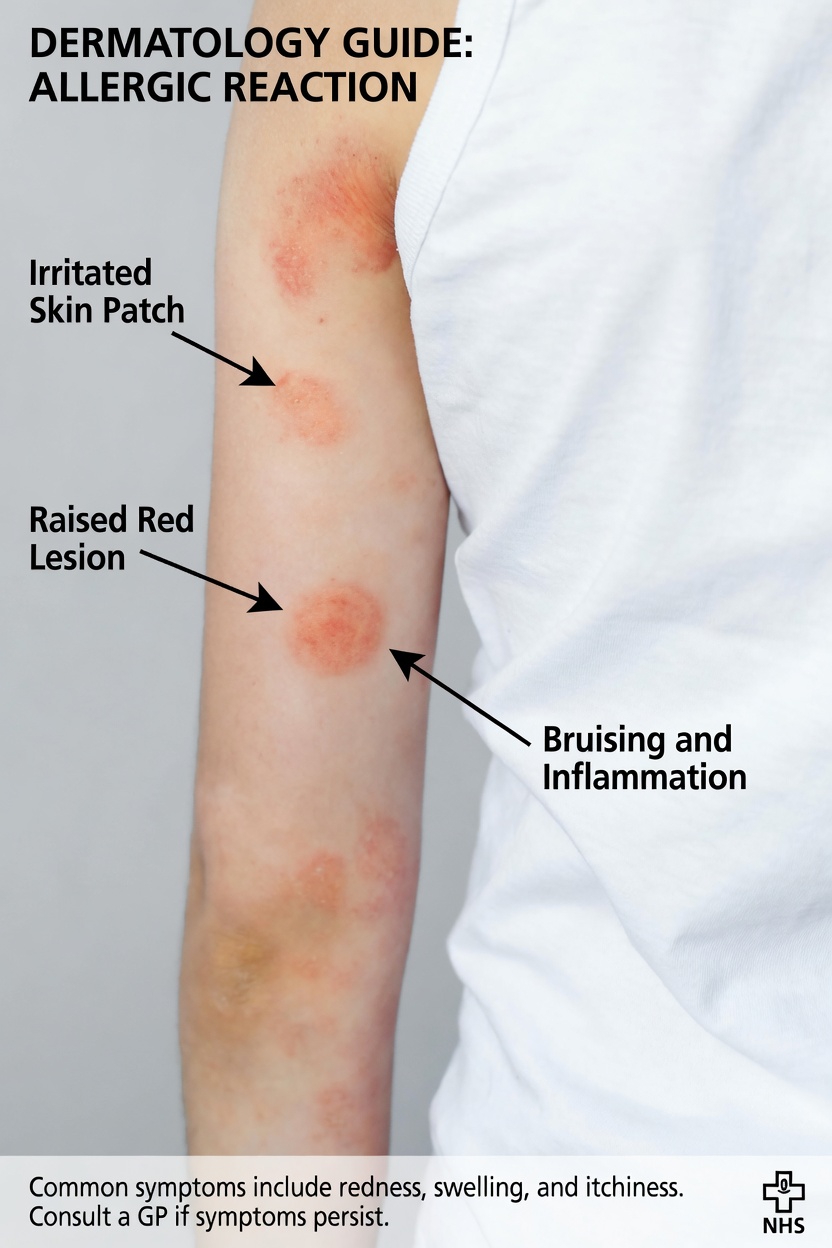
One of the most overlooked parts of eczema care is not the shower itself, but what happens immediately after it.
Current dermatology guidance consistently emphasizes one essential habit: moisturizing the skin right after bathing.
When the skin is still slightly damp, moisturizers can lock in hydration more effectively. This helps strengthen the skin barrier and may reduce dryness, irritation, and itching.
A simple way to think about it is this: water alone evaporates quickly, but when moisture is sealed in, the skin stays more protected.
Common dermatologist-recommended habits include:
- Apply moisturizer within 3 minutes after showering
- Use fragrance-free creams or ointments instead of strongly scented lotions
- Choose lukewarm water rather than very hot water
- Gently pat the skin dry instead of rubbing it with a towel
It is also important to remember that eczema flare-ups are not caused by one factor alone. Stress, weather changes, allergens, and other triggers can all contribute. Even so, daily skincare habits can still have a meaningful impact over time.
Daily Showering vs. Limited Bathing
There is no single bathing routine that works for everyone. Still, comparing the most common approaches can make the decision easier.

Simple Comparison
| Habit | Possible Benefits | Potential Drawbacks |
|---|---|---|
| Daily shower | Feels clean and comfortable, removes sweat, may wash away allergens | Hot water or harsh cleansers may dry the skin |
| Showering 1–2 times per week | May help preserve natural oils longer | Can feel unpleasant or impractical in warm climates |
| Lukewarm daily shower plus moisturizer | Balanced option often supported by dermatologists | Requires consistency with post-shower moisturizing |
The key message is clear: there is no universal rule.
Rather than following strict schedules, many dermatologists now encourage people with eczema to choose a routine that fits their lifestyle while protecting the skin barrier. For older adults and anyone who values daily hygiene, this can be especially comforting.
Practical Skincare Tips for People With Eczema
If you or a family member is living with eczema, these habits may help support healthier, more comfortable skin.
1. Use gentle cleansers
Choose products labeled fragrance-free, for sensitive skin, or for dry skin. Harsh soaps can make irritation worse.
2. Keep showers moderate
Lukewarm water is generally better tolerated than very hot water, which can increase dryness.
3. Moisturize right away
Apply a cream or ointment soon after bathing to help seal in moisture.
4. Avoid scrubbing the skin
Rough washing or vigorous towel-drying can aggravate redness and itching.
5. Wear breathable clothing
Soft cotton fabrics are often more comfortable for sensitive skin than many synthetic materials.
One important reminder: consistency matters more than perfection. Small improvements in daily habits can help support the skin barrier over time.
Why This Matters to Millions of People
Living with eczema often means dealing with constant second-guessing.
Many people ask themselves questions like:
- Should I shower today?
- Will this make my skin flare up?
- Am I making my condition worse?
Newer research helps reduce some of that fear. Instead of focusing on inflexible rules, people can prioritize a balanced routine that supports both comfort and skin health.
This matters not only physically, but emotionally as well. When people feel less anxious about everyday decisions, they are more likely to care for their skin in a steady, sustainable way. For older adults in particular, being able to maintain familiar hygiene habits can support both well-being and confidence.
Final Thoughts
For decades, people with eczema were warned that frequent showers might worsen their symptoms. Recent research suggests the reality is more nuanced.
Daily bathing does not automatically make eczema worse, especially when paired with good skincare habits.
What seems to matter most is:
- Gentle cleansing
- Moderate water temperature
- Consistent moisturizing after bathing
These simple habits can help protect the skin barrier, improve comfort, and reduce unnecessary worry. And for many people, that freedom from fear is just as valuable as any skincare product.
Frequently Asked Questions
Can people with eczema shower every day?
Yes, many dermatology experts now believe daily showering can be fine for people with eczema, as long as they use lukewarm water, mild cleansers, and moisturize soon afterward.
Is hot water harmful for eczema?
Very hot water can increase dryness and irritation in some people. Lukewarm showers are usually a better choice for sensitive skin.
What type of moisturizer is best for eczema-prone skin?
Creams and ointments made for dry or sensitive skin are often more protective than lightweight lotions, especially when used immediately after bathing.
Medical Disclaimer
This article is intended for educational purposes only and should not be considered medical advice. Anyone with ongoing or severe skin symptoms should speak with a qualified healthcare professional for personalized care.