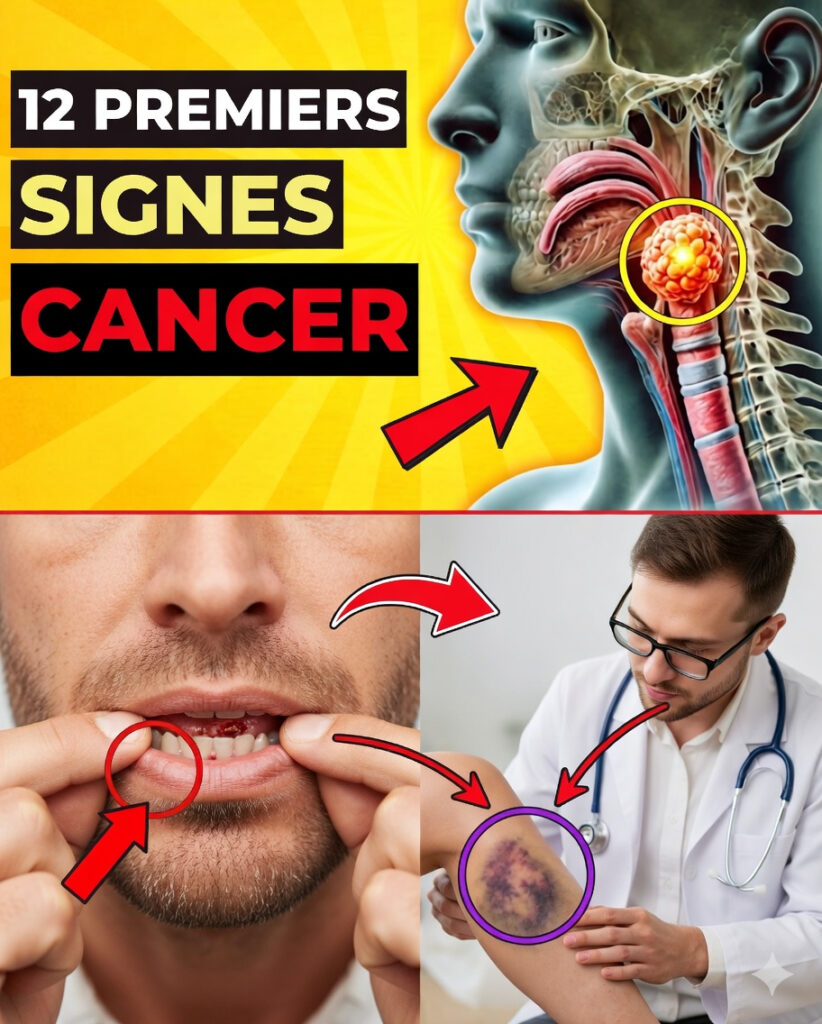
What If Your Fatigue or Weight Loss Isn’t “Normal”? Your Body May Be Sending an Early Warning Sign
Cancer remains one of the leading causes of death worldwide. The good news is that when it is found early, treatment is often far more effective. The challenge is that many early symptoms can seem mild or easy to dismiss, so people often mistake them for minor health issues. Knowing how to spot these warning signs could make a life-changing difference — for you or someone you love.
12 Early Cancer Warning Signs You Should Never Ignore
1. Unexplained Weight Loss
Losing more than 5% to 10% of your body weight without changing your diet or exercise routine can be an important red flag. This may be associated with cancers affecting the stomach, pancreas, esophagus, or lungs.
2. Ongoing Fatigue
Severe tiredness that does not improve with rest should not be ignored. Persistent fatigue can sometimes be linked to leukemia or cancers of the colon and stomach. In many cases, this happens because the body is using a large amount of energy to fight disease.
3. Changes in the Skin
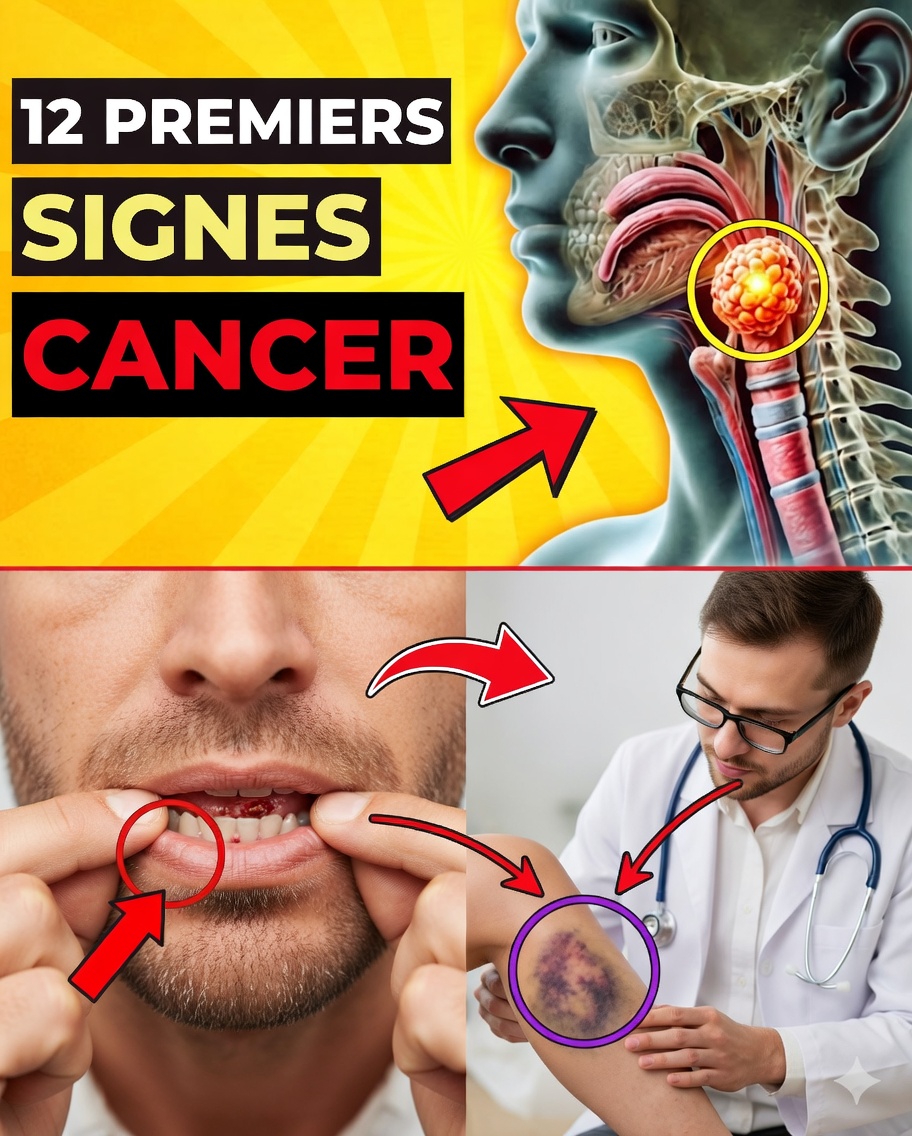
New moles, visible changes in existing moles, or sores that do not heal deserve medical attention. Other concerning signs can include unusual redness, darkening of the skin, or peeling.
4. Chronic Pain
Pain that continues over time — especially in the back, pelvis, or abdomen — may be connected to cancers involving the bones, ovaries, or colon.
5. Unusual Bleeding or Discharge
Abnormal bleeding should always be checked promptly. Possible warning signs include:
- Coughing up blood, which may be linked to lung cancer
- Blood in the urine, which can suggest bladder or kidney cancer
- Rectal bleeding, which may point to colorectal cancer
6. A Persistent Cough or Hoarseness
A cough lasting longer than three weeks or ongoing hoarseness can sometimes be an early sign of throat or lung cancer.
7. Changes in Bowel or Urinary Habits
Long-lasting constipation, diarrhea, or changes in stool appearance may signal colorectal cancer. Frequent urination or pain while urinating can be associated with prostate or bladder cancer.
8. Swelling or Lumps
Any lump under the skin should be evaluated, particularly in the breasts, testicles, or lymph nodes. Early detection can greatly improve treatment outcomes.
9. Difficulty Swallowing
A feeling that food is getting stuck or trouble swallowing may be related to cancer of the esophagus, throat, or stomach.
10. Persistent Indigestion or Heartburn
Digestive discomfort that continues despite treatment should not be overlooked. Ongoing indigestion or heartburn can sometimes be linked to cancers of the stomach, pancreas, or throat.
11. Night Sweats or Unexplained Fever
Frequent fevers or heavy night sweats without a clear infection may be associated with certain cancers, including lymphoma and leukemia.
12. Slow-Healing Sores
Mouth sores that do not heal can be a warning sign of oral cancer. Likewise, skin lesions that persist may indicate skin cancer.
When Should You See a Doctor?
If any of these symptoms last for more than two weeks, it is important to consult a healthcare professional. These signs do not always mean cancer, but getting checked early is the safest way to rule out a serious condition and protect your health.