When Low Energy Creeps In Quietly
Sometimes embarrassment does not arrive all at once. Picture yourself visiting relatives on a Sunday in Mexico City. Everyone is talking, laughing, and enjoying the meal, yet you feel strangely drained after climbing only a few steps or standing in the kitchen for a short time. Someone notices you look pale or tired, and you smile as if nothing is wrong.
For many adults over 50, this kind of fatigue can become a regular part of life without a clear explanation. Low energy, weakness, and a washed-out appearance may slowly turn into concern. The encouraging news is that simple food choices can help support the body’s natural iron balance. One easy option is a bright homemade fruit punch made with ingredients rich in vitamin C and beneficial plant compounds.
By the end of this article, you will also learn a small preparation tip that many people ignore, even though it may make this drink more useful.
What Is an Iron-Supporting Fruit Punch?
This colorful drink brings together fruits and vegetables that offer nutrients associated with better iron support in the body. It is not a cure or medical treatment, but it can be a refreshing addition to a routine focused on iron-friendly nutrition.
The recipe uses ingredients that are easy to find in Mexican markets and neighborhood shops.
Ingredients
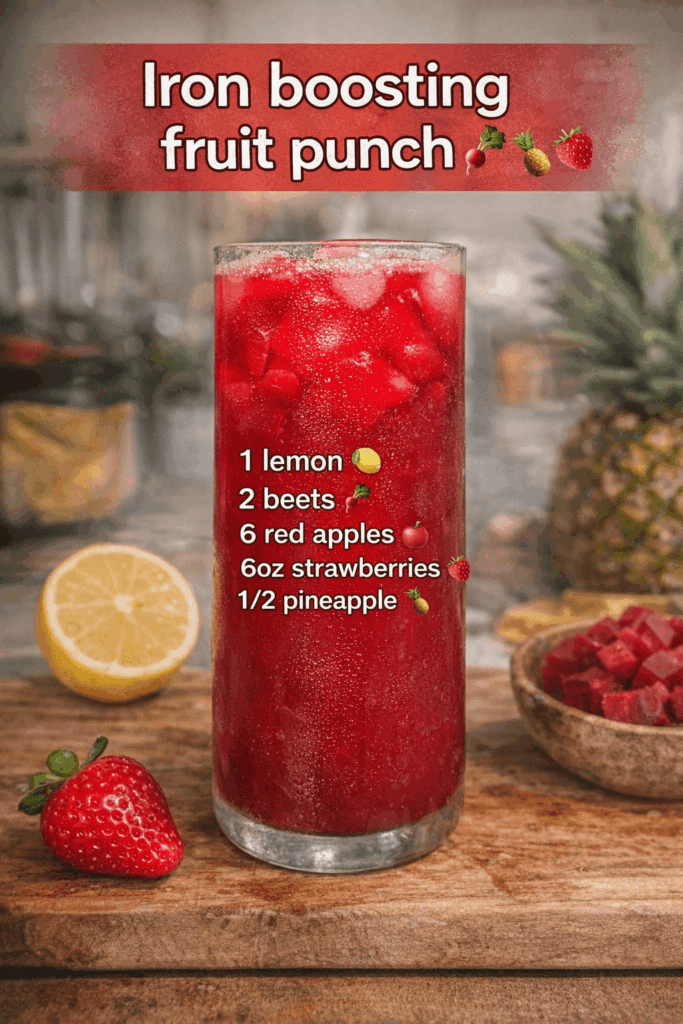
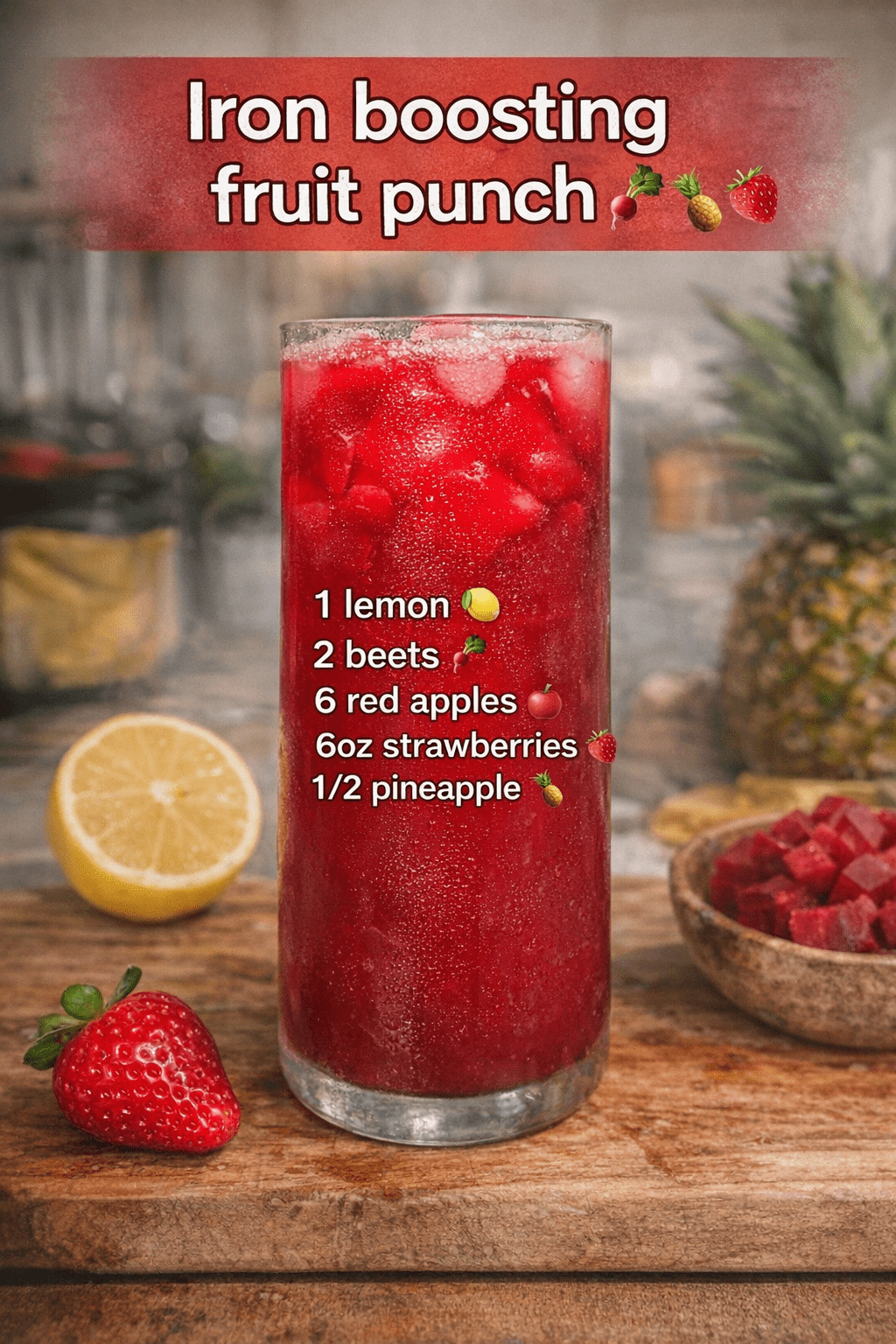
- 1 lemon
- 2 beets
- 6 red apples
- 6 oz strawberries
- 1/2 pineapple
Each ingredient contributes something different from a nutrition perspective.
- Beets provide natural nitrates and plant compounds that may support circulation and overall vitality.
- Apples add fiber and antioxidant compounds that support general wellness.
- Strawberries and lemon are excellent sources of vitamin C, which may help the body absorb plant-based iron more effectively.
- Pineapple contributes natural sweetness and digestive enzymes that make the drink pleasant and easier to enjoy.
Here is the key point: iron from plant foods is not always absorbed efficiently. However, studies suggest that when vitamin C-rich foods are eaten with plant sources of iron, absorption may improve. That is why drinks like this often appear in conversations about nutrition.
Why Iron Intake Matters More With Age
Feeling tired is common as people get older, but diet can sometimes be part of the picture. Adults over 50 may deal with several issues that influence how much iron they consume or how well their body uses it.
Common factors include:
- Reduced appetite
- Digestive changes
- Certain medications
- Less variety in everyday meals
Nutrition research has shown that older adults often eat fewer iron-rich foods than younger people. But the problem is not always the amount of iron in the diet. In many cases, absorption is just as important.
This is where food pairing becomes valuable. Vitamin C-rich ingredients such as lemon, pineapple, and strawberries can help the body absorb non-heme iron, the type found in plant foods. Over time, these combinations may make a meaningful difference in daily nutrition habits.
What Each Ingredient Contributes
A closer look at the ingredients helps explain why this fruit punch is often considered supportive.
Nutrient Overview
-
Beets
- Key nutrients: folate, nitrates
- Potential benefit: supports circulation and energy metabolism
-
Apples
- Key nutrients: fiber, polyphenols
- Potential benefit: helps digestive health and overall balance
-
Strawberries
- Key nutrients: vitamin C
- Potential benefit: supports iron absorption
-
Pineapple
- Key nutrients: bromelain and natural fruit acids
- Potential benefit: may assist digestion
-
Lemon
- Key nutrients: vitamin C
- Potential benefit: helps improve plant iron absorption
Beyond nutrients, the natural sweetness of the fruit can make this drink more enjoyable. That matters because tasty options often encourage better hydration and more consistent fruit and vegetable intake. For older adults who struggle to eat large servings of produce, this can be a practical alternative.
How to Make This Iron-Friendly Fruit Punch at Home
This recipe is quick, simple, and usually takes less than 10 minutes to prepare.
Step-by-Step Instructions
- Wash all the ingredients well.
- Peel the beets and pineapple.
- Cut the apples and pineapple into smaller pieces.
- Place everything in a blender or juicer.
- Squeeze in the lemon juice.
- Blend until the mixture becomes smooth.
A Small Trick Many People Miss
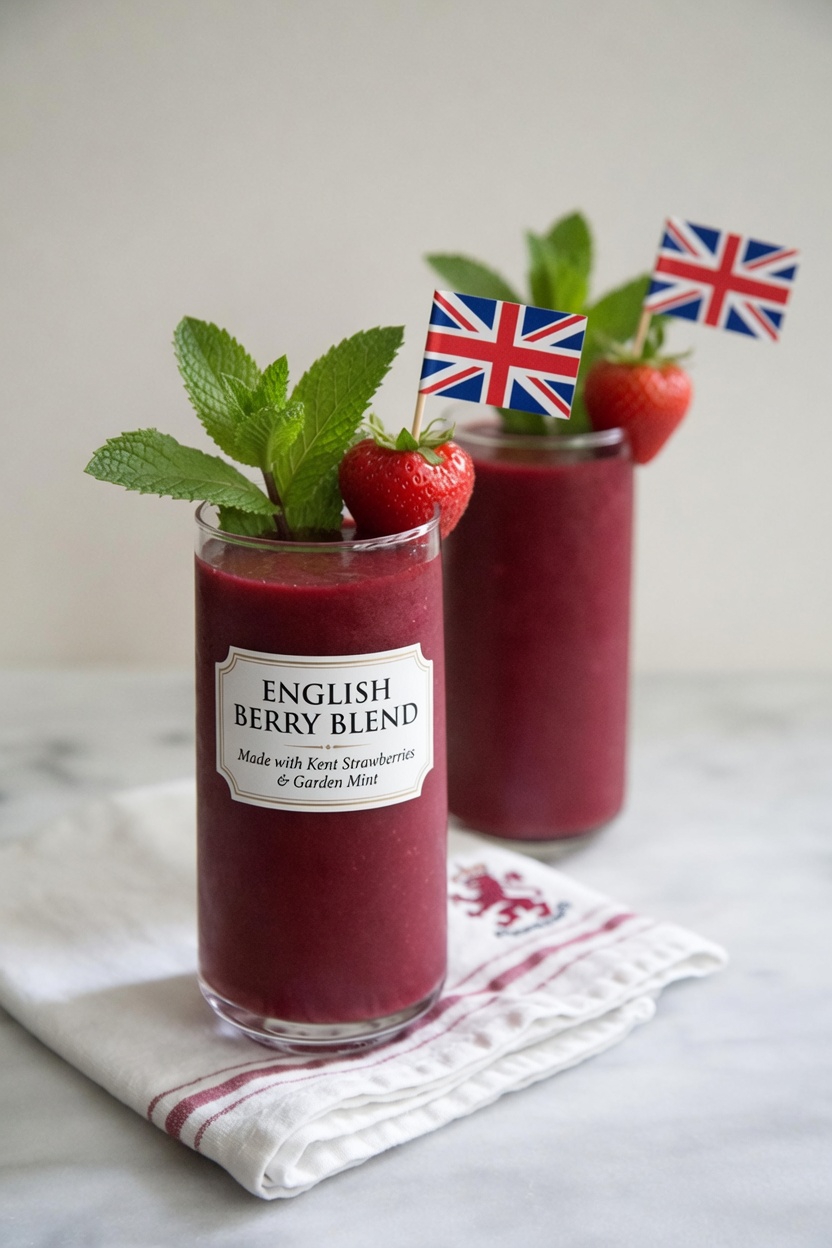
Let the drink rest for about five minutes before serving.
Why does this matter? Some nutrition experts believe this short pause allows the flavors to settle and the ingredients to blend more evenly. While it is a small step, it may improve both taste and consistency.
Serve it cold, with ice if desired, for a fresher and more pleasant flavor.
One important reminder: this fruit punch should be part of a balanced diet, not a replacement for full meals.
Daily Habits That Can Help Iron Nutrition
No single drink can transform your health on its own. What matters most is the pattern of your daily choices.
Here are a few practical habits often recommended by nutrition professionals.
Include Iron-Containing Foods Regularly
- Beans
- Lentils
- Spinach
- Pumpkin seeds
Pair Iron Foods With Vitamin C Sources
- Oranges
- Lemon
- Tomatoes
- Strawberries
Be Careful With Coffee and Tea Around Meals
Research suggests that coffee and tea may reduce iron absorption when consumed at the same time as iron-rich meals. A better approach is to wait about one hour after eating.
Consider Cast Iron Cookware
Cooking in cast iron pans may slightly increase the iron content of certain foods. It may sound traditional, but studies have found this effect in some dishes.
Common Mistakes With “Healthy” Drinks
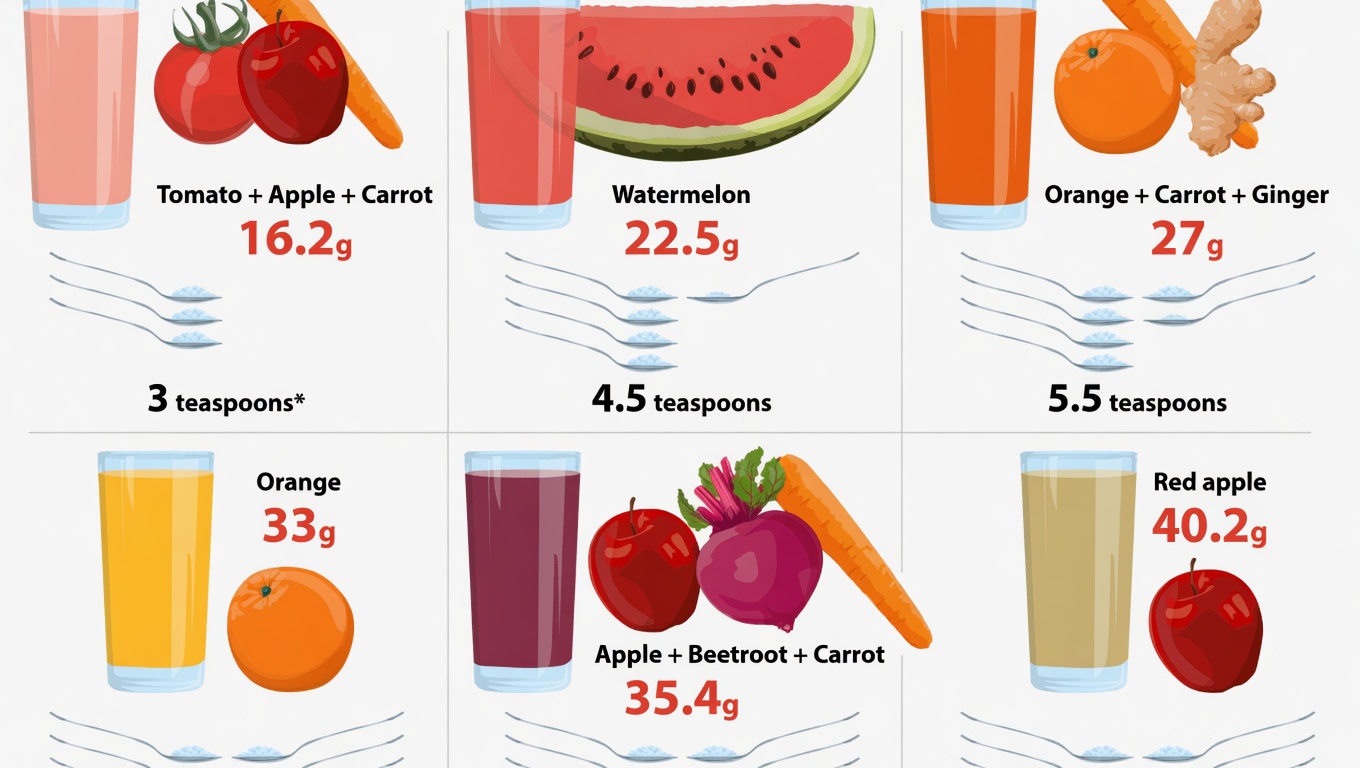
Many people accidentally turn nutritious beverages into high-sugar drinks.
Watch for these common habits:
- Adding too much sugar
- Using juice as a meal replacement
- Drinking oversized portions every day
- Choosing packaged juices instead of fresh produce
Fresh homemade fruit drinks are best enjoyed in moderate amounts. In most cases, a serving of about 200 to 250 ml is enough.
The main idea is simple: balance matters more than volume.
Final Thoughts
Small, steady nutrition habits often do more than extreme diet trends. A homemade fruit punch made with beets, apples, strawberries, pineapple, and lemon can be an easy and refreshing way to add supportive nutrients to your day.
For adults dealing with low energy or those simply trying to improve their eating habits, trying simple fruit combinations like this may be worthwhile.
And here is the overlooked tip mentioned earlier: drinking this fruit punch with meals that include plant iron sources, such as beans or lentils, may help your body use those nutrients more efficiently.
Simple foods. Practical habits. Consistent routines.
That is often where real wellness starts.
Frequently Asked Questions
Can this fruit punch replace iron supplements?
No. This drink is only a nutritious beverage that may support overall diet quality. Anyone concerned about iron deficiency or related symptoms should speak with a healthcare professional.
How often can I drink it?
For most healthy adults, drinking it a few times per week as part of a balanced eating plan is generally reasonable. Moderation is still important because fruit-based drinks contain natural sugars.
Is blending better than juicing?
Blending is usually the better option if you want to keep more fiber from ingredients such as apples and strawberries. Fiber supports digestion and may also help with blood sugar balance.
Medical Disclaimer
This article is provided for educational and informational purposes only. It is not a substitute for professional medical advice, diagnosis, or treatment. Always consult a qualified healthcare professional before making dietary changes or addressing personal health concerns.