3 Smart Rice Choices for Everyday Wellness
Many people move through their day without realizing that the foods they eat most often can have a meaningful impact on overall well-being. Rice, in particular, is a staple in countless households, yet it is often misunderstood. With so much advice about what to eat, avoid, or limit, it is easy to feel confused about whether rice belongs in a balanced routine.
The good news is that choosing the right type of rice does not need to be difficult. In fact, the three varieties below can easily become reliable kitchen staples, helping you enjoy familiar meals while supporting mindful nutrition habits.
Why Rice Matters in a Balanced Wellness Plan
Rice is one of the most widely enjoyed comfort foods in the world, and for good reason. It is affordable, versatile, easy to prepare, and pairs well with a wide range of ingredients. According to nutrition guidance from sources such as DaVita Kidney Care, rice is naturally low in sodium, which makes it a practical base for meals when you are paying attention to overall dietary balance.
What matters most is knowing that different types of rice are not all the same. The way rice is processed, along with its natural mineral content, can affect how well it fits into certain wellness-focused eating routines. Fortunately, a few simple swaps can make your choices much easier.
1. White Rice: A Practical Everyday Option
White rice is sometimes underrated in health discussions, but many renal dietitians recommend it for a straightforward reason. During processing, the outer layers are removed, which lowers the levels of certain minerals. As a result, white rice is often considered a gentler choice in meal plans that require more attention to mineral intake.
A cup of cooked white rice generally contains about:
- 55 mg of potassium
- 68 mg of phosphorus
That makes it a dependable source of energy for many people following kidney-conscious eating patterns.
Why white rice works well
In everyday life, convenience matters. White rice cooks quickly, has a soft texture, and works well with vegetables, herbs, and lean proteins. For busy schedules, it can make meal preparation simpler and less stressful.
Easy ways to enjoy white rice
- Rinse it thoroughly before cooking to remove excess starch.
- Serve 1/2 cup cooked with steamed vegetables and grilled fish.
- Use it as the base for a light stir-fry with fresh garlic or ginger.
2. Basmati Rice: Fragrant, Light, and Flavorful
If you enjoy rice with more aroma and character, basmati rice is an excellent option. This long-grain variety is usually similar to white rice nutritionally, but some studies suggest it may produce a slightly lower glycemic response, which can support steadier energy during the day.
Some nutrition references also note that basmati rice from certain regions may contain lower natural arsenic levels than other common rice types, making it a thoughtful choice for regular use.
What makes basmati stand out
Basmati has a delicate nutty fragrance and a fluffy texture that can instantly elevate simple meals. It remains relatively low in the minerals that matter most in kidney-friendly eating, while bringing more taste and variety to the plate.

Simple ways to use basmati rice
- Soak it for 15 minutes before cooking for a lighter texture.
- Season it with turmeric, cumin, and chopped cilantro for an easy side.
- Pair it with cucumber salad and yogurt for a refreshing lunch.
3. Wild Rice: The Surprising Alternative
Wild rice often catches people off guard because it is not technically rice at all. It is actually a type of grass seed, but it cooks and serves much like rice and is praised by kidney health experts as another smart alternative.
Nutritionally, wild rice sits somewhere between white and brown rice. It offers more fiber and nutrients than plain white rice, while still keeping potassium and phosphorus at more manageable levels than standard brown rice.
Why wild rice is worth trying
Its chewy texture and earthy taste bring extra satisfaction to soups, salads, and casseroles. Because it expands significantly when cooked, a modest portion can feel filling, which may also support better portion awareness.
Practical ideas for wild rice
- Mix 1/4 cup cooked wild rice with white rice for a balanced texture.
- Add it to vegetable broth with carrots and celery for a light but hearty soup.
- Use leftover wild rice cold in a grain bowl with herbs and lemon zest.
Quick Comparison of These 3 Rice Types
Here is a simple side-by-side guide based on general nutrition information from trusted kidney health resources for a 1/2 cup cooked serving.
| Rice Variety | Potassium | Phosphorus | Texture & Flavor | Best For |
|---|---|---|---|---|
| White Rice | About 15-25 mg | About 20-35 mg | Soft, mild | Fast everyday meals |
| Basmati Rice | About 15-30 mg | About 25-40 mg | Fluffy, fragrant | Flavorful side dishes |
| Wild Rice | About 80-100 mg | About 60-80 mg | Chewy, nutty | More texture and satisfaction |
This comparison shows how rotating among these options can keep meals interesting while still supporting your nutrition goals.
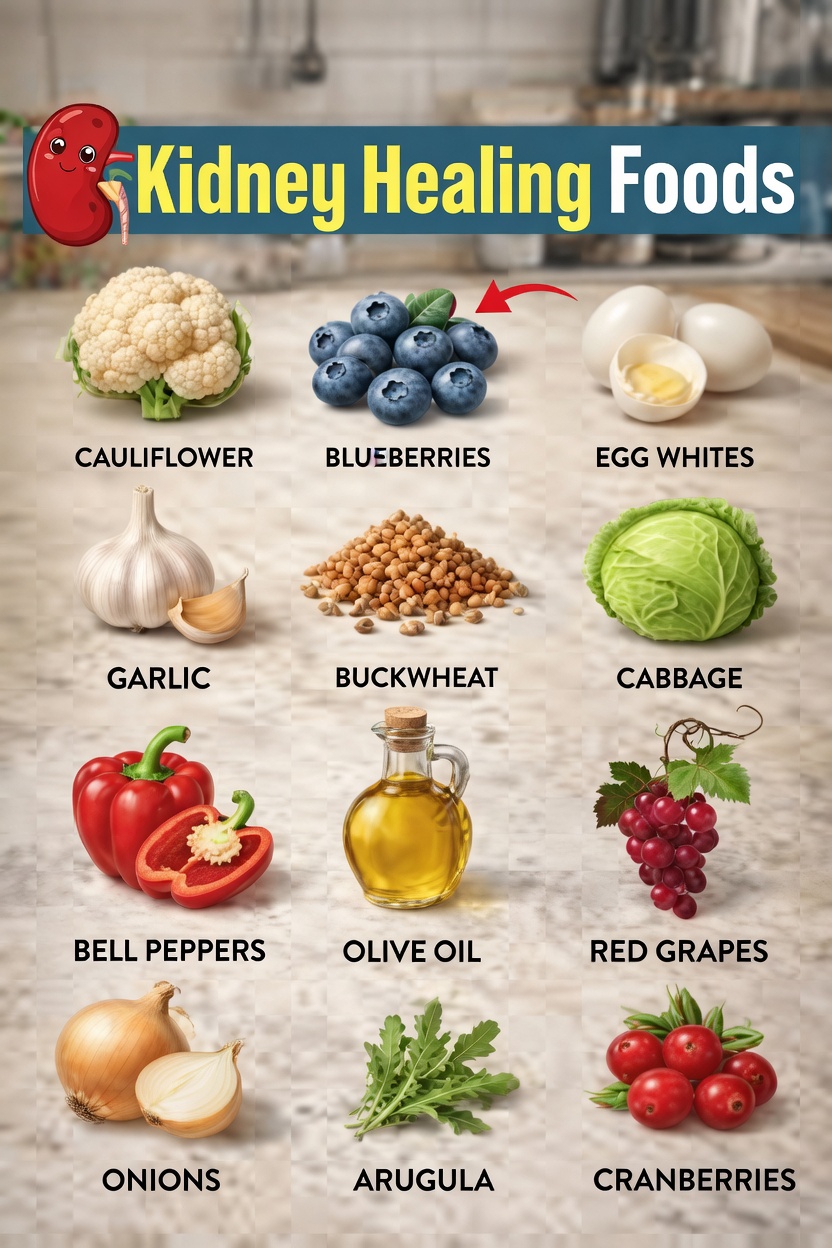
4 Easy Steps to Start Using Better Rice Choices Today
You do not need to reorganize your whole pantry overnight. A few small changes can make a noticeable difference.
- Check what rice you currently have and replace one bag with one of these three options.
- Keep portions consistent by measuring 1/2 cup cooked servings.
- Rinse all rice well under cold water before cooking.
- Try one new recipe this week using herbs, spices, or low-sodium broth instead of heavy sauces.
These simple habits are easy to fit into most routines, and many people find that they feel more confident about their meals within days.
How These Rice Choices Support Daily Wellness
What makes white rice, basmati rice, and wild rice stand out is their ability to provide satisfying energy while fitting into a more mineral-conscious eating style. Kidney health organizations often point out that refined grains such as white rice can be especially useful when mineral balance is an important part of the plan.
At the same time, choosing aromatic basmati or textured wild rice helps prevent meals from becoming repetitive. That balance between nutrition and enjoyment is what makes healthy habits easier to maintain.
When rice becomes a dependable part of your routine rather than something you worry about, it can also free up mental space for other positive habits, such as staying hydrated and including more fresh produce in your meals.
Common Questions About Rice and Kidney Wellness
Is brown rice ever a good option?
For some people, especially in earlier stages of a wellness-focused eating plan, brown rice can be included in small amounts because it contains more fiber and nutrients. However, if lower mineral intake is a priority, white rice, basmati rice, and wild rice are often preferred for more regular use. It is always best to check with your healthcare provider or dietitian.
How much rice can I eat in a day?
For many people, 1/2 cup to 1 cup cooked per meal works well. Pairing rice with non-starchy vegetables and lean protein helps create a more balanced and satisfying plate.
Can I eat rice if I already follow a specific meal plan?
In many cases, yes. These rice varieties are generally flexible and can fit into different eating styles. The key is adjusting portions and frequency based on your own needs, ideally with guidance from a healthcare professional or dietitian.
Final Thoughts on Choosing Rice More Wisely
Rice does not need to feel confusing. By focusing on white rice, basmati rice, and wild rice, you can choose options that are easy to find, affordable, and enjoyable to eat. Just as importantly, they offer practical ways to support a more confident and balanced approach to everyday meals.
The goal is not perfection. It is progress through simple, informed choices that make healthy eating feel easier and more sustainable.