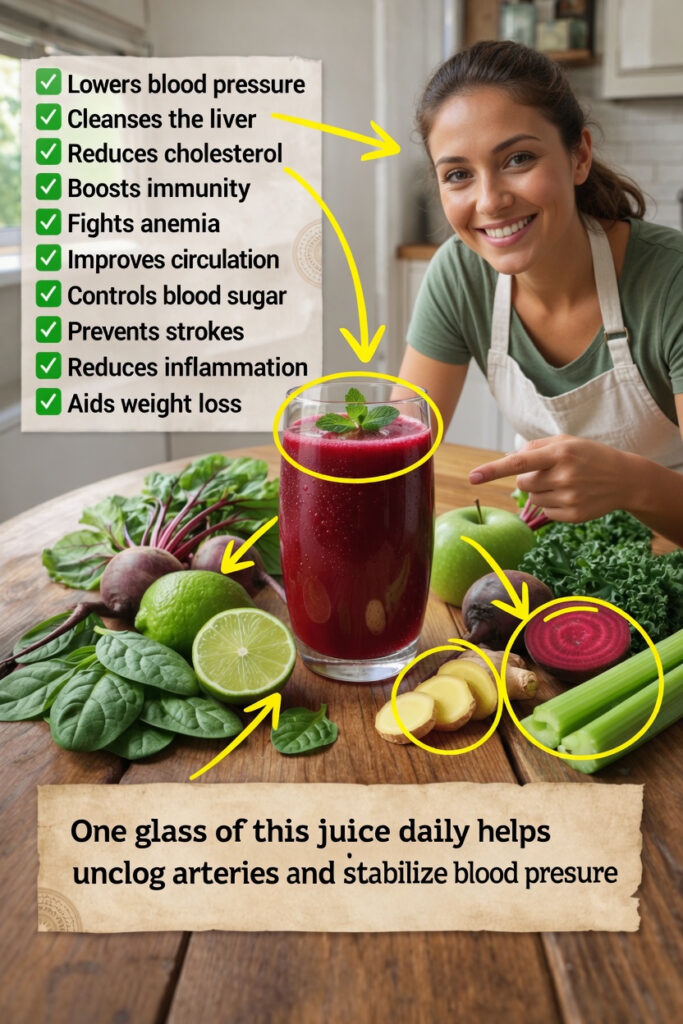
A Simple Beetroot Juice for Healthy Blood Pressure Support
Keeping blood pressure within a healthy range can be challenging, especially when busy schedules, stress, and everyday eating habits slowly take a toll. Over time, this may leave people feeling drained, worried about long-term heart health, and eager to find natural ways to support circulation and overall wellness.
One easy habit that has attracted growing interest is drinking fresh vegetable juice rich in nitrates, especially juice made with beetroot. These naturally occurring compounds may help support blood vessel function and healthy blood flow. Even better, this kind of drink is simple to prepare, refreshing to enjoy, and easy to include in a daily routine.
In this article, you’ll learn why beetroot juice is often discussed in connection with cardiovascular wellness, what ingredients can make it even more nutritious, and how to prepare a practical homemade version.
Why Beetroot Juice Is Often Linked to Heart Health
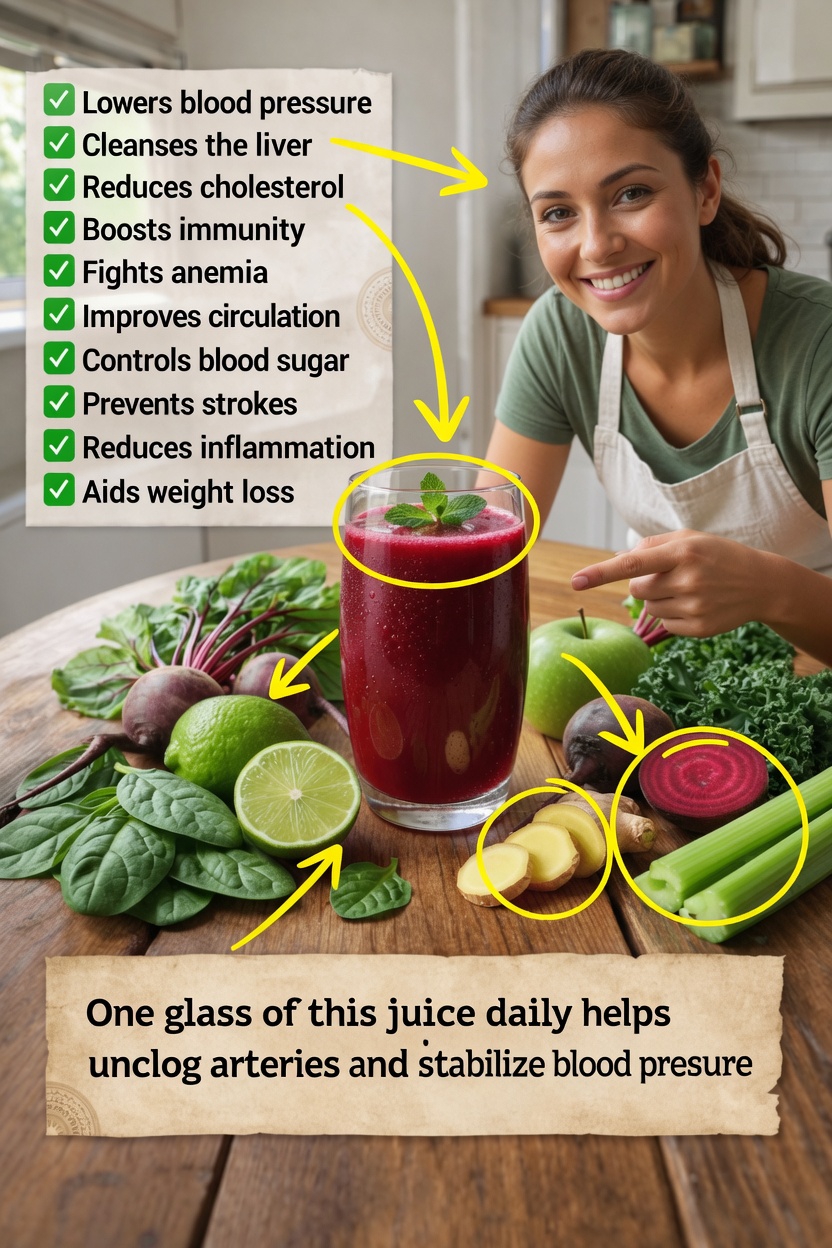
Beetroot has earned attention in nutrition and wellness conversations because it naturally contains inorganic nitrates. Once consumed, these nitrates can be converted by the body into nitric oxide, a compound involved in widening and relaxing blood vessels. This process may help support smoother circulation and healthy blood flow.
Clinical studies, including randomized trials and broader research reviews, have looked at whether beetroot juice can influence blood pressure. Some findings suggest that regular intake may produce modest improvements in systolic blood pressure, particularly in certain groups of people. A number of reviews have reported short-term benefits in clinical systolic readings, although results are not identical in every study or for every individual.
This growing interest also fits into a larger picture: diets rich in nitrate-containing vegetables such as beets and leafy greens are often associated with better cardiovascular health patterns overall.
What Makes This Juice So Nutritious
A well-made beetroot juice often includes several vegetables and fruits that each contribute important nutrients and wellness benefits.
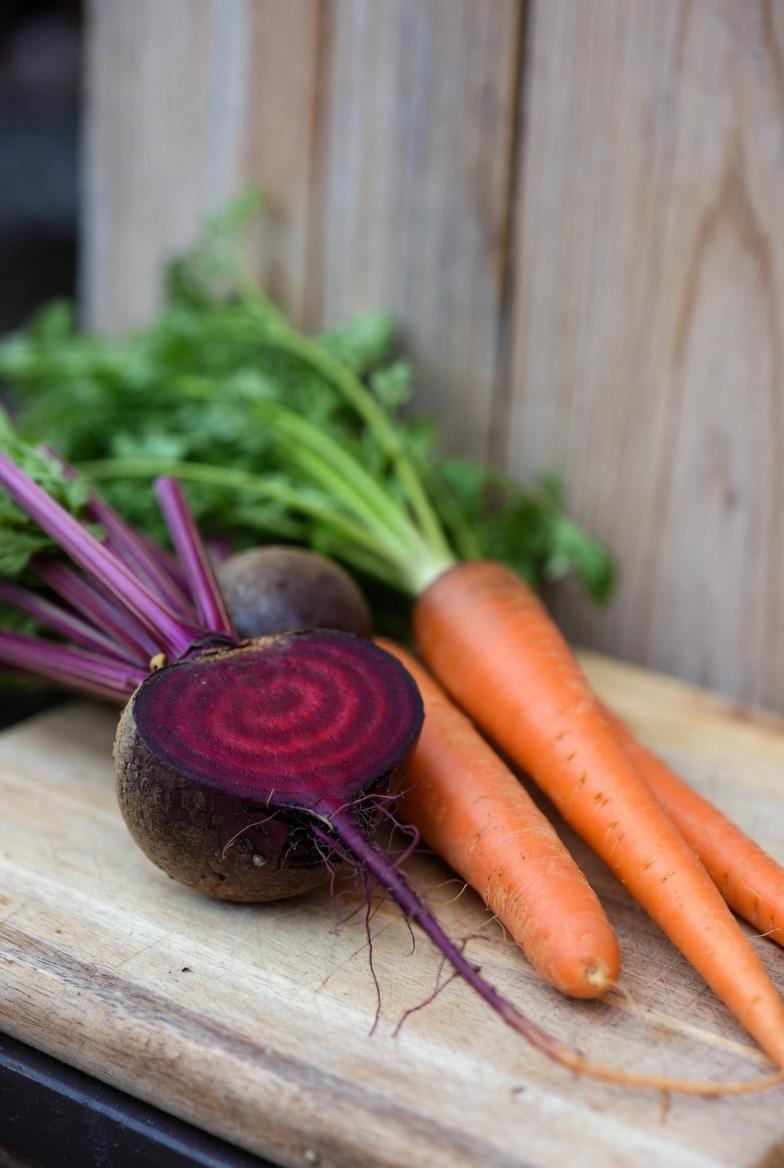
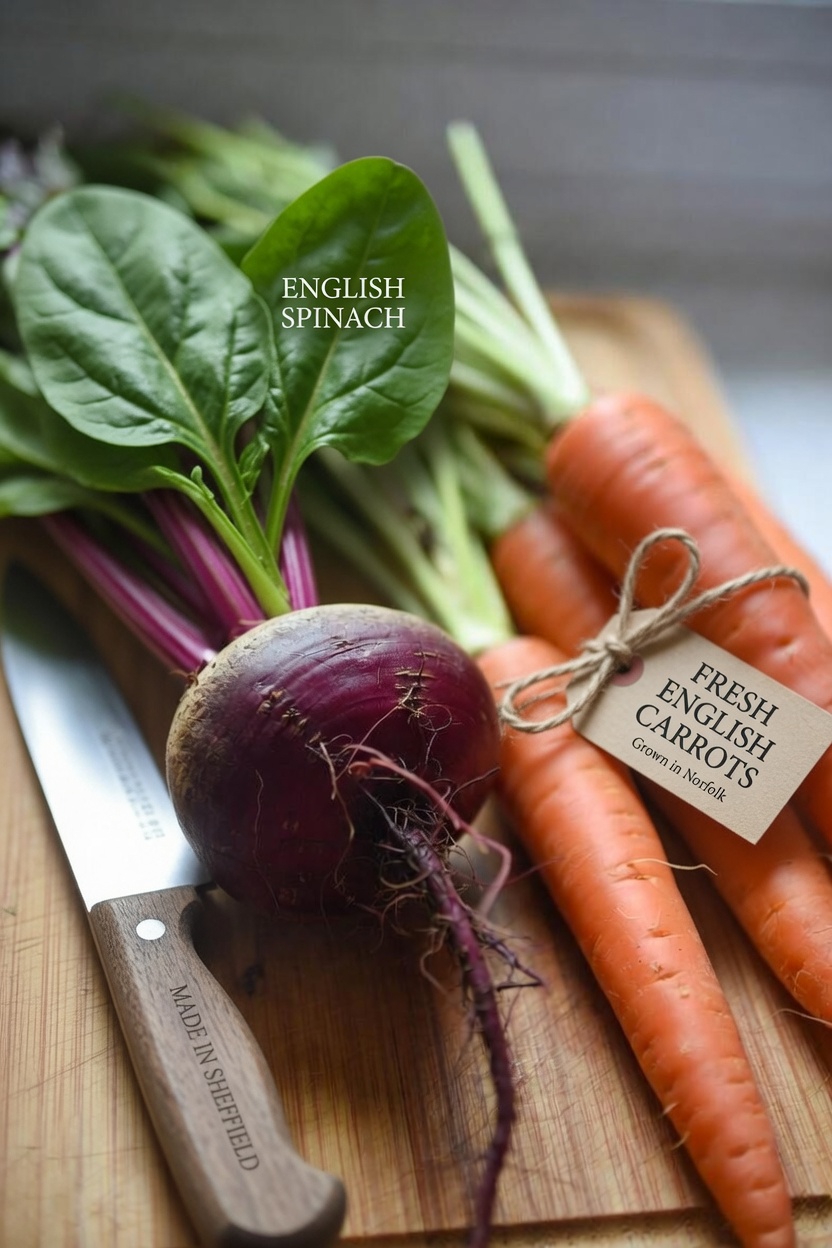
- Beetroot: A key source of nitrates that may encourage vascular relaxation and support circulation. It also contains betalains, antioxidant compounds that help the body deal with everyday oxidative stress.
- Carrots: Provide beta-carotene, potassium, and fiber, supporting general wellness and eye health.
- Apples: Add natural sweetness along with vitamin C and pectin, which may help digestive and immune function.
- Celery: Contains water, potassium, and mild diuretic properties often linked with fluid balance.
- Spinach: Supplies vitamins K and A, folate, and magnesium, all valuable for muscle, nerve, and cellular function.
- Ginger: Brings gingerol and other active compounds known for their anti-inflammatory qualities and digestive support.
- Lime: Adds a crisp citrus taste plus vitamin C, helping brighten flavor and improve nutrient appeal.
Together, these ingredients create a colorful, nutrient-packed drink that works well as part of a morning ritual or an afternoon refresh.
What Research Says About Beetroot Juice and Blood Pressure
A number of scientific studies have focused specifically on beetroot juice. In one placebo-controlled trial, people who drank nitrate-rich beet juice showed a short-term reduction in aortic systolic pressure about 30 minutes after consumption. Other studies lasting several weeks have also reported continued improvements in clinic-measured systolic pressure for some participants, including older adults and those with already elevated readings.
Meta-analyses combining results from multiple trials often show average systolic reductions of around 3 to 5 mmHg with ongoing use. However, the effect on diastolic blood pressure has been less consistent. Researchers also note that outcomes depend on several factors, including:
- Baseline health status
- The amount consumed
- Frequency of intake
- Duration of use
- Individual differences in response
Although the findings are encouraging, specialists generally agree that beetroot juice should be viewed as one helpful part of a broader healthy lifestyle, not a complete solution on its own.
Possible Benefits of Regular Nitrate-Rich Juice Intake
When consumed regularly as part of a balanced routine, juices rich in beetroot and other vegetables may offer supportive benefits such as:
- Helping maintain healthy blood vessel function through nitric oxide production
- Supporting circulation and oxygen delivery throughout the body
- Providing antioxidants that help the body manage inflammatory stress
- Supplying hydration and minerals like potassium for electrolyte balance
- Contributing to steady energy with natural sugars and essential vitamins
Many people also say they feel more refreshed and subtly more energized when they make this type of juice a consistent habit.
Easy Homemade Beetroot Juice Recipe
Preparing this juice at home is simple and does not require complicated equipment.
Ingredients
- 2 medium beets, peeled and chopped
- 3 to 4 carrots
- 1 green apple
- 1 handful of spinach
- 2 to 3 celery stalks
- 1 thumb-sized piece of fresh ginger
- Juice of 1 to 2 limes
Method
- Wash all produce thoroughly to remove dirt and residue.
- Cut the ingredients into smaller pieces if needed.
- If using a juicer, feed the ingredients through one at a time, alternating firmer vegetables for better extraction.
- If using a blender, chop everything more finely, add a small splash of water, and blend until smooth.
- Strain the blended mixture through a fine sieve or nut milk bag if you prefer a smoother juice.
- Stir in the lime juice at the end for a fresher taste and better color retention.
- Serve immediately for the best flavor and nutrient freshness.
A daily serving of about 8 to 12 ounces is commonly recommended. Many people prefer drinking it in the morning before breakfast or later in the day as a natural pick-me-up. If beetroot is new to your diet, begin with a smaller serving and see how your body responds.
Tips to Make It More Enjoyable and Easier to Maintain
Sticking with healthy habits becomes easier when the routine is practical and enjoyable. These tips can help:
- Drink it fresh: Freshly made juice is ideal, but if needed, you can store it in a sealed container in the refrigerator for up to 24 hours.
- Adjust the flavor: If beetroot tastes too earthy, increase the apple or lime for a sweeter, brighter balance.
- Pair it wisely: Enjoy it alongside a protein-rich breakfast to support more stable energy.
- Change it up: Swap greens occasionally or add cucumber for a lighter, more hydrating version.
The key is consistency. Small daily choices often matter more than trying to be perfect.
Frequently Asked Questions
Is beetroot juice right for everyone?
Most people can enjoy it without issue, but anyone taking blood pressure medication, dealing with kidney-related conditions, or prone to low blood pressure should speak with a healthcare professional first. Because nitrates may affect blood pressure readings, medical guidance is important in these cases.
How quickly can it make a difference?
Some studies suggest short-term effects may appear within hours after drinking nitrate-rich beet juice. Other benefits may become more noticeable only after several weeks of regular use. Results vary from person to person.
Can whole beets be used instead of juice?
Yes. Whole beets are a great option and provide fiber, which juice does not offer in the same amount. Juice, however, may deliver a more concentrated nitrate intake. Both can be valuable parts of a healthy diet.
Final Thoughts
Beetroot-based juice is a simple and enjoyable way to increase vegetable intake while adding nutrients that may support healthy blood flow and heart-conscious habits. Its combination of nitrates, antioxidants, vitamins, and minerals makes it a practical choice for people looking to strengthen their wellness routine naturally.
That said, this juice is not meant to diagnose, treat, cure, or prevent any disease. Results differ from one individual to another. If you have a medical condition or take prescription medications, consult a qualified healthcare professional before making major dietary changes. For the best long-term results, focus on a balanced diet, regular movement, and trusted medical guidance.