
Mobility After 75: Why Walking Alone May Not Be Enough
As people age, everyday walking often starts to feel less effortless than it once did. Joints may become stiff, balance can feel less reliable, and ordinary movements may require more energy. This is particularly common after age 75, when natural changes in muscle strength, bone density, and joint mobility become more noticeable.
The encouraging news is that there are gentle and effective ways to support better movement and daily comfort. For many older adults, the best solution is not replacing walking entirely, but adding other forms of low-impact movement that offer broader support.
How the Body Changes After Age 75
With advancing age, the body naturally goes through several physical changes. Muscle mass tends to decline, joints may lose some cushioning, and recovery can take longer after activity. Walking is still one of the simplest and most accessible forms of exercise, but for many adults over 75, it may not fully support the muscles needed for daily tasks such as standing up from a chair, climbing stairs, or staying steady while moving around the home.
Research on physical activity in older adults suggests that a mix of gentle exercise types often works better than relying on only one. Combining light cardio with strength training, balance work, and flexibility exercises may help preserve independence for longer.

Why Walking by Itself May Fall Short
Many seniors notice the same pattern: they complete a daily walk, yet their knees, hips, or lower back still feel tight afterward. This is not unusual. Walking mainly involves forward motion and repeats the same muscle patterns again and again.
Over time, that means some important muscles may not get enough attention, especially those responsible for posture, core support, balance, and protecting the joints. After 75, movement needs often shift toward exercises that improve functional strength and stability, not just endurance.
That is why many health professionals now encourage a more balanced routine.
What Orthopedic Experts Often Recommend
A growing number of specialists suggest low-impact exercises that engage multiple muscle groups at once. One increasingly popular option is gentle strength training that can be performed at home with little or no equipment. These movements can support joint function, improve mobility, and reduce unnecessary strain on the body.
In addition, many older adults benefit from adding short stretching and balance sessions to their daily routine. Even a few minutes a day can help the body feel looser, steadier, and more refreshed.
Gentle Strength Exercises for Better Mobility
If you want to support movement after 75, these simple at-home exercises can be a helpful starting point. Move slowly and pay attention to how your body feels.
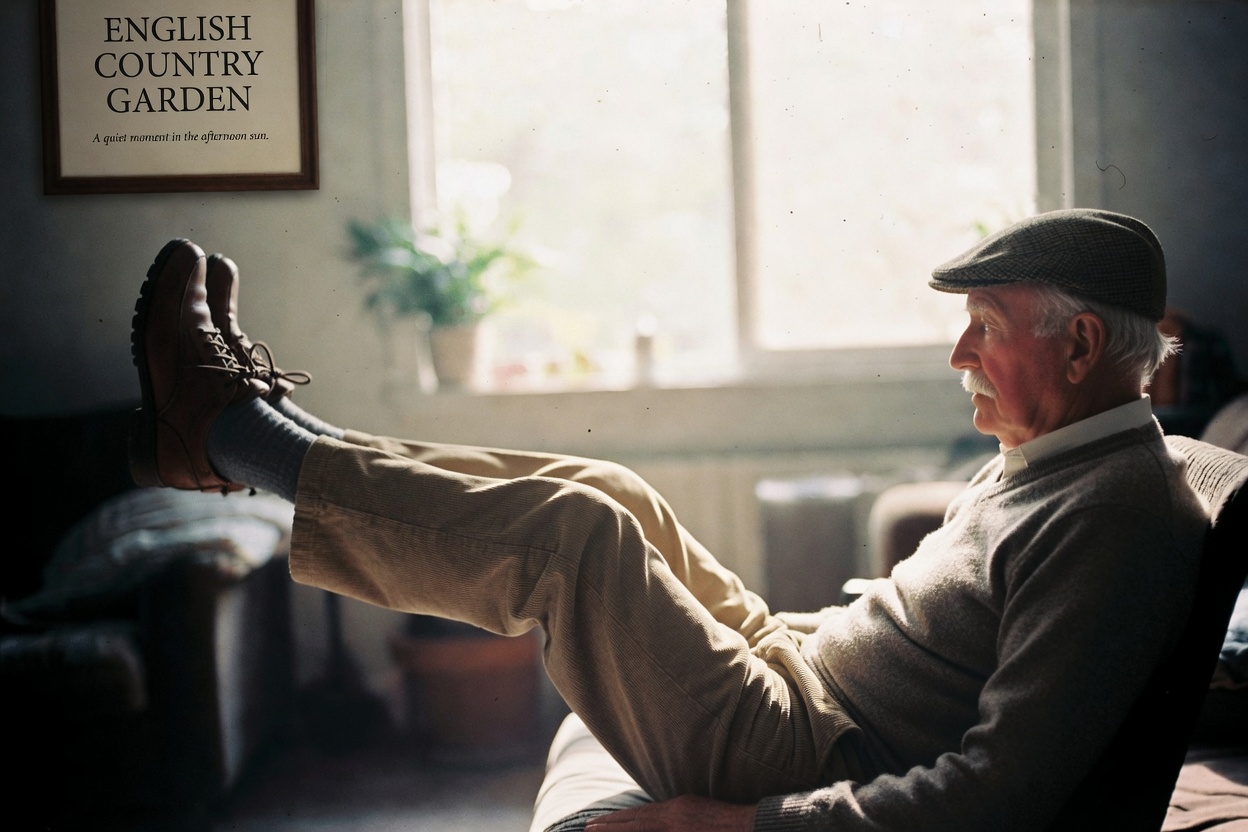
1. Seated Leg Lifts
Sit in a sturdy chair with your back supported. Slowly extend one leg straight in front of you, hold briefly, and lower it back down.
- Repeat 8 to 10 times on each leg
- Helps strengthen muscles around the knees and hips
2. Wall Push-Ups
Stand facing a wall with your hands placed about shoulder-width apart. Bend your elbows gently as you lean toward the wall, then press yourself back.
- Aim for 8 to 12 repetitions
- Supports upper-body strength and posture
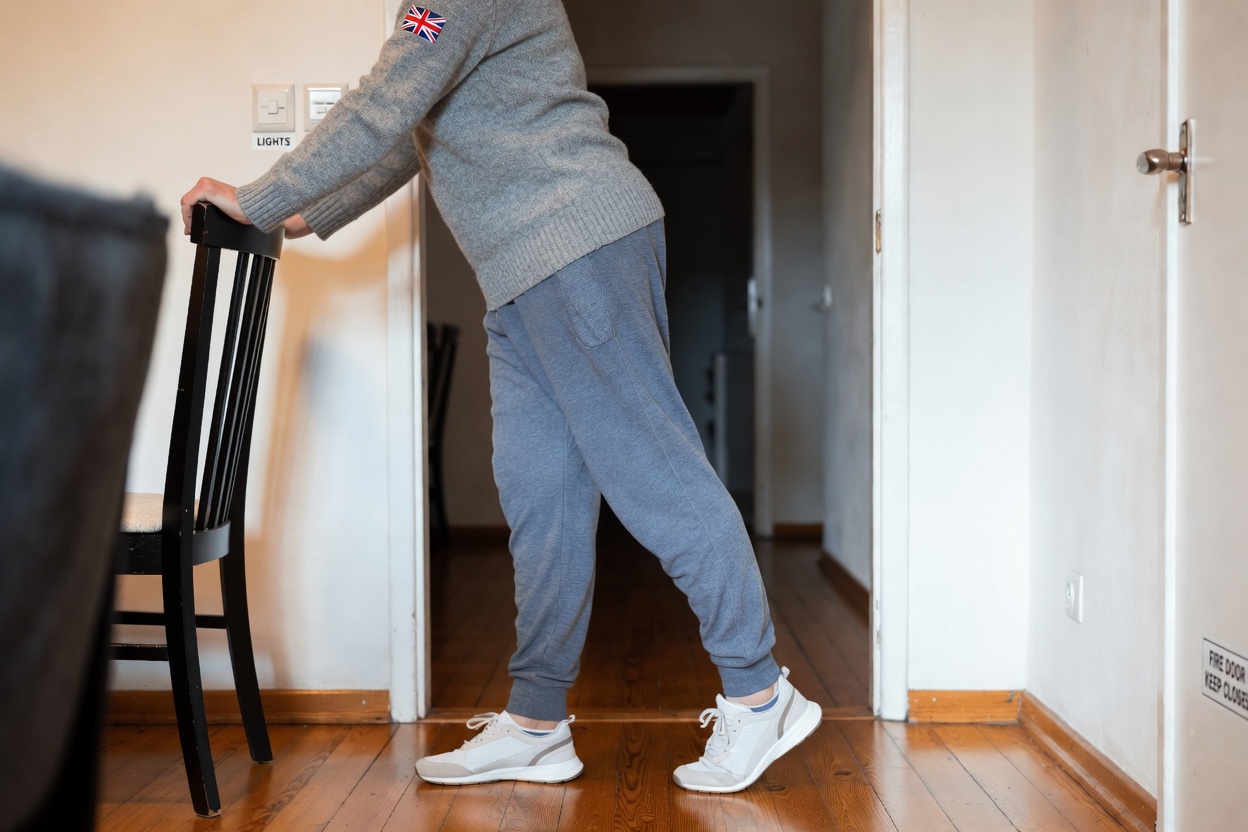
3. Heel-to-Toe Walk
Walk in a straight line, placing the heel of one foot directly in front of the toes of the other foot. Use a wall or chair for support if needed.
- Try 10 to 20 steps
- Improves coordination and balance
4. Chair Squats
Stand in front of a chair as though you are about to sit down. Lower yourself slowly until you lightly touch the seat, then stand back up.
- Repeat 6 to 10 times
- Builds leg strength for daily activities like sitting and standing
These exercises are generally joint-friendly and can be modified depending on comfort and ability.
Daily Habits Also Matter
Exercise is only one part of staying mobile after 75. Everyday habits also influence how the body feels and functions.
Helpful habits include:
- Drinking enough water
- Eating nutrient-dense foods that support muscle and bone health
- Getting adequate rest
- Taking short movement breaks throughout the day
Some studies involving older adults suggest that brief activity sessions spread across the day can be just as meaningful as longer workouts when it comes to maintaining comfort, mobility, and energy.
A Simple Balance and Flexibility Routine
This easy routine can be done on most days of the week and takes less than 10 minutes.
- Start with 2 to 3 minutes of gentle marching in place while holding a stable surface.
- Do 5 to 8 seated leg lifts on each side.
- Complete 8 wall push-ups.
- Stand on one leg for 30 seconds per side, using a chair for safety if needed.
- Finish with slow neck rolls and shoulder shrugs to ease tension.
One of the biggest advantages of this routine is its convenience. It can be done at home while listening to music or even watching television.
Walking vs. Targeted Gentle Exercise
Many people ask whether these exercises are really better than walking. The answer is not that one is good and the other is bad. Instead, each offers different benefits.
Walking
- Supports heart health
- Provides light cardiovascular activity
- Can improve mood and daily energy
- May not fully address weakness, posture, or balance issues
Targeted Gentle Movement
- Strengthens muscles that support daily tasks
- Improves stability and coordination
- Helps support joints more effectively
- Can reduce reliance on repetitive movement patterns
The Best Approach: Combine Both
Many experts recommend pairing short walks with basic strength and balance work. This combined strategy may offer more complete support for mobility, comfort, and long-term independence.
How Much Movement Is Recommended After 75?
Consistency matters more than intensity. General guidelines for older adults often suggest around 150 minutes of moderate activity per week, but that time can be divided into shorter, more manageable sessions.
The most important goal is to choose movement that feels safe, sustainable, and realistic for your lifestyle. Even a few minutes at a time can make a difference when done regularly.
If you have existing health concerns, pain, or medical conditions, it is wise to speak with a healthcare provider before beginning a new routine.
What Progress Really Looks Like
Improvements usually happen gradually rather than instantly. Many seniors begin noticing small but meaningful changes after a few weeks of regular movement. Standing up may feel easier, balance may improve, and daily tasks may become less tiring.
These small gains can build confidence over time. The purpose is not to achieve perfect fitness, but to support comfort, independence, and better quality of life as the years go on.
Frequently Asked Questions
Is walking still beneficial for people over 75?
Yes. Walking remains a valuable activity for heart health, circulation, and emotional well-being. The key idea is not to stop walking, but to add strength, balance, and flexibility work for more complete support.
Can these exercises be done with joint discomfort?
In many cases, yes. These movements can often be adjusted to be gentler. Start with fewer repetitions and move in a slow, controlled way. If you feel sharp pain, stop and consult your doctor.
When might results become noticeable?
Everyone responds differently, but many older adults report feeling more comfortable with daily tasks after about 4 to 6 weeks of steady practice. Patience and consistency are essential.
Final Thoughts
Staying active after 75 does not need to be complicated. A routine that blends walking with simple strength and balance exercises can help support mobility and make everyday life feel easier. For many seniors, small steps taken consistently lead to the most meaningful long-term results.