
Why Colon Health Matters
Your colon is essential for moving waste through the body and helping with the final stages of nutrient and water balance. When digestion slows, many people experience heaviness, irregularity, or the feeling that their system is not clearing efficiently. Research consistently shows that eating enough fiber from whole foods supports healthy bowel transit and helps maintain a well-balanced gut environment.
The good news is that major improvements often come from small habits practiced regularly. Evidence suggests that soluble fiber is especially helpful because it holds water, softens stool, and makes elimination easier.

Fiber and Digestion: Why It Works
Fiber is one of the most effective natural tools for supporting colon wellness. It comes in two primary forms, and both contribute in different ways.
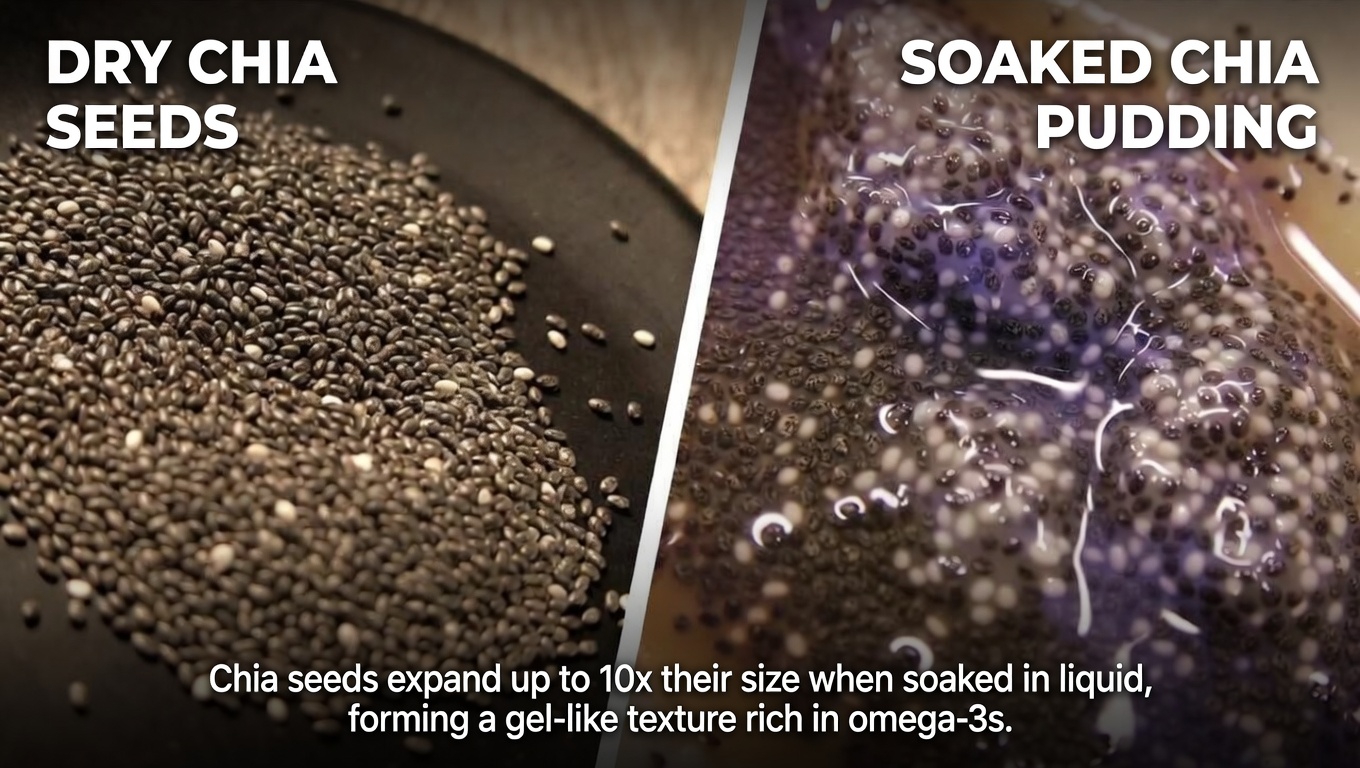
- Soluble fiber absorbs water and forms a soft, gel-like texture in the digestive tract. This can help regulate bowel movements and nourish beneficial gut bacteria.
- Insoluble fiber adds bulk to stool and helps move waste through the intestines more efficiently.
Many traditional eating patterns linked to long life emphasize plant foods that naturally contain both types of fiber. Seeds, fruits, vegetables, legumes, and whole grains are often central to these diets. Chia seeds, in particular, have become popular around the world because they are nutrient-dense and rich in fiber.
Using these foods together in a balanced way can improve day-to-day digestive comfort.
A Simple Morning Fiber Drink for Regularity
Inspired by gentle wellness habits often discussed in longevity-focused lifestyles, one easy practice is to take a spoonful of fiber-rich seeds mixed into water or a light drink base first thing in the morning.
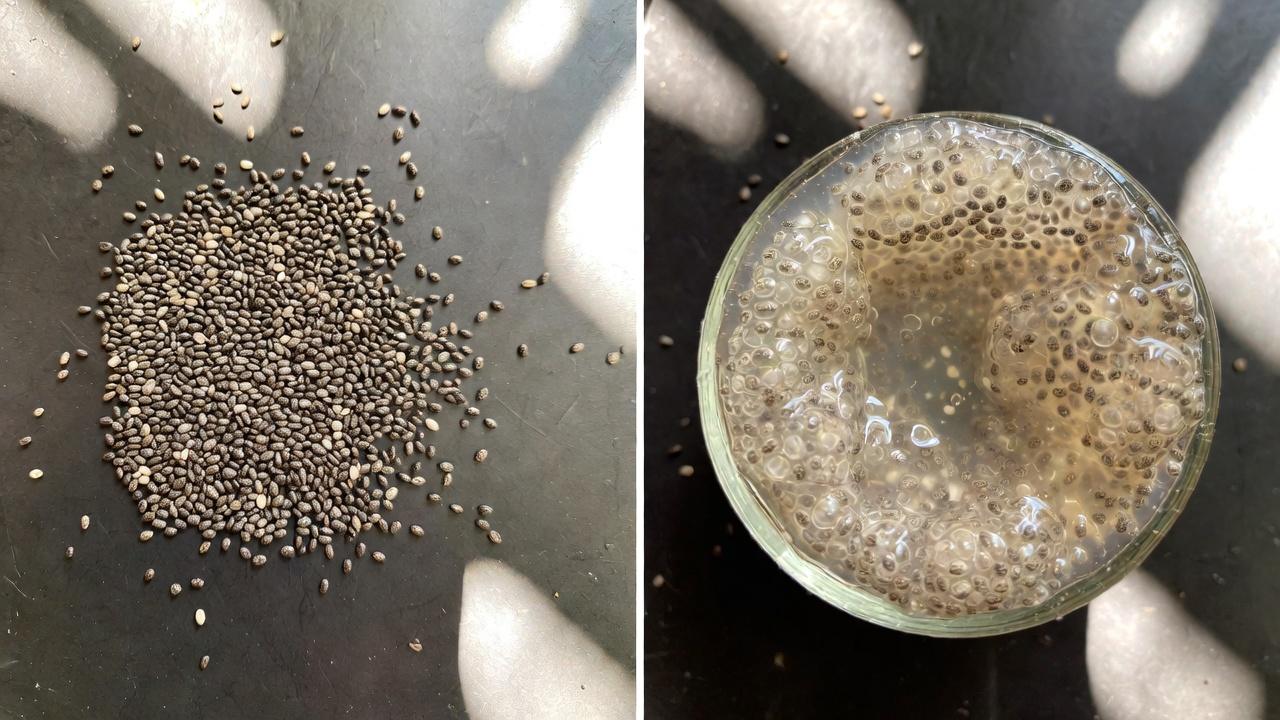
As the seeds absorb liquid, they create a soothing gel that may help encourage natural bowel movement for some people within a relatively short period.
Here is a simple version to try:
- Add 1 tablespoon of chia seeds to a glass. If you want variety, you can also use ground flaxseed or psyllium husk.
- Pour in 8 to 12 ounces of warm water or herbal tea. Avoid very hot liquids.
- Stir thoroughly and let it rest for 5 to 10 minutes so the mixture thickens.
- Drink it slowly, ideally in the morning on an empty stomach.
- Continue drinking plain water throughout the day to support hydration.
This habit is not meant to produce dramatic overnight changes. Its value comes from steady support over time, especially when combined with balanced meals and other healthy routines.
Why This Habit May Help
General nutrition research points to several benefits of a simple seed-based fiber drink:
- Good soluble fiber content: Chia seeds provide about 5 grams of fiber per tablespoon.
- Improved hydration support: Water is essential for keeping stool soft and easier to pass.
- Potential microbiome benefits: Fiber may act in a prebiotic-like way by helping beneficial gut bacteria thrive.
- Quick and convenient: No blender or special tools are required.
If you are not used to a high-fiber diet, begin with a small amount and increase gradually. This helps reduce the chance of temporary bloating or discomfort.
More Foods That Support Colon Wellness Naturally
One morning drink can be helpful, but long-term digestive health depends on your overall eating pattern. Building meals around fiber-rich foods is one of the best ways to support regularity and colon function.
Here are some excellent choices:
- Fruits: Apples, pears, and berries provide pectin and other fibers that support gentle digestion.
- Vegetables: Broccoli, carrots, and leafy greens offer insoluble fiber that adds bulk.
- Whole grains: Oats and quinoa help with digestive support while also providing lasting energy.
- Legumes: Beans and lentils supply both soluble and insoluble fiber, along with plant protein.
- Nuts and seeds: Almonds, walnuts, flaxseeds, and chia seeds add healthy fats and useful fiber in small portions.
Quick Fiber Comparison
| Food | Main Fiber Type | Approx. Fiber per Serving | Simple Way to Use It |
|---|---|---|---|
| Chia seeds | Mostly soluble | 10g per 2 tbsp | Mix into water or yogurt |
| Oats | Soluble (beta-glucan) | 4g per 1/2 cup cooked | Make porridge for breakfast |
| Apple with skin | Soluble and insoluble | 4g per medium apple | Eat as a snack or blend into smoothies |
| Broccoli | Mostly insoluble | 5g per cup cooked | Steam and serve as a side |
| Lentils | Both types | 8g per 1/2 cup cooked | Add to soups or salads |
Including 2 to 3 of these foods each day can help many adults move closer to the recommended 25 to 30 grams of daily fiber.
How to Build Better Digestive Habits Step by Step
If you want a practical routine, start with these simple actions:
- Hydrate early: Drink a full glass of water after waking up to help activate digestion.
- Add a fiber boost: Prepare the seed drink described above.
- Increase fiber gradually: Add one extra fiber-rich food to each meal, such as oats at breakfast or fruit as a snack.
- Move your body: A short walk after meals can support natural intestinal movement.
- Pay attention to your response: Notice how your body feels and adjust portions slowly.
The biggest benefits usually come from consistency over time rather than quick fixes.
Common Questions About Colon Support
How much fiber do I need each day?
Most health authorities recommend about 25 to 38 grams daily, depending on age, sex, and overall needs. It is best to increase intake slowly so your digestive system can adapt.
Can I drink a seed-based fiber mixture every day?
For many healthy adults, daily use is generally fine when started in small amounts and paired with enough water. However, if you have digestive conditions such as IBS, or if you take medication, speak with a healthcare professional first.
Can this replace medical care?
No. These habits are meant to support digestive wellness, not replace professional evaluation. If you have ongoing discomfort, pain, or noticeable changes in bowel habits, consult your doctor.
Final Thoughts
Supporting your colon does not require extreme cleanses or complicated routines. In many cases, the most effective approach is also the simplest: eat more fiber-rich foods, stay hydrated, and keep moving. These gentle habits, echoed in many traditional wellness practices and long-living cultures, can gradually improve comfort and everyday vitality.
Because every person responds differently, it is important to observe what works best for your own body and make adjustments over time.