
A Common Hygiene Habit Older Women May Want to Stop
As women get older, normal physical changes can bring unexpected shifts in comfort, moisture, and personal scent. For many, these changes feel frustrating, especially when they continue despite careful hygiene habits. It can even affect confidence in everyday situations, from getting dressed in the morning to spending time with family or a partner.
What surprises many women is that one long-standing routine, often believed to improve cleanliness, may actually disturb the body’s natural balance and make odor more noticeable over time.
The encouraging news is that once you understand this habit and replace it with what gynecologists actually advise, feeling fresher can become much easier. There is no need for complicated products or major lifestyle changes—just a gentler, smarter approach.
Why Intimate Balance Changes After Menopause
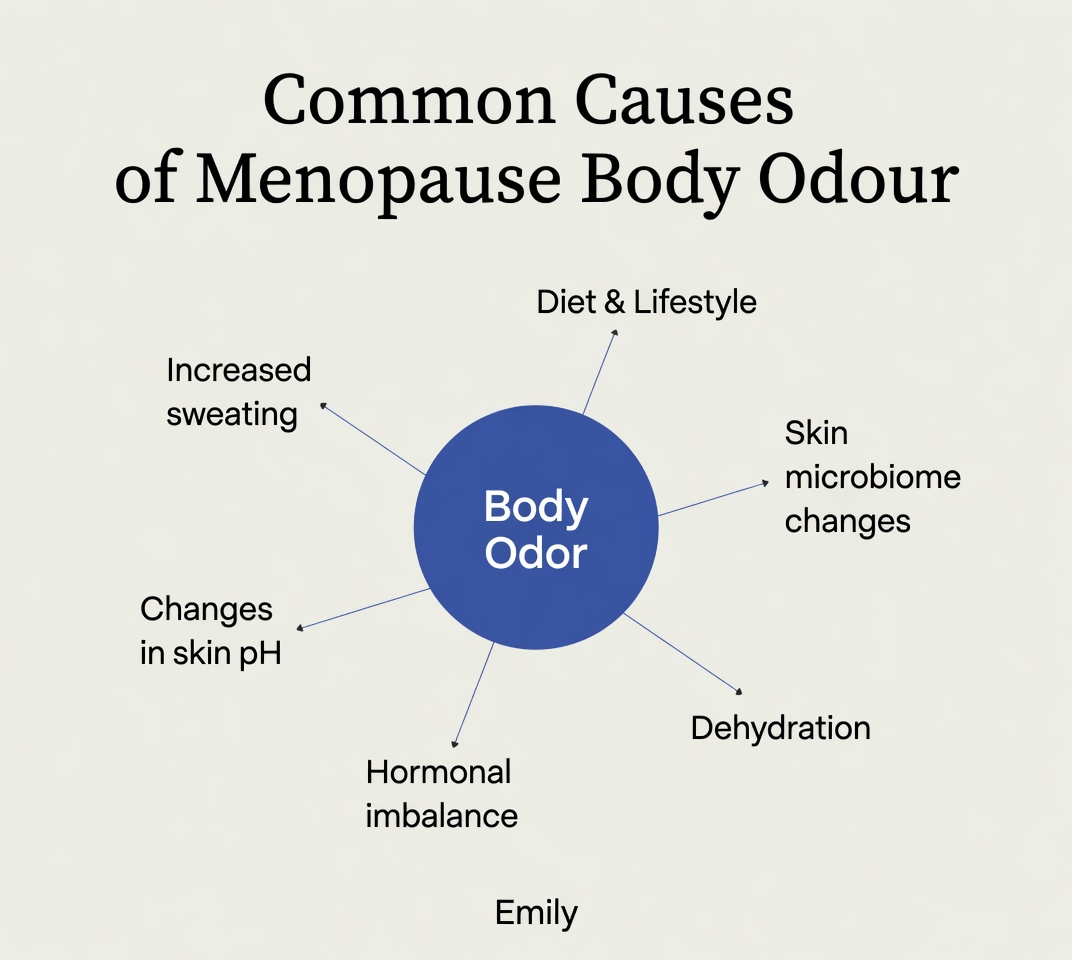
After menopause, hormone levels naturally shift. One of the biggest changes is the drop in estrogen, which affects the vaginal environment and makes its pH less acidic than before. Even though this sounds minor, it can influence how well the area maintains its healthy balance.
As a result, the intimate area may become more sensitive to everyday factors that disrupt the helpful bacteria responsible for comfort and freshness. Many women begin to notice this in their 50s and beyond, and it is a completely normal part of aging.
The good part is that small changes in daily habits can go a long way toward improving how you feel.
The One Habit Gynecologists Say to Reconsider
The habit many experts urge older women to avoid is douching.
Douching means rinsing inside the vagina with water or liquid mixtures marketed as cleansing solutions. For years, it was promoted as a way to feel cleaner and smell fresher, and many women adopted the practice because of advice from older generations or outdated advertising.
However, gynecologists have warned for decades that douching is unnecessary and can actually do more harm than good. Medical organizations such as the American College of Obstetricians and Gynecologists have explained that douching can remove beneficial bacteria that help protect the vaginal environment.
When those good bacteria are reduced, other microorganisms can grow more easily. This may increase odor, irritation, and general discomfort rather than improving them.
In many cases, simply stopping this one practice can be one of the easiest ways to support natural balance.
How Douching Can Make Things Worse
The vagina is self-cleaning by nature. It does not require internal washing to stay healthy. When internal rinsing is added, especially after menopause, it can quickly upset the natural environment.
This extra step may:
- Wash away protective bacteria
- Disturb normal pH balance
- Increase sensitivity
- Make odor more noticeable
- Lead to a feeling of dryness or irritation
Because the body is already adapting to hormonal changes after menopause, these disruptions may feel more obvious than they did earlier in life. Many women find that after they stop douching, comfort improves within a few weeks.
For some, the biggest surprise is realizing that doing less can actually help more.
Signs Your Routine May Need a Gentle Reset
Your body often gives subtle clues when your hygiene habits are too harsh. Watch for these common signs:
- A stronger daily scent that seems to linger
- Mild irritation or sensitivity
- Feeling less fresh even after bathing
- More discharge than you used to notice
- Occasional discomfort during normal daily activities
These symptoms do not always mean something is seriously wrong, but they can suggest that your current routine is interfering with your natural balance.

Simple Daily Habits That Can Help You Feel Fresher
You do not need expensive feminine products or a complicated wellness plan. A few gentle adjustments can make a meaningful difference.
Try these steps:
- Wash only the outside area with plain warm water during your shower or bath.
- Avoid all internal rinsing, including douching and homemade cleansing mixtures.
- Dry gently with a clean towel by patting, not rubbing.
- Wear breathable cotton underwear and change it every day.
- Skip scented products such as sprays, powders, wipes, and perfumed washes in the intimate area.
These habits support the body’s own natural cleaning process and are widely recommended by women’s health experts, especially after menopause.
Better Alternatives to Harsh Feminine Hygiene Products
Many women feel better when they replace strong cleansing habits with simpler, gentler choices.
| Current Habit | Possible Effect on Natural Balance | Better Everyday Option |
|---|---|---|
| Internal rinsing or douching | Removes healthy protective bacteria | Clean the external area only with warm water |
| Scented soaps or intimate gels | Can irritate delicate skin | Use mild, fragrance-free soap only on outer areas if needed |
| Feminine sprays or wipes | May disrupt natural pH | Stick to water and breathable clothing |
| Daily panty liners | Can trap moisture | Change underwear regularly instead |
Making these swaps can help many older women feel more comfortable without adding effort to their routine.
Why Cotton Underwear and Loose Clothing Matter
Clothing choices can affect freshness more than many people realize. After menopause, the intimate area may be more easily irritated by trapped heat and moisture.
Cotton underwear allows better airflow and helps keep the area drier. In contrast, synthetic fabrics often hold in warmth and dampness, which can contribute to odor and discomfort.
Wearing looser pants or skirts may also help by reducing friction and improving ventilation. Even a short trial—just one week in cotton underwear and more breathable clothing—can make a noticeable difference for some women.
Lifestyle Habits That Support Intimate Health
Everyday wellness choices can also help maintain better balance.
Helpful habits include:
- Drinking enough water to support healthy moisture levels throughout the body
- Eating probiotic-rich foods, such as plain yogurt, to encourage beneficial bacteria
- Staying active with gentle exercise like walking to support circulation
- Choosing simple routines instead of overusing personal care products
While these habits are not a cure-all, they can support overall intimate comfort from the inside out.
The Gentle Change More Women Are Making
A growing number of older women are discovering that the best solution is often the simplest one: stop interfering with the body’s natural cleaning process.
By giving up douching and using only gentle external care, many report feeling fresher, more comfortable, and more confident in a short period of time.
This approach works with the body rather than against it, which is especially important after menopause.
A Simple Path to More Daily Confidence
Rethinking one outdated hygiene habit can make a real difference in everyday comfort. When you choose gentle external cleansing, breathable fabrics, and supportive lifestyle habits, you help your body maintain its natural balance more effectively.
These changes are easy to follow, low-cost, and realistic for daily life. Most importantly, they can help you spend less time worrying about discomfort and more time enjoying your day with confidence.
FAQ: Intimate Comfort After 50
Is it normal for personal scent to change with age?
Yes. Hormonal changes after menopause are natural and can affect scent, moisture, and sensitivity. These changes are common and do not automatically mean something is wrong.
How often should the intimate area be cleaned?
For most women, washing the external area once a day with plain warm water is enough. The vagina cleans itself internally, so internal washing is not necessary.
Can food and hydration affect intimate balance?
Yes. Staying hydrated and eating probiotic-rich foods like plain yogurt may help support the body’s overall balance, which some women notice in their day-to-day comfort.
Should I use feminine sprays, wipes, or powders?
In most cases, it is better to avoid them. Scented products can irritate sensitive skin and may interfere with natural pH balance.
When should I speak with a doctor?
If you notice persistent odor, itching, burning, unusual discharge, pain, or any sudden change that concerns you, it is best to consult a doctor or qualified healthcare provider.
Important Note
This article is for informational purposes only and should not replace professional medical advice. For personal concerns about intimate health, please speak with your doctor or another qualified healthcare professional.