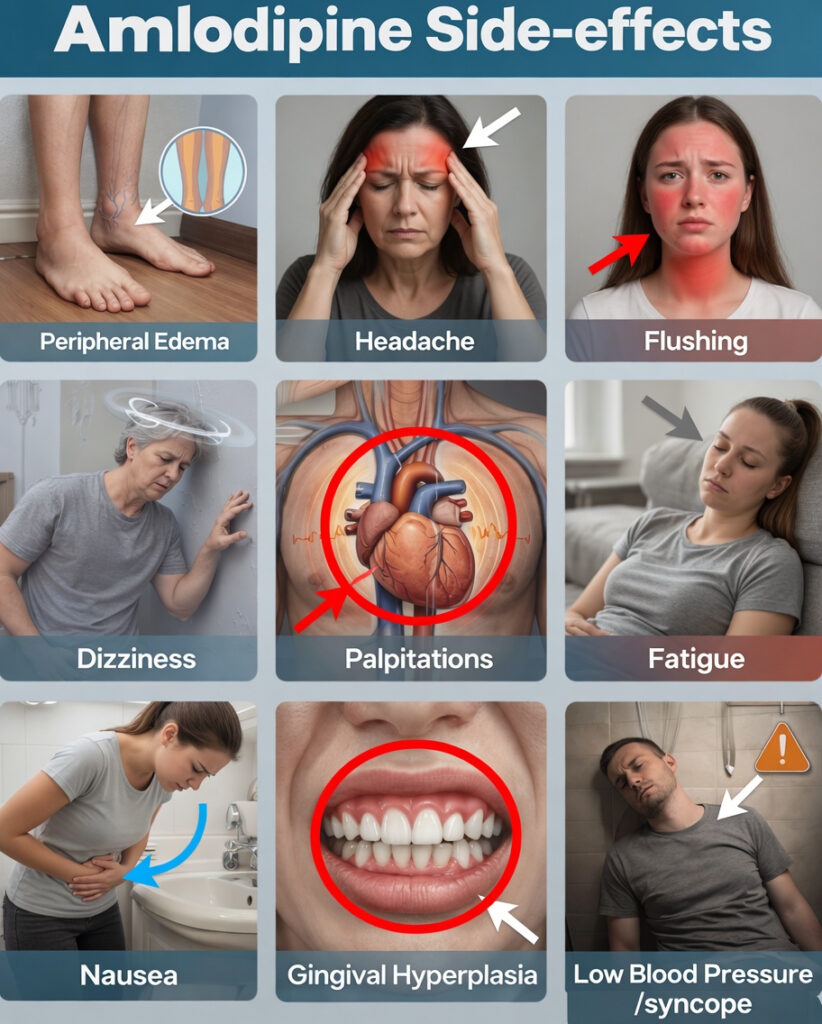
Amlodipine Side Effects: 12 Common Reactions and How to Manage Them
Many people use amlodipine to control high blood pressure, yet some notice unexpected physical changes after starting treatment. Swollen ankles or legs, sudden facial warmth, and unusual tiredness can feel uncomfortable and sometimes alarming. These effects may interfere with everyday activities, affect appearance, and even make patients question whether they should continue the medication their doctor recommended.
The good news is that these reactions are often understandable and, in many cases, manageable. This guide reviews the side effects most commonly linked to amlodipine based on clinical data and patient experience. It also highlights practical ways to reduce discomfort and work more effectively with your healthcare provider.
What Is Amlodipine and Why Can It Cause Side Effects?
Amlodipine belongs to a class of medicines called calcium channel blockers. It lowers blood pressure by relaxing and widening blood vessels, which improves circulation and reduces strain on the heart. This makes it a widely prescribed treatment for hypertension and some cardiovascular conditions.
Because amlodipine changes how blood vessels function, it can also trigger certain side effects. Information from trusted sources such as the NHS and Mayo Clinic shows that these reactions are often related to dosage and may become more noticeable at higher strengths. In many people, symptoms are mild and settle as the body adapts, but understanding them in advance helps patients respond appropriately.
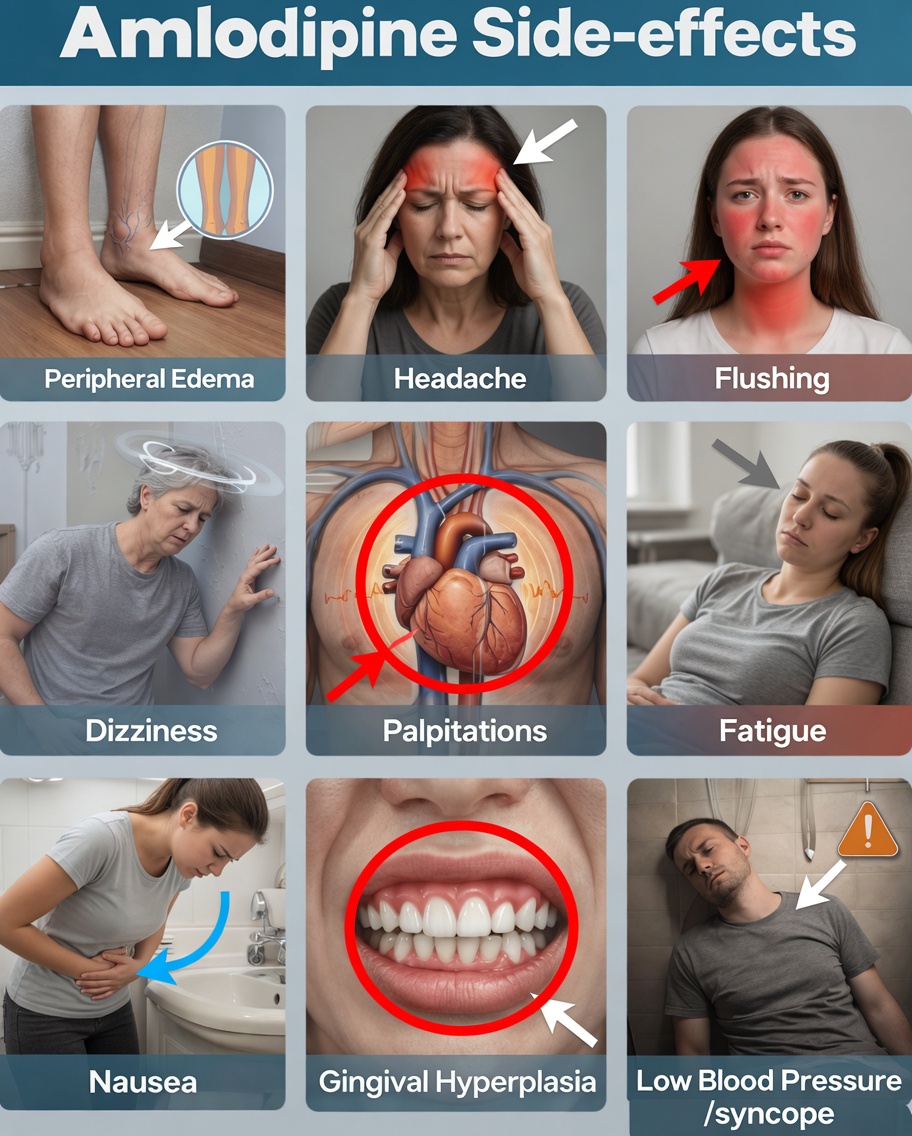
12 Common Side Effects of Amlodipine
Not everyone will experience side effects, and the intensity can differ from person to person. Still, the following reactions are among the most frequently reported.
-
Peripheral edema
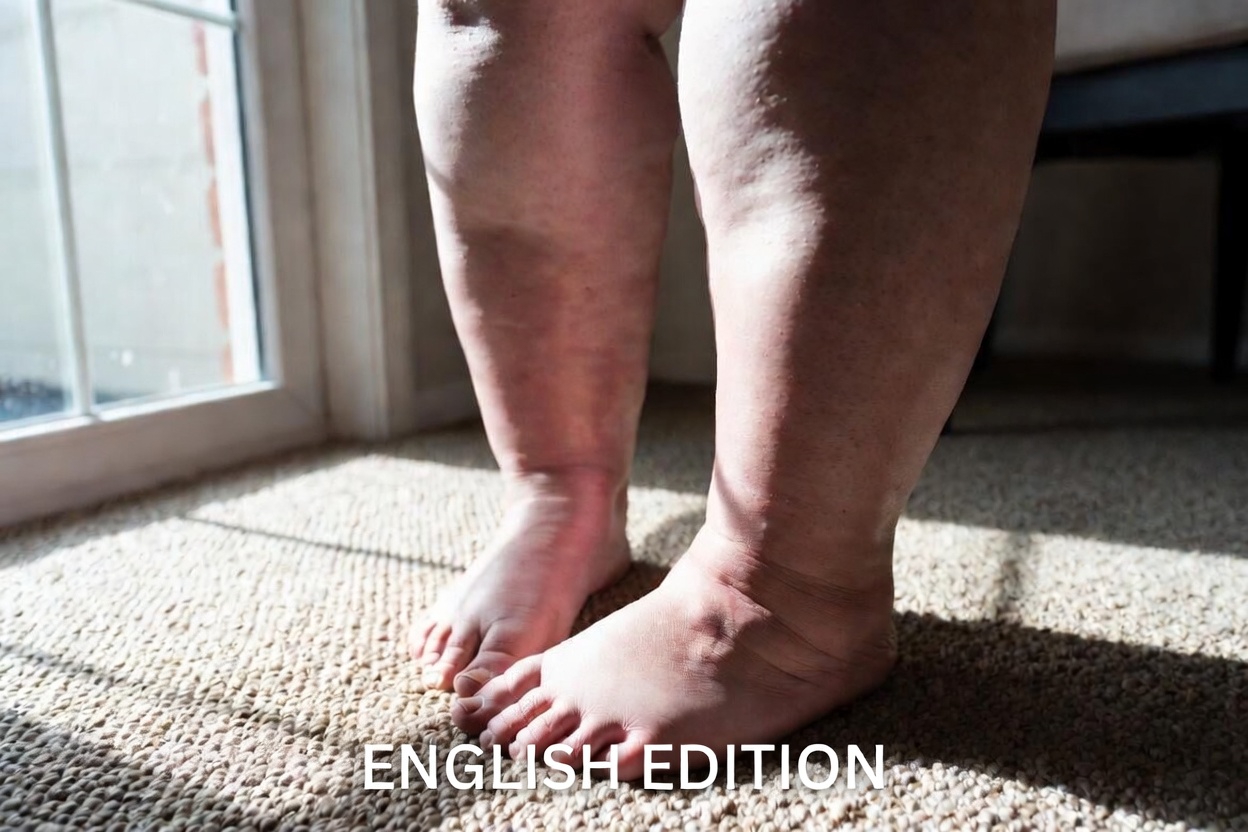
- Swelling in the feet, ankles, or lower legs is one of the best-known side effects.
- This happens because amlodipine widens arteries more than veins, allowing fluid to collect in nearby tissues.
- Studies suggest this may affect around 10% to 15% of users, especially at the 10 mg dose and more commonly in women.
-
Facial flushing
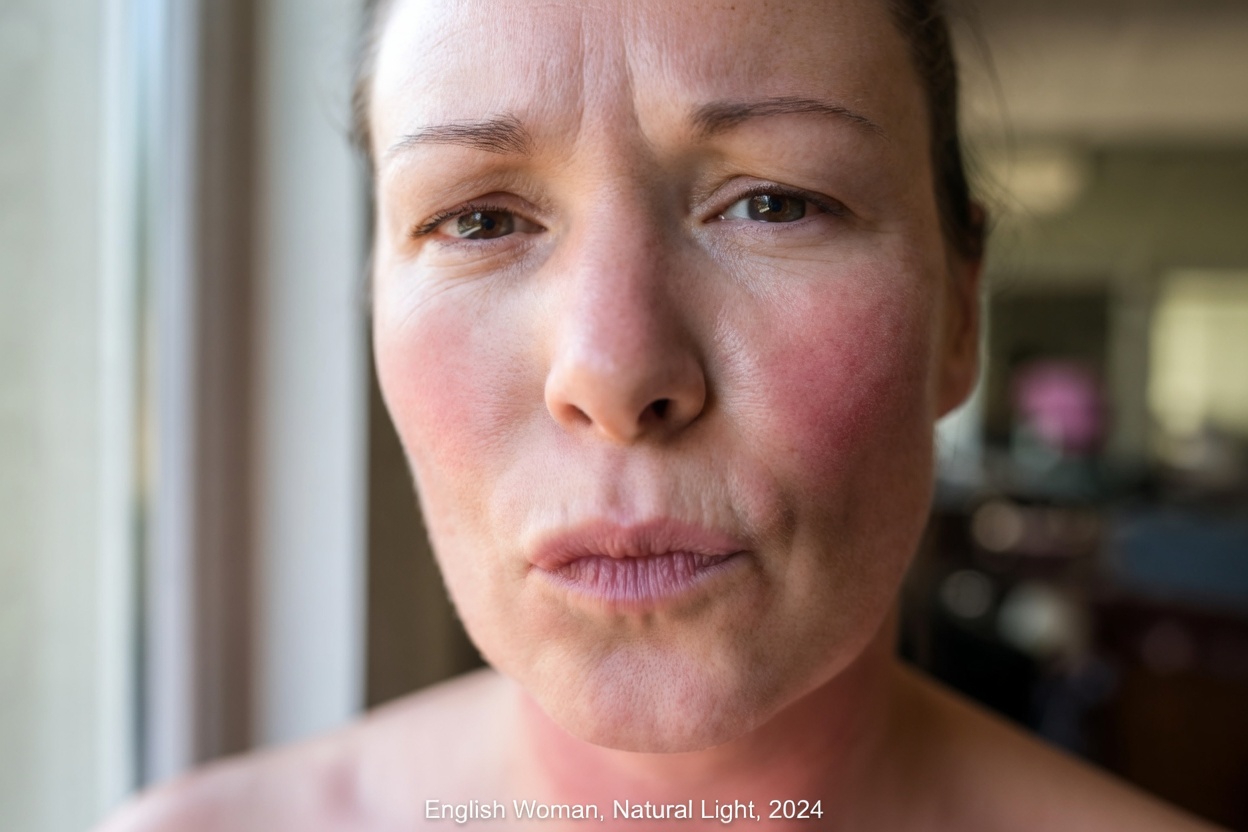
- Some people develop a sudden warm, red sensation in the face, neck, or upper chest.
- This is caused by blood vessel widening and is usually temporary.
-
Headaches
- Head pain may appear early in treatment as blood flow patterns change.
-
Dizziness or lightheadedness
- This can happen when standing up quickly because the medicine lowers blood pressure.
-
Fatigue or drowsiness
- Feeling more tired than usual is fairly common, especially when first starting the medication.
-
Palpitations
- Some patients notice a racing, pounding, or irregular heartbeat sensation.
-
Nausea or stomach upset
- Mild digestive discomfort may occur in some users.
-
Abdominal pain
- Cramping or pain in the stomach area has also been reported.
-
Digestive changes
- Constipation is more common, though some people may experience diarrhea.
-
Skin reactions
- Mild rash, itching, or skin irritation can occasionally develop.
- Gum swelling
- Known medically as gingival hyperplasia, this less common effect can cause gum overgrowth.
- Rare hormonal effects such as gynecomastia
- In rare cases, men may develop breast tissue enlargement, which has been mentioned in medical literature.
The chance and severity of these side effects may depend on several factors, including:
- Dosage
- How long the medicine has been taken
- Age
- Other health conditions
- Use of additional medications
Why Swelling Is So Common With Amlodipine
Among all side effects, peripheral edema often causes the most concern. Photos and patient stories frequently focus on swollen ankles or lower legs, but this type of swelling is usually related to the way amlodipine works rather than a sign of heart failure.
Amlodipine causes blood vessels to dilate, but the balance between arteries and veins can lead to fluid moving into surrounding tissue. Research has shown that combining amlodipine with certain other blood pressure medicines, such as ACE inhibitors or ARBs, may reduce this problem significantly.
Ways to Relieve Amlodipine-Related Swelling
The following steps may help improve comfort:
- Raise your legs above heart level for 15 to 30 minutes, several times daily
- Cut back on salt to reduce fluid retention
- Use compression stockings if your doctor recommends them
- Stay active with gentle walking or light movement to support circulation
- Ask your healthcare provider whether a dose adjustment or combination therapy is appropriate
When Swelling Needs Prompt Medical Attention
Contact your doctor quickly if swelling is:
- Severe
- Painful
- Paired with shortness of breath
- Accompanied by sudden weight gain
How to Manage Flushing and Facial Redness
Flushing can be frustrating because it may make the face look bright red and feel hot. Clinical experience and patient reports suggest that this problem often appears early in treatment and tends to fade over time.
Helpful Tips for Flushing
- Avoid triggers such as:
- Spicy foods
- Alcohol
- Hot drinks
- Keep the room cool
- Use a fan if needed
- Drink enough water throughout the day
For most people, flushing is manageable and does not require stopping amlodipine.
Other Notable Side Effects and What You Can Do
Headaches and dizziness often improve within the first one to two weeks. During that adjustment period, it can help to:
- Rest when symptoms appear
- Stay well hydrated
- Rise slowly from sitting or lying down positions
If fatigue becomes an issue, these habits may help:
- Keep a regular sleep schedule
- Include light physical activity
- Avoid overexertion until your body adjusts
Palpitations can feel unsettling, but mild cases are often not dangerous. Still, any heart-related symptom should be monitored carefully and discussed with a healthcare professional.
When to Contact a Doctor About Amlodipine Side Effects
Many side effects are predictable and manageable, but some situations need medical review. Seek advice if you experience:
- Symptoms that continue beyond a few weeks
- Side effects that get worse instead of better
- Severe dizziness
- Fainting
- Chest pain
- Trouble breathing
- Allergic reactions, including hives or facial swelling
- Any unusual symptom that causes concern
Knowing when to ask for help can make treatment feel much safer and more manageable.
Practical Tips for Taking Amlodipine More Comfortably
In addition to treating specific symptoms, these general habits can improve how well you tolerate the medication:
- Take amlodipine at the same time every day
- Keep a symptom diary to identify patterns and share them with your doctor
- Attend regular check-ups to monitor blood pressure and treatment response
- Follow a heart-healthy lifestyle with balanced nutrition and appropriate exercise
Research consistently shows that strong communication with the prescribing doctor leads to better results. In some cases, if side effects become difficult to tolerate, your healthcare provider may recommend changing the dose or switching to another treatment.
Conclusion
Amlodipine remains a valuable medication for many people living with high blood pressure. Still, knowing the possible side effects allows patients to take a more active role in their care. By recognizing these 12 common reactions and using practical strategies to manage them, you can work more confidently with your healthcare team.
The most important point is simple: side effects do not affect everyone in the same way, and many can be reduced with the right approach.
FAQ
1. Does amlodipine swelling go away on its own?
In some people, mild swelling improves as the body adjusts or after making lifestyle changes. However, ongoing edema should not be ignored. If swelling persists, speak with your doctor rather than waiting indefinitely.
2. Should I stop taking amlodipine if I get side effects?
Do not stop amlodipine suddenly unless your healthcare provider tells you to. Abruptly stopping treatment may interfere with blood pressure control. A doctor can advise whether a safer adjustment or alternative is needed.
3. Can I lower the risk of side effects before starting amlodipine?
In some cases, beginning with a lower dose or combining amlodipine with compatible medications may help reduce side effects. Lifestyle measures such as limiting salt, tracking symptoms, and following your doctor’s instructions also play an important role.