Atorvastatin: Benefits, Common Side Effects, and What to Discuss With Your Doctor
Atorvastatin is part of the statin family of medications. It is widely prescribed to help lower high cholesterol and reduce the risk of major cardiovascular problems such as heart attack and stroke. The drug works by inhibiting a liver enzyme involved in cholesterol production, which gradually helps decrease LDL cholesterol levels.
Across the world, millions of adults take atorvastatin or other statins as part of long-term heart health management. Research consistently shows that, for many patients, the cardiovascular benefits are greater than the possible risks when treatment is properly monitored. Even so, people can respond differently, which is why regular communication with a healthcare provider is so important.
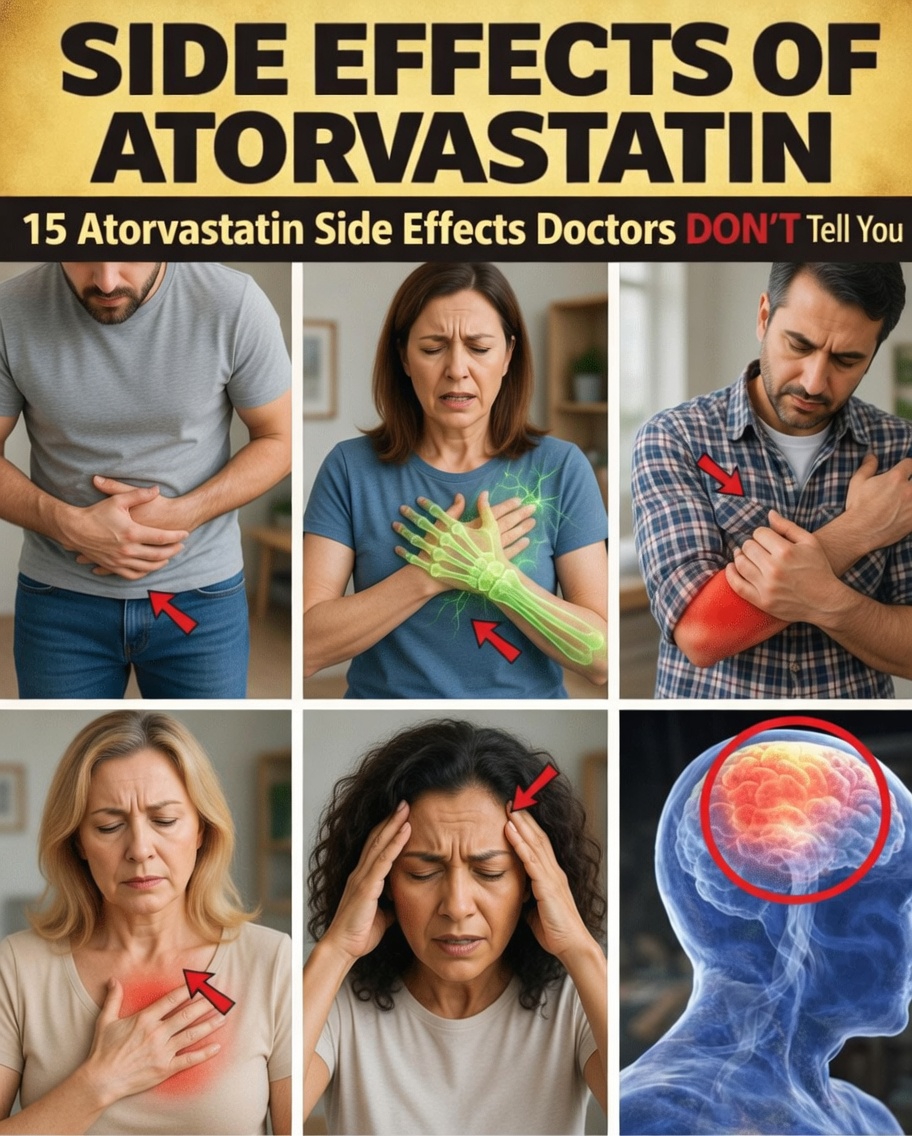
Common Experiences Reported With Atorvastatin
Some people notice changes after starting atorvastatin, while others have no noticeable issues at all. The following are among the most frequently discussed effects in clinical practice and patient reports.
Muscle Pain, Soreness, or Weakness
Muscle-related discomfort is one of the most commonly mentioned concerns. It may feel like aching, tenderness, weakness, or a general heaviness in the arms or legs, even without strenuous exercise. Studies suggest this happens in a relatively small number of users, and blinded clinical trials often show a lower direct medication-related risk than reports seen in everyday use.
In many cases, these symptoms are mild and improve over time or after treatment adjustments. However, severe muscle problems are uncommon but require urgent medical attention, especially if they occur with dark urine or extreme fatigue.
Digestive Side Effects
Some users experience stomach-related symptoms such as:
- Nausea
- Indigestion
- Diarrhea
- Constipation
- Bloating
These issues often appear early in treatment and may lessen as the body adapts. Small dietary changes, including eating lighter meals and reducing spicy or heavy foods, may help reduce discomfort.
Fatigue or Sleep Changes
A portion of patients report feeling more tired than usual or noticing changes in sleep quality. Although this does not affect everyone, it can make daily energy levels feel lower. Researchers continue to study whether statins influence cellular energy production, including possible effects on coenzyme Q10, a compound involved in muscle and heart cell function.
Blood Sugar Changes
Clinical findings, including FDA safety updates, show that statins may be linked to slight increases in blood glucose or A1C in some individuals. This tends to matter more in people who already have risk factors for diabetes. Monitoring blood sugar regularly can help identify any changes during treatment.
Other Symptoms Some People Mention
Additional effects that are sometimes reported include:
- Joint discomfort
- Headaches
- Nasal symptoms
- Mild memory lapses or temporary forgetfulness
Large reviews have found limited evidence that statins directly cause many of these issues in controlled studies. In some cases, age, underlying medical conditions, medication combinations, or even the nocebo effect may contribute.
Quick Summary of Commonly Discussed Side Effects
Here is a simple overview of effects often associated with atorvastatin:
- Muscle aches or weakness
- Digestive problems such as nausea or diarrhea
- Low energy or fatigue
- Sleep disturbances
- Mild increases in blood sugar markers
- Joint pain
- Headaches or nasal symptoms
It is important to remember that not everyone experiences side effects, and many reported symptoms are mild or temporary.
Why Can These Effects Occur?
Atorvastatin lowers cholesterol by reducing its production in the liver. In doing so, it may also affect the body's production of other substances, including CoQ10, which helps support cellular energy. Some researchers believe lower CoQ10 levels may be linked to muscle symptoms in certain people, although the scientific evidence remains mixed.
Other factors that may influence side effects include:
- Genetics
- Medication dose
- Drug interactions
- Existing health conditions
For example, higher doses or certain medicine combinations may increase the chance of noticeable symptoms.
Recent large reviews, including research published in The Lancet, suggest that many side effects commonly blamed on statins show a weaker cause-and-effect relationship in randomized trials than previously assumed. In some analyses, muscle symptoms appeared in only about 1% more people taking statins compared with those taking placebo.
What to Talk About With Your Healthcare Provider
If you notice any changes while taking atorvastatin, the best first step is to speak openly with your doctor. Do not stop or adjust the medication on your own, as this could interfere with your cholesterol and heart health goals.
To make your next appointment more productive, consider these practical steps:
-
Track your symptoms
- Write down when symptoms happen
- Note intensity and duration
- Record possible patterns related to meals, exercise, or time of day
-
Ask about lab testing
- Muscle enzymes such as CK
- Liver function tests
- Blood sugar or A1C levels
-
Discuss your dosage
- Ask whether a lower dose could still be effective while reducing side effects
-
Consider alternative statins
- Some people tolerate one statin better than another
-
Review lifestyle strategies
- Moderate exercise
- A balanced diet
- Better sleep habits
- Stress management
Many patients get the best results by combining medication with healthy daily routines.
Coenzyme Q10 and Atorvastatin
One supplement that often comes up in discussion is coenzyme Q10 (CoQ10), especially in the form of ubiquinol. Because statins can reduce CoQ10 levels, some people use it in hopes of improving energy and easing muscle discomfort. Doses of around 100 to 200 mg daily have been studied, often taken with food to improve absorption.
Some smaller studies and meta-analyses suggest CoQ10 may help reduce muscle-related symptoms, while other research shows only limited or inconsistent benefit. Major cardiology guidelines do not routinely recommend CoQ10 for every statin user, but it is generally considered safe for most people when reviewed with a healthcare professional.
If you are thinking about taking CoQ10, bring it up at your appointment so your provider can check whether it makes sense for your situation and whether any interactions are possible.
Lifestyle Habits That Can Support Cholesterol Control
Healthy lifestyle choices can strengthen the effects of your cholesterol treatment plan and may also help reduce unwanted symptoms. Evidence-based habits include the following:
Eat a Heart-Healthy Diet
Focus on whole, nutrient-dense foods such as:
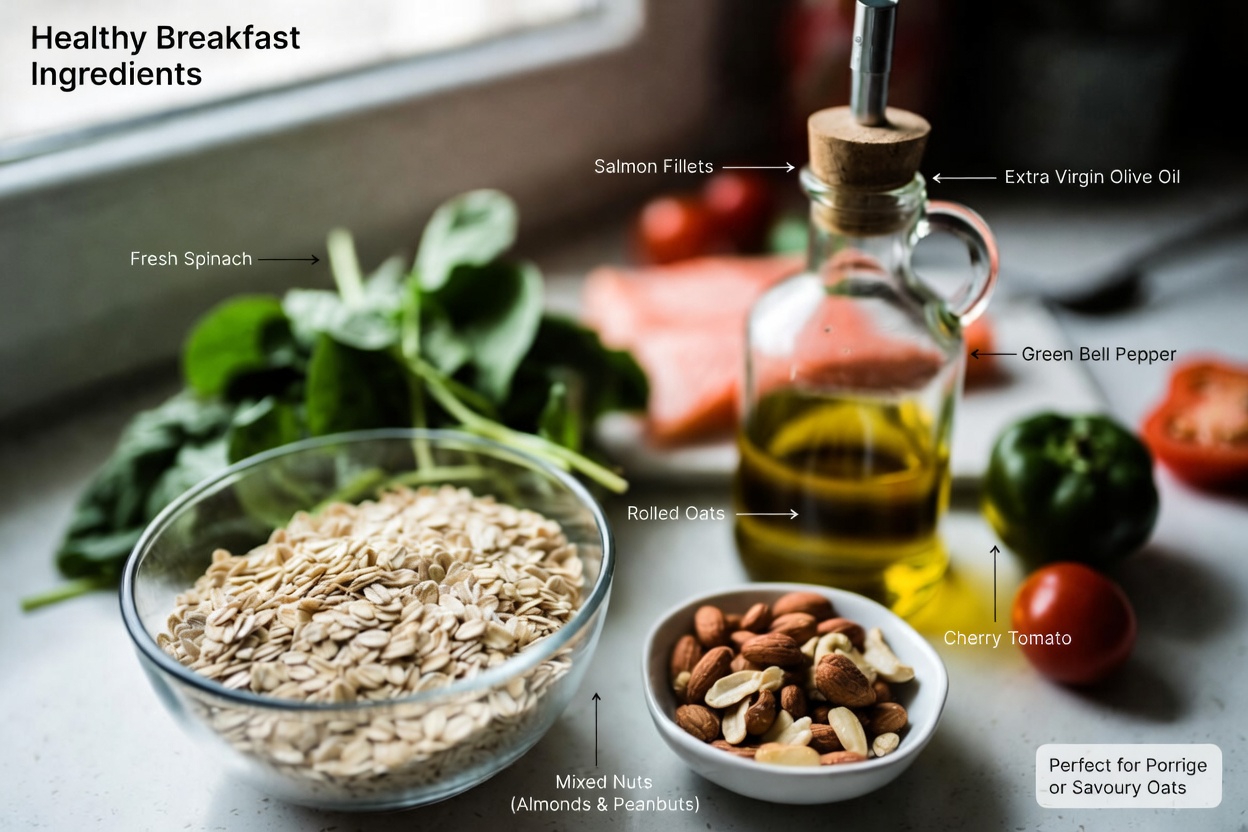
- Oats
- Nuts
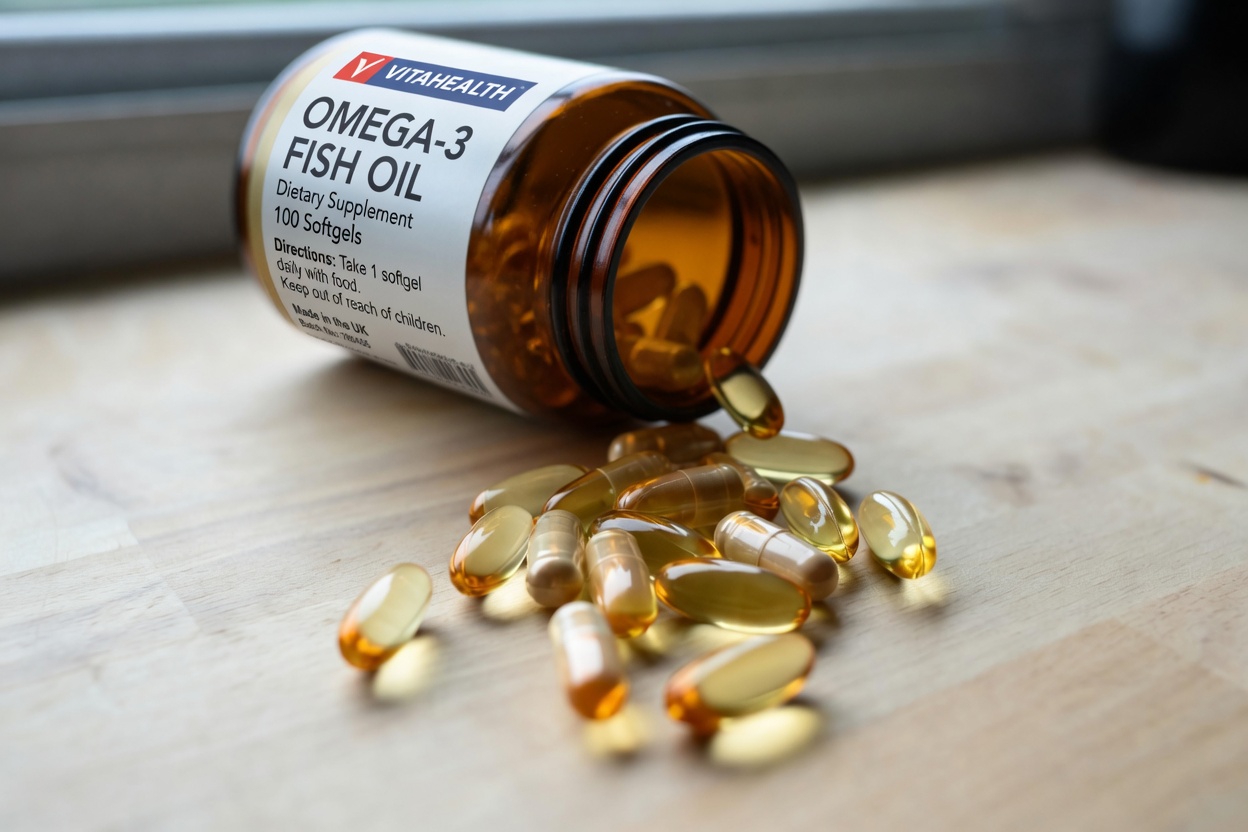
- Fatty fish
- Olive oil
- Fruits and vegetables
Try to limit processed foods, refined carbohydrates, and added sugars.
Stay Physically Active
Aim for at least 150 minutes of moderate activity per week, such as:
- Walking
- Swimming
- Cycling
- Light aerobic exercise
If you are concerned about muscle discomfort, start gently and build up gradually.
Manage Weight and Stress
Even modest improvements in body weight, body composition, and stress levels can benefit cholesterol levels and overall energy.
Keep Up With Monitoring
Regular follow-up appointments and lab work help track your response to treatment and allow your doctor to make changes when needed.
For some individuals, strong lifestyle habits may support good cholesterol control with lower medication doses over time.
When to Get Medical Advice Quickly
Contact your healthcare provider right away if you develop any of the following:
- Severe muscle pain
- Marked weakness
- Dark-colored urine
- Yellowing of the skin or eyes
- Unexplained extreme tiredness
These symptoms could point to uncommon but more serious complications that need prompt evaluation.
Routine check-ins and honest discussions about how you feel are key to keeping atorvastatin treatment both safe and effective.
FAQ
Can atorvastatin cause permanent side effects?
Most side effects linked to atorvastatin are reversible after the medication is adjusted or stopped under medical supervision. Serious long-term problems are rare, and regular monitoring helps identify concerns early.
Is CoQ10 safe to take with atorvastatin?
CoQ10 is usually well tolerated, but you should always ask your doctor before starting it. They can decide whether it fits your treatment plan and check for possible interactions.
What should I do if I get muscle pain while taking atorvastatin?
Describe your symptoms clearly to your doctor, including when they started and how severe they are. Your provider may suggest testing, adjusting the dose, switching to another statin, or exploring supportive options. Do not stop taking atorvastatin without professional guidance.