
Why Healthy Blood Circulation Matters
Efficient blood circulation is essential for carrying oxygen and nutrients to tissues and helping the body remove metabolic waste. When blood flow in the legs and feet is not at its best, people often notice heaviness, mild swelling, or a fatigued sensation, especially later in the day. Aging, long hours of sitting or standing, and daily lifestyle patterns can all influence how well circulation functions.
Improving vascular health can make a meaningful difference in comfort and day-to-day energy. Scientific findings suggest that certain plant-derived nutrients, particularly omega-3 fatty acids and antioxidants, may help support blood vessel performance and calm low-grade inflammation that affects circulation.
Flaxseeds: Small Seeds, Powerful Nutrition
Flaxseeds, sometimes called linseeds, are tiny brown or golden seeds loaded with valuable nutrients. They are among the best plant-based sources of alpha-linolenic acid (ALA), a form of omega-3 fat. In addition, they provide both soluble and insoluble fiber, along with lignans, which are plant compounds known for their antioxidant benefits.
Research indicates that eating flaxseeds regularly may help support cardiovascular wellness by maintaining cholesterol and blood pressure within healthy limits. In one well-known clinical study involving individuals with peripheral artery issues, those who consumed roughly 30 grams of ground flaxseed daily for six months showed noticeable improvements in blood pressure compared with those in the control group. Other studies also suggest flaxseeds may benefit endothelial function, which refers to how effectively blood vessels relax and allow healthy blood flow.

What Makes Flaxseeds Beneficial for Circulation?
Several nutritional features make flaxseeds stand out:
- Omega-3 fatty acids: One tablespoon of ground flaxseed contains about 1.8 grams of ALA, which may help support the body’s natural anti-inflammatory processes.
- Lignans: These antioxidants may contribute to better vascular function and healthier blood flow.
- Fiber: Supports digestive regularity and overall wellness, which can indirectly benefit circulation.
The real advantage may come from the way these nutrients work together over time. With regular use, flaxseeds may help support smoother, more comfortable circulation.
Why a Bedtime Flaxseed Habit May Be Helpful
Adding a small serving of flaxseeds before sleep is simple, practical, and easy for many people to maintain. It may also fit nicely with the body’s overnight recovery cycle.
Studies suggest that ALA from flaxseeds may promote healthier blood vessel relaxation and help reduce oxidative stress. Lignans add further antioxidant support, which may also benefit circulation. When included consistently in a balanced diet, these compounds may help the body maintain better comfort in the lower legs and feet.
A nighttime routine offers another possible benefit: the body spends the night focused on repair and restoration, which may support nutrient use during rest. Some people also find that the fiber in flaxseeds gently supports digestion overnight without disturbing sleep.
How to Take Flaxseeds Before Bed
If you want to make flaxseeds part of your evening routine, the best approach is to keep it easy and sustainable.
1. Choose the Best Form
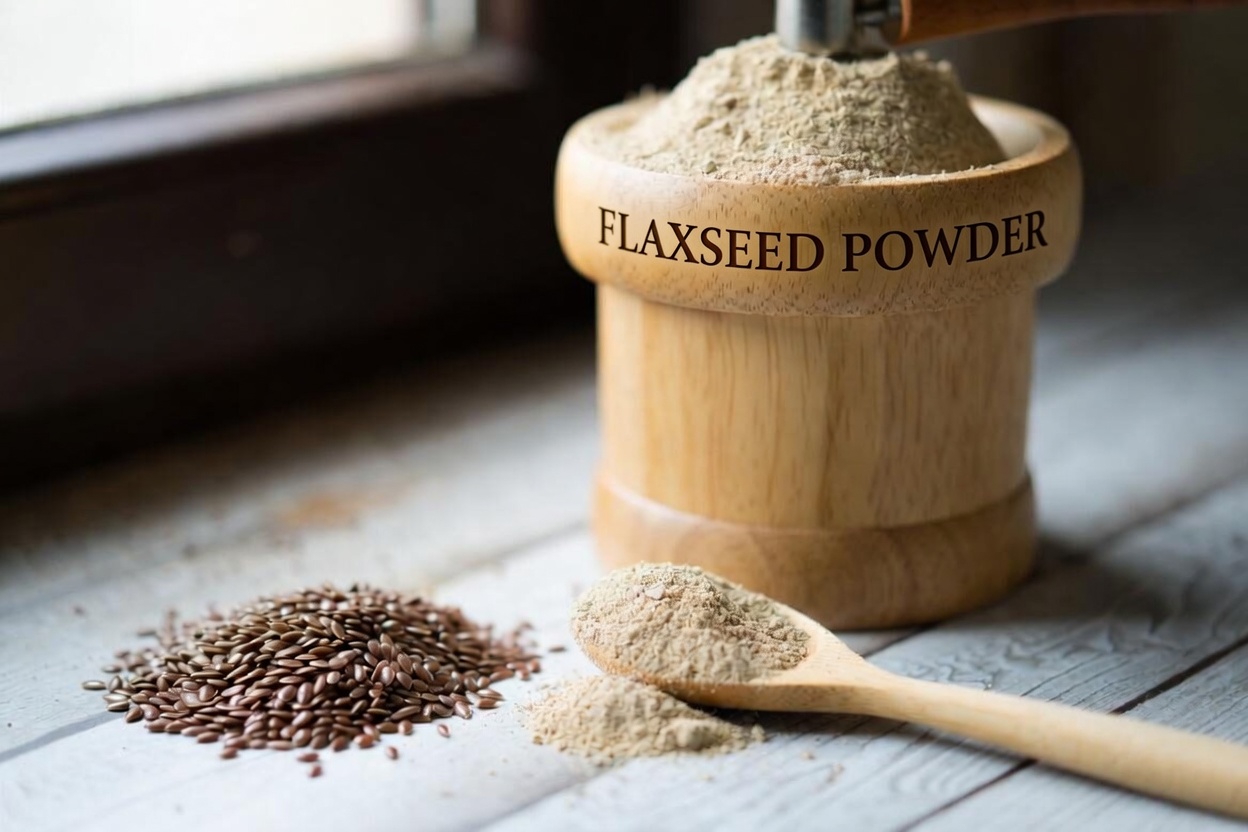
You can use either whole flaxseeds or ground flaxseed meal.
- Whole seeds stay fresh longer.
- Ground flaxseed is easier for the body to absorb.
If possible, grind the seeds just before use. A coffee grinder or small blender is ideal for preparing small amounts.
2. Start With a Small Amount
Begin with 1 teaspoon (about 5 grams), then slowly increase to 1 tablespoon (around 10 to 15 grams) if it feels comfortable. This gradual approach gives your body time to adjust to the fiber content.
3. Pick a Simple Preparation Method
Here are a few easy ways to enjoy flaxseeds at night:
-
Option 1: Quick and easy
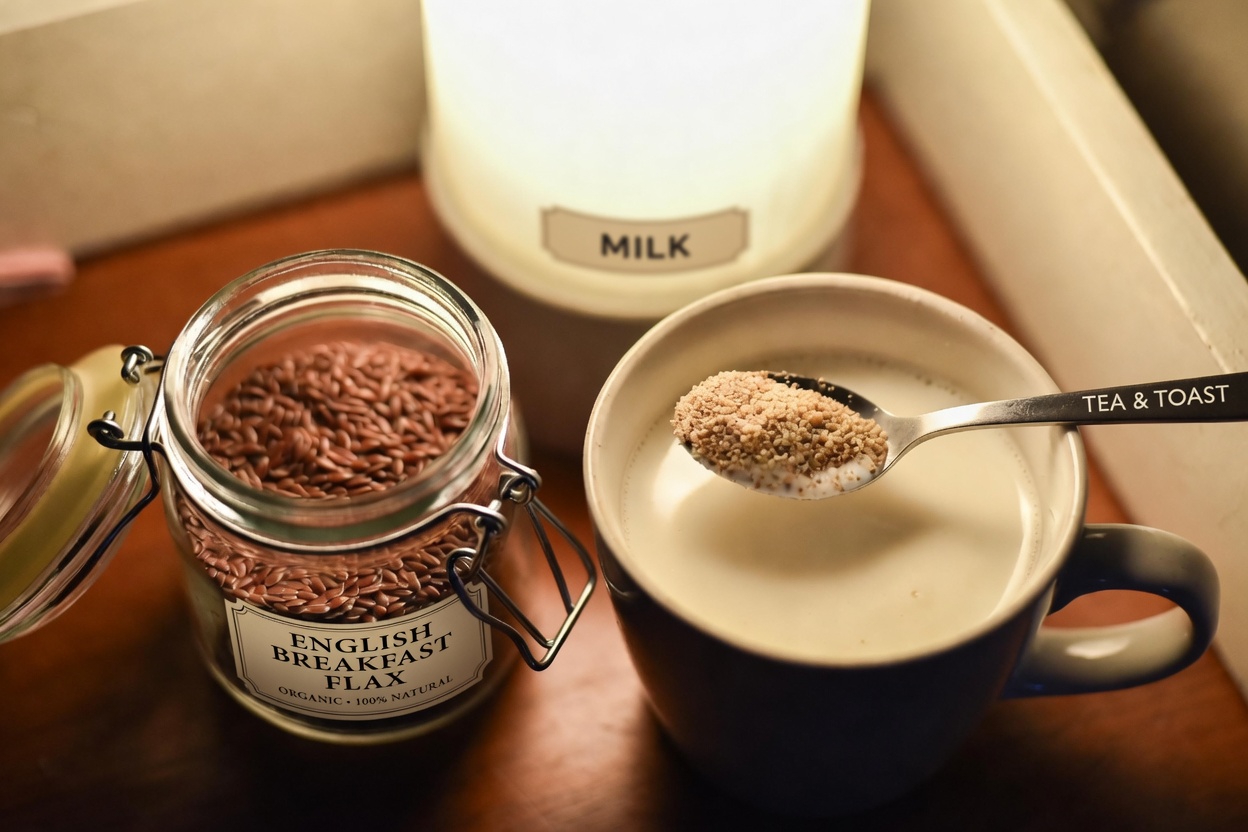
- Take 1 tablespoon of ground flaxseed directly from a spoon.
- Follow it with a full glass of water.
- If using whole seeds, chew thoroughly.
-
Option 2: Smooth and enjoyable
- Stir ground flaxseeds into a small cup of warm water, herbal tea, or low-fat yogurt.
- Let the mixture sit for 5 to 10 minutes so it thickens slightly.
-
Option 3: Add more flavor
- Mix in a little cinnamon or a splash of lemon juice for a mild, pleasant taste.
4. Get the Timing Right
Take flaxseeds 30 to 60 minutes before bedtime, ideally after dinner or your evening meal. The key is regular use, not perfection. Aim to follow the habit on most nights each week.
5. Store Them Properly
To protect their healthy oils and preserve freshness:
- Keep ground flaxseed in an airtight container in the refrigerator.
- Store whole flaxseeds in a cool, dark pantry.
Starting with a small amount and staying consistent often leads to the best long-term results. It can also be helpful to notice how your legs and feet feel after a few weeks of regular use.
Additional Habits That Support Leg and Foot Comfort
Flaxseeds can be a valuable addition, but they work best when combined with other healthy practices. Consider these simple steps:
- Drink enough water throughout the day.
- Add light movement in the evening, such as walking, calf stretches, or ankle circles.
- Raise your legs for 10 to 15 minutes while resting.
- Wear supportive, comfortable shoes.
- Avoid sitting with crossed legs for long periods.
- Follow a balanced eating plan rich in fruits, vegetables, and other fiber-rich foods.
Quick Comparison of Helpful Daily Habits
Supportive Habits for Better Circulation
-
Flaxseeds before bed
- Helps provide omega-3s and lignans
- Very easy to add to a routine
-
Daily walking for 20 to 30 minutes
- Encourages natural blood flow
- Moderate effort
-
Leg elevation
- May reduce pooling in the lower limbs
- Easy to do
-
Staying hydrated
- Supports healthy blood volume
- Very easy
-
Balanced, fiber-rich meals
- Promotes overall vascular health
- Moderate effort
Using several of these habits together may improve comfort and circulation over time.
What Research Says About Flaxseeds and Vascular Health
A growing number of studies have examined flaxseeds for cardiovascular support. Reviews of clinical trials have found that flaxseed intake may be linked to modest improvements in blood pressure and blood lipid levels. Some analyses have also reported reductions in inflammatory markers such as hs-CRP in certain individuals.
These benefits were generally seen when flaxseeds were consumed consistently over several weeks or months, especially alongside a healthy lifestyle. Medical sources such as Mayo Clinic recognize flaxseed as a heart-supportive food due to its omega-3 content, while other studies point to possible benefits for endothelial function and blood flow.
Still, results can vary from person to person. Flaxseeds should not replace prescribed treatment or professional medical advice, but they can be a smart nutritional addition to a wellness-focused routine.
Important Considerations Before You Start
Most people handle flaxseeds well when they are introduced slowly. Because they are high in fiber, some digestive adjustment can happen at first. Starting with a smaller serving can help minimize discomfort. Drinking enough water is also important to support the fiber’s effects.
If you use medications, especially blood thinners or blood pressure drugs, speak with your healthcare provider before making major dietary changes. The same applies if you are pregnant or breastfeeding.
Proper storage matters as well. Ground flaxseed can spoil faster than whole seeds, so keeping it refrigerated is important.
Frequently Asked Questions
Can I eat flaxseeds every night?
Yes. Many people use about 1 tablespoon of ground flaxseed as part of their nightly routine. Pay attention to how your body responds and adjust the amount if needed.
Is grinding necessary?
Grinding is recommended because it improves absorption of key nutrients, especially omega-3 fats. If you choose whole seeds, chew them very well or soak them overnight.
Can flaxseeds replace other healthy habits?
No. Flaxseeds are most effective when they are part of a broader wellness plan that includes movement, hydration, and nutrient-dense meals. Think of them as one helpful tool, not the entire solution.
How soon might I notice a difference?
Some people say they feel better within a few weeks, while others notice gradual improvements over 1 to 3 months. The timeline depends on overall lifestyle habits and consistency.
Final Thoughts
A simple bedtime flaxseed routine may offer a gentle, practical way to support circulation, especially in the legs and feet. Thanks to their omega-3 fats, lignans, and fiber, flaxseeds can contribute to vascular health as part of a balanced lifestyle. Start small, stay consistent, and combine them with other supportive habits for the best results.